
The idea was simple. I put an empty cardboard box next to the front door and made one rule: anything I noticed I no longer used went in right away. There was no big weekend purge and no marathon decluttering session. The box just sat there, and small decisions piled up over the month.
Here are the nine items that ended up in it, along with a few practical notes on donating each one. Charity policies vary by location, so check with your local organization before you drop anything off.
1. A Winter Coat That Stopped Fitting
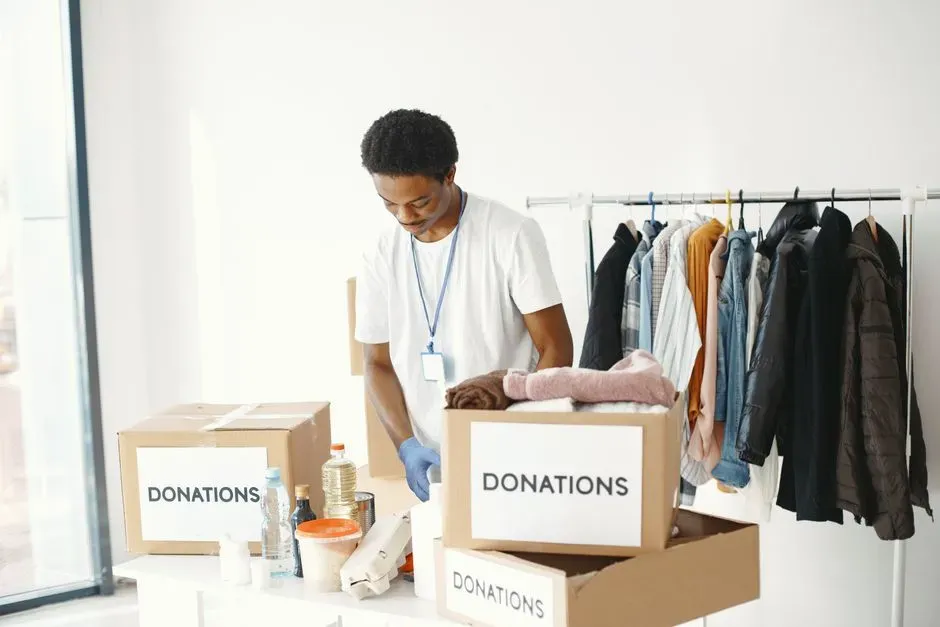
The coat went in during the first week. It was warm and in good shape, but I hadn’t worn it for two winters. Coats are among the most useful things you can donate, since many shelters and community groups run coat drives in the fall.
Condition matters. The IRS says clothing and household items must be in good used condition or better to be deductible. A coat with a working zipper and no stains is worth passing on. One with a broken zipper is better off in a textile recycling bin.
2. Jeans I Kept for the Wrong Reasons
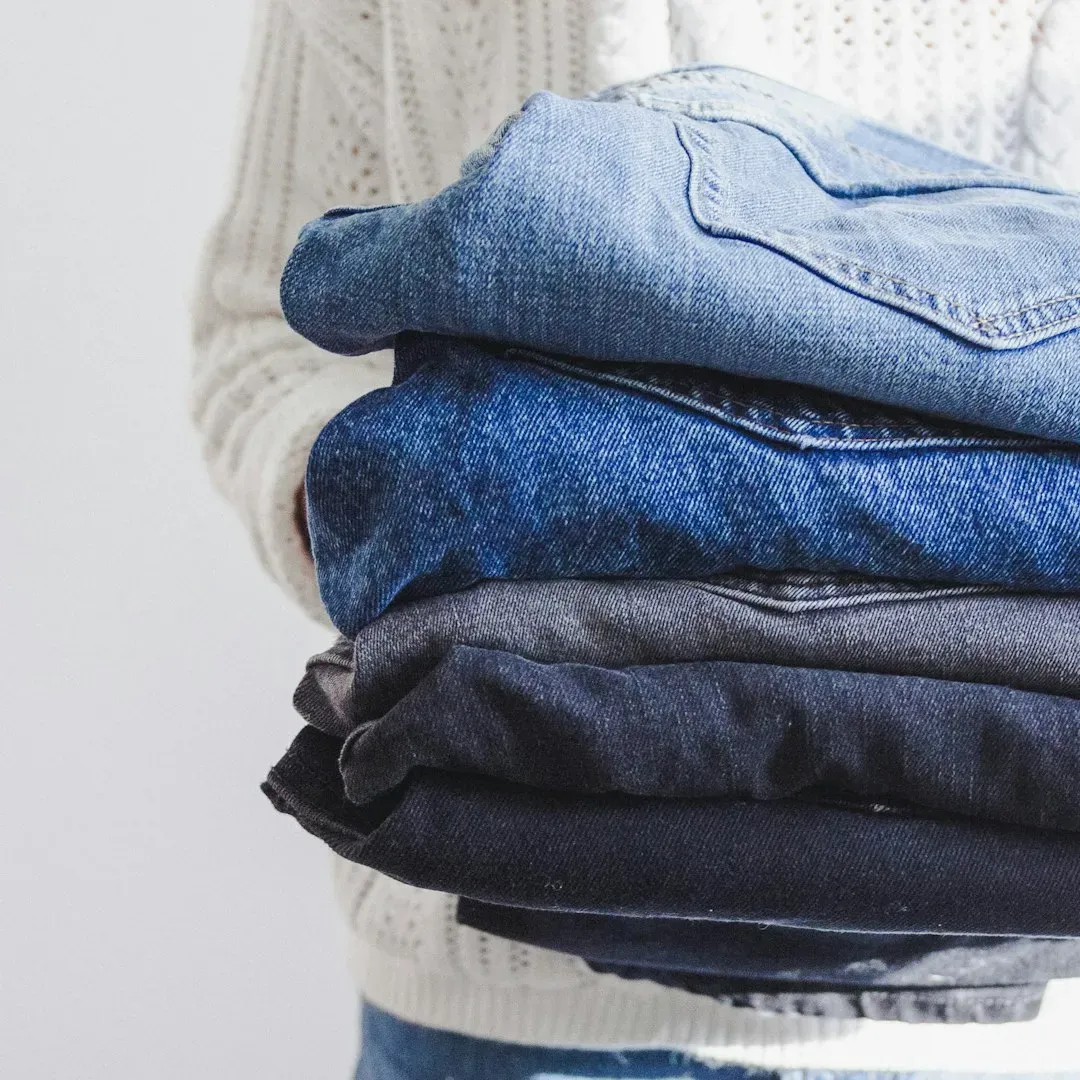
Two pairs of jeans joined the box, both bought on sale and never quite comfortable. If you’ve held onto clothes for “someday,” you know the feeling. Letting them go felt lighter than I expected.
Thrift stores generally accept clean, wearable denim. Check the tags and pockets first. Donation centers can’t resell clothing that’s damaged or smells of mildew, and the IRS good used condition standard applies to your tax deduction too.
3. Paperback Books I Will Never Reread
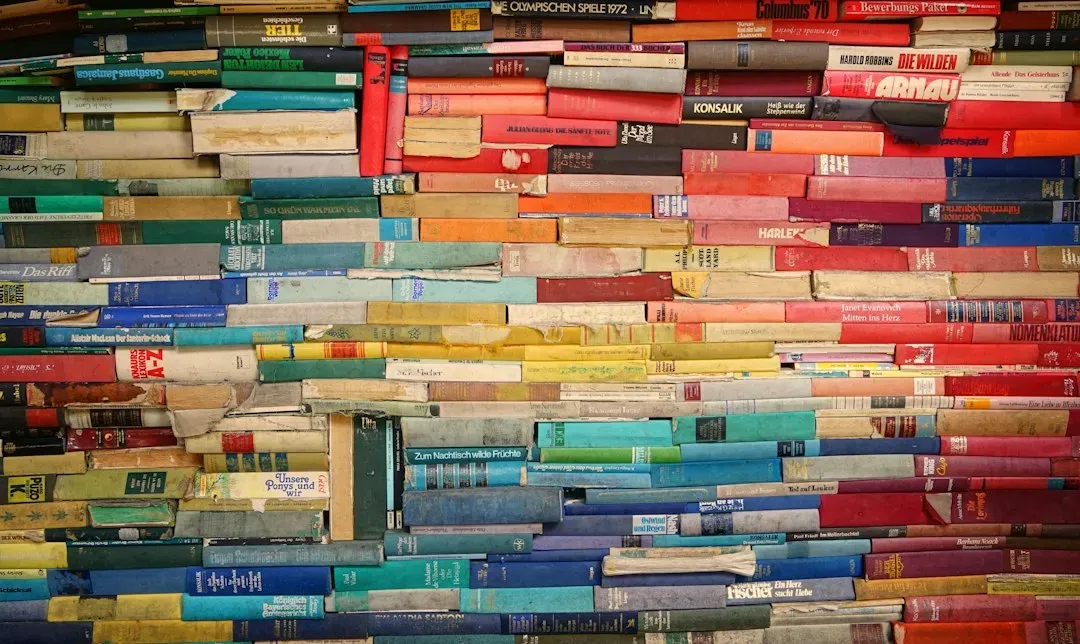
Books were the easiest category. I pulled out a handful of paperbacks I’d finished and had no plans to revisit. They had been taking up shelf space for years.
Many libraries run book sales or accept donations, and thrift stores take them too. Policies differ, though, so call ahead. Some places turn away water-damaged books, old encyclopedias, and outdated textbooks.
4. Mismatched Mugs
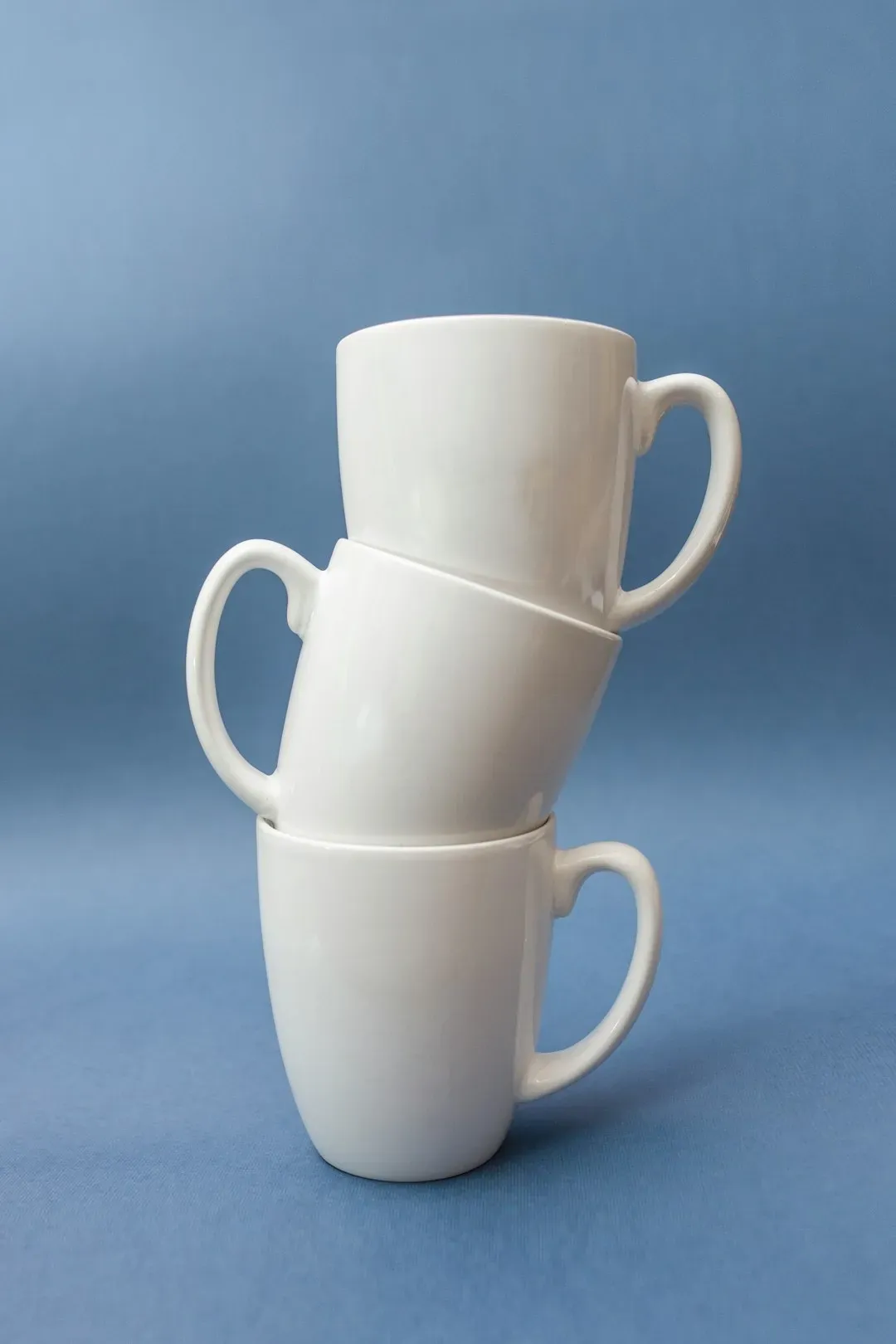
Our cabinet held far more mugs than two people could use. The chipped ones went in the trash, and the intact ones went in the box. Plain, sturdy mugs are the kind that sell well secondhand.
Cracked or chipped dishware is usually better discarded, for safety and because stores often can’t sell it. Wrap anything breakable in paper or a towel so it arrives in one piece.
5. Kitchen Gadgets Used Once
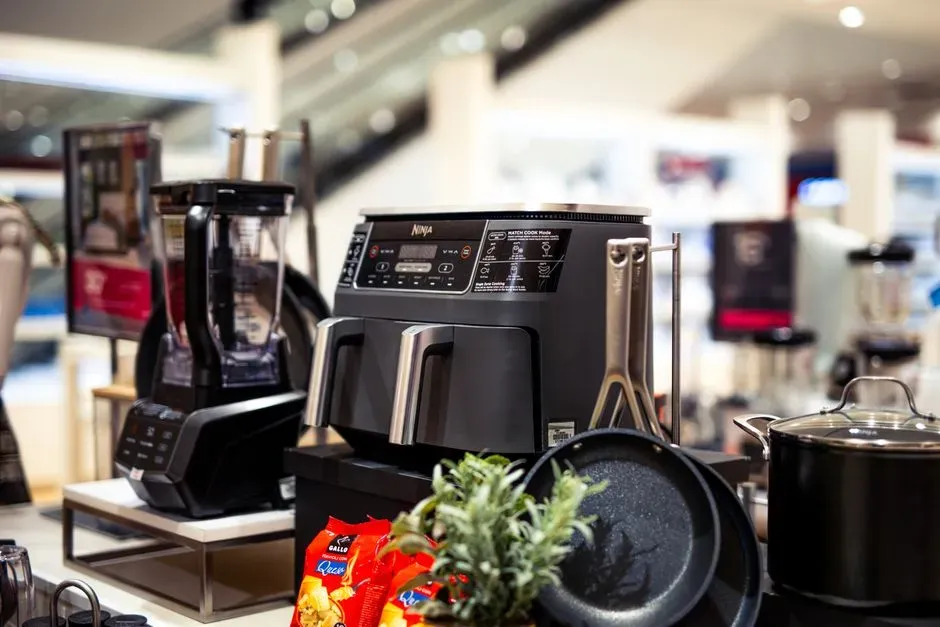
An egg slicer, a spiralizer, and a manual juicer all had the same story. They each seemed like a great idea at the time. Seeing them side by side in the box made the pattern obvious.
Complete, clean gadgets are fine to donate. Wash them well and keep any parts together in a bag. A gadget missing a blade or attachment is hard for a store to sell.
6. Free Tote Bags

Event giveaways and store freebies had multiplied in a closet until I couldn’t see the back wall. I kept two favorites and donated the rest. A reusable bag only helps if you actually use it.
Some food pantries and community groups gladly take clean tote bags for packing groceries. Ask first, because needs change and not every group wants them.
7. A Small Appliance That Still Worked
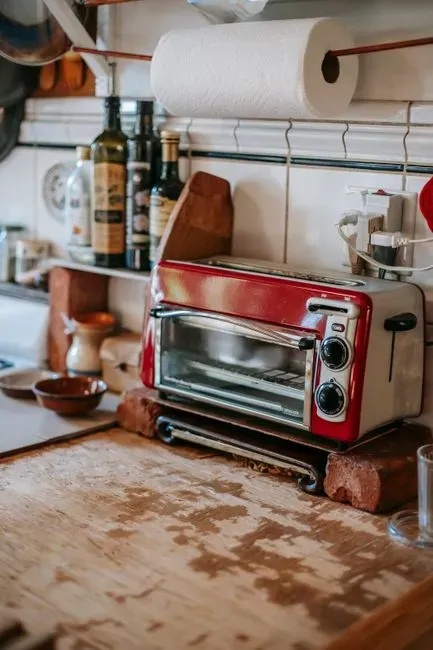
An old toaster oven I’d replaced was sitting in the garage. It worked fine, so it went into the box instead of the trash. Donating working appliances keeps usable products in circulation.
Policies on appliances vary a lot. Some thrift stores test electrical items, and others won’t take them at all. A broken one should go to an e-waste or appliance recycling program instead, and your local waste authority can usually point you to one.
8. Puzzles and Board Games
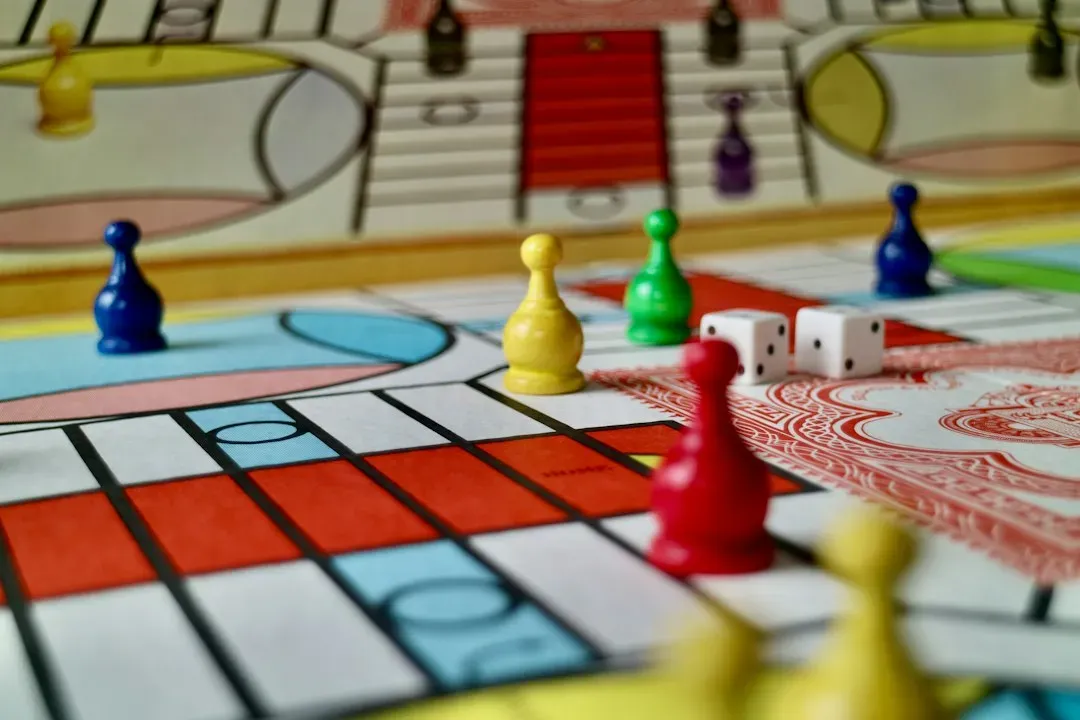
A few puzzles and games had been collecting dust since we last had guests over. Before donating, I checked that every piece was there. Puzzles with missing pieces are frustrating, so I recycled those.
Taping the box shut and writing “complete” on the lid is a courtesy many thrift shops appreciate. Toys and games should also be clean and free of safety recalls. Charities often decline items with known safety issues.
9. Picture Frames and Small Decor

The last items were frames and a few knick-knacks from a previous apartment. They weren’t bad, just not us anymore. Taking them off the shelf made the room feel calmer.
Frames are popular with thrift shoppers, and crafters often reuse them. Remove any old photos first. Wrap glass carefully, and skip anything cracked.
By day 30, the box was full and the drop-off took one trip. Keeping it by the door worked because it turned decluttering into a habit instead of a project. If you plan to claim a deduction, keep your receipt. The IRS requires written acknowledgment for gifts of $250 or more, and noncash donations over $500 in total require Form 8283. For most of us, though, the real payoff is a little more space at home.
Start with an empty box and see what finds its way in.





Leave a Reply