
Florida. The name alone conjures up images of warm turquoise water, golden sand, shimmering theme parks, and that sweet, unhurried Sunshine State vibe. It sounds nearly perfect, honestly. For years, Florida has ranked as one of the most visited places in the entire country, drawing tens of millions of people every single year.
So when I finally booked my own Florida dream trip, I was genuinely excited. Beaches. Disney. Seafood. Sunsets. I had planned the whole thing down to the last detail. What followed was something I never expected – a slow, dawning realization that this trip was not the paradise I had imagined. Here’s the full, unfiltered story of why I cut it short.
1. The Hurricane Damage Was Still Very Real
Nobody warned me about the extent of what I was walking into. The white sandy beaches along a swath of Florida’s Gulf Coast were battered by three hurricanes in 2024, leading to a multimillion-dollar effort to repair a coastline that is the region’s economic engine. Crews were still working with dredges, trucks, and pipelines along a 35-mile stretch of beach in Pinellas County, including Clearwater Beach, Indian Rocks Beach, Belleair Beach, and Redington Beach – a prime tourist destination still recovering from Hurricanes Helene, Milton, and Debby.
Hurricane Helene’s total costs were $78.7 billion. Then came Hurricane Milton, which made landfall near Siesta Key, Florida, on October 9, 2024, with 120 mile-per-hour sustained winds. A storm surge of up to 10 feet caused damage along the Gulf coast, and the hurricane spawned dozens of highly destructive tornadoes across southern Florida. Total costs for Milton reached $34.3 billion.
Hotel closures, infrastructure damage, and the temporary suspension of popular attractions deterred visitors in the short term. Additionally, the psychological effect of media coverage showing scenes of devastation further diminished tourist interest. Walking through parts of the Gulf Coast and seeing empty lots, debris piles, and shuttered businesses genuinely shocked me. This was not the Florida from the brochures.
2. The Beaches Were Overcrowded and Littered
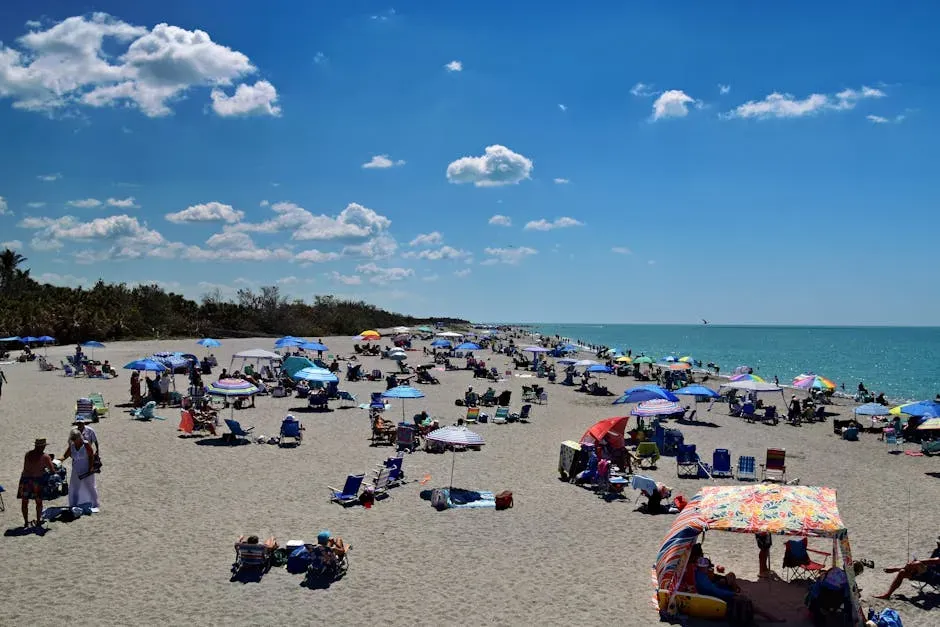
Let’s be real. You dream of Florida beaches, you imagine pristine sand and gently lapping waves. What you actually find, at many of the most popular spots, is something else entirely. Florida has so many stunning beaches that people flock there year-round. Where tourists pour in, many beaches show strain – trash piles, crowding, worn dunes, clogged parking, and dirty shorelines.
This surge has benefited local businesses and fueled economic growth, but it has also led to overcrowded beaches, safety concerns for families, increased infrastructure pressure, skyrocketing prices, and strict curfews, leaving residents and longtime visitors questioning whether these destinations can sustain their original charm.
Miami Beach’s allure has led to overcrowded shores. Locals lament the ceaseless noise and skyrocketing rents. Traffic snarls are now part of daily life, as the city’s vibrant nightlife and cultural scene draw endless crowds. The influx of visitors has strained local infrastructure, making even short commutes a frustrating ordeal. I had come for peace and quiet. I got neither.
3. Red Tide Ruined My Beach Days
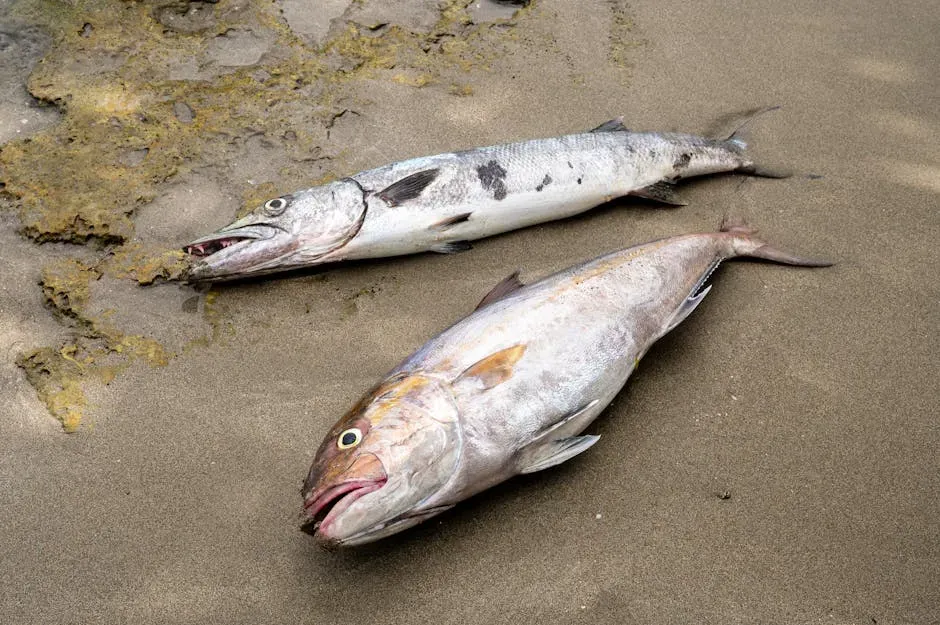
Here’s the thing nobody puts on the “Visit Florida” posters: red tide. Red tide, a toxic bloom caused by the algae Karenia brevis, has become nearly an annual menace to Florida’s Gulf Coast. These algae blooms grow when nutrient-rich waters, often from natural ocean currents and human-related pollution, feed their spread. The blooms fill beaches with dead fish and irritate residents’ eyes, noses, and throats.
Dead fish suspected to be related to red tide were washing up on Southwest Florida beaches from Sarasota south to Collier counties. The acrid odor of airborne red tide combined with the smell of rotting fish was causing respiratory irritation along the same beaches. I know it sounds crazy, but imagine paying hundreds of dollars to stand on a beach that smells like a fish market in August.
People in coastal areas can experience varying degrees of eye, nose, and throat irritation during a red tide bloom. Some individuals with chronic respiratory conditions like asthma or chronic lung disease might experience more severe symptoms. The Karenia brevis bloom growth was linked to nutrient-rich waters stirred up by Hurricanes Helene and Milton in 2024, and a persistent red tide bloom continued to damage marine life, disrupt local businesses, and trigger public health warnings along Florida’s southwest coast.
4. The Costs Were Absolutely Shocking
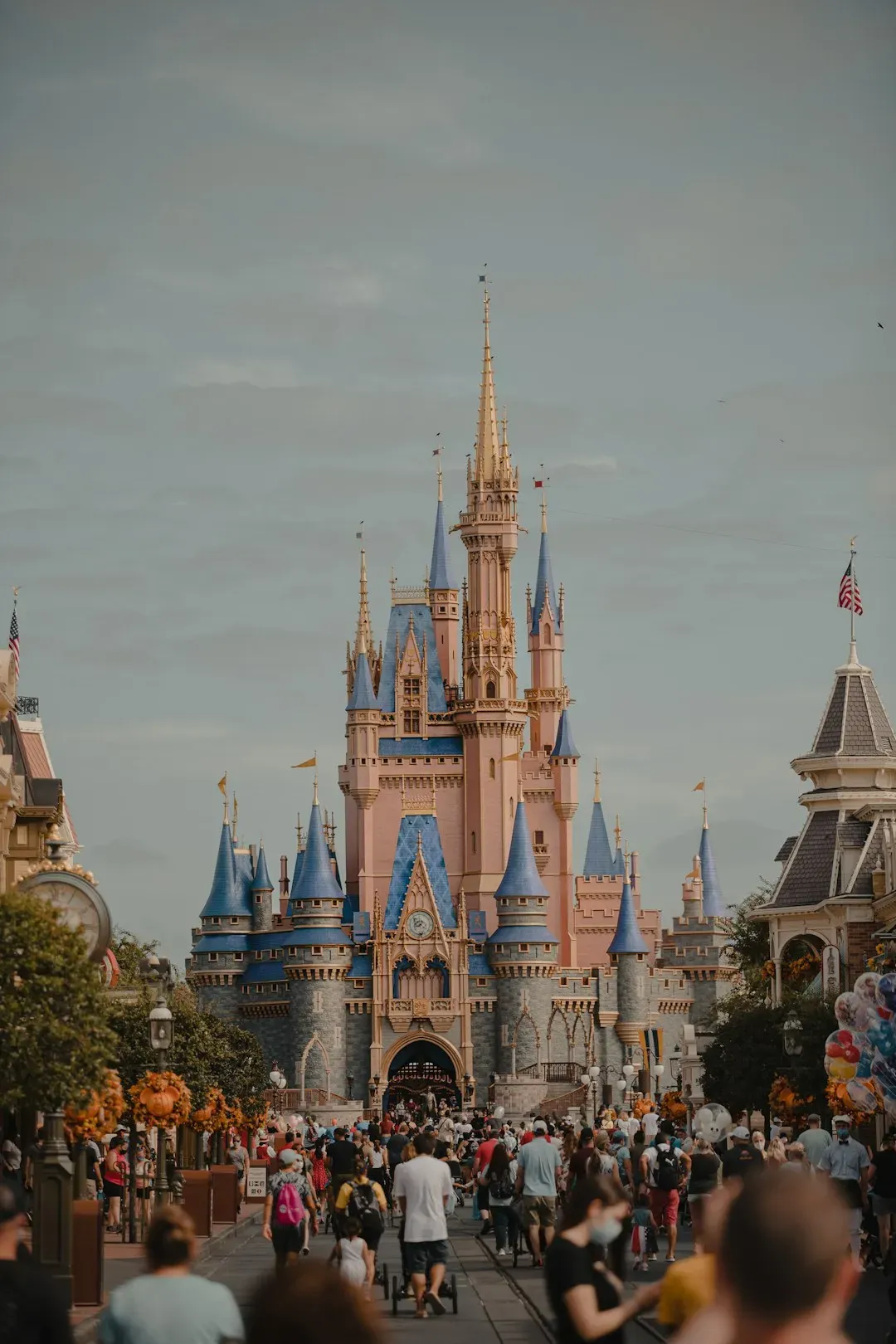
I had budgeted carefully. Or so I thought. Nothing could have truly prepared me for just how expensive Florida has become. A baseline Disney World vacation for a family of four was pegged at $7,093 in 2025, up from $6,865 in 2024. That cost includes flights, transportation, quick-service meals, snacks, two table-service dinners, five-day tickets without a park hopper, and a five-night stay at Disney’s Pop Century Resort.
The 2026 cost of a basic one-day ticket to a single Disney World theme park ranges from $119 to $209 for each guest aged 10 and over. This marks the first time in history that a single-day ticket has surpassed the $200 threshold, specifically at Magic Kingdom during peak holiday weeks. Most days are priced at $140 or higher.
The average price of a hotel for just three days in Orlando is $522, climbing to $973 in the busy season. Stack that on top of food, car rental, parking, and park extras, and suddenly your dream vacation eats through your savings faster than a roller coaster ride. Skyrocketing airfare, increased prices at major attractions, and general economic inflation are making Florida vacations less affordable, forcing budget-conscious travelers to choose more economical destinations.
5. The Theme Park Lines Were Soul-Crushing
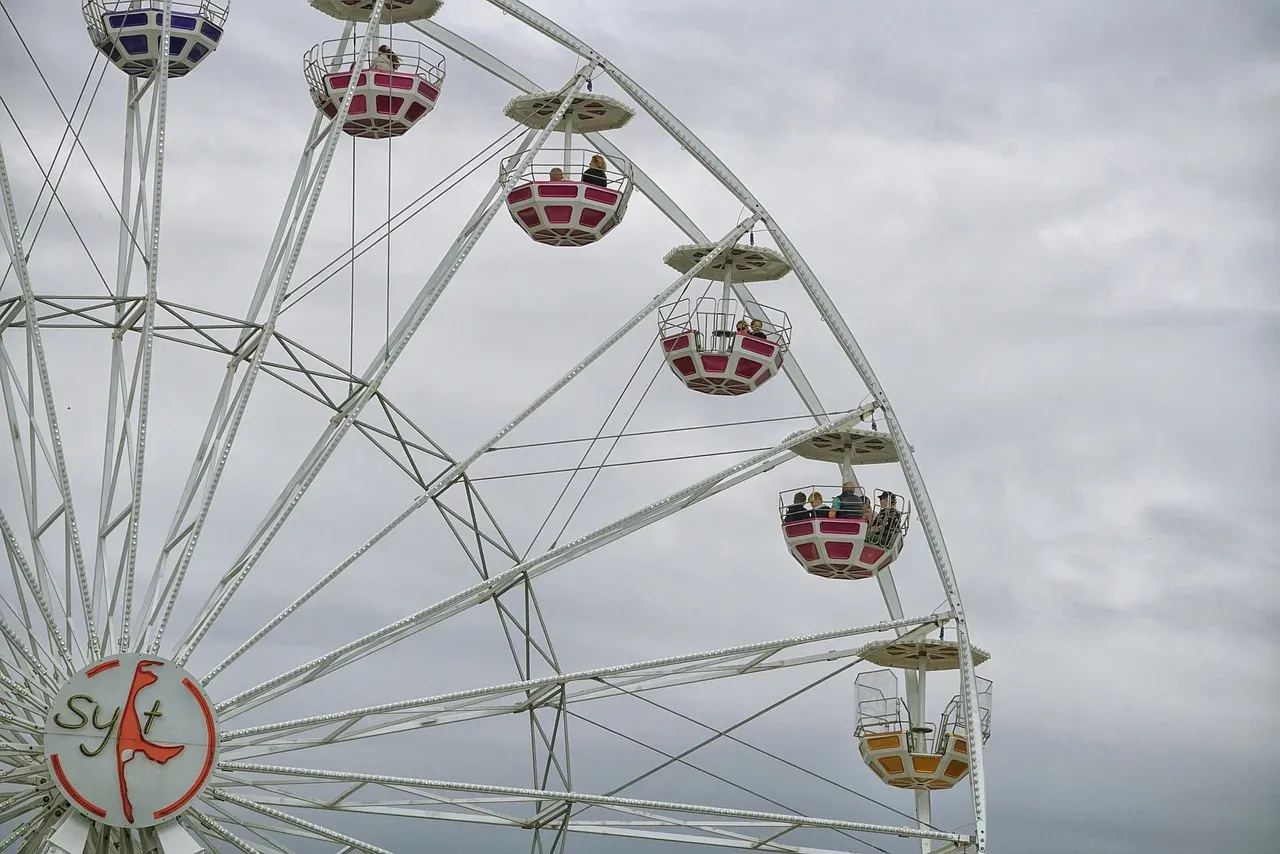
I thought the wait times I had read about online were exaggerated. They were not. There is no denying that Orlando, Miami, and certain headline attractions still draw eager crowds. The flip side is hours wasted in traffic and lines. Many travelers describe the whole experience as just “not worth the headache,” and fatigue from constant queuing – at restaurants, amusement parks, or even public beaches – is pushing visitors to consider alternatives.
A three-hour wait for a ride at Disney that is over in less than a minute is a genuine reality, not a rumor. Think about that. Three hours standing in a queue, shuffling forward a few feet every few minutes, in Florida’s humidity, just for ninety seconds of fun. It started to feel less like a vacation and more like a logistical endurance test.
Orlando alone welcomed over 75 million visitors in 2024, and expectations are high for continued record-setting arrivals. More visitors means more competition for every single seat, table, and ride. The math is brutal. The experience suffers as a direct result, and I felt it deeply by day three.
6. The Heat and Humidity Were Unbearable
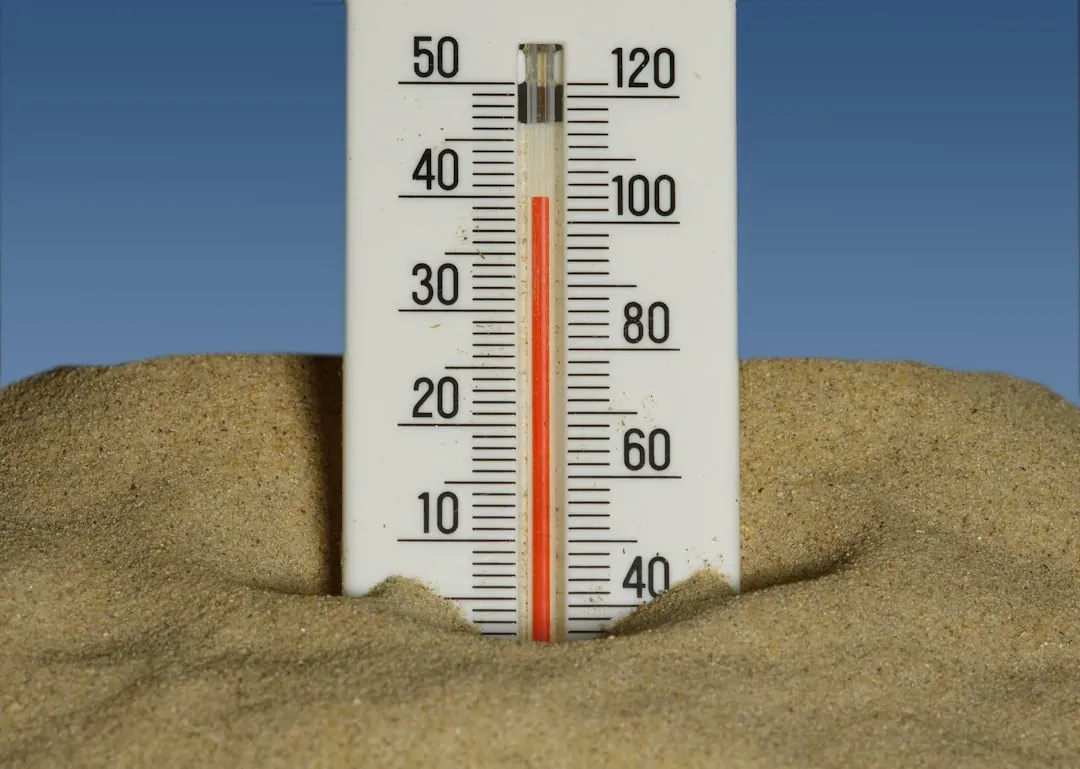
Florida’s weather is one of its biggest selling points. It is also, depending on when you visit, one of its biggest drawbacks. The climate in Orlando is typical of the rest of Florida – quite hot and humid in the summer and cooler but comfortable in the winter. It is not unusual for there to be one or two weeks each winter when the weather is uncomfortably cold.
Summer in Florida is a different beast altogether. The humidity wraps around you like a wet blanket the moment you step outside. Standing in a three-hour theme park queue in that kind of heat is almost a health concern in itself. Outdoor activities that sounded magical on paper became genuine physical ordeals.
Experts have forecast a roughly 60% chance of an above-normal hurricane season in 2025, predicting between 13 to 19 named storms with three to five major hurricanes likely to form. Traveling in the warmer months means more than just sweating. It means watching the weather forecasts nervously and wondering whether your trip might get disrupted by something far more serious than afternoon thunderstorms.
7. International Travel Safety Concerns Added Stress
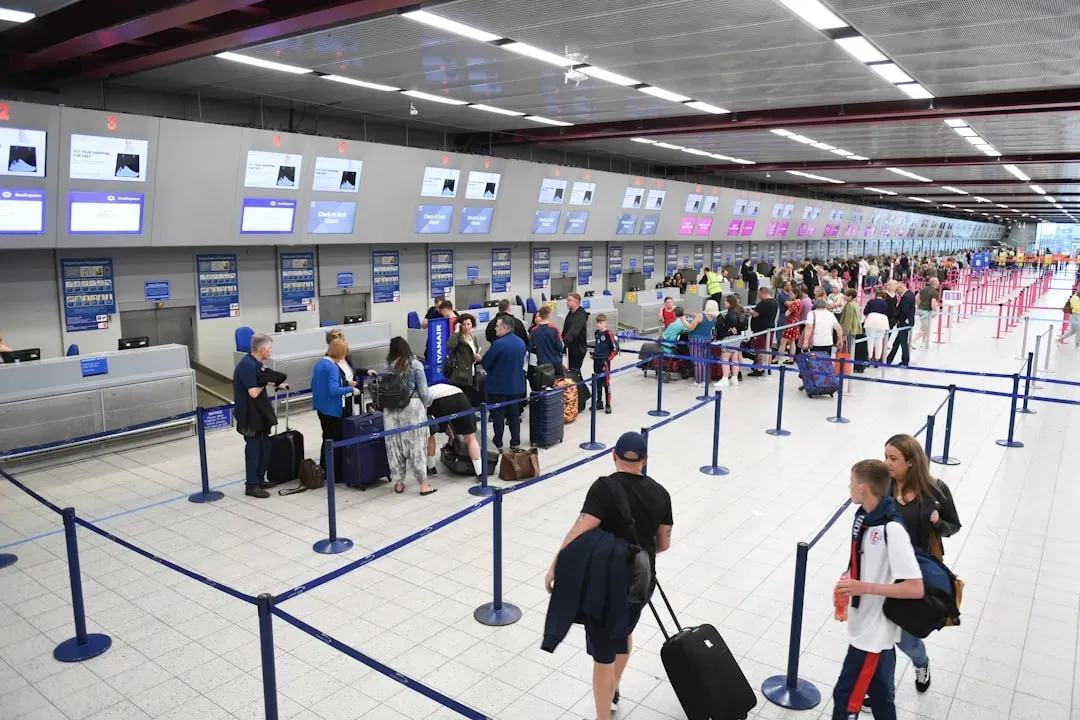
This one caught me off guard. Regardless of where you stand politically, the reality is that Florida’s image internationally took a significant hit in the 2024 to 2026 period. Throughout President Donald Trump’s second term in the White House, numerous nations have periodically issued new travel advisories to citizens coming to the U.S. In March 2025, Germany’s Federal Foreign Office updated its page on travel for the U.S. with a paragraph stating that even a slight overstay of the visa upon entry or exit can lead to arrest, detention, and deportation.
Denmark, Finland, and the Netherlands released additional guidance for LGBTQ+ travelers after the Trump administration stopped recognizing passports with a gender marker that differs from one’s sex at birth. Canada provided new guidance around changes to registration for longer visits, while Spain, Slovenia, and the Netherlands also issued new guidance around potential problems that can arise when crossing the border and clearing customs.
The overall atmosphere created a low-level tension that colored the entire trip. You should be able to visit a place and feel welcome. In Florida in 2025 and 2026, not every traveler does. Naturalized and U.S. citizens of African, Latin American, Central American, Native American, Asian, and Pacific Islander descent are not immune from racial profiling, heightened scrutiny, and false arrest. That is a sobering reality that no amount of sunny weather can offset.
Conclusion
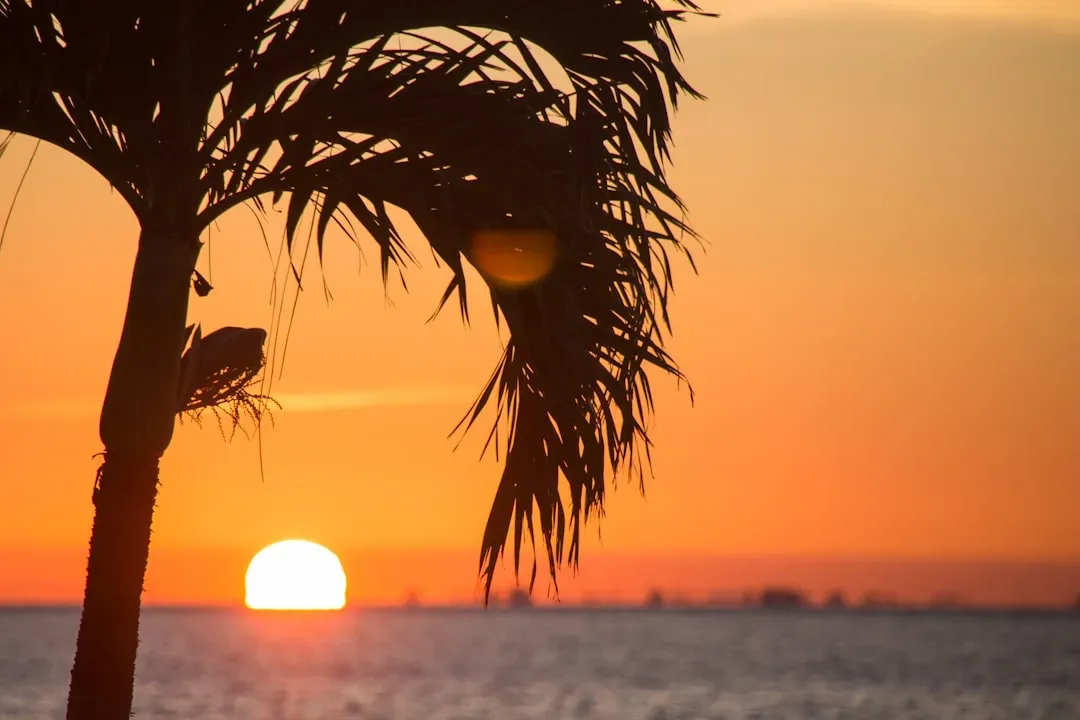
Florida still has real beauty. Stunning sunsets, unique wildlife, and moments of genuine magic do still exist there. I am not saying the place is broken beyond repair. I am saying that for me, in 2025 and 2026, the version of Florida I encountered fell dramatically short of the version I had spent months imagining and saving for.
The hurricanes, the red tide, the crowds, the costs, the political climate, the infrastructure strain – individually, any one of these things might be manageable. Together, they created a travel experience that wore me down faster than I expected. Cutting the trip short was not a decision I made lightly. It was the only sensible one left.
Florida is still one of the most visited destinations in the United States, and for many people, it works beautifully. But go in with your eyes open and your expectations grounded in reality, not the glossy brochure version. Did you have a similar experience, or did Florida deliver everything you hoped for? Tell us in the comments.





Leave a Reply