
Why I finally looked at the numbers
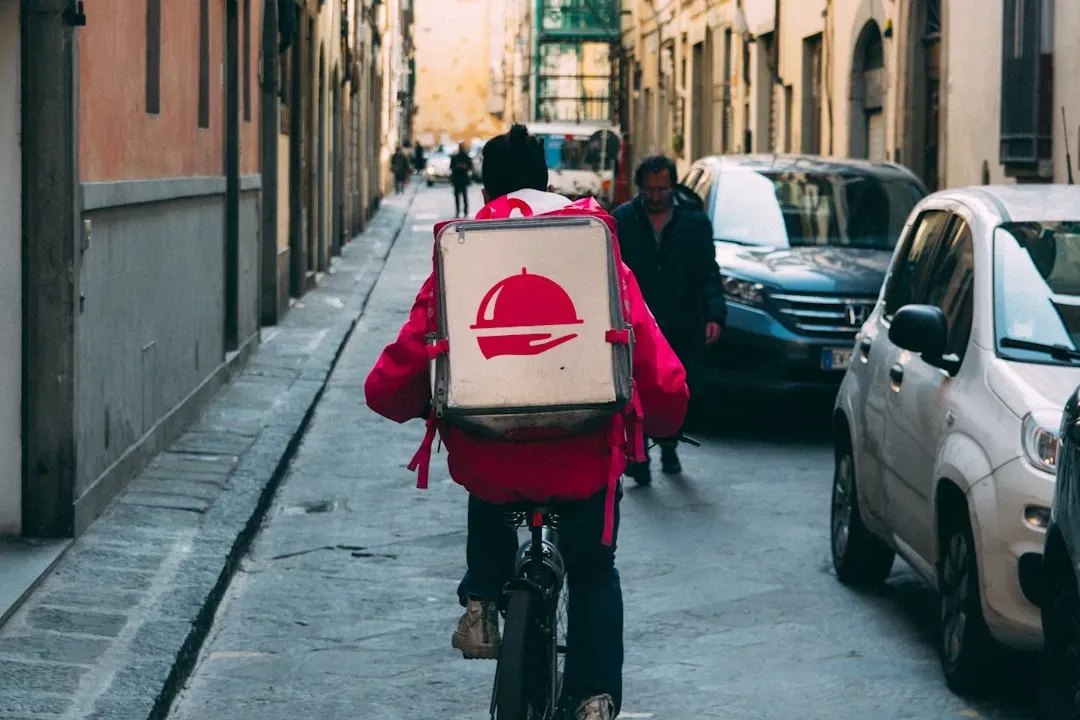
The trigger was mundane. I scrolled back through three months of one delivery app’s order history and added up the totals in my head, then did it again because I didn’t believe the first number. It landed close to the kind of figure that research groups like Empower have flagged as typical, where people spend an average of $118 a month on food delivery, making it the third highest non-essential monthly expenditure after travel and fine dining.
That statistic stuck with me because it wasn’t really about the food. It was about how invisible that spending had become, spread across dozens of small transactions that never felt like a big decision in the moment. Once I saw the pattern, the 60 day experiment felt less like a challenge and more like an overdue audit.
The hidden math behind every order
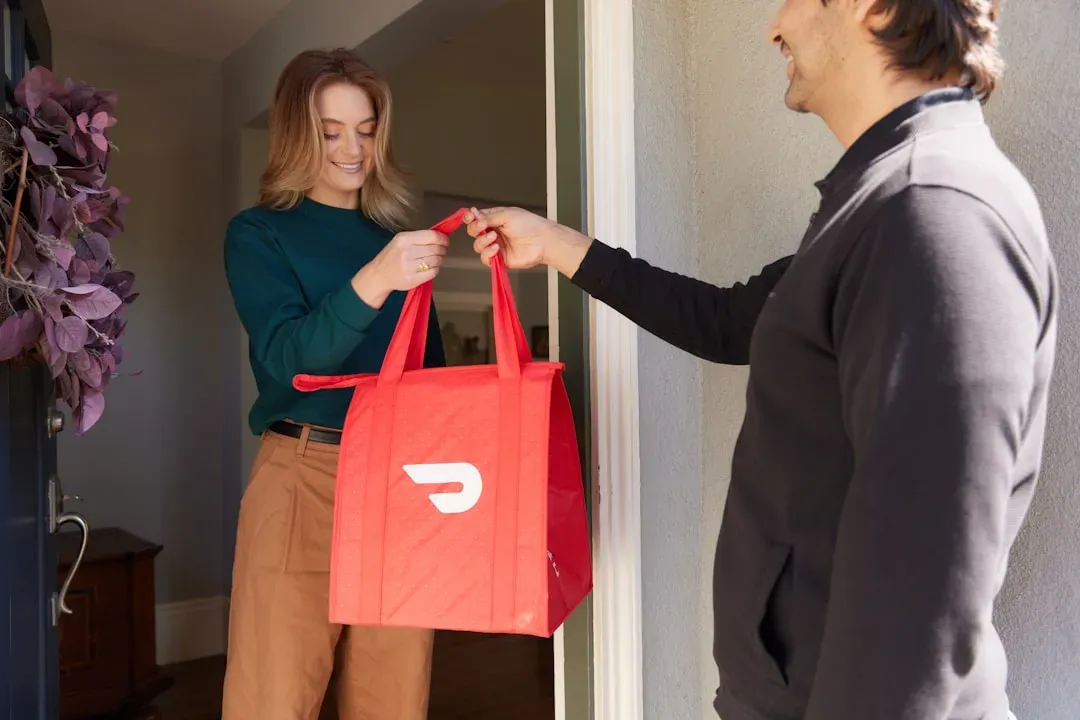
Before quitting, I hadn’t thought much about where the extra dollars on each order actually went. It turns out the menu price itself is rarely the real price, since the average outlay for some third-party delivery services is 20% higher than the menu costs for dining in, once you factor in service fees, delivery costs, and tips.
Restaurants aren’t exactly thrilled either, and that markup makes more sense once you see what platforms charge them. Commission rates commonly run between 15 and 30 percent depending on the marketing tier a restaurant selects, and once processing fees and required promotions are added, the effective cost to the restaurant often climbs even higher. That explains why the same burrito somehow costs several dollars more the moment it shows up on an app.
Week one: awkward, hungry, and a little annoyed
The first few days were the hardest, not because I was starving, but because my brain kept reaching for a habit that wasn’t there anymore. Around 7pm, my thumb would drift toward where the app icon used to be, and I’d catch myself standing in the kitchen with no real plan for dinner.
This tracks with something researchers have noticed about ordering behavior in general. Roughly half of consumers decide what to order within just 5 to 10 minutes of opening the app, which means the whole process was designed to be fast and nearly thoughtless. Removing that option meant I suddenly had to think ahead, something I clearly hadn’t been doing in months.
Learning the difference between hungry and bored
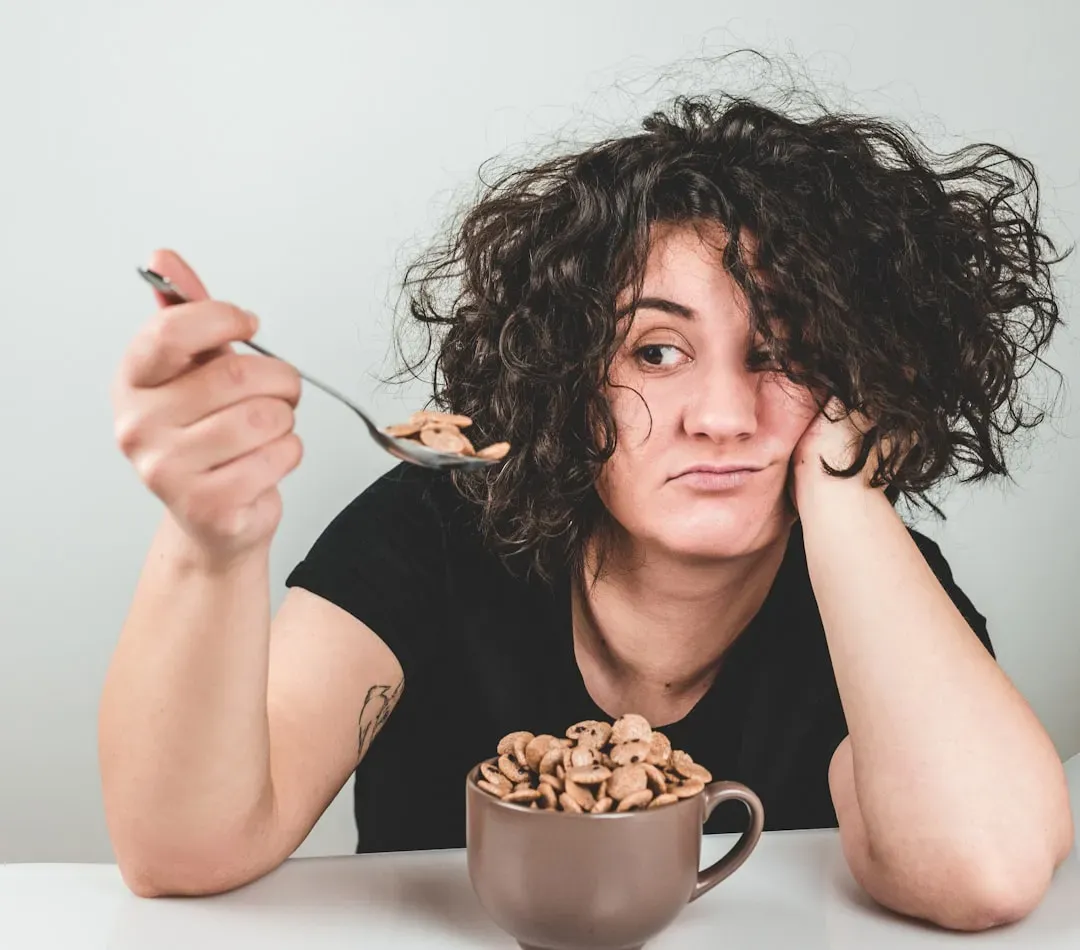
By the second week, a pattern emerged that surprised me. A good chunk of my old delivery orders weren’t really about hunger at all, they were about boredom, stress, or simply not wanting to deal with dishes after a long day.
This isn’t unique to me. Consumer surveys consistently show that decisions to order are impulsive rather than planned, since meal planning isn’t the norm for most consumers, with only about a quarter saying they plan meals days in advance. Once I noticed how often the urge to order had nothing to do with actual appetite, it became easier to talk myself out of it.
Rediscovering pickup as the quiet middle ground
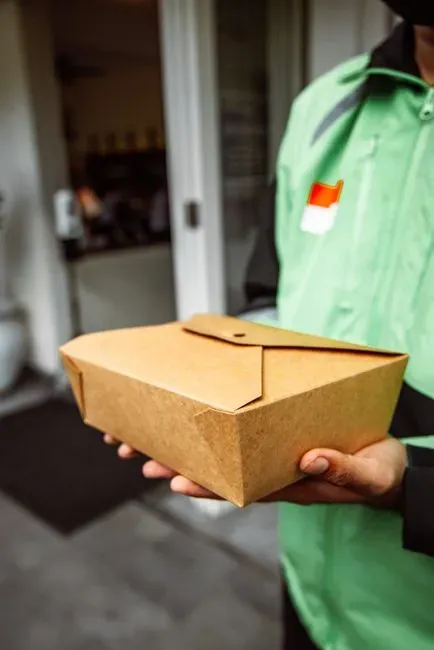
I didn’t cook every single night, and I want to be upfront about that. Instead, I leaned heavily on picking up food myself, which turned out to be far more common than I’d assumed.
Nationally, pickup actually beats delivery as the preferred method when people order out, with about 65% of consumers saying they opt to pick up orders themselves versus 35% who primarily use delivery, partly because takeout avoids delivery fees and can be quicker. Driving fifteen minutes to grab a curbside order felt almost old fashioned at first, but it kept me connected to the convenience of restaurant food without the app markup stacked on top.
The money I actually saved, and where it went
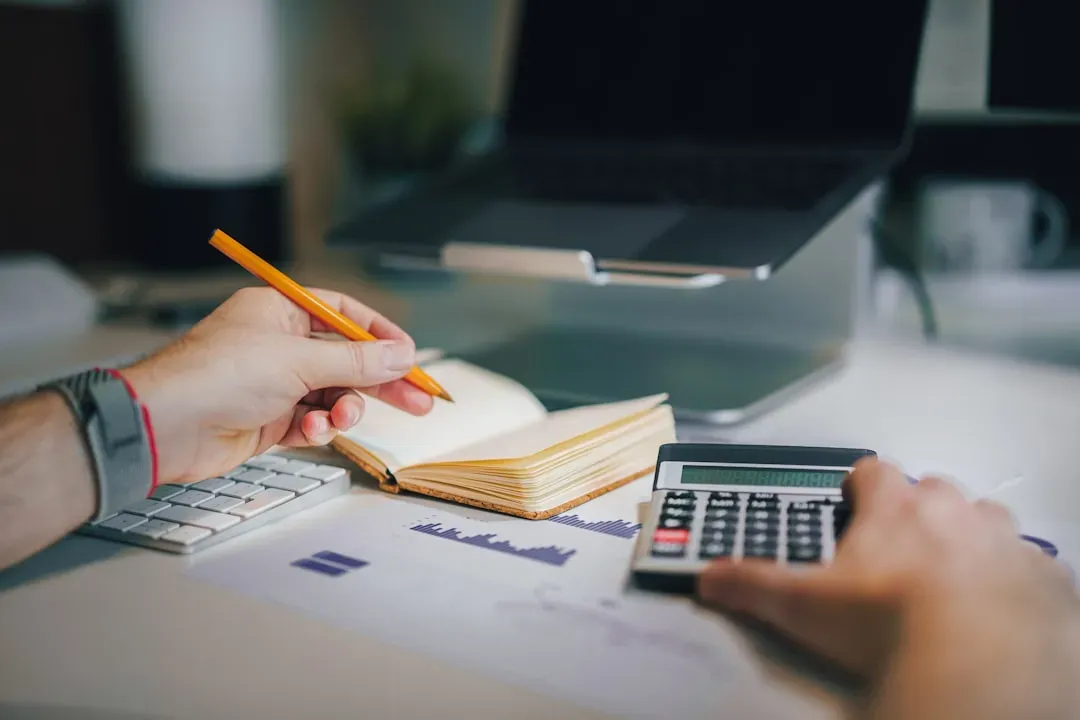
By the end of the first month, I’d stopped guessing and started tracking every dollar that would have gone to an app. The number wasn’t dramatic in a single week, but it added up in a way that felt meaningful by day sixty.
That lines up with broader research showing food delivery costs the average American close to $1,850 every year, a figure driven by frequent small orders rather than occasional splurges. Seeing my own version of that number on a spreadsheet, rather than as an abstract statistic, made the savings feel a lot more real.
The time trade-off nobody warns you about
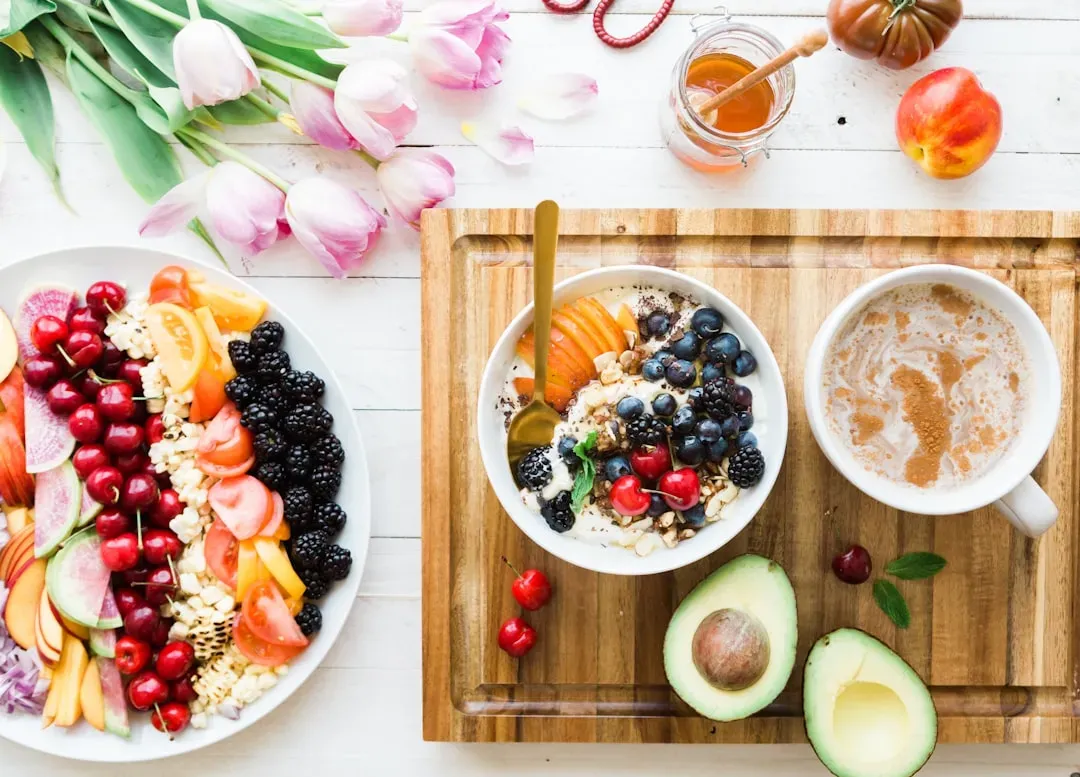
Here’s the part I underestimated. Cooking and picking up food both take time, and that time has to come from somewhere. Some evenings I genuinely missed the ability to order something in twenty minutes flat and get back to whatever I was doing.
Delivery’s biggest selling point has always been speed, and platforms lean into it heavily, with a large share of customers now expecting deliveries to arrive within 40 minutes or less. Losing that speed meant rebuilding a bit of my evening routine around actually planning meals, which took longer to adjust to than I expected.
What I noticed about my eating habits
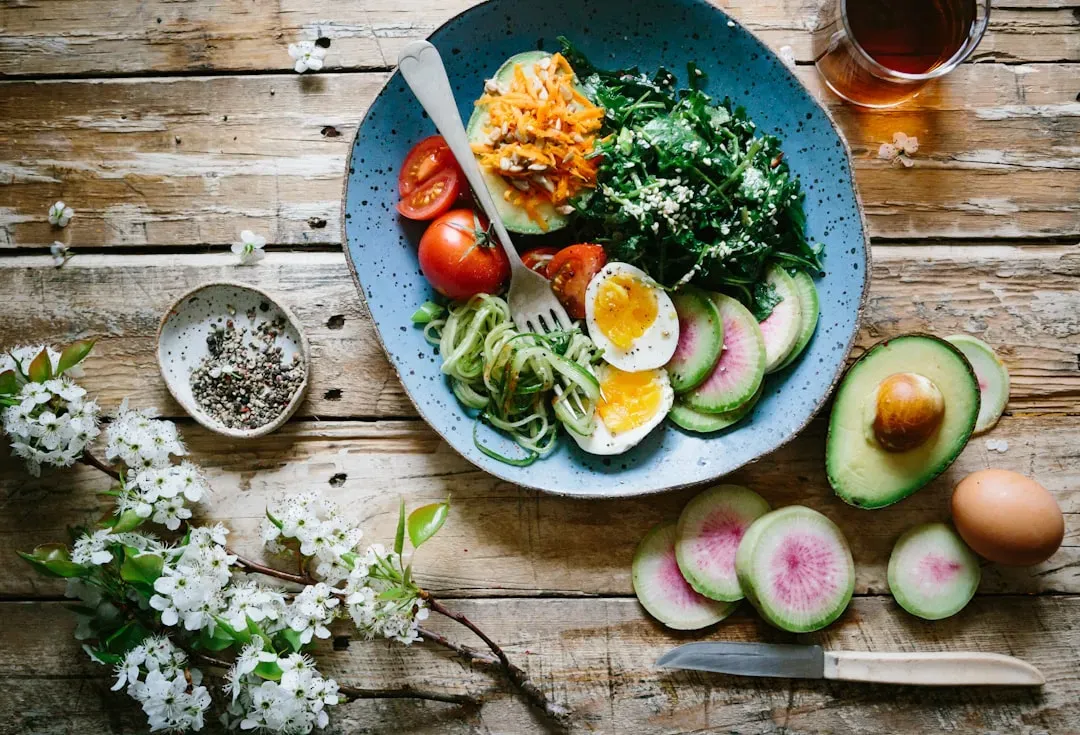
I wasn’t trying to eat healthier, but it happened anyway, mostly as a side effect of cooking more and ordering fewer indulgent late night meals. Fried food and heavy comfort meals had made up a bigger share of my delivery orders than I’d realized until I stopped having instant access to them.
This mirrors a broader shift researchers have tracked recently, where takeout and delivery frequency actually dropped for the average American between 2023 and 2024, as consumers ordered takeout roughly 3 times a month in 2024, down from 4.5 times the year prior, in part swapping takeout occasions for restaurant visits instead. My own experience felt like a personal, sped-up version of that same trend.
The social side effects I didn’t expect
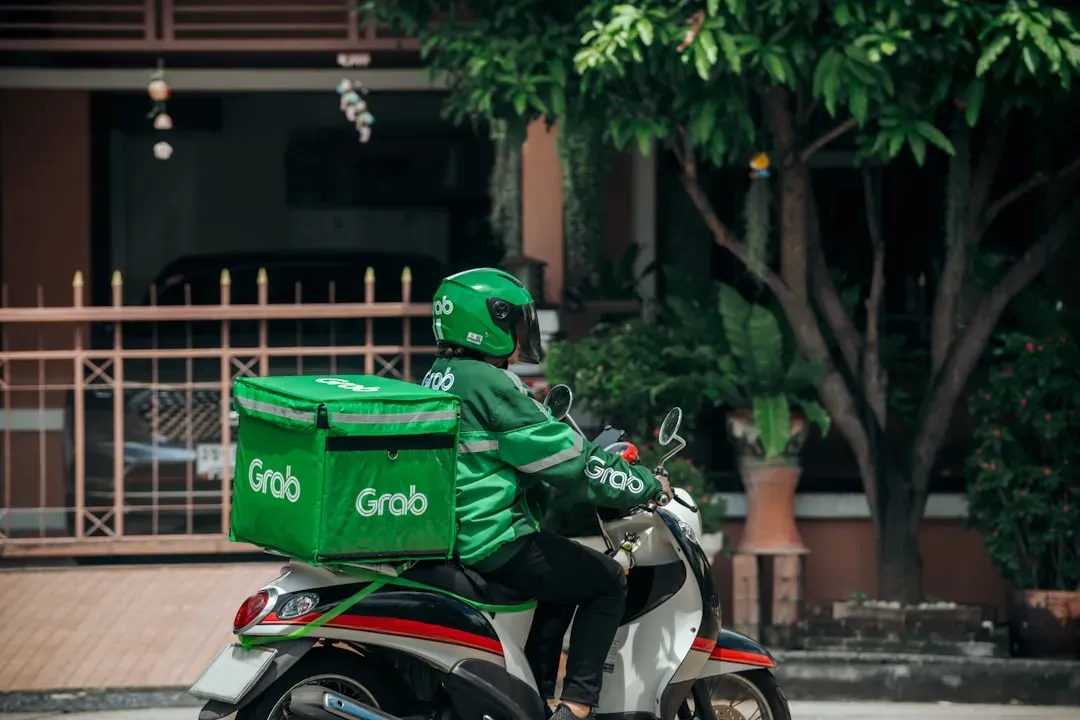
Not every delivery order in my life was solo comfort food. Some of it was tied to group dinners with friends who default to splitting a delivery order because it’s simply the path of least resistance when nobody wants to decide on a restaurant.
Saying no to that a few times felt oddly awkward, like I was opting out of something social rather than just skipping an app. It’s a small reminder that these platforms haven’t just changed how we eat, they’ve changed a bit of how we gather, especially since a notable share of consumers now say ordering delivery feels like an essential part of daily life rather than an occasional treat.
Where I landed after 60 days
I didn’t come out the other side swearing off delivery apps forever, and I think that’s the honest ending here. What changed is my relationship with the tap-to-order habit, and how automatic it had become before I paid attention to it.
I’ve reinstalled one app since finishing the experiment, mostly for the occasional lazy Sunday, but the daily reflex is gone. That alone feels like the real result of the sixty days, more than any specific dollar figure I tracked along the way.




Leave a Reply