
Trusting the Tuesday booking myth

For years, the advice was simple: book on Tuesday afternoon and you’ll beat the system. That idea has been repeated so often it hardened into folklore, but the data behind it has mostly evaporated. Modern airline algorithms update fares 24/7, sometimes 200+ times per day, which means the old Tuesday-at-3-PM approach effectively died years ago.
Even fresh 2026 research backs this up. Tuesday booking saves only 1 to 3 percent on average, which falls within the noise level of normal fare fluctuations. Frequent flyers have shifted their attention elsewhere, because chasing a specific weekday for booking simply doesn’t move the needle the way it once did.
Confusing the day you book with the day you fly

This is one of the most persistent mix-ups in travel advice. The cheapest day to fly is not necessarily the cheapest day to book, and mixing up the two can cost travelers money. People hear “book on a certain day” and assume it also means “fly on that day,” when the two pieces of advice come from completely different pricing mechanisms.
For actual departures, the picture is clearer. Tuesday, Wednesday, and Saturday departures consistently come out cheaper because business and leisure travelers flood flights around the weekends, driving prices up, while midweek and Saturday departures see less demand and get priced more competitively. On some routes the gap is significant: studies suggest Tuesday and Wednesday international flights can run 10 to 20 percent cheaper than peak-day departures, which matters most on long-haul tickets or for families traveling together.
Booking too far ahead of departure
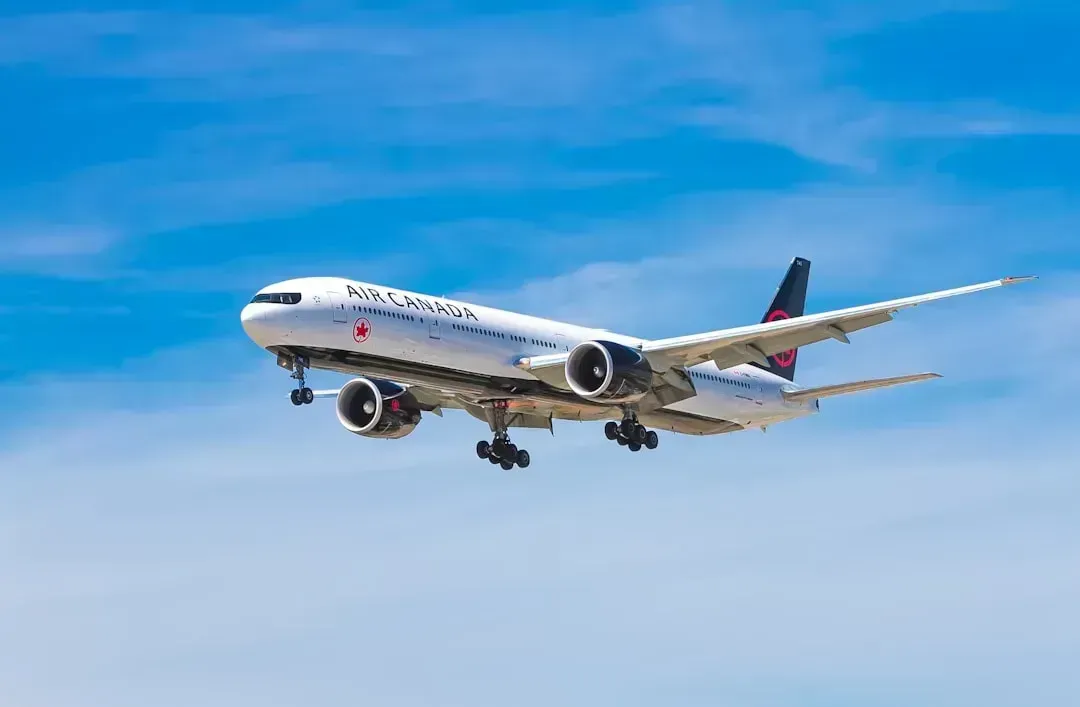
There’s a comforting assumption that booking early always locks in the best price. It doesn’t work that way in practice. There is a widely held belief that booking as far in advance as possible guarantees the lowest fare, but airlines release seats in fare buckets, and booking ten or eleven months out often results in paying full-fare rates because the airline hasn’t opened its discounted inventory yet.
The gap between an early booking and a well-timed one can be substantial. A domestic flight booked six months early at $480 can drop to $230 around two months before the trip. Frequent flyers tend to treat the first price they see as a starting point, not a final answer, and they check back rather than locking in immediately out of anxiety.
Waiting for a last-minute deal that rarely comes

The flip side of booking too early is assuming prices will crater right before departure. That gamble has gotten worse over time, not better. Last-minute deals exist in much smaller numbers than they did a decade ago, because airlines have become far more accurate at predicting load factors, meaning they rarely need to slash prices to fill seats at the last minute.
Fare trackers describe the pattern bluntly. Last-minute deals are mostly a myth, since prices typically rise in the three weeks before departure rather than fall, a pattern one flight deal site calls the Bargain Bin Trap, warning against waiting for a hypothetical deal when a good fare is already in front of you. The travelers who consistently pay less tend to book inside a reasonable window instead of holding out for a discount that increasingly doesn’t materialize.
Sticking to a single airline or booking site

Loyalty feels good, but it can be expensive when it turns into tunnel vision. Comparing airfares matters just like shopping for any other big purchase, because no single airline consistently offers the lowest prices, and taking the time to compare can unlock significant savings. Frequent flyers rarely commit to the first result they see, even from a site they trust.
Fee structures vary by airline too, which changes the real comparison. For budget airlines like Spirit and Frontier, add-on fees make up about 36 percent of revenue, compared with around 15 percent for full-service airlines like Delta and United. A fare that looks cheapest on one platform can end up pricier once every carrier’s actual fee structure is factored in.
Ignoring baggage and add-on fees until checkout
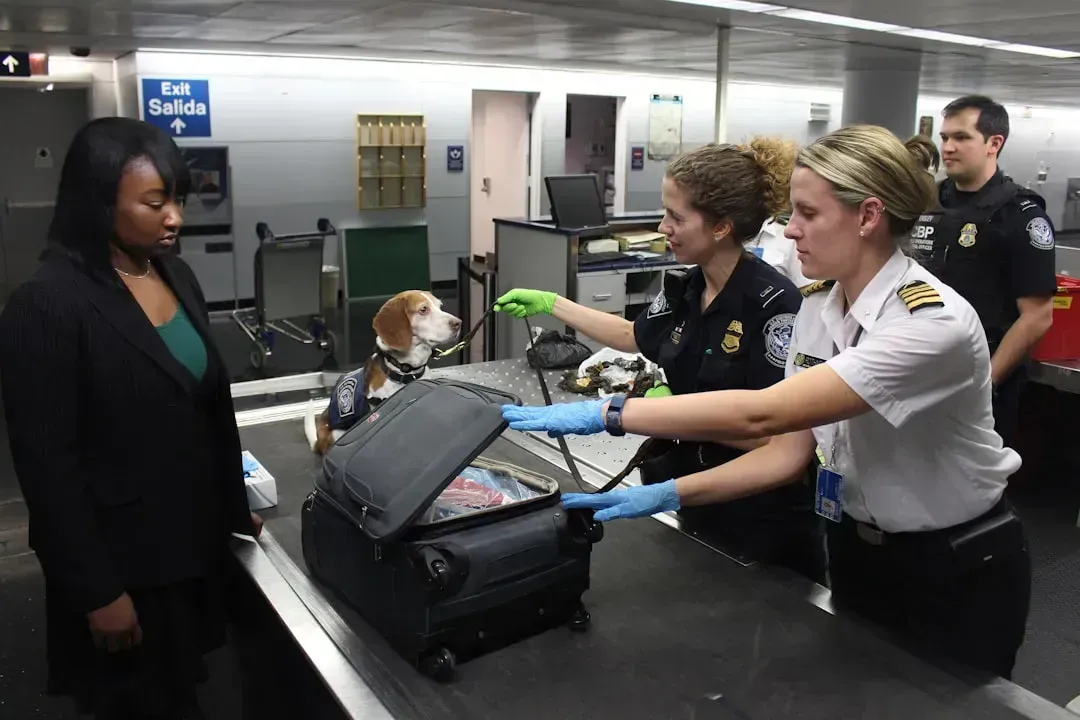
The advertised base fare is often just the opening number, not the real cost. What looks like a bargain airfare can quickly balloon in price once hidden fees are tacked on, and even experienced travelers get caught off guard because the base fare doesn’t tell the full story.
Bag fees specifically have climbed fast in 2026. Southwest raised its first-checked-bag fee to $45, up from $35, for tickets booked on or after April 9, 2026, a 28 percent increase in less than a year since the airline killed its bags-fly-free policy. Other carriers followed suit, and United, JetBlue, and Delta all hiked bag fees too, with JetBlue introducing surge pricing on luggage so a first bag can run as high as $59 on high-demand travel days. The fix frequent flyers rely on is simple: travel with a carry-on and a personal item, invest in a compact bag that fits under the seat, and that single decision can save $90 to $120 round-trip per person.
Locking in dates too early without checking a calendar view

Rigid dates are one of the fastest ways to overpay, even by accident. Treating departure and return dates as fixed from the outset is one of the more expensive habits in flight booking, since fare differences between adjacent days on the same route can run $80 to $200 or more, with a Tuesday departure instead of Sunday consistently cheaper across most major routes.
The tool most frequent flyers use to catch this is hiding in plain sight. One of the most underused features on flight search tools is the monthly calendar view, which shows fares across an entire month instead of a single date, and Google Flights does this well through its Date grid or Price graph view. Scanning that grid for even a few minutes often reveals a $50 to $100, or larger, difference between midweek and weekend departures.
Choosing the cheapest fare class without reading the rules

The lowest number on the screen isn’t always the smartest purchase. Basic economy and other rock-bottom fare classes often strip out flexibility entirely, and travelers rarely notice until plans change. The cheapest fare class on any carrier is almost always non-refundable and non-changeable, or carries steep change fees, so booking it without checking can end up costing significantly more than a mid-tier fare that allows free or low-cost changes.
This isn’t a niche problem either. Over 70 percent of Indian air travelers overpay on at least one element of their flight booking, according to a 2024 fare behaviour study, and the pattern shows up in booking habits worldwide. Reading the fare rules before checkout, specifically the refund policy, change fee, and baggage inclusion, takes under a minute and avoids most of these surprises.
Skipping price alerts and letting fares drift

Manually refreshing a search page over and over is inefficient, and frequent flyers largely stopped doing it years ago. Instead, they let automated tools do the watching. Going monitors thousands of routes around the clock and notifies users when fares drop to prices worth booking, meaning travelers don’t need to check constantly.
The reasoning behind this shift is straightforward. There’s no magic day of the week that unlocks cheaper fares, so what matters far more is booking within the right window for the trip type, staying flexible on dates, and acting fast when a good price appears, since prices are just as likely to rise tomorrow as they are to fall. Setting an alert and waiting for it to fire beats obsessive manual checking almost every time.
Booking connections too tight to save a few dollars
Shaving a little off the fare by picking the shortest possible layover can backfire in ways that cost far more than money. Tight connections are a common pitfall, and booking less than an hour between domestic flights, or under two hours for international connections, leaves little room for delays and increases the risk of missing the next flight.
This risk has grown more relevant lately, not less. Flight disruption rates remained elevated through 2025 and into 2026, driven by air traffic control staffing shortages across North America and Europe, and travelers without coverage during multi-day disruptions absorbed costs that a basic travel insurance policy would have covered for a fraction of the price. A slightly longer layover, or a travel credit card that already includes delay protection, often turns out cheaper in the long run than the tightest connection on the board.
Final thoughts






Leave a Reply