
A dog park looks simple from the parking lot. There’s a fence, a double gate, a patch of worn grass and a crowd of dogs doing what dogs do. Yet anyone who visits regularly will tell you that most trouble comes from small habits, not from the dogs themselves.
Veterinarians, trainers and city park departments have been fairly consistent about the etiquette that keeps these spaces safe. Here are eight behaviors that regulars say cause the most friction, along with the reasoning behind each one.
Bringing a Dog That Isn’t Fully Vaccinated

Dog parks are shared spaces, so diseases move through them easily. Veterinary groups such as the American Animal Hospital Association list rabies, distemper, parvovirus and adenovirus as core vaccines for dogs. Many municipal parks require proof of current vaccination before you can even get a permit.
Skipping shots puts your dog at risk, and it puts everyone else’s dog at risk too. Some diseases, such as parvovirus, can survive in the environment for a long time, so a single infected dog can contaminate the ground. If your dog is coughing, sneezing or has diarrhea, staying home is the polite choice.
Taking a Young Puppy Too Early
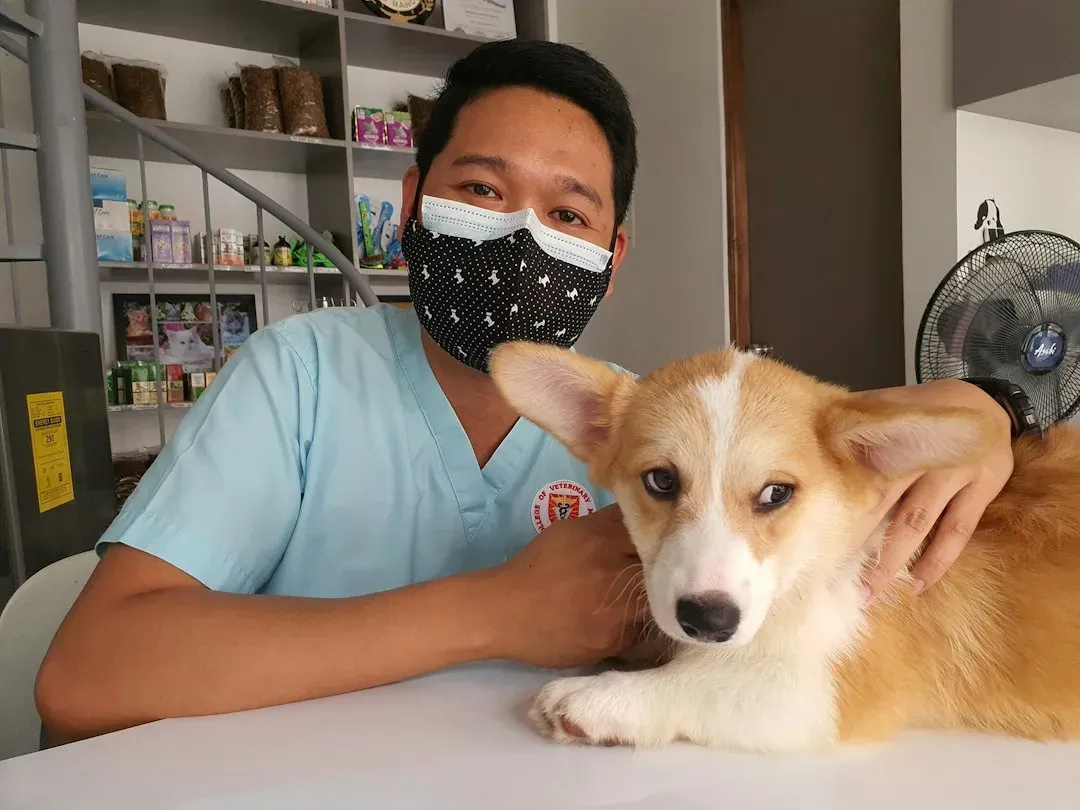
It’s tempting to introduce a new puppy to the world as soon as you bring them home. However, puppies usually finish their core vaccine series at around sixteen weeks of age, and vets generally advise avoiding high traffic dog areas until then. Their immune systems are still developing during that gap.
There’s a behavior side to this as well. A small puppy thrown in with big adult dogs can have a frightening first experience that shapes how they react to other dogs later on. Puppy classes and controlled playdates with known, vaccinated dogs are a gentler way to start.
Leaving Waste Behind
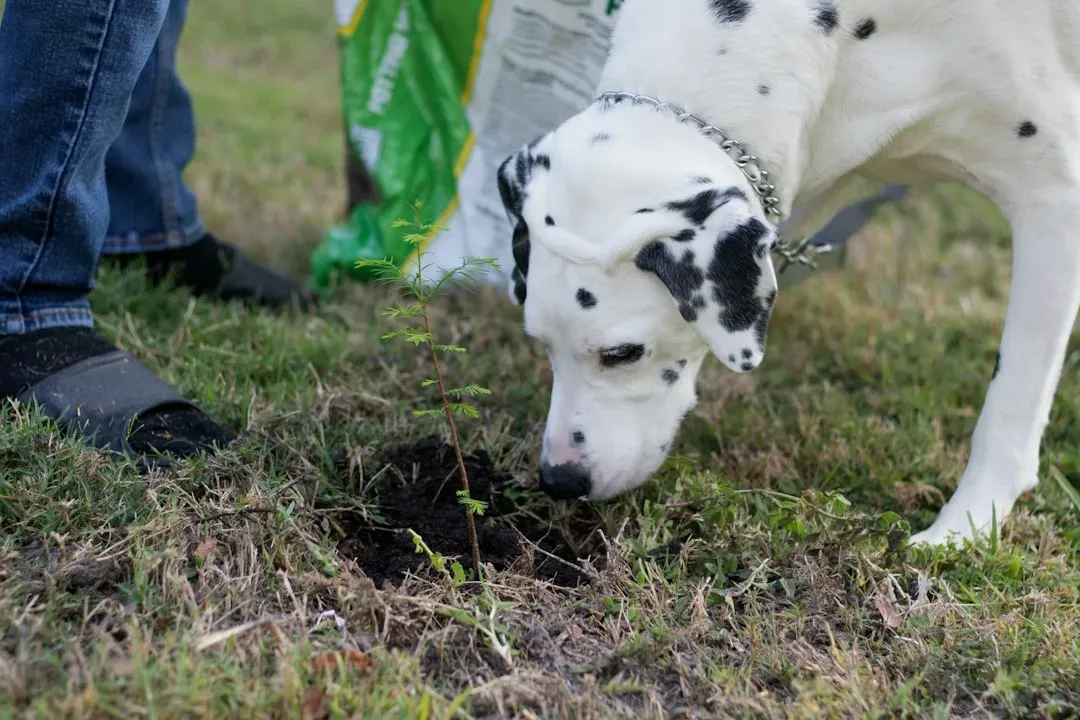
This is the complaint you’ll hear most often. Dog feces can carry parasites such as roundworms and giardia, and those can spread to other dogs through contact with contaminated grass or water. The U.S. Environmental Protection Agency has also noted that pet waste can contribute to water pollution when it washes into storm drains.
Most parks provide bags and bins, but plenty of owners still bring their own. A small holder clipped to your leash makes it easy to always have one ready. If you’re watching your dog properly, you’ll see what happens and clean it up right away.
Carrying Food and Treats Into the Play Area
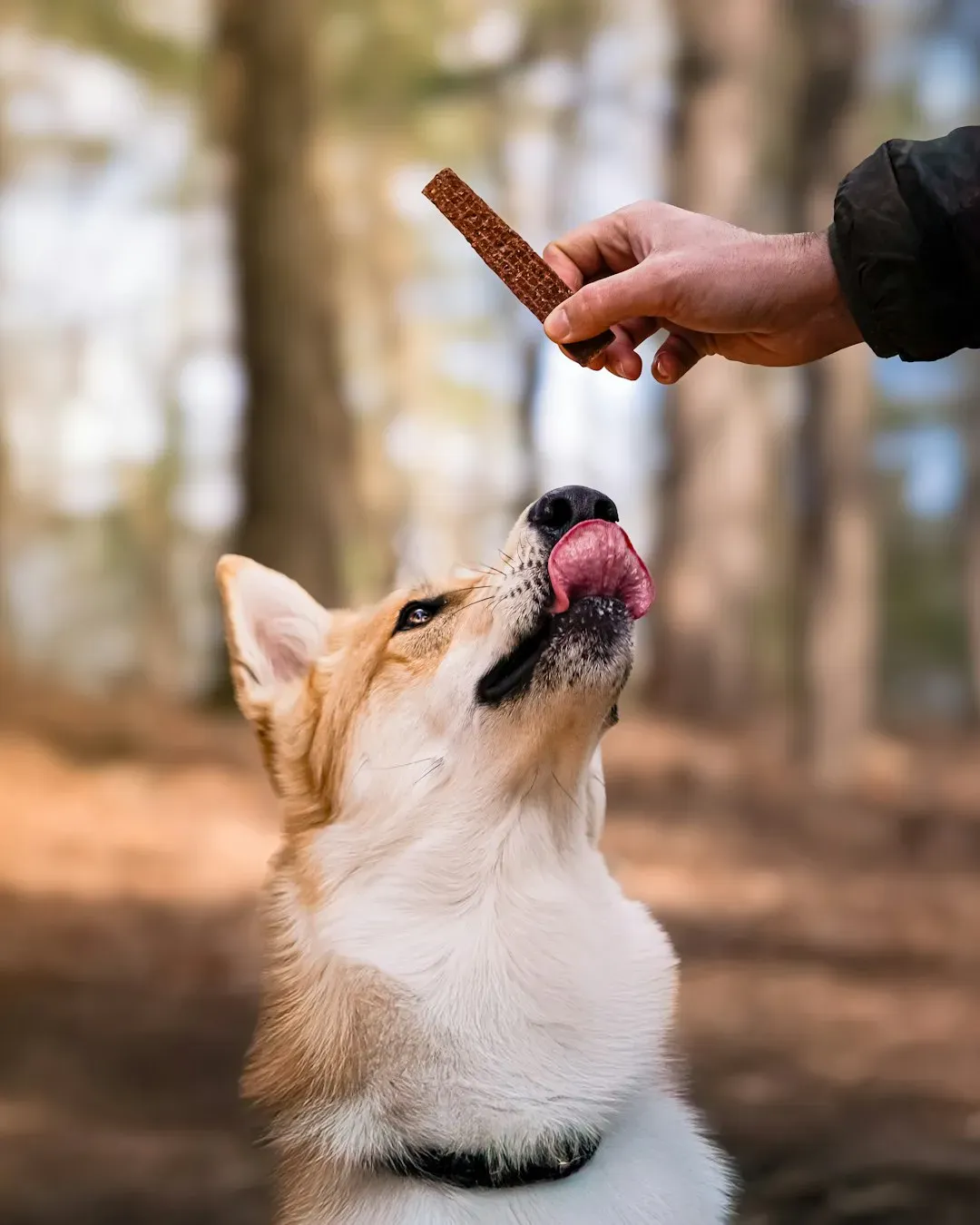
Treats feel harmless, especially if your dog is well trained and you’re using them for recall. In a group, though, food changes the mood quickly. Dogs who normally play well can become pushy or possessive when something tasty appears, and resource guarding is a common trigger for scuffles.
Many parks post rules against bringing food into the enclosure for this reason. Kids can also cause trouble by offering treats to strange dogs, which owners may not want, especially if a dog has allergies or a restricted diet. Keep treats in a sealed pocket or leave them in the car.
Scrolling on Your Phone Instead of Watching Your Dog

Dog play can escalate in seconds. A stiff posture, a raised lip or repeated mounting are early signs that a session is going sideways, and they’re easy to miss if you’re looking at a screen. Trainers commonly stress that supervision is the owner’s job, not the fence’s.
Being attentive also means knowing where your dog is. You should notice if they’re cornered, bullying another dog or heading for the gate. Other owners tend to notice distracted people quickly, and they often end up stepping in to handle problems that aren’t theirs.
Bringing a Dog With Aggression or Serious Fear
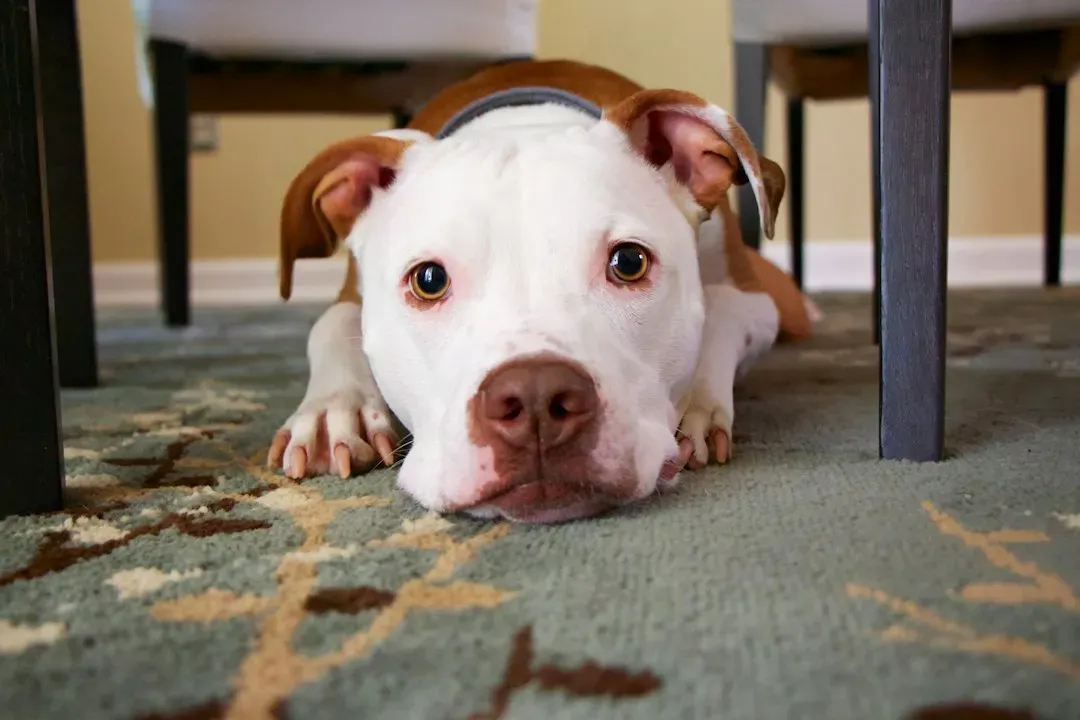
A dog park isn’t therapy for a dog who struggles around other dogs. Behavior professionals often say that an off leash environment full of unfamiliar animals can make fear or reactivity worse, not better. A dog who growls, lunges or freezes near strangers is telling you that this setting is too much.
That doesn’t mean your dog can’t have a good social life. Private fields, quiet walks with one compatible friend or a rented fenced yard can offer safer exercise. Being honest about your dog’s limits protects them as much as it protects everyone else.
Bringing Small Children Into the Enclosure
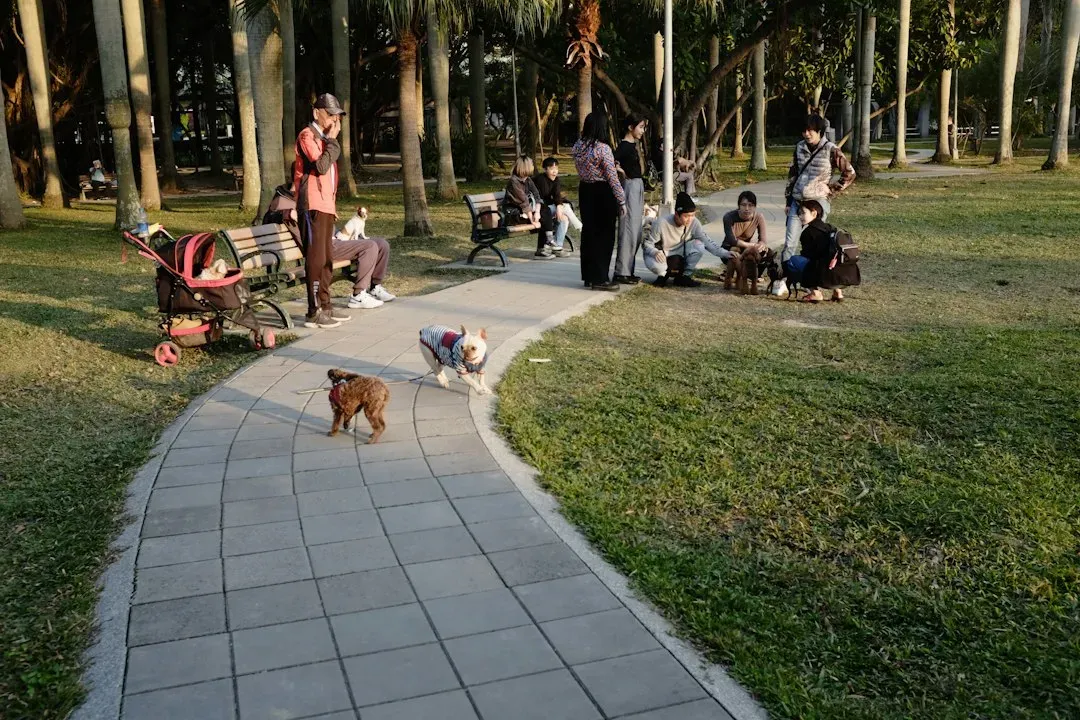
Many dog parks restrict or ban young children, and the reason is practical. Dogs running at full speed can knock a small child over without any bad intent, and kids’ sudden movements or high voices can excite or unsettle dogs. Strollers and toys add to the chaos.
Age limits vary from city to city, so check the posted rules at your park. Even when children are allowed, an adult should stay close and keep them from approaching dogs they don’t know. It’s also worth remembering that the other owners didn’t sign up to supervise your kid.
Bringing a Female Dog in Heat
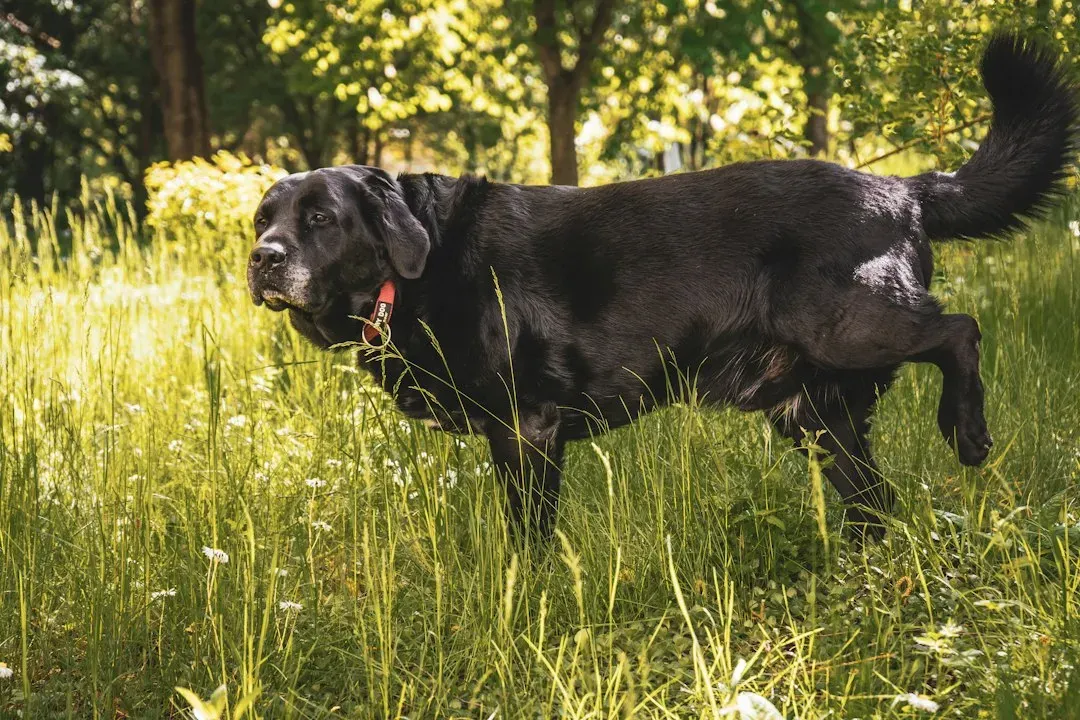
A female dog in heat can create tension almost immediately. Unneutered males may become fixated, and conflicts between male dogs can break out as they compete for her attention. There’s also the obvious risk of an unplanned litter.
Veterinarians generally advise keeping a dog in season away from public dog areas for the whole cycle, which typically lasts a few weeks. Walks on a leash in quiet areas and games in your own yard keep her active without causing problems. Spaying is another option you can discuss with your vet if this comes up regularly.





Leave a Reply