
The headline’s “70%” figure is a catchy shorthand. We couldn’t find a study that ranks retirees that precisely, so treat it as a rhetorical hook. What the research does show is that staying connected to certain kinds of friends is linked to better health and well-being after work ends. It also shows that many people let some of those ties slip.
Below are the types of friends worth holding onto, and what the evidence says about each. Most of the findings are associations, not guarantees. They’re still worth taking seriously.
Why Friendships Matter More Than Many Retirees Expect
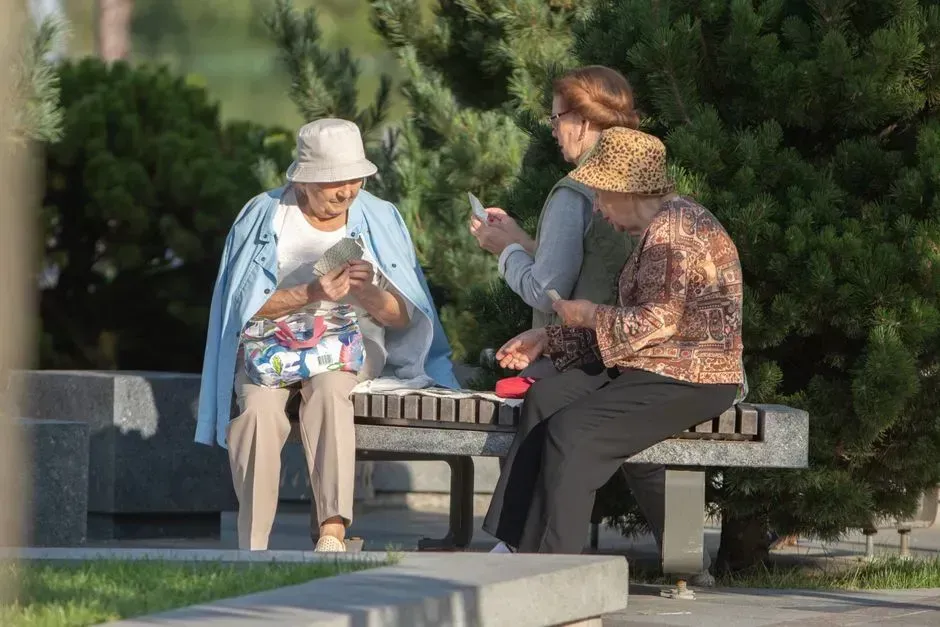
Retirement planning usually centers on money. An Australian study of two nationally representative samples of retirees found that social connectedness predicted mental and physical health on average four times more strongly than financial security did. That’s a striking comparison, though it’s a statistical association and not proof of cause.
The same researchers argued that financial security matters partly because it enables social connectedness, which is critical for healthy ageing. In other words, a comfortable nest egg helps, but the people around you are doing a lot of the heavy lifting.
The Neighbors Who Wave Back

Neighbors are easy to overlook as friends. Yet a 2025 study in The Journals of Gerontology: Series B found that retirement stimulates contact primarily with neighbors and friends. The researchers suggested that retirees try to replace lost workplace interactions by increasing contact with neighbors.
The data came from a Dutch panel of 5,238 adults aged 60 to 65 followed through retirement. Proximity makes these friendships low effort. A short chat over the fence or a shared walk can keep them going.
Former Coworkers Who Became Real Friends

Work friends often fade once the shared office is gone. The same Dutch study found that contact with ex-coworkers initially increases after retirement but then decreases over time. So the early burst of lunches and calls doesn’t always last.
That makes the colleagues you still hear from a few years in a bit special. Separate research on older adults noted the value of long-term friendships made through the workplace, groups, interests and volunteering, especially prior to retirement. Those who kept such ties tended to adjust better.
Old Friends From Earlier Chapters of Life
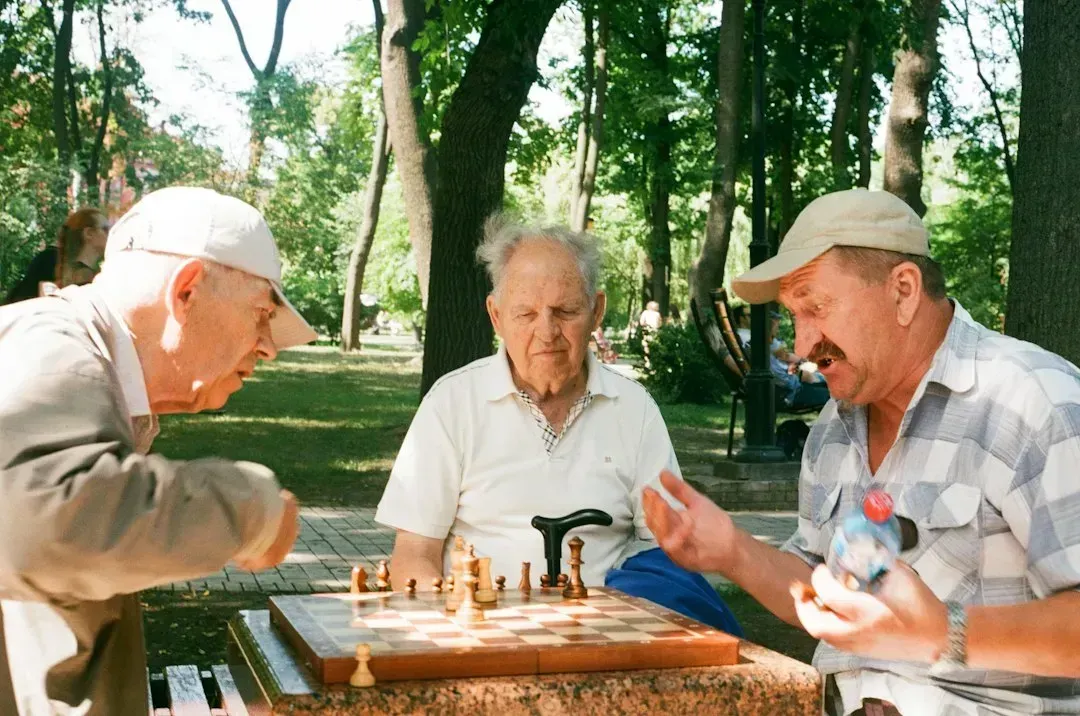
Friends from school, early jobs or young parenthood carry shared history that newer acquaintances can’t replicate. The National Institute on Aging says that meaningful social connections provide tangible health benefits for older adults. A Virginia retiree publication drawing on that guidance encourages rekindling old friendships or forming new ones.
Cornell researchers added a longer view in 2025. They reported that the cumulative effect of social advantages across a lifetime, including friendship and community engagement, may slow the biological processes of aging. They were careful to say that a single friendship or volunteer stint can’t turn back the biological clock. Still, decades of connection appear to add up.
Friends Who Share a Hobby or Cause

Activity-based friends keep you moving and engaged. According to the NIA, older adults who stay mentally and socially active tend to have lower rates of depression and cognitive decline. A walking group, choir or book club gives the friendship a built-in reason to meet.
Volunteering works similarly. Research on older adults notes that volunteering is a pathway for creating new social connections and easing loneliness. If you’re short on friends, shared purpose is a good place to start.
Friends Who Stay Close After Life Changes

Friendships can matter even more when life shifts. Researchers presenting Health and Retirement Study work in 2023 examined how friendship moderates the link between widowhood and cognition. That’s a reminder that friends can act as a buffer during loss.
Circumstances shape contact too. The Dutch study found that not having a partner weakened the association between retirement and contact with friends and ex-coworkers. If you’re single in retirement, reaching out deliberately may matter more.
What Losing These Ties Can Cost Your Health

The flip side is worth knowing. The American Heart Association has reported that poor social relationships could raise the risk of heart disease by 29% and stroke by 32%. That figure comes from a 2022 source, and it describes risk, not certainty.
Other sources link strong friendships to longer life, better cognition, and lower depression risk. Keep in mind that healthier people may also find it easier to keep friends, so the relationship likely runs both ways.
Simple Ways to Keep Friendships Going

Consistency beats grand gestures. A standing monthly call, a weekly coffee or a shared walk gives a friendship rhythm without much planning. Because contact with ex-coworkers tends to fade, it helps to schedule those catch-ups before they lapse.
It also helps to build habits before you retire. Older adults in one study who were actively involved before retirement were more able to adjust to the change and could support others afterward. If you’re already retired, it’s not too late to join a group or volunteer.
Conclusion
No one can say exactly what share of retirees keep up these friendships, so the “70%” claim is best read as encouragement. The research is clearer on the bigger point. Friends, neighbors, former colleagues and activity partners are linked to better health and an easier transition into retirement.
If you still have these people in your life, you’re protecting something valuable. A short message today to one of them is a good place to begin.


Leave a Reply