
There’s something disarmingly sweet about waking up to find a cat draped across your chest, curled in your lap, or tucked against your legs. Most people smile and don’t ask too many questions. But the behavior is more deliberate than it looks, and veterinarians have quite a bit to say about it.
Many cat owners assume their pets are just looking for a soft spot, but there is much more to it. A cat’s choice to sleep on you combines instinct, emotion, and habit, revealing much about how it sees you. Understanding the real reasons behind this behavior can change the way you think about your relationship with your cat entirely.
It’s One of the Clearest Signs of Trust a Cat Can Offer
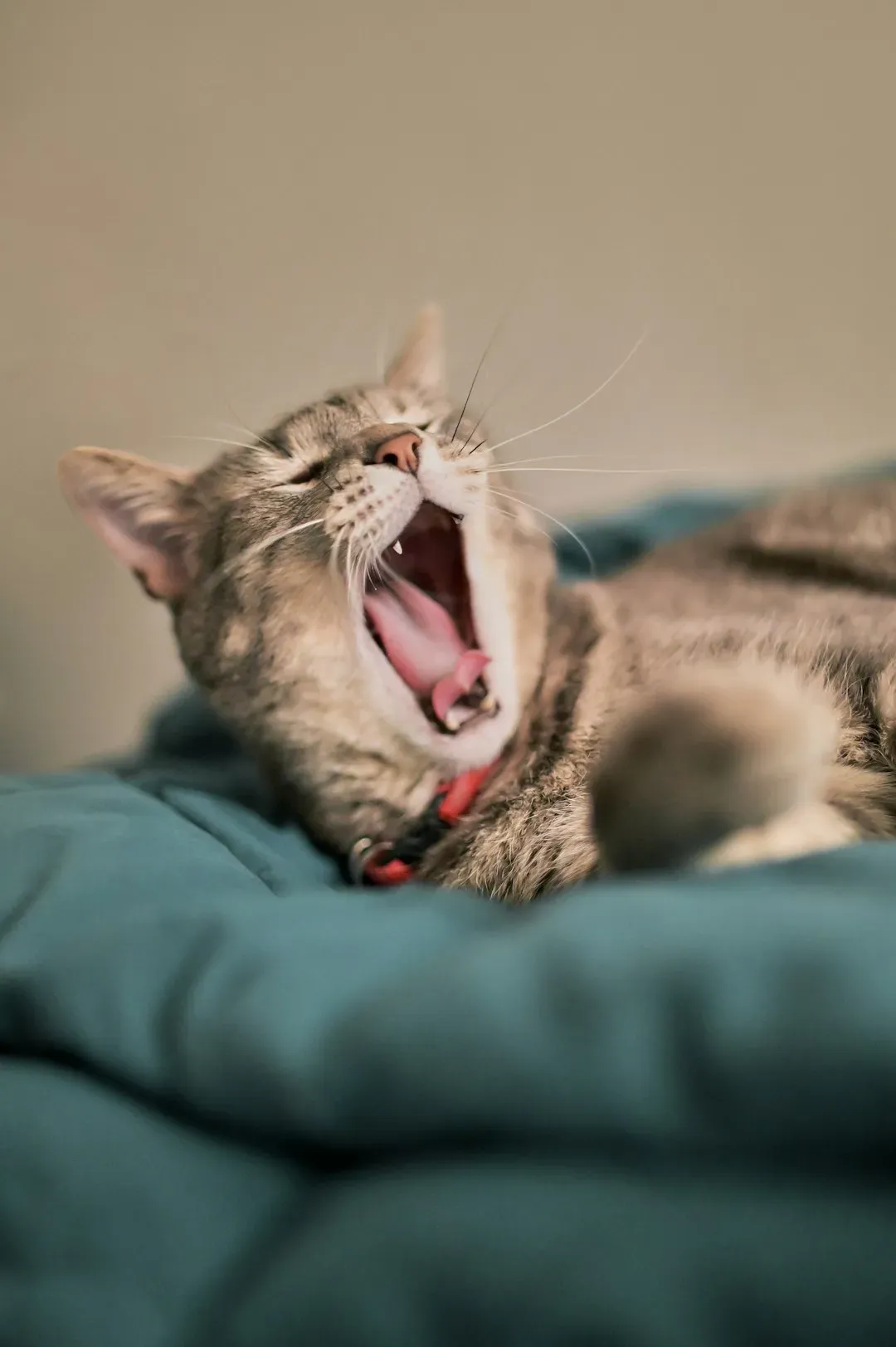
Cats are naturally cautious creatures, and choosing to sleep on your chest means they see you as a safe place. During sleep, cats are at their most vulnerable. By resting on you, they’re saying they feel secure and protected.
When a cat sleeps on your head or body, it’s an indication of trust, since a cat is most vulnerable to predators when sleeping. The spot where they choose to rest may be where they feel the safest, trusting you to keep them from harm. It’s a quiet but profound vote of confidence from an animal that doesn’t give those out easily.
Your Body Heat Is a Big Part of the Appeal
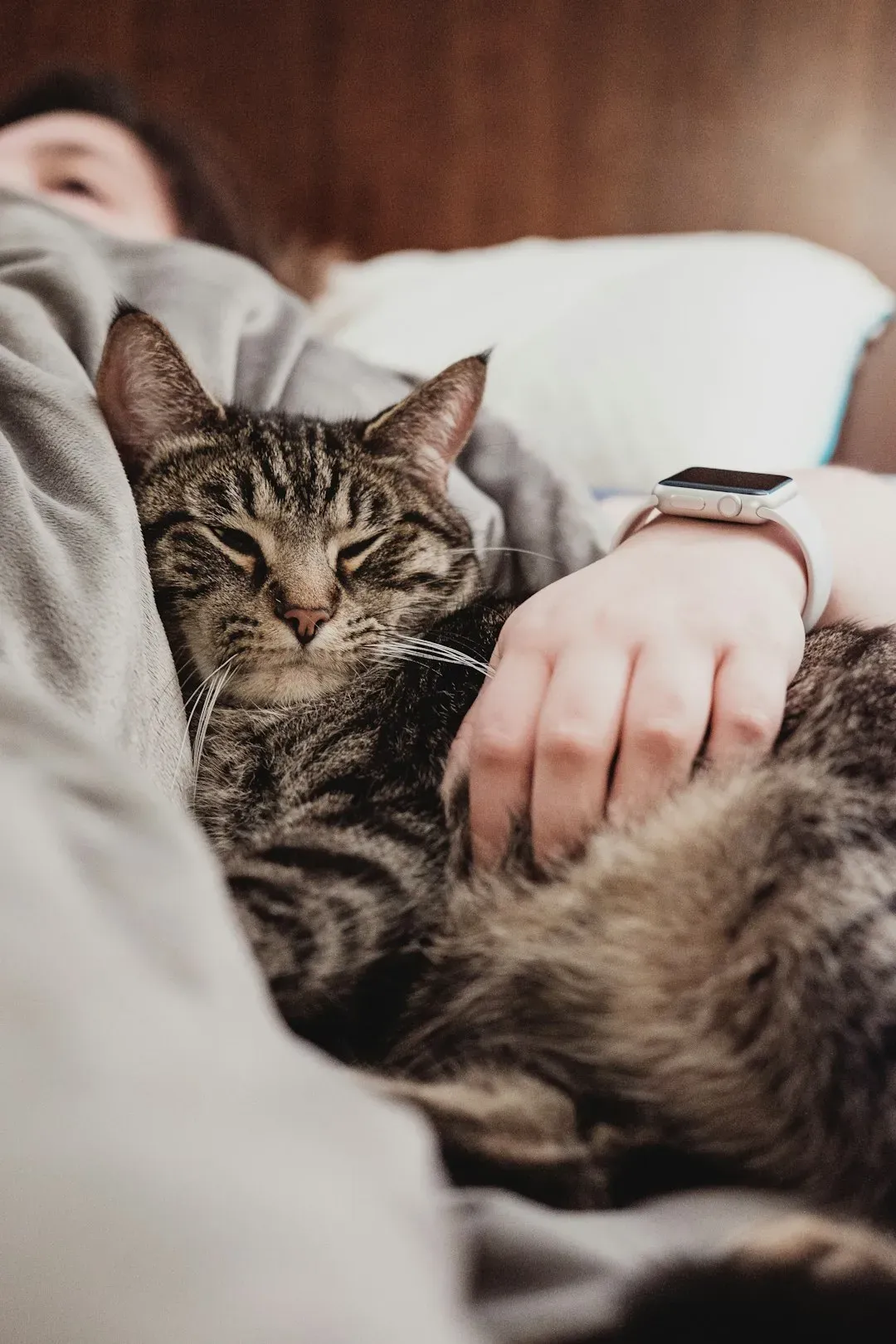
One of the simplest reasons your cat sleeps on you is also one of the most powerful: warmth. Cats naturally seek out warm, cozy spots because their bodies are built to conserve heat. When you’re lying still, your chest, lap, or feet become a steady source of gentle warmth that helps your cat maintain a comfortable body temperature with very little effort. On a chilly night, your blanket traps that heat, turning you into a living heating pad.
A cat’s normal body temperature is up to 102 degrees Fahrenheit, which is why you can typically find your feline friend snoozing in a sunny window or crammed in a box, to soak up as much warmth as they can get, which includes using you for your body temperature. This is especially true for smaller or short-haired cats, which can lose warmth more quickly and may rely on warm surfaces to stay comfortable.
Sleeping on You Echoes Kittenhood Instincts
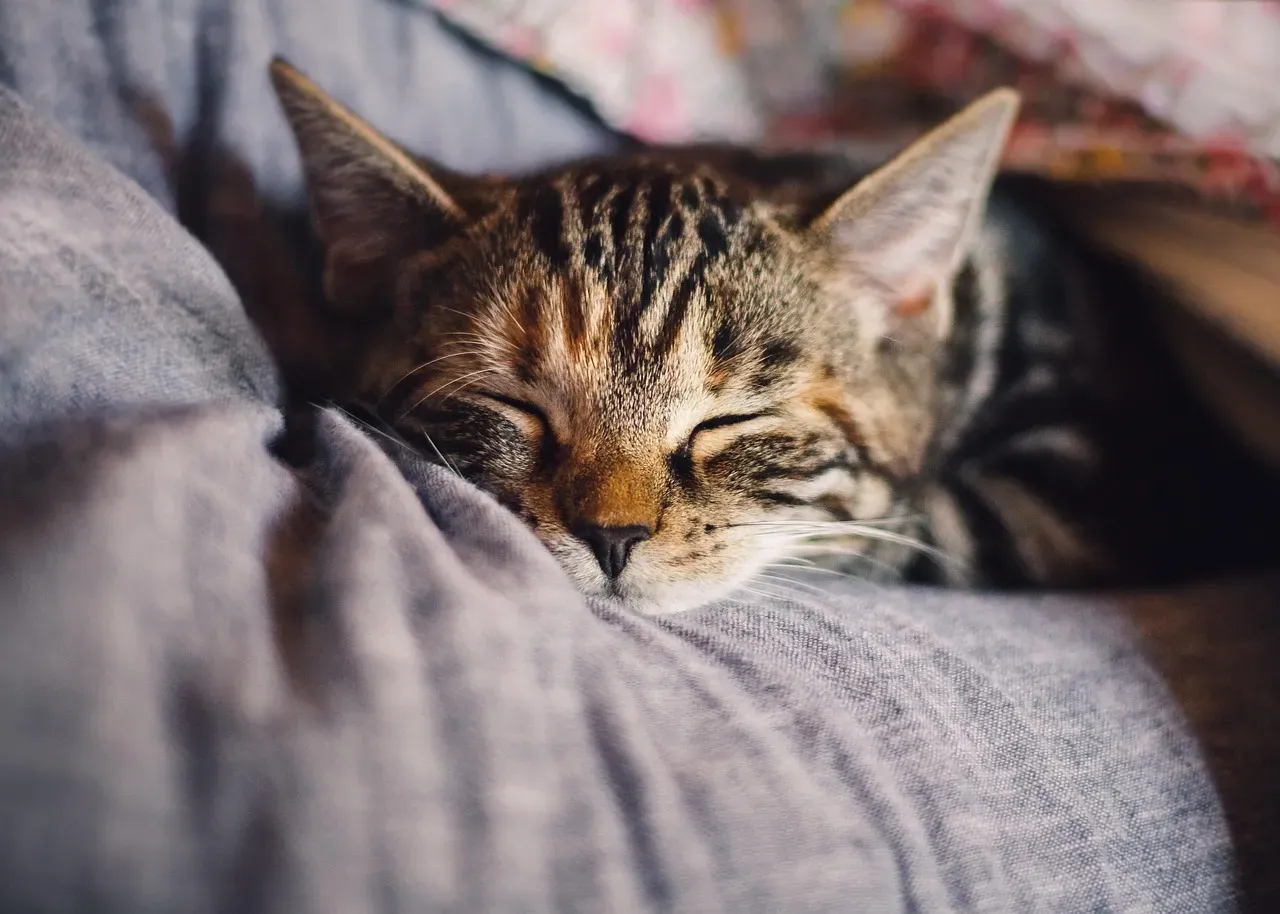
If your cat chooses to sleep on your chest, it is placing itself right over your heart and lungs, where there is steady movement and sound while you sleep. This behavior mirrors kittenhood, when young cats pile up close to their mother to hear her breathing and feel the rise and fall of her sides.
Your cat also enjoys the rhythmic sound of your heartbeat and breathing. These steady sounds can remind them of the soothing purrs and warmth they felt as kittens snuggled with their mother and littermates. Your chest provides both comfort and familiarity, which promotes relaxation and strengthens the emotional connection between you and your cat.
It’s Also a Form of Scent Marking
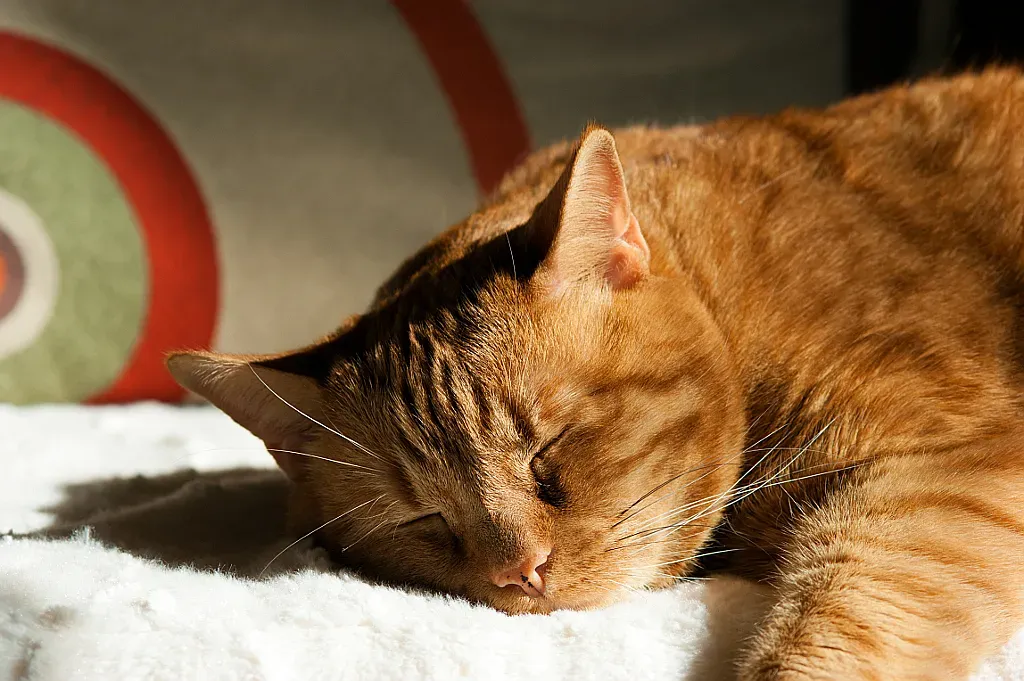
Cats like to claim their territory by marking it with their scent. When they sleep on top of you, they may be marking you as theirs. This might sound possessive, but veterinarians generally view it as a gesture of belonging rather than dominance.
Cats are territorial creatures. When they sleep on you, they might also be marking you, subtly claiming you as part of their territory through scent exchange. Their body oils contain pheromones that signal ownership, bonding, and familiarity. This form of territorial behavior isn’t possessive in a negative sense; it’s actually a sign of affection and inclusion.
Where They Choose to Sleep on You Actually Matters
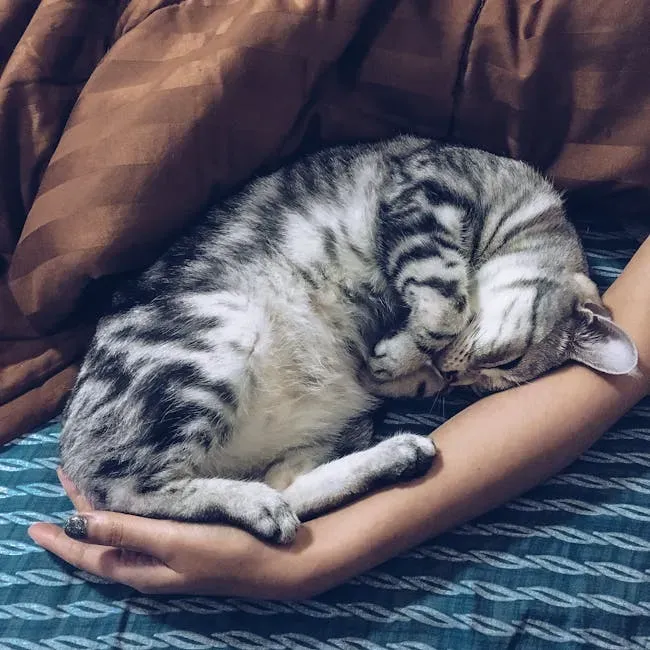
According to research, a cat’s sleeping position can reveal the depth of their attachment. Cats that sleep directly on their owner’s chest, head, or against their body exhibit behaviors indicative of a strong social bond, while those who choose a more distant sleeping spot, like the feet, may still be bonded but prefer a level of independence.
Feet are a popular place for a cat nap because it’s a spot where they might feel connected to you, but not one where they might be trapped. Sleeping on your feet can allow for an easy exit if they need it. If your cat likes to sleep near your head, it’s probably because your body releases a lot of heat from there while you sleep, making it extra cozy. You also don’t move your head much in your sleep, so your cat knows they’re less likely to get disturbed up there.
It Can Signal Emotional Bonding on a Deeper Level
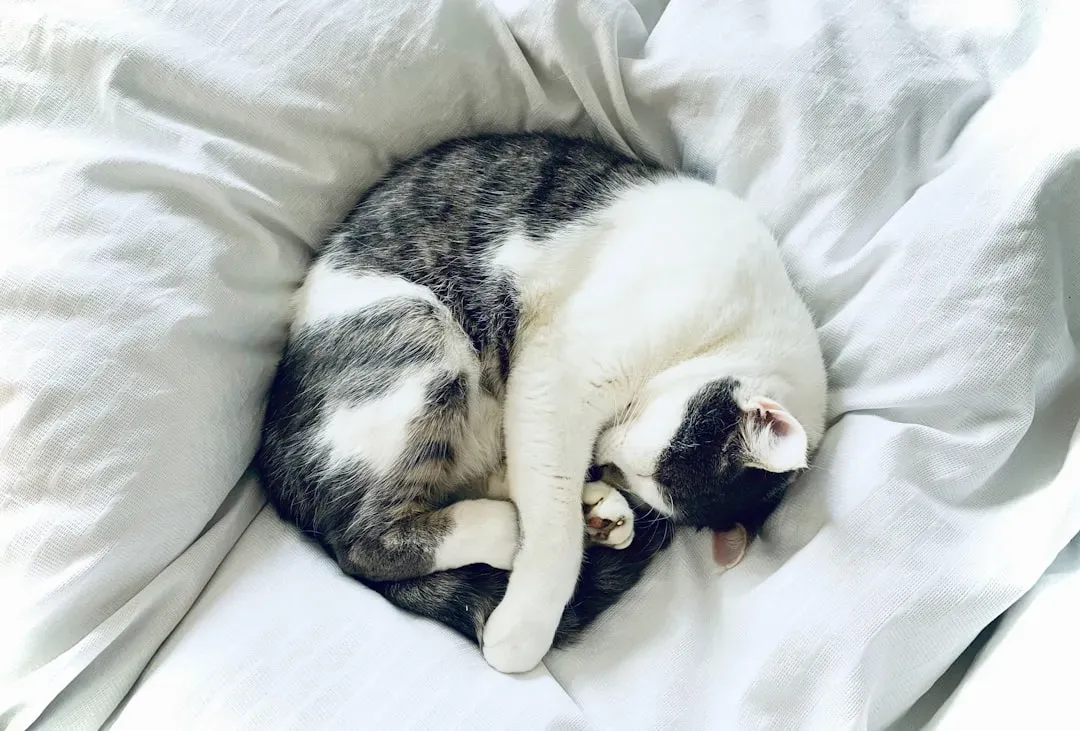
Perhaps the most heartwarming reason your cat sleeps on you reflects the remarkable strength of your human-animal bond. Cats can form genuine attachment bonds with their human caregivers, viewing you as their primary source of comfort and security. When your cat chooses to sleep on you, they’re offering a profound display of trust and love.
Some behavior researchers and veterinarians explain that cats form attachment bonds with people in a way similar to how children bond with caregivers. Those who sleep close to their humans are displaying trust and emotional comfort, similar to how bonded cats rest near or against each other. It’s worth noting, though, that a 2026 study in Hungary showed no sign of attachment to the owner in the cat groups studied, even among friendly cats, so the science here is still evolving.
Your Cat May Be Responding to Stress or Environmental Change
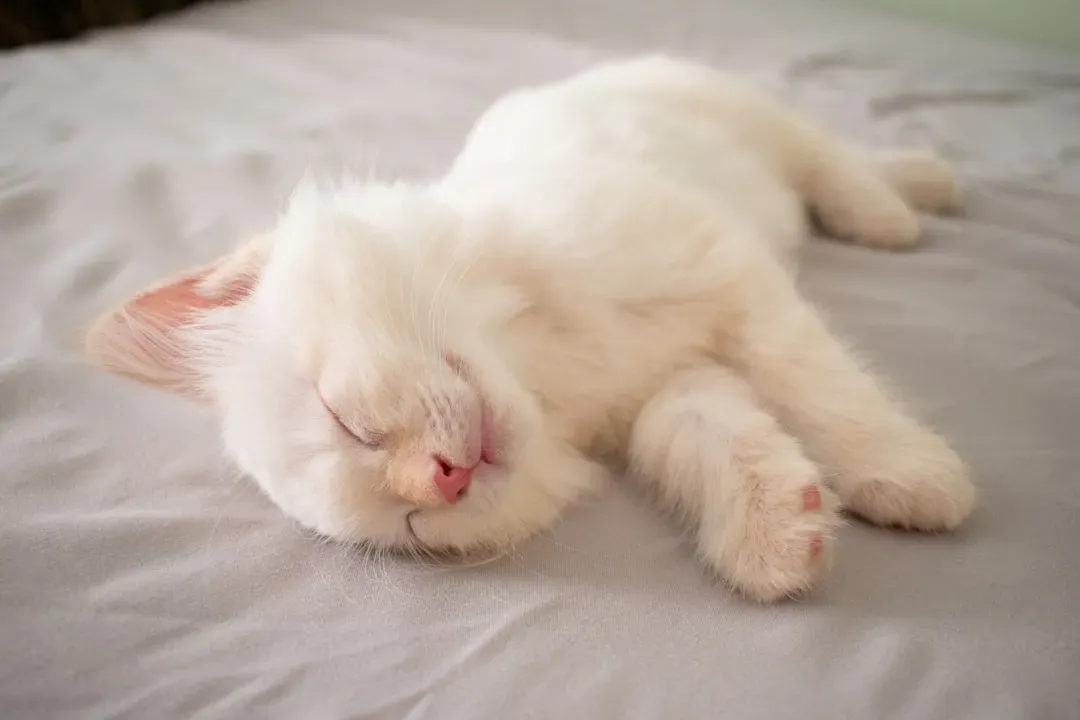
Cats thrive on consistency. A change in their environment, such as new furniture, moving homes, the introduction of a new pet, or even an altered work schedule, can make them feel insecure. Sleeping on you becomes a coping mechanism, a way to re-establish stability and reassurance.
Sleeping on you helps some cats reduce stress and anxiety. Your presence reassures them, making them feel less vulnerable, especially in multi-pet households or noisy environments. If your cat suddenly becomes more clingy than usual, a recent change at home is often the first thing worth considering.
When It’s Every Night, That’s Actually Normal
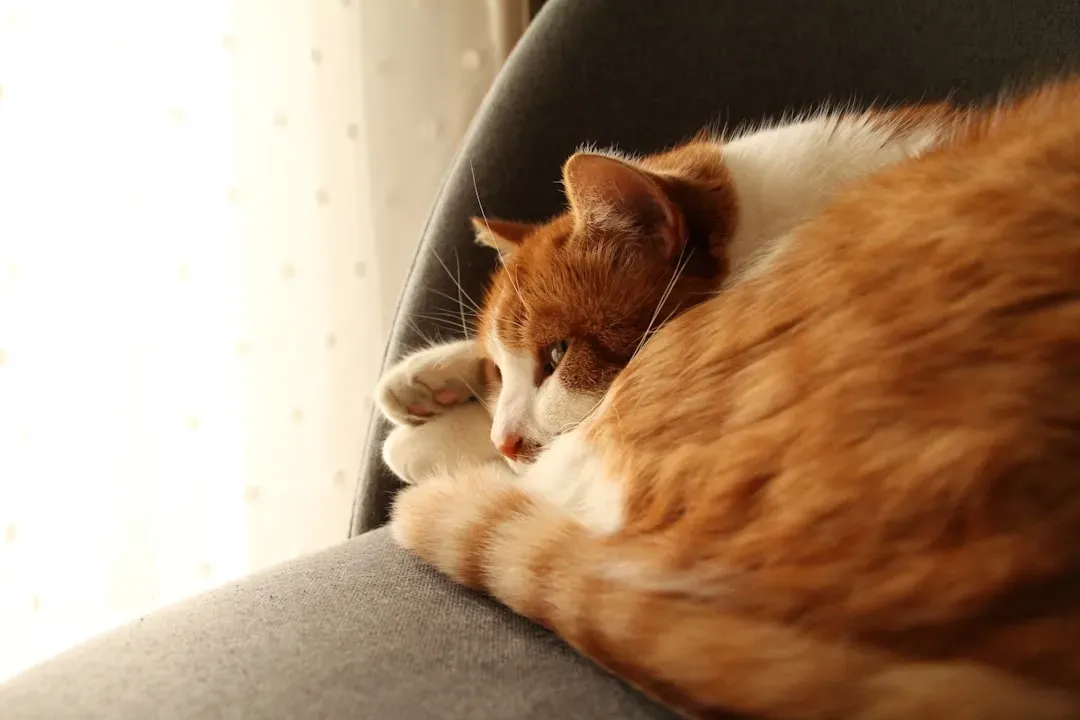
Research supports this routine-based behavior. A study discovered that in roughly half of cases, a cat’s favorite sleeping spot was the owner’s bed, underscoring the idea that once cats find a comforting spot, they prefer to stick with it for consistency.
It can be completely normal for a cat to sleep on their owner every night. Cats are creatures of habit and routine. If your cat constantly sleeps on you, it’s a testament to the strong bond and attachment that you share. If your cat sleeps on you almost every night, there is typically no cause for concern. If you notice that they’re sleeping much more than usual and have low energy, you should take them to the vet to get checked.
When the Behavior Suddenly Stops, Pay Attention
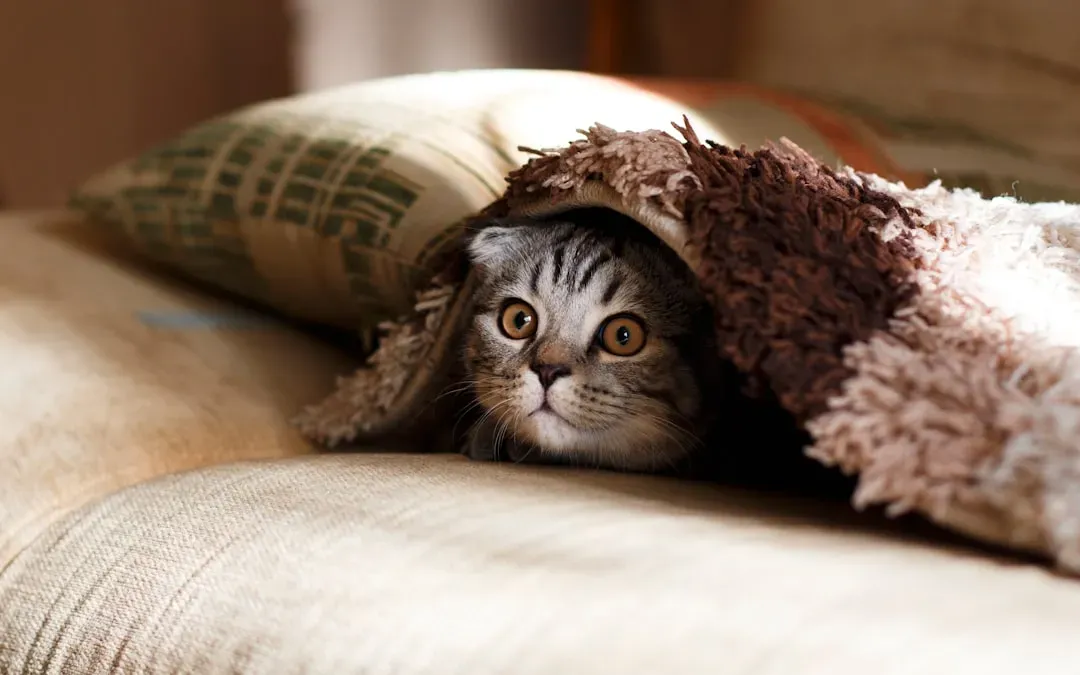
If a cat that has always loved sleeping on you suddenly stops, it is worth paying attention. It might be too warm, slightly uncomfortable with a new blanket or mattress, or simply exploring new favorite spots. However, a sudden shift combined with other signs, like hiding, reduced appetite, or less grooming, can signal that your cat is not feeling well. In those cases, a check-up with your veterinarian can help rule out pain, illness, or age-related issues that make certain positions less comfortable.
In much the same way that your cat may snuggle with you when you aren’t feeling well, they may also seek you out for snuggles when they aren’t feeling well. This can be a combination of many factors, like pain, insecurity, trust, and warmth. Different illnesses can bring a variety of signs in cats, and while many cats may resort to hiding and being withdrawn, some will seek extra attention and become clingy.
There Are Real Benefits for You, Too
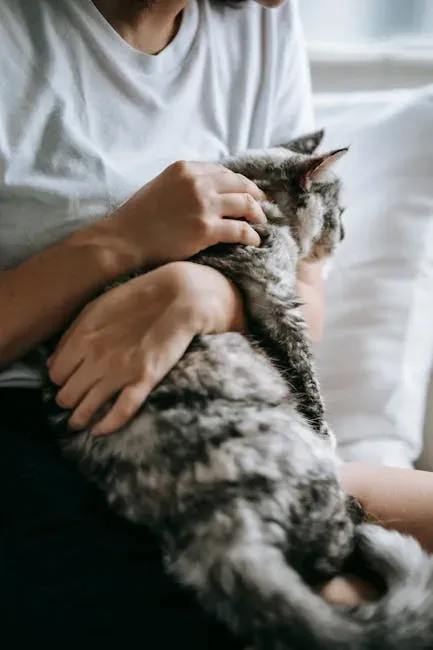
Having your cat sleep on you can offer health benefits for you as well. Petting and cuddling with your cat can reduce stress and anxiety. Additionally, your cat’s body warmth can be soothing, especially during the cold months.
While cats can disturb sleep, they also provide emotional comfort, making their presence in the bed a trade-off many owners willingly accept. A cat choosing to sleep on you is a beautiful expression of their affection, trust, and connection to you. The shared warmth and closeness are a testament to the strong bond that you’ve built with your pet, and the behavior can help provide comfort, reduce stress, and enhance quality of life for both of you.





Leave a Reply