
Walk through the boarding door of any commercial flight and within seconds, something fascinating is happening. The crew greeting you isn’t just being polite. They’re reading you. Your posture, your bag, your shoes, even the way you hold your boarding pass. It all tells a story, and it tells it fast.
Flight attendants are, in many ways, behavioral professionals operating at 30,000 feet. What might seem like a casual welcome is actually a rapid assessment built from years of pattern recognition. The difference between a nervous first-timer and a road warrior who treats the jet bridge like their second living room? It couldn’t be more obvious to someone who does this every day.
What exactly are the subtle signs that give you away? Read on, because some of them might genuinely surprise you.
1. The Way You Walk Through the Boarding Door
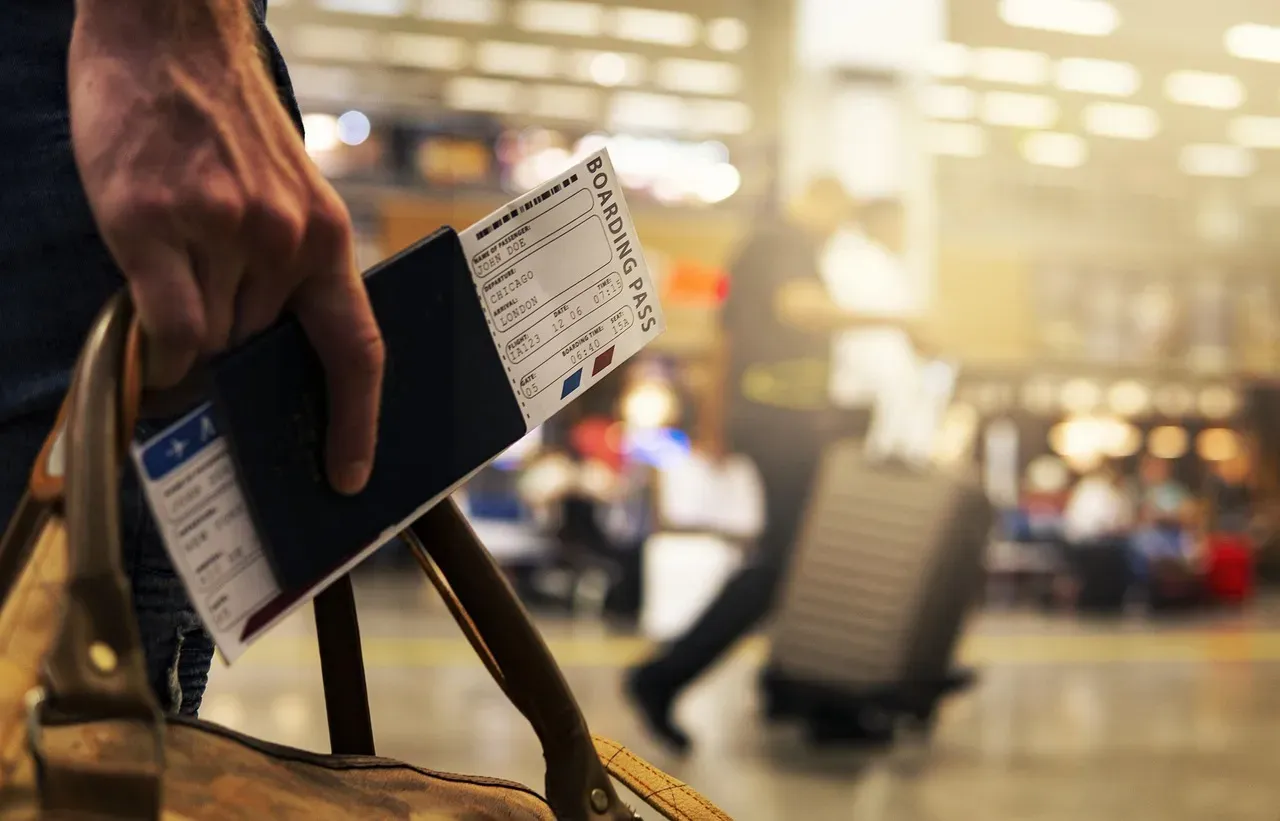
Here’s the thing that most passengers never think about: the first three to four seconds after you step onto the plane reveal an enormous amount. Flight attendants are trained to pick up on everything about passengers in the blink of an eye, in around three to four seconds. That’s less time than it takes to glance at your overhead bin.
It shows in how you navigate the jet bridge, how you handle your luggage, whether you know to step aside after entering the plane, and how familiar you are with the overhead bin routine. A seasoned traveler glides through that door with purpose. A newcomer often freezes, looks left and right, and blocks the entire aisle while figuring out what comes next.
Seasoned travelers move with unconscious efficiency, while infrequent flyers broadcast their uncertainty in a dozen small ways. Think of it like someone walking into a busy coffee shop for the first time versus the barista who has worked there for years. The energy is just different.
2. How They Handle Their Carry-On Luggage
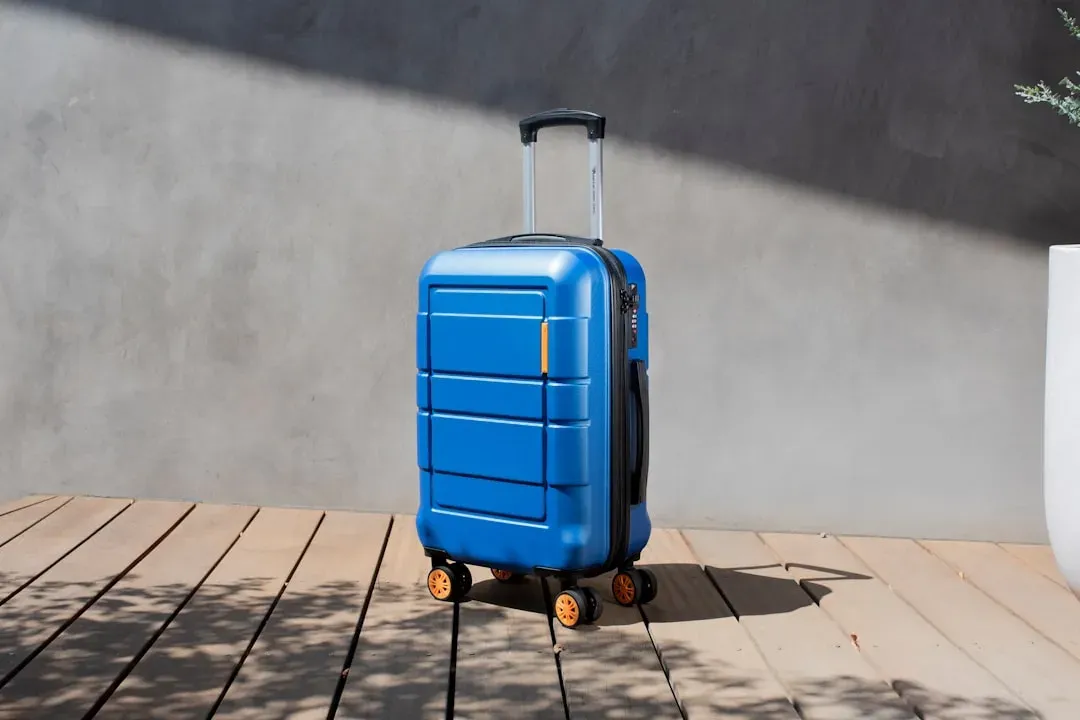
Carry-on luggage is a window into your soul, at least according to people who work in aviation. Flight attendants are primed to hone in on your luggage. They check things like if your luggage has been tagged for cargo, the size of your personal bag, and if you look like you’re struggling to carry your luggage. They’re also scanning to see if your luggage is oversized and likely to cause problems in the aisles or overhead bins.
Experienced travelers typically show up with a compact, right-sized carry-on they can lift effortlessly and place in the bin within seconds. Newer flyers sometimes appear with enormous bags that technically shouldn’t be there, causing delays and awkward negotiations. Aviation experts warn that storing carry-on bags behind your seat can delay deplaning, increase security risks, and disrupt cabin flow.
Within seconds, flight attendants can tell if you’re the organized traveler or the chaos agent. Do you have your documents ready? Are you holding up the boarding line fumbling for your phone? Did you think about what you’d need during the flight before stuffing your bag overhead? Small habits. Enormous signals.
3. Physical Signs of Anxiety and Nervous Body Language
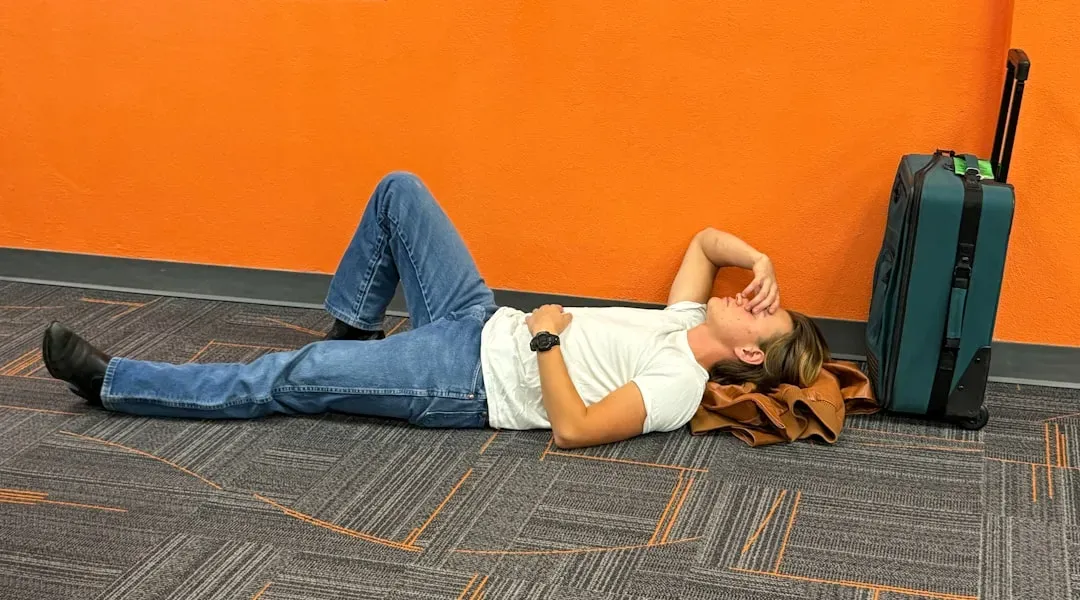
Honestly, this is probably the most well-known tell, and yet it is so consistent that flight attendants keep noticing it flight after flight. Flight attendants can usually spot an anxious flyer since they show signs like fiddling, trembling, or sweating. These aren’t exaggerated movie reactions. They’re subtle, real, and common.
Many international studies report that about 30 to 40 percent of air travelers feel some anxiety when flying. That’s a staggering proportion of every cabin, every day. A new TPG/YouGov survey finds that even though a majority of U.S. air travelers think airline travel is generally safe, nearly three quarters admit to being not very, somewhat, or very nervous when flying.
Tell-tale signs flight attendants look for range from mild to severe, such as fiddling with personal items, symptoms of someone experiencing nausea, or even more serious symptoms that indicate the onset of a panic attack. The crew isn’t judging you for any of this. They’re actually trained to help. Flight attendants receive psychological first aid training, which means they are prepared to respond to signs of distress and offer emotional support to passengers.
4. Whether They Know the Safety Briefing Routine
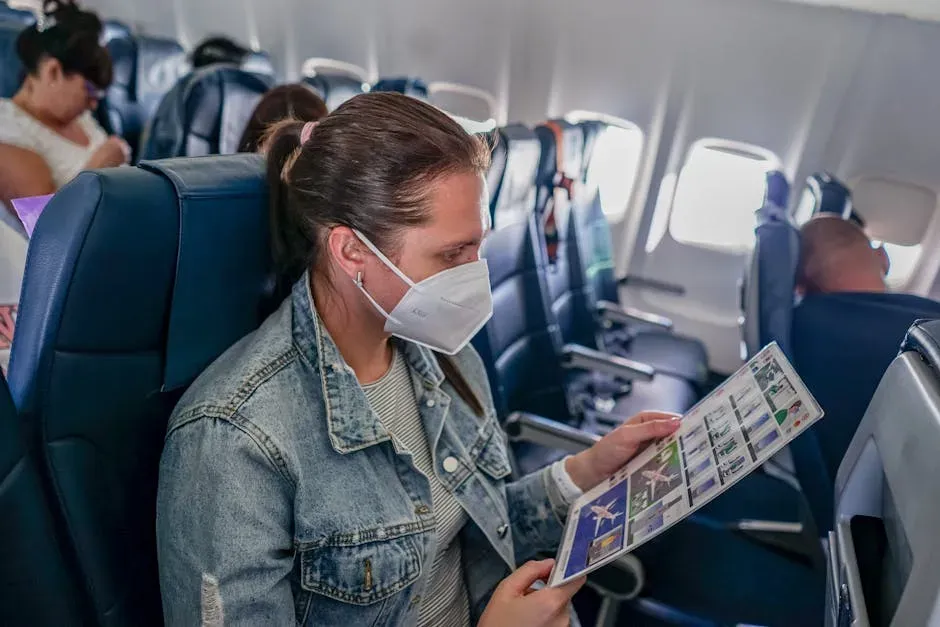
Watch a cabin during a safety demonstration sometime. The difference between traveler types becomes hilariously clear. A first-time flyer often watches the whole briefing with wide eyes, occasionally mouthing the words along with the crew. A frequent flyer has already tuned it out entirely and is three chapters deep into a novel.
The prepared passengers make crew jobs easier. They’re not the ones pressing the call button because they forgot to grab their headphones. They’re not asking for blankets after service has already been done. Seasoned explorers simply know the rhythm of a flight and don’t need hand-holding at every step.
There is something slightly ironic here. The safety briefing matters enormously, yet the people paying the most attention are often the ones who fly least and are already nervous. Meanwhile, the frequent fliers who could really use a refresher are barely looking up. Flight attendants pay special attention to passengers who appear distracted, as they may miss important safety information.
5. Shoe Choice and What It Signals

This one surprises most people. Your footwear says quite a bit about how often you’ve done this before. Flight attendants immediately clock what you’re wearing when you board. Not because they’re judging your fashion sense, but because your clothing tells them a lot about your flying experience. Flip-flops, pajama pants, overly tight jeans, and fancy shoes that pinch are choices that signal someone who either doesn’t fly often or hasn’t learned the art of airplane comfort yet.
One flight attendant at JSX says she always looks at what kind of shoes a customer is wearing to determine whether they can run quickly and easily in them. If she sees someone wearing high heels during boarding, she can make a note to add in an emergency command about removing them if the need arises. There’s a genuine safety reason behind every observation.
Seasoned travelers tend to board in comfortable, practical footwear. They’ve learned that six hours in tight shoes at altitude is nobody’s idea of a good time. It’s a small thing, but it is one of the clearest visual signals of experience level the cabin crew can spot before you’ve even found your row.
6. How They Respond to Turbulence
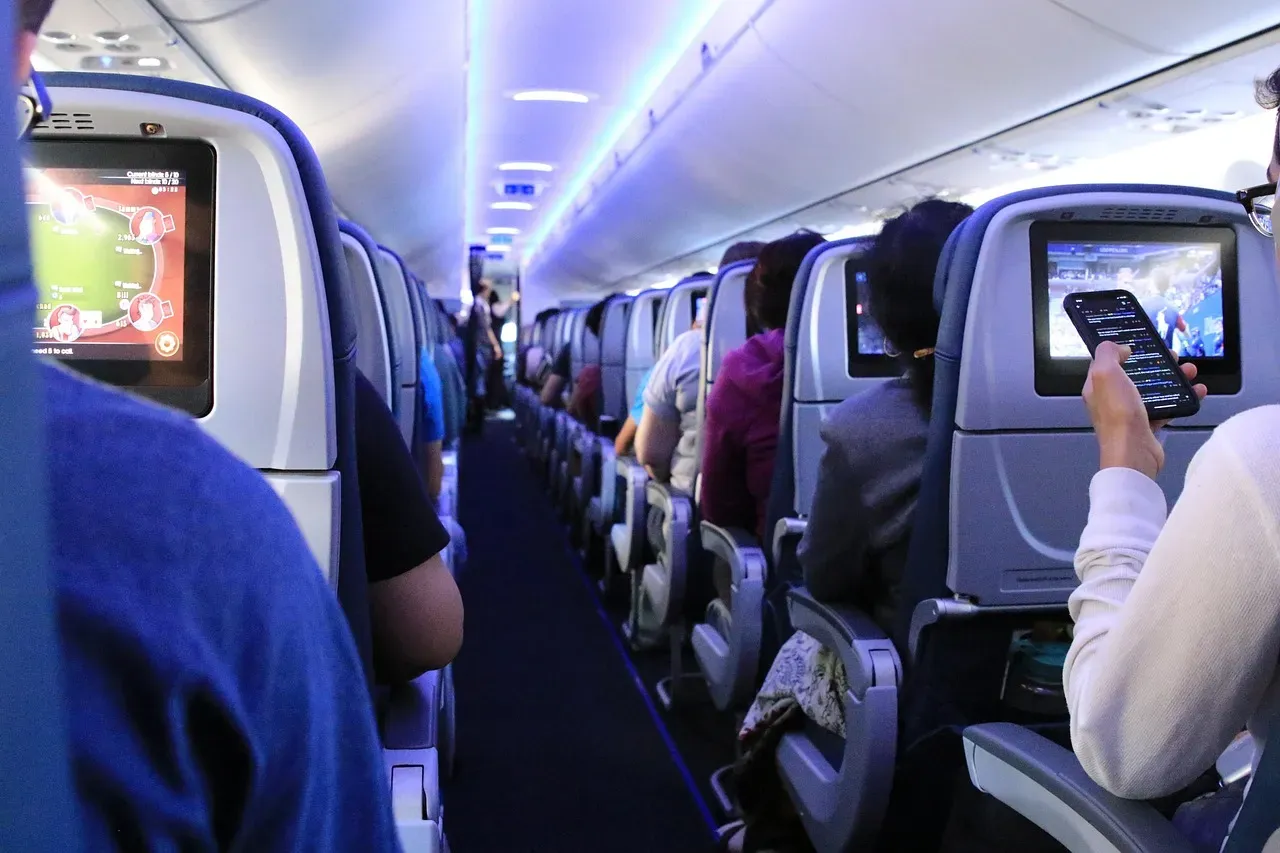
Turbulence. The great equalizer. It doesn’t care if you’re on your first flight or your five hundredth. Still, the behavioral response to it is a very reliable indicator of experience. A first-time flyer often grips the armrest with white knuckles, eyes wide, searching the faces of the crew for any sign of panic. A road warrior barely looks up from their laptop.
Whether it’s the unfamiliar environment, the lack of control, or the fear of turbulence, nervous flyers often find air travel stressful. This fear often peaks with turbulence precisely because new flyers have no reference point for what is normal and what isn’t. The most common negative outcomes of bad turbulence are injuries due to not wearing a seatbelt. Veteran travelers know this, and they keep that seatbelt on without being asked.
There are times when turbulence feels severe enough that even veteran fliers get anxious and scared. Crew are trained to stay calm, even if they don’t feel calm. They watch passenger reactions carefully during these moments, because anxious passengers can inadvertently amplify fear across the whole cabin. The experienced traveler, by staying visibly calm, actually helps more than they realize.
7. Their Relationship with the Call Button
Let’s be real. Nothing gives away a first-time flyer quite like the call button. That little light-up icon is treated with almost reverent curiosity by newer passengers who sometimes press it to ask questions that a quick look at the seat pocket would answer. Experienced travelers essentially forget it exists unless something genuinely requires attention.
If you need something and press the call bell, please be aware that if the crew is working in the cabin, it may take some time to get to you. Do not press it repeatedly, unless it is an emergency. Frequent flyers understand the rhythm of service and simply wait. They also know how to get a flight attendant’s attention politely without pressing anything at all.
There’s a certain confidence in the way a veteran traveler interacts with the crew too. Experienced travelers make eye contact, say hello, please, and thank you, and treat the crew with respect. They have patience, and they know when something goes wrong there’s only so much anyone can do. That mutual understanding between seasoned traveler and crew is genuinely refreshing to witness, and it’s completely absent in the frantic first-timer frantically pressing the call button over a missing pillow.
8. The Boarding Preparation: Documents, Apps, and General Readiness
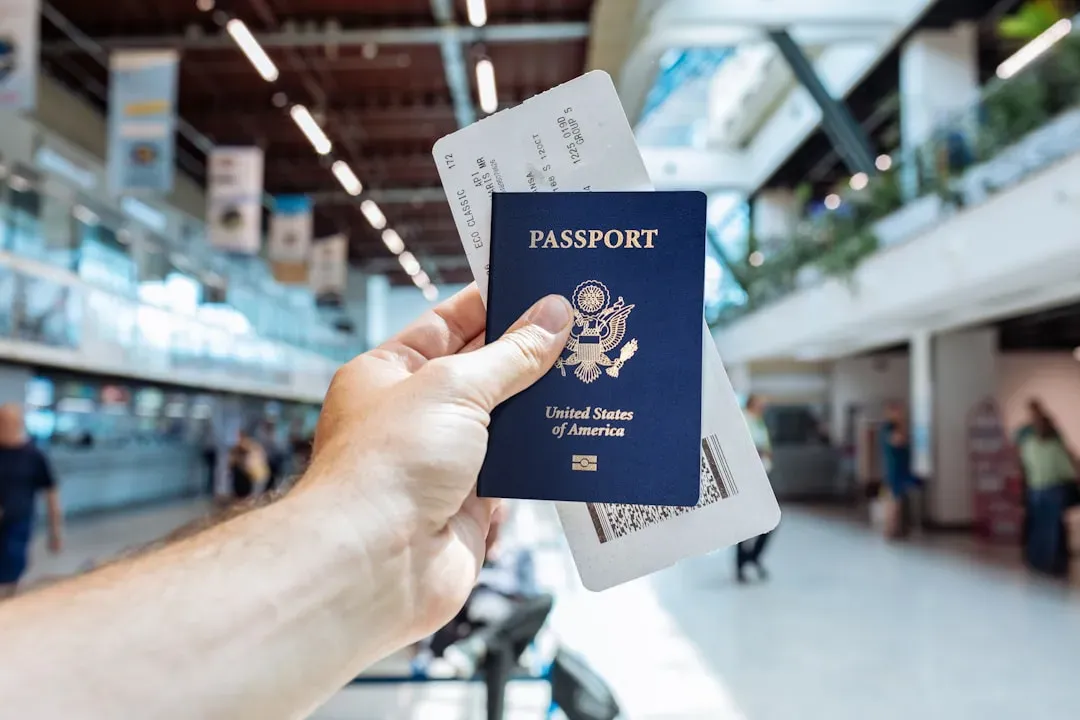
Here’s the final chapter, and possibly the most telling one. How ready a passenger is before they even step on the plane predicts almost everything about the experience that follows. Experienced travelers arrive at the gate 15 to 20 minutes before the boarding announcement to avoid rushing and last-minute seat location confusion. They verify carry-on luggage dimensions before arrival, and download airline apps to confirm seat assignments and boarding group information in advance. It sounds simple. Yet the boarding queue tells a very different story most of the time.
First-time flyers often fumble for their phone while standing in line, haven’t downloaded the boarding pass, and need several minutes to locate their seat. Today, roughly seven out of ten passengers now prefer online or app-based booking, with more than half favoring the airline’s own digital platforms. Despite this, there’s still a clear gap between digital intent and actual preparation at the gate.
Crew members often recognize frequent flyers, particularly those with elite status, who tend to be more familiar with airline procedures and can sometimes help set a positive example for less experienced travelers. The experienced traveler boards with quiet confidence, stows their bag efficiently, sits down, and is already settled before half the cabin has found their row. It’s a kind of silent superpower that only comes from repetition and, let’s be honest, a fair few stressful flights along the way.
Conclusion: Every Expert Was Once a Nervous Beginner
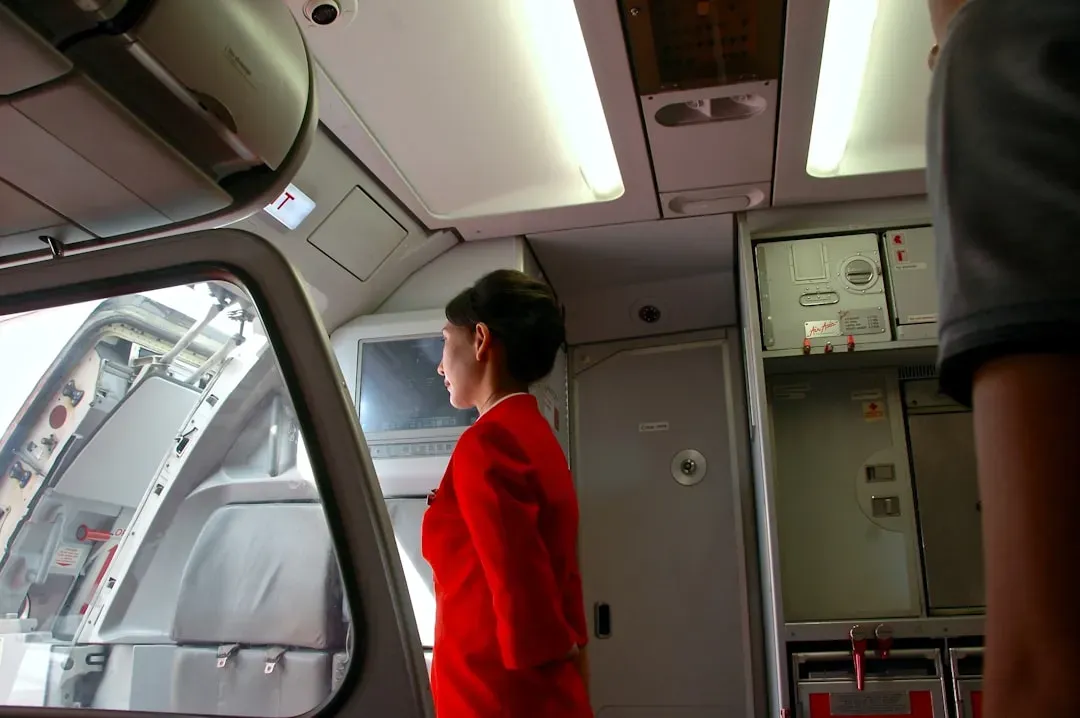
There is no shame in being new to flying. Every single experienced traveler was once that wide-eyed person in row 27, unsure what that clunking noise was and convinced the wing was about to fall off. In 2024 alone, five billion passengers flew on more than 40 million flights worldwide, according to the International Air Transport Association. That’s an extraordinary number of human beings hurtling through the sky, each of them at some point having done it for the very first time.
Flight attendants are not judging newcomers. It’s their job to note signs of stress, offer words of encouragement and regular check-ins, and in general ease anxiety with smiles and warmth. The observations they make are rooted in care and safety, not superiority. The best thing any first-timer can do is simply tell a crew member they’re nervous. Some passengers have had success with this and received extra support, such as being able to pre-board, receiving extra comforts, and even receiving regular updates from the cabin crew throughout the flight about turbulence and other occurrences.
The gap between nervous newcomer and confident globetrotter closes with every single flight. One day, without even noticing, you’ll walk through that boarding door and find your seat without a second thought, shoes sensible, bag stowed, seatbelt buckled before the announcement. And somewhere near the front of the cabin, a flight attendant will see you, and quietly think: that one’s done this before. What kind of traveler do you think the crew sees when you board?





Leave a Reply