
After years of working alongside clients who jet off to Amalfi Coast villas, private Antarctic expeditions, and Maldivian overwater suites, I’ve noticed something interesting. The most seasoned, stress-free travelers are almost never the ones with the biggest suitcases. In fact, some of the sharpest packers I’ve ever seen travel with remarkably little – and arrive looking completely polished.
Packing is genuinely an underrated skill. Most people never think about it strategically until they’re sprinting through an airport, sweating through their best shirt, lugging a suitcase that weighs more than a golden retriever. The travelers who truly get it? They’ve figured out a handful of habits that make all the difference. Here’s what I’ve observed.
1. They Never Pack for “What If” – They Pack for What’s Planned
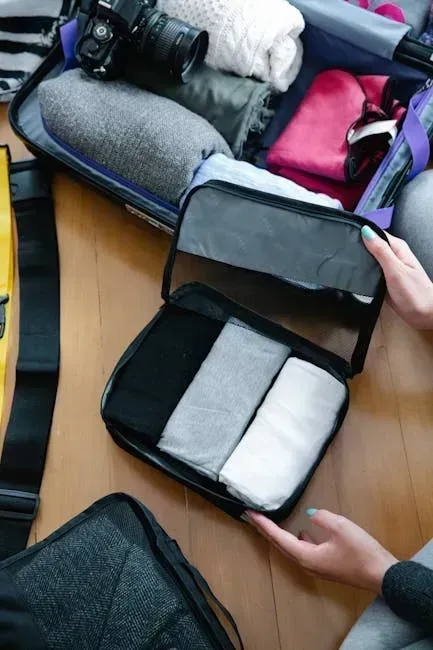
Honestly, this is the single most important distinction between smart packers and everyone else. Overpacking – the age-old habit of stuffing bags with too much “just in case” gear – remains the most common blunder made by even seasoned explorers. According to the Global Rescue Traveler Sentiment and Safety Survey, overpacking consistently tops the list of traveler mistakes, with nearly one in three respondents admitting they brought too much luggage.
Psychologists and travel experts suggest that the persistence of overpacking has more to do with psychology than logistics – anxiety, attachment, and past experiences all play a role. Smart travelers have broken through that anxiety by shifting their mindset entirely. They pack for the itinerary they have, not the hypothetical disaster they’re afraid of.
Creating a packing list tailored to your destination and activities helps avoid both forgetting essentials and adding unnecessary items. Researching weather, culture, and itinerary shapes what you genuinely need. Sticking to a color palette and opting for versatile pieces that mix and match further tightens the load. It sounds simple. It rarely is, until you’ve trained yourself to do it.
2. They Master the Capsule Wardrobe Approach
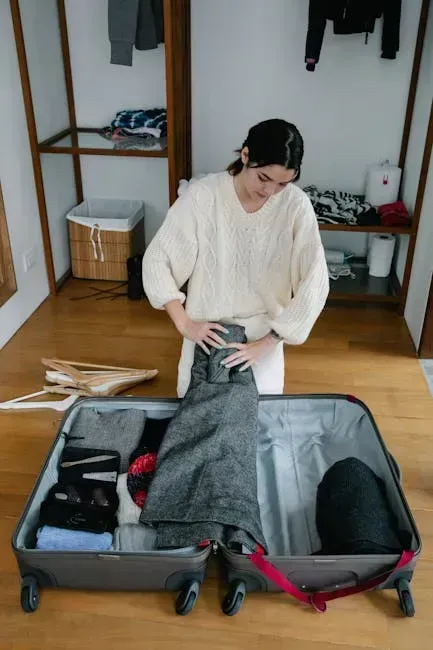
Here’s the thing – smart travelers don’t think in individual outfits. They think in systems. The 54321 travel wardrobe method – five tops, four bottoms, three pairs of shoes, two dresses or layers, and one statement accessory – creates approximately thirty to forty different outfit combinations while fitting in a carry-on bag, making it perfect for one to two week trips with minimal luggage.
Unlike traditional packing methods, the capsule wardrobe approach focuses on quality over quantity, typically including fifteen to twenty-five pieces that work together seamlessly – where each item serves multiple purposes and coordinates with every other piece in the collection. I’ve watched clients pack for two weeks in Europe with just a carry-on, and step off the plane looking like they had an entire wardrobe waiting for them.
One of the keys to a successful capsule wardrobe is picking colors that work well together. Neutrals like black, white, gray, beige, and navy are ideal because they can be mixed and matched effortlessly, and adding one or two accent colors personalizes the look without adding bulk. Think of it less like packing clothes and more like building a small, portable wardrobe that works in every scenario on your trip.
3. They Use Packing Cubes – Without Exception
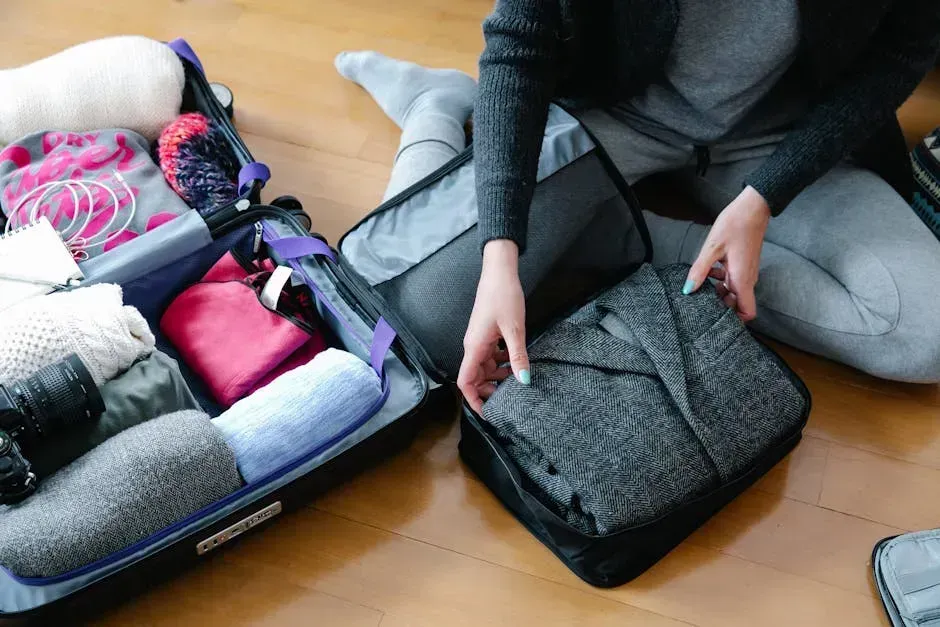
If I had to name one single tool that separates organized travelers from chaotic ones, it’s packing cubes. No contest. Packing cubes are a game-changer for keeping a suitcase organized – they help categorize clothing and make it easy to locate specific items without unpacking everything, with different cubes used for different categories like tops, bottoms, and underwear.
Rolling clothes instead of folding saves roughly thirty percent more space and reduces wrinkles, while packing cubes help organize different categories and compress items further. Smart travelers don’t just throw cubes into a bag randomly either – they have a system. One cube per category, consistently. It becomes muscle memory after a few trips.
In 2025, packing cubes have evolved to offer smarter designs, durable materials, and better organizational options than ever before. Compression cubes, in particular, have become a favorite among frequent flyers. You can genuinely shrink a sweater down to half its size and still have it come out looking presentable on the other end. It’s borderline magical, honestly.
4. They Travel Carry-On Only Whenever Humanly Possible
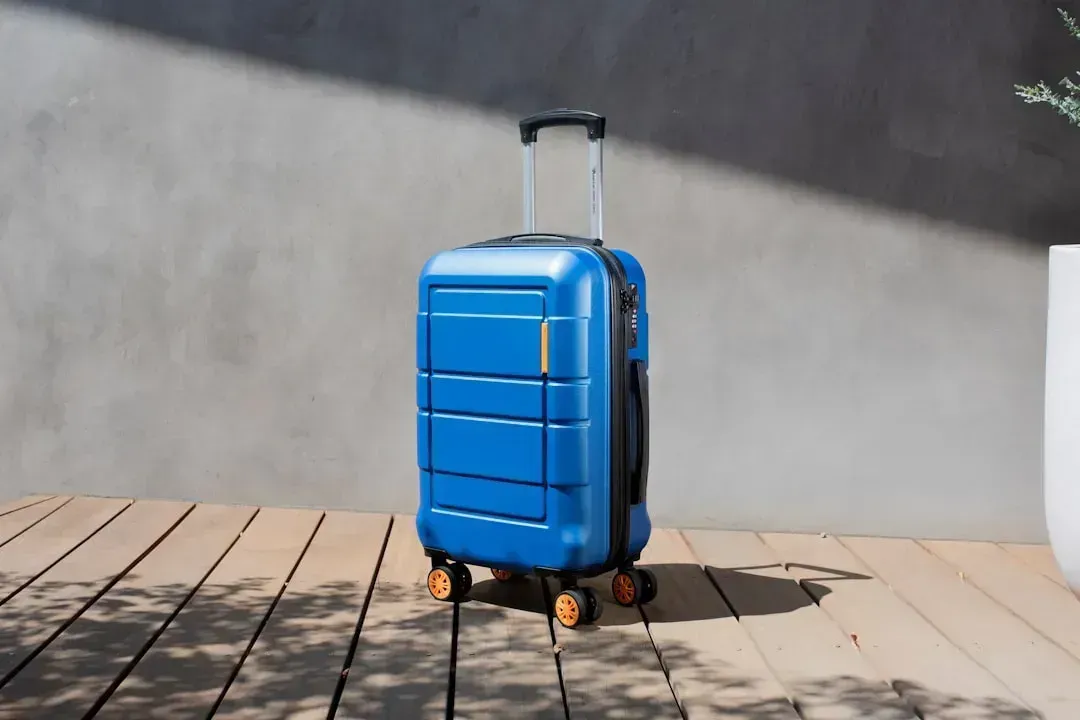
Let’s be real – checked baggage is one of the biggest sources of travel stress, and smart travelers avoid it religiously when they can. In 2024, U.S. airlines collected a record $7.27 billion in checked baggage fees. Southwest began charging for checked bags for the first time, and JetBlue adopted dynamic surge pricing, making fees increasingly unpredictable.
According to SITA’s 2024 Baggage IT Insights report, the rate of mishandled baggage fell to 6.3 per 1,000 passengers in 2024 – an improvement from 2023, marking a sixty-seven percent drop compared to 2007. Still, millions of bags are affected every single year. Baggage issues cost the industry an estimated five billion dollars in 2024 – and more bags are flying, meaning even a small percentage mishandled translates into very big numbers.
Carrying on saves hours each time – no waiting in check-in lines an hour before a flight, and with programs like Global Entry, travelers can practically walk straight out of the airport after arriving home. Once a traveler truly goes carry-on only and feels that freedom, it’s nearly impossible to go back. Think of checking a bag like willingly choosing the slow lane on a highway – every single time.
5. They Plan Outfits Day by Day Before a Single Item Gets Packed

This one might sound obsessive to casual travelers, but it is absolutely standard practice among the best packers I know. Planning outfits by day – seriously – means that if you travel and return home not having worn something, you brought too much. That’s a remarkably clean rule to live by, and it works.
Planning outfits ahead of time ensures you pack only what you need, mixing and matching pieces to create multiple looks from a few items – a strategy that helps avoid packing unnecessary clothing and makes dressing on the go much easier. Smart travelers often lay everything out on a bed the night before and then put roughly a quarter of it back. That gut check is everything.
Creating a packing checklist and laying out all items before packing ensures coordination and completeness, while taking photos of successful outfit combinations before travel provides a quick reference guide during the trip itself. It’s a ten-minute investment that saves you from standing in a hotel room on day three, staring into an abyss of mismatched clothes wondering where it all went wrong.
6. They Wear the Heaviest Items on the Plane
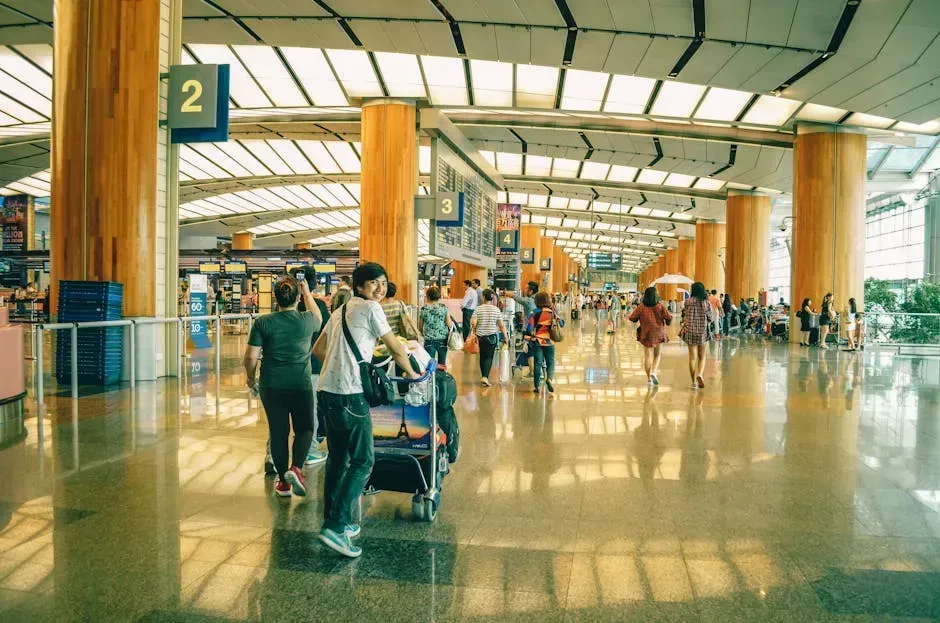
This is one of those tricks that looks slightly eccentric in the airport but makes complete logical sense. Wearing the bulkiest items on the flight can help save significant space in your bag – as does making use of deep jacket pockets for carrying bulkier items like toiletries. Smart travelers take this seriously. Boots on feet, jacket on back, scarf around shoulders.
To maximize space in a carry-on, wearing the bulkiest items on the plane – typically a jacket, boots, and any other heavy items – not only frees up space in luggage but also keeps travelers warm on potentially chilly flights. It’s a small move with a surprisingly large payoff. You’d be amazed how much room a single pair of ankle boots takes up inside a bag.
Shoes are often the bulkiest items in luggage, so limiting to two or three pairs for most trips is key – and always wearing the heaviest, bulkiest pair during travel saves on both weight and room. I’ve seen seasoned travelers board a flight looking like they’re heading into a snowstorm and then walk off in a warm destination perfectly put together. It’s practically an art form.
7. They Choose Luggage That’s Smart, Lightweight, and Purpose-Built
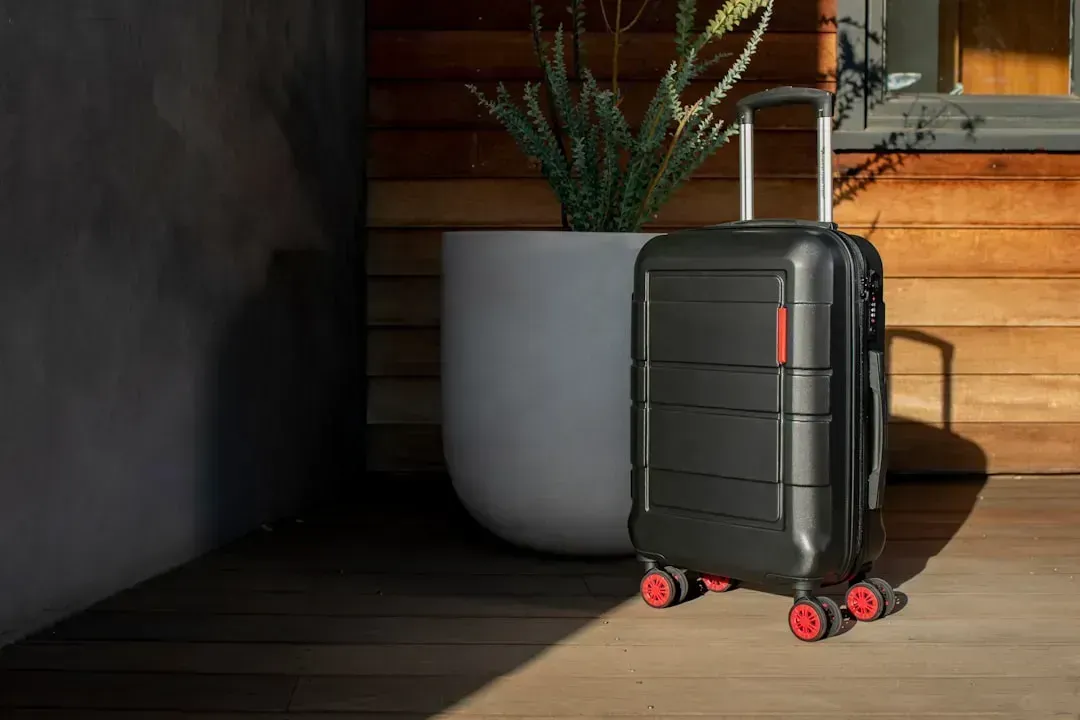
The bag itself matters enormously, and wise travelers know it. They’re not lugging around a heavy suitcase before they’ve even packed a single item. Nylon is known for its high strength-to-weight ratio, making nylon luggage both durable and lightweight. Travelers prefer this material as it offers strong protection while being easy to carry, and the flexible nature of nylon allows for a range of designs and expandable compartments, making it ideal for travelers looking for versatile storage.
The smart luggage market has exploded in recent years, and for good reason. The global smart luggage market was estimated at roughly $2.24 billion in 2024 and is projected to reach $4.14 billion by 2030, growing at a compound annual growth rate of about eleven percent from 2025 to 2030 – market growth attributed to the evolving needs of modern travelers.
Smart luggage is increasingly equipped with features such as GPS tracking, digital locks, USB charging ports, and built-in scales. Many suitcases are also equipped with biometric scanners, which enhance security – and travelers are increasingly concerned about protecting their luggage, with these features providing peace of mind, especially during international travel. Frankly, if your bag doesn’t at least have a built-in scale in 2026, you’re already behind.
8. They Pack Toiletries With Ruthless Minimalism

The toiletry bag is where overpackers truly reveal themselves. I’ve seen clients travel with what looked like a small pharmacy. Smart travelers take a completely different approach. Toiletries can quickly add weight and take up space in luggage, so opting for travel-sized versions and multi-use products – like shampoo-conditioner combos or moisturizers with SPF – is essential. Many items can now be purchased in solid form, such as soap bars, solid shampoos, and toothbrush powder, which are both space-savers and more sustainable options.
Packing proved to be a recurring challenge in 2025 survey data: the most forgotten item was a phone charger, followed by sunscreen, headphones, toothbrushes, and medication. Even passports and IDs were left behind by about three percent of travelers. Smart travelers solve this by having a pre-packed, dedicated toiletry kit that lives ready-to-go between trips. Everything small, everything proven, nothing spontaneous thrown in at the last second.
Toiletries should be travel size – this should go without saying, but have you seen TSA’s confiscated box of expensive creams and perfumes? The answer to that rhetorical question is: yes, far too many people have contributed to it. Keep it simple, keep it small, and buy anything you truly need at the destination.
9. They Spread Essentials Across Multiple Bags
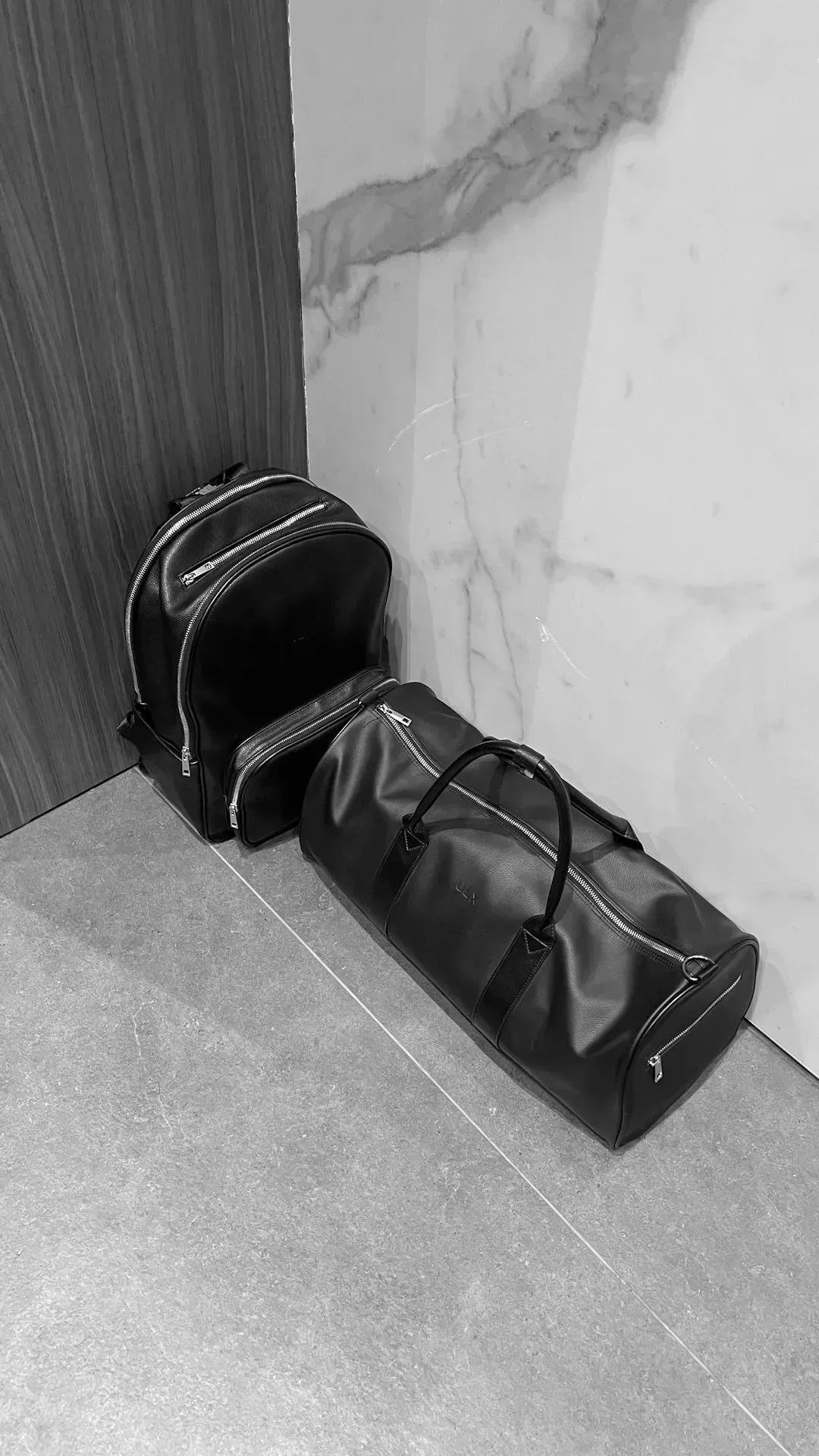
This is a habit that looks slightly paranoid until the day it saves you. Smart travelers never put all of their critical items in one place. Splitting items between bags is essential – if a suitcase goes missing in transit, you don’t want to be left without clean underwear or a toothbrush. When traveling with another person, or with a carry-on bag, putting a few spare essential items in a separate bag ensures that if anything gets lost, key items are still accessible.
According to SITA, international routes are five times more likely to lose luggage than domestic flights. That’s a striking number. For luxury travelers in particular, who often have complex multi-stop itineraries, the odds of a bag going astray at some point are genuinely non-trivial. Spreading medications, a change of clothes, and important documents across multiple bags is simply the intelligent response to that reality.
Packing one complete outfit in a carry-on in case of luggage delays is something experienced travelers treat as non-negotiable. It sounds excessive until your checked bag decides to holiday somewhere in Frankfurt while you’re in Rome. Pack smart, pack redundantly – at least for the absolute essentials.
10. They Embrace Doing Laundry Mid-Trip

This one genuinely separates the experienced travelers from everyone else. It’s not glamorous. It is, however, extraordinarily effective. Some travelers manage weeks at a time internationally with carry-ons only by doing laundry each week to completely refresh their clothes supply. Sink washing is described as fast, easy, and convenient in most situations.
For a month-long trip, doing laundry is essentially unavoidable – bringing a few travel-friendly laundry strips or soap and washing clothes in accommodation sinks or laundry facilities keeps packing minimal and wardrobes fresh. Alternatively, finding a local laundromat or using a wash-and-fold service works perfectly. Doing laundry every week keeps packing minimal and the wardrobe consistently fresh.
I think there’s also something genuinely freeing about this mindset. When you know you can refresh your clothes anywhere, packing stops being about “what if I need this” and starts being about “what do I actually want to wear.” It’s a psychological shift as much as a practical one. Pack a week’s worth of clothes, travel for a month. The math works out beautifully.
The Bottom Line on Smart Packing
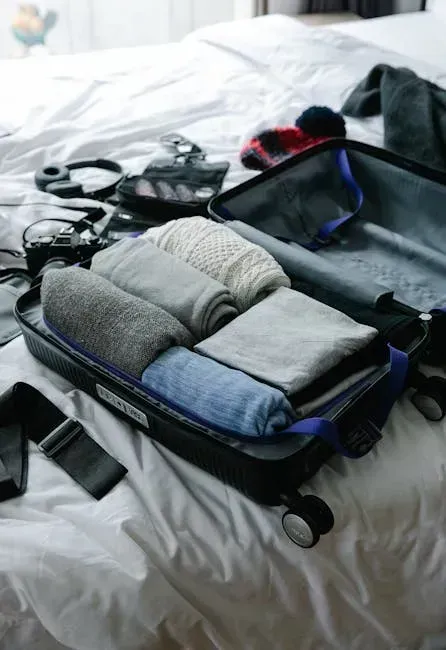
After years of watching travelers navigate the world, one thing is abundantly clear to me: the best packers aren’t minimalists by nature. They’re minimalists by discipline. The art of packing has become an essential skill for any savvy globetrotter. Whether embarking on a beach getaway, an outdoor adventure, a cultural immersion, or a luxury escape, the key is to pack strategically and thoughtfully, ensuring the journey is as seamless and enjoyable as possible.
What strikes me most is how freeing it feels once you crack the code. Traveling with a tiny bag and very few things has actually put the fun and freedom back into travel for many experienced globetrotters – and that’s the real prize. Not just a lighter suitcase, but a lighter headspace. Less time managing stuff, more time actually experiencing the destination.
The habits above aren’t complicated. They don’t require expensive gear or weeks of planning. They just require a willingness to be honest with yourself about what you actually need versus what your anxiety tells you to bring. That gap, once you close it, changes everything about how you travel. So the real question is: how many of these habits have you already mastered – and which one are you guilty of ignoring every single trip?





Leave a Reply