
What priority boarding actually buys you
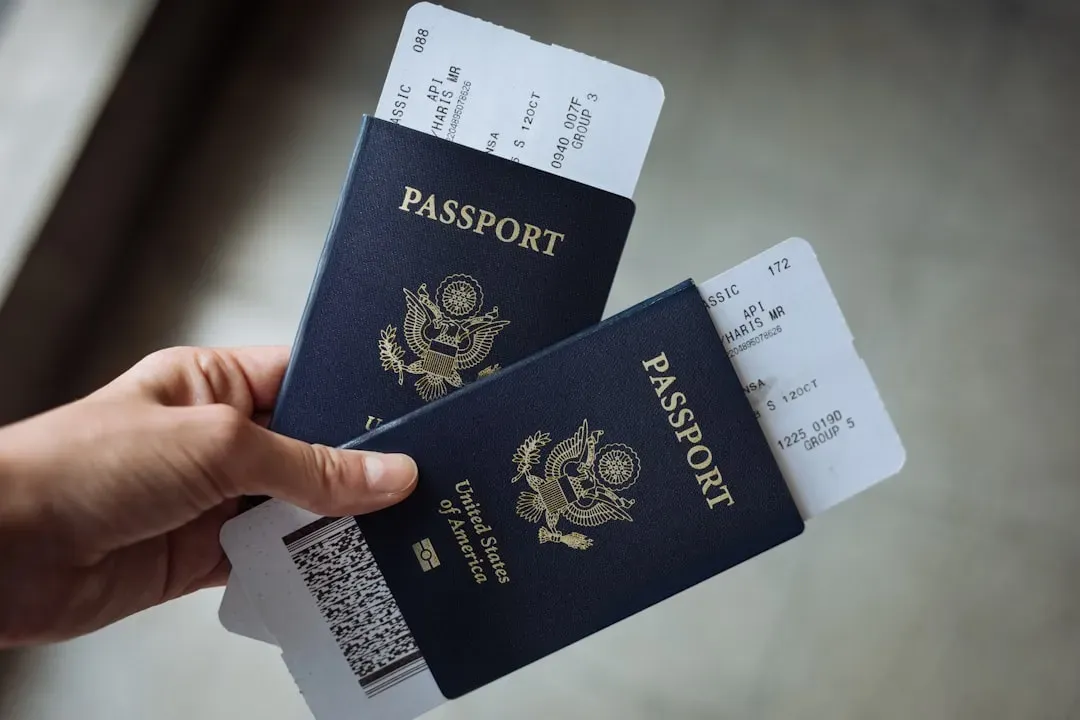
Priority boarding isn’t first class. It’s a spot in line, usually somewhere in the middle of the pack rather than at the very front. On American Airlines, for instance, paying for the add on gets you into Group 4, which sounds impressive until you remember that active military, elite status holders, and premium cabin passengers are already ahead of you in Groups 1 through 3. Priority boarding gives you access to group 4, which is not one of the first groups, since there are still several groups of passengers who will be boarding ahead of you, though it might help you secure overhead space during full flights.
Flight attendants we talked to were blunt about this distinction. The real value isn’t bragging rights about boarding first, it’s the practical stuff: a guaranteed seat in the overhead bin above or near your row, a few extra minutes to get settled without an audience, and one less thing to stress about before takeoff. On a half empty flight, none of that matters much. On a packed one, it can be the difference between a relaxed boarding and a frantic one.
The overhead bin scramble flight attendants deal with daily
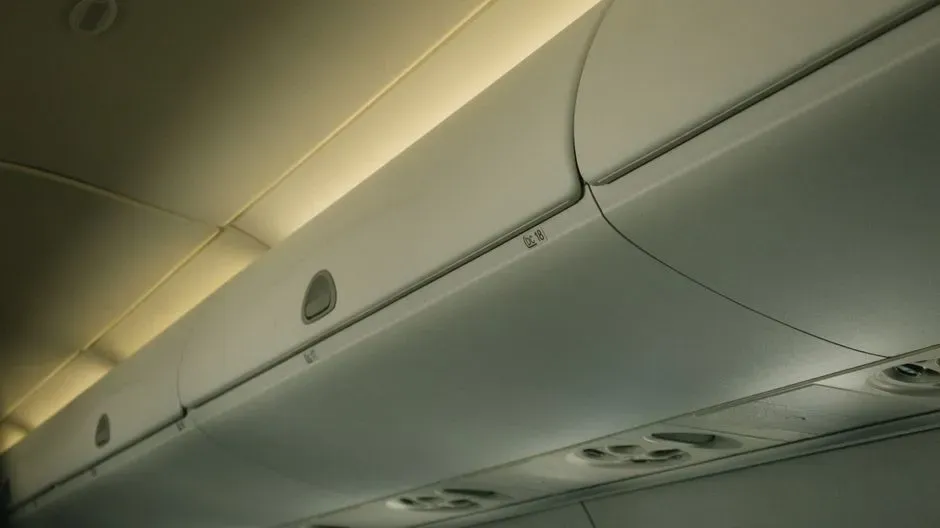
Ask any cabin crew member what the worst part of boarding is, and bin space usually comes up fast. Attendants are the ones fielding the arguments when someone’s roller bag doesn’t fit, or when a passenger in row 28 has nowhere to put their carry on because everything filled up by row 14. That’s not a hypothetical complaint, it’s a routine one on full domestic flights.
This is where paying for early boarding earns its keep, according to several attendants. Getting on sooner means less time spent standing in the aisle rearranging other people’s bags, less chance of being told your bag has to be checked at the last minute, and generally a calmer cabin. It’s a small thing, but attendants say it genuinely changes the tone of the first ten minutes of a flight.
How much airlines are actually charging in 2026
Pricing for priority boarding varies more than most travelers expect, and it has crept upward over the past couple of years. The price of priority boarding differs among airlines and flights, but you’ll typically pay between $10 and $30 to board the plane before your group. On American specifically, the airline offers the option to pay for priority boarding separately, which grants boarding in Group 4, with the price varying by flight but ranging anywhere between $9 and $74.
Southwest has made the biggest jump. Southwest raised the cost to purchase one of its Upgraded Boarding positions to between $30 and $80, a significant increase over previous amounts. That’s a steep climb from what used to be a much cheaper add on, and it changes the math on whether it’s worth it, especially for shorter flights where the savings in stress might not equal the extra spend.
Basic economy and the boarding penalty
If you booked the cheapest fare available, there’s a decent chance you’re being boarded last on purpose. If you’ve already booked a Basic Economy ticket, you may be restricted to the very last boarding group unless you pay for an upgrade to a Main Cabin fare or purchase the Priority add-on specifically at the gate or during digital check-in. Later in 2026, that penalty gets slightly worse on American. AAdvantage members on a basic economy fare who do not have status or an eligible credit card will board in Group 7, instead of Group 6.
Flight attendants pointed out that this structure is deliberate, not accidental. The airline is banking on the fact that once you’ve already boarded last a few times and lost bin space, you’ll be more willing to pay for the upgrade next time. It’s a nudge built into the fare structure itself.
Credit cards versus paying per flight
For frequent flyers, a travel credit card often beats paying for boarding trip by trip. Almost all of the co-branded American Airlines AAdvantage credit cards come with the benefit of preferred group 5 boarding on American Airlines flights. That said, attendants warned that the marketing pitch you hear onboard doesn’t always match reality. American Airlines flight attendants are notoriously bad at getting the benefits correct when doing their inflight credit card pitches, and no matter what they say, the cards only give preferred group 5 boarding, not priority boarding in group 4 or first access to the plane.
That’s a useful correction for anyone assuming a credit card alone will get them ahead of the pack. Group 5 still boards after Groups 1 through 4, so if getting on truly early matters to you, the card might not be enough on its own. It’s a decent perk, just not the one some crew members describe when they’re pitching it mid flight.
Southwest’s overhaul changes the entire calculation
Southwest spent fifty years as the outlier with open seating, but that changed at the start of 2026. Gone are Southwest’s iconic A/B/C boarding groups and the strategic dance of checking in exactly 24 hours early to secure low numbers, replaced by eight numbered boarding groups determined by seat type, fare class, and loyalty status. That means the old trick of setting an alarm to check in right at the 24 hour mark no longer guarantees a good spot.
Under the new system, paying for boarding has become more predictable but also pricier. Priority boarding groups now come with perks like earlier access to overhead bins, and the cost runs $15 to $50 additional per segment depending on route distance, demand, and booking timing. Attendants who’ve flown through the transition say the shift has actually reduced some of the boarding chaos, since passengers now know their group in advance rather than gambling on a check in timer.
Preboarding perks that cost nothing at all
Not every early boarding advantage requires opening your wallet. Families traveling with young children, passengers who need extra time or assistance, and top tier elite status holders typically board before general groups without any added fee. Preboarding includes ConciergeKey and first class passengers, as well as families with children ages 2 and under.
Attendants we spoke with said this category tends to get overlooked by travelers who assume paying is the only route to an early spot. If you qualify through status, a premium cabin ticket, or a genuine need for extra boarding time, there’s often no reason to pay separately since preboarding is built into the process already.
When crew members say it’s genuinely worth the money
The consensus among the attendants we talked to wasn’t a flat yes or no, it depended heavily on the flight. Full flights, tight connections, and routes known for oversold cabins were where they most often saw paid priority boarding pay off in reduced stress and secured bin space. On a flight that’s clearly not full, several attendants said the fee buys you almost nothing beyond a few extra quiet minutes.
Route length mattered too. On longer flights where a carry on with a change of clothes or work materials really matters, attendants leaned toward recommending the upgrade. On short hops under ninety minutes, most said travelers were better off saving the ten to thirty dollars and just accepting a later boarding group, since the actual time difference on the ground rarely justifies the cost.
Final thoughts
Early boarding isn’t a scam, but it isn’t a universal must have either. The value shifts depending on how full your flight is, what you’re carrying, and whether you already get some form of priority through status or a credit card without paying extra.
The clearest takeaway from talking with cabin crew is that the fee earns its keep most reliably on crowded flights and longer routes, where bin space and a calmer boarding process genuinely matter. On quieter flights, it’s often just a few extra dollars for a few extra minutes of peace, which may or may not be worth it depending on how you value your time at the gate.





Leave a Reply