
The problem with sealing cheese in plastic
Cheese is not an inert block of fat and protein sitting in your fridge. It is a living food, still undergoing slow chemical changes even after it leaves the cheesemaker. Wrapping cheese tightly in plastic wrap can cut off the oxygen supply and trap moisture, leading to mold growth and spoilage, not to mention softening the rind of your beloved hard cheeses.
There’s also the matter of taste. Plastic wrap can also transfer unwanted, plastic-y flavors to the cheese. The cheese experts at Formaggio Kitchen in Boston have run into this problem directly. They choose not to store cheese in plastic wrap because they find that it imparts an unpleasant chemical taste if left in contact with the cheese.
What wax paper actually does differently
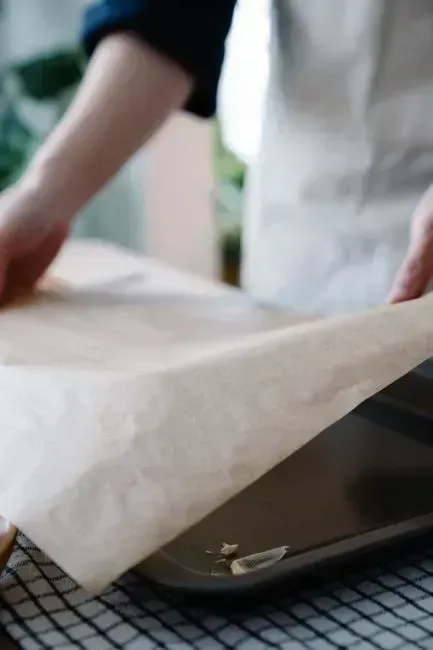
Wax paper isn’t a perfect solution, but it behaves in a fundamentally different way than cling film. Wax paper offers similar short-term performance to cheese paper, and its moisture-resistant coating slows drying better than plain paper. That combination matters because cheese needs to lose a little moisture over time without drying out completely.
Traditional wax paper is made through a fairly simple process. Wax paper sheets are also called paraffin sheets, and they are treated with a thin layer of wax that makes them grease and moisture resistant. That coating creates just enough of a barrier to slow moisture loss while still allowing some air movement at the folds and seams, which is exactly the kind of gentle imperfection that plastic wrap, by design, does not offer.
Why cheese needs to breathe at all
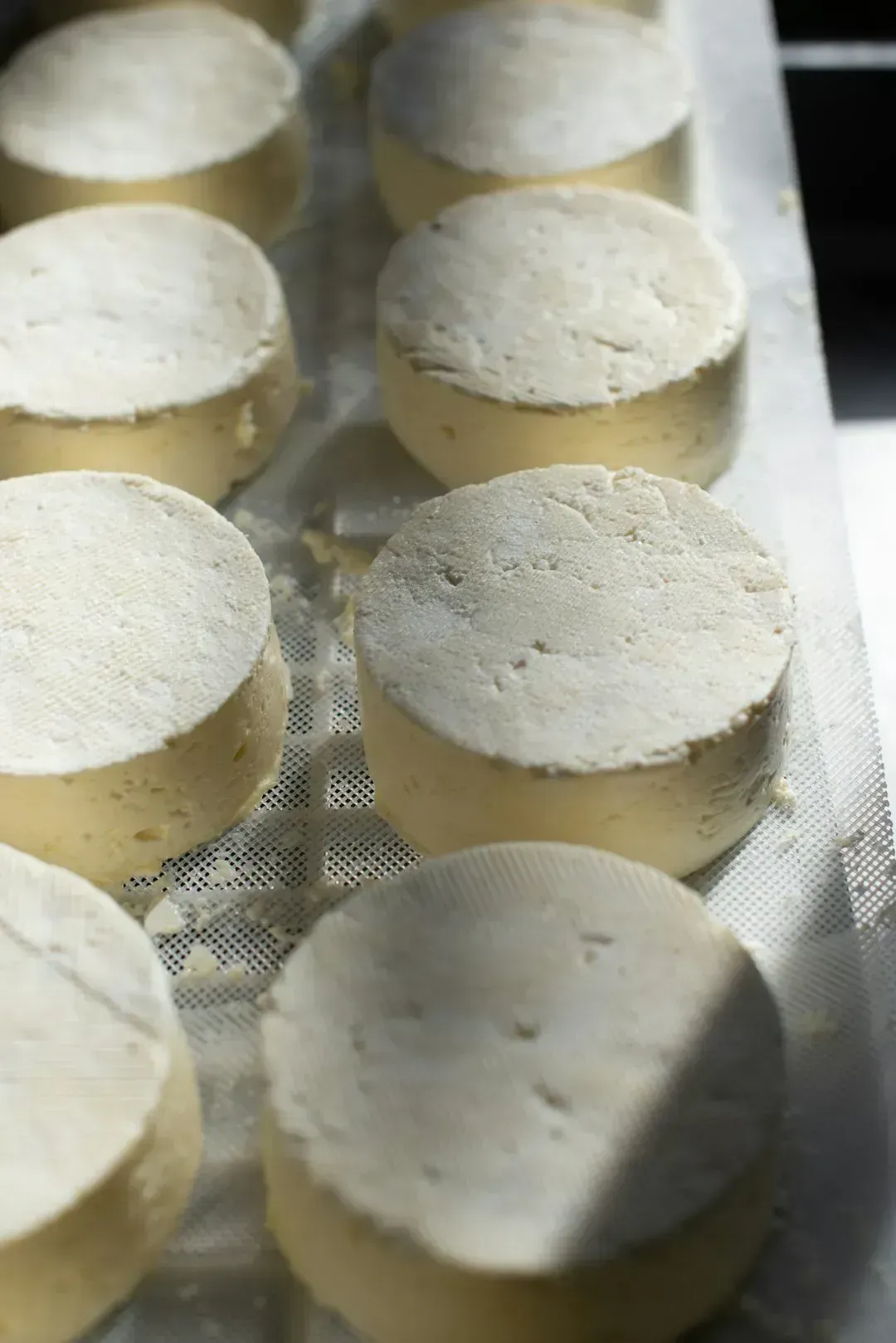
It sounds counterintuitive to want a food package that isn’t fully sealed, but cheese is different from meat or produce in this respect. Low-density polyethylene, the plastic often used in cheese paper, is not commonly used for food packaging because it is not a complete barrier, while plastic food film like Saran wrap is designed to be a full barrier, but cheese doesn’t want that. Cheese needs some porosity.
This porosity matters most for aging or ripening cheeses, where microbial activity on the surface is still doing work. Butcher paper, by contrast, is a complete barrier designed to hold bloody meat, but for cheese, some oxygen exchange is what’s wanted. Wax paper sits somewhere in between a full seal and open air, which is closer to what cheese actually needs than a vacuum-tight wrap.
What professional cheesemongers actually recommend
Ask people who sell cheese for a living, and the answer rarely starts with plastic. Cheese experts have long recommended wrapping cheese in aluminum foil or waxed paper, with waxed paper being considered the best of the two, since wrapped this way, the cheese is able to breathe and further develop without drying out.
That said, professionals rarely stop at a single layer of paper alone. Depending on the cheese and the condition of your refrigerator, it can help to overwrap the waxed paper with plastic wrap to avoid the plastic contacting the cheese directly, while still preserving moisture. That layered approach hints at something important: wax paper and plastic aren’t necessarily enemies, they just serve very different jobs depending on where they sit relative to the cheese itself.
Purpose-built cheese paper versus ordinary wax paper
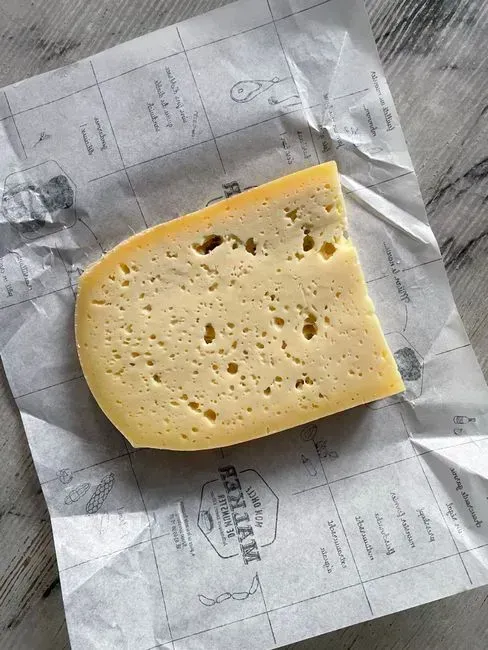
Specialty cheese paper is often confused with basic wax paper, but the two are engineered quite differently. Classic French cheese packaging is made by combining a sheet of paper with a thin sheet of low-density polyethylene, and this distinction matters because low-density polyethylene isn’t commonly used for food packaging since it isn’t a complete barrier. That controlled imperfection is intentional, allowing gas exchange while still holding onto humidity.
The real-world performance gap between the two materials can be significant. In an interview about cheese storage testing, one cheese paper supplier described results from an appliance manufacturer’s shelf-life study, noting that they found cheese kept three times longer in the bags versus plastic food film. Plain wax paper won’t match that engineered performance exactly, but it moves in the same direction, away from a hard plastic seal and toward controlled breathing.
Which cheeses benefit most from wax paper
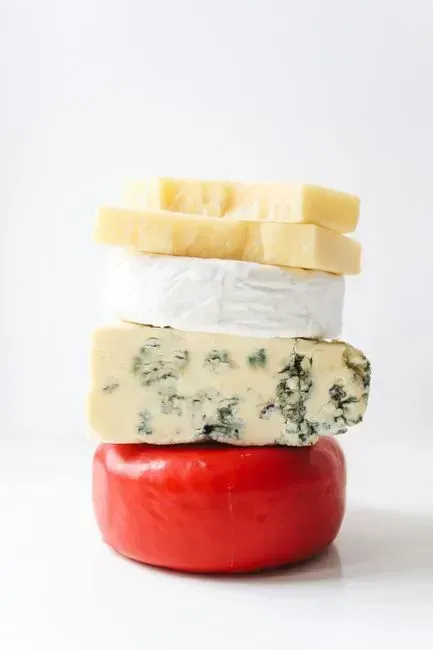
Not every cheese behaves the same way once wrapped, and texture plays a big role in what wrapping suits it best. In a pinch, wax paper works best for softer cheeses, while aluminum foil tends to suit firm to hard cheeses better. Soft, high-moisture cheeses are exactly the kind that suffer fastest under a tight plastic seal, since trapped condensation on their surface encourages unwanted bacterial growth.
Hard, aged cheeses have their own quirks too. The harder the cheese, the longer it stays fresh, sometimes up to a month in the vegetable drawer, while semisoft cheeses usually last several weeks, and cut pieces of soft cheese hold up for less than two weeks. That difference in shelf life is one reason cheese shops don’t use a single universal wrap for everything they sell.
When plastic wrap still has a place
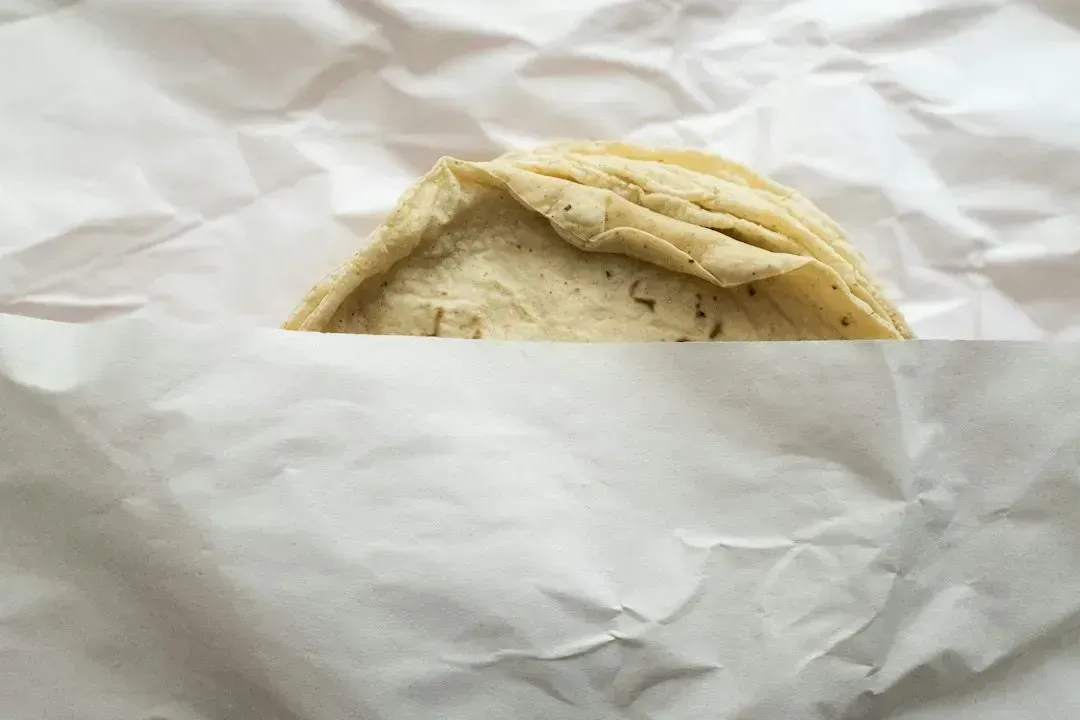
It would be an overstatement to say plastic wrap has no legitimate use around cheese at all. Some outlets recommend a middle path rather than banning plastic outright, as avoiding plastic wrap or zip top bags where possible and instead wrapping cheese in parchment paper, wax paper, beeswax wraps, or cheese paper gives it a chance to breathe while retaining its moisture, which implies plastic isn’t automatically catastrophic, just less ideal as a first choice.
There are also practical workarounds if wax paper isn’t on hand. If you must wrap in plastic wrap, after opening the cheese, it helps to clean the cut surface by giving it a light scraping with the edge of a knife to remove the contacted area before eating it. That small step limits how much off flavor actually reaches your palate, even if it doesn’t solve the underlying moisture problem.
Common mistakes people make with either material
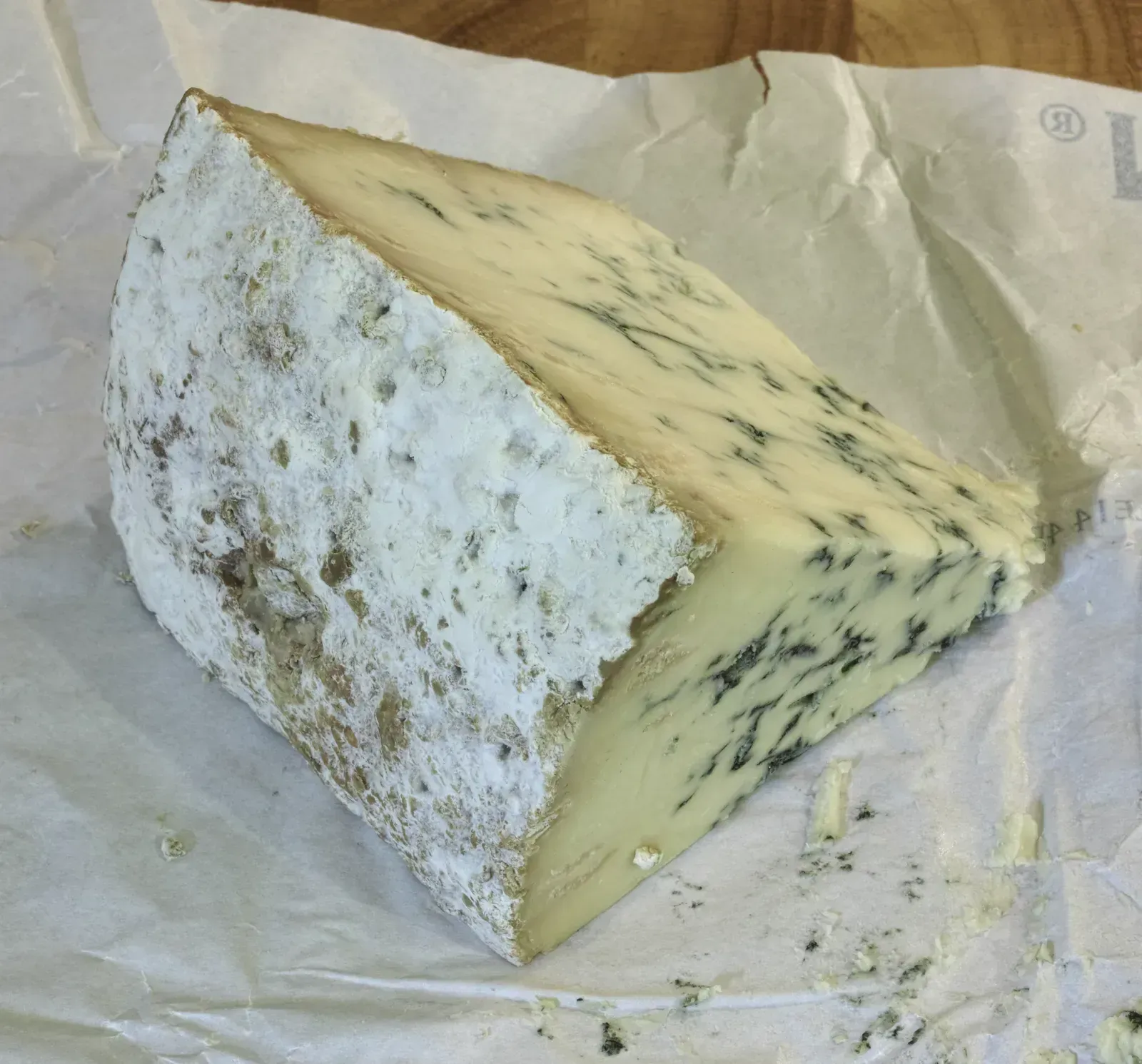
Wrapping material only solves half the problem if storage habits are off elsewhere. Whether using aluminum foil, waxed paper, or plastic wrap, once a cheese stored in the refrigerator has been unwrapped, the wrapping should be discarded and the cheese put in a fresh one, since reused materials won’t reseal properly. Reusing a soggy, cheese-scented piece of paper or plastic is a common shortcut that undermines whatever material advantage you started with.
Cross-contamination between cheese types is another frequent misstep. Cling wrap in particular is often discouraged because it makes cheese sweat, and pairing that moisture buildup with multiple cheese varieties stored too close together can accelerate flavor transfer and spoilage across an entire fridge drawer.
A practical wrapping approach that works at home
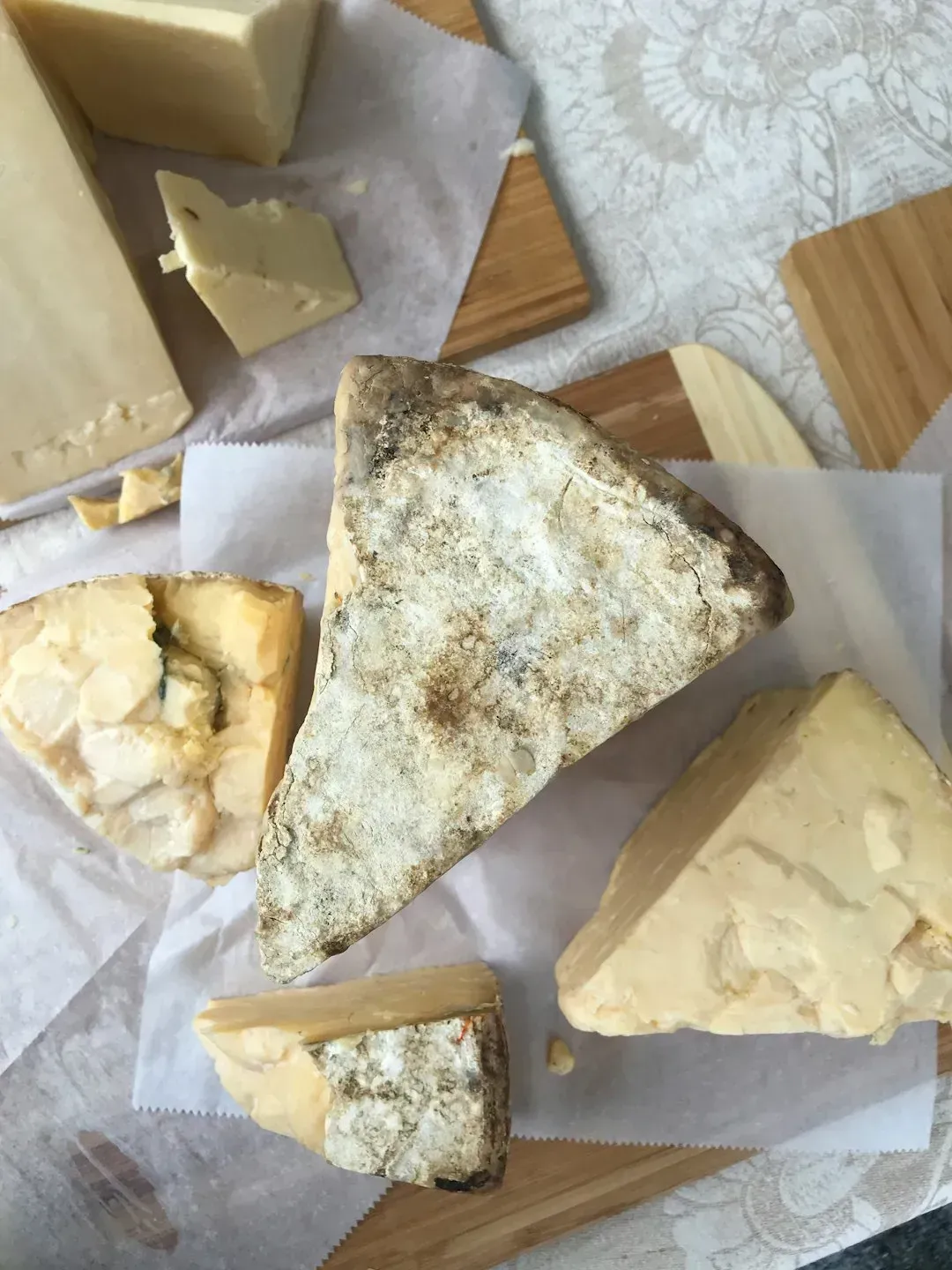
For most home cheese drawers, a hybrid method beats either material used alone. Loosely wrapping cheese in wax paper and then placing it inside a lidded container is a widely used approach among people who take cheese storage seriously, since mostly wrapping cheese loosely in wax paper lets it breathe, and then putting it in a lidded container adds the humidity control that plain paper alone can’t provide.
Location in the fridge matters just as much as the wrap itself. Cheese is best stored in the refrigerator as close to the bottom of the appliance as possible, with the vegetable compartment being ideal. Combine that placement with a breathable wax paper layer and a loosely closed container, and you get most of the benefit of professional cheese paper without buying anything specialized.
The bottom line on wax paper versus plastic

Wax paper isn’t a magic fix, and it isn’t identical to the specialty cheese paper sold by cheesemongers, but it solves the core problem that plastic wrap creates. It lets cheese breathe a little while still holding onto enough moisture to prevent it from drying into a hard, cracked husk. Plastic wrap’s biggest sin isn’t that it’s plastic, it’s that it seals too completely for a food that is still quietly changing inside your fridge. For most home cheese storage, wax paper paired with a loosely lidded container beats a tight plastic seal in nearly every practical sense, even if it will never fully replace the engineered papers used behind the counter at a serious cheese shop.





Leave a Reply