
Two decades of opening my home to dogs waiting for their forever families has taught me things no training manual ever could. I’ve fostered puppies who turned into calm, steady adults and rescued seniors who surprised everyone with their playfulness. What I’ve noticed, again and again, is that certain traits show up early and tell you almost everything about whether a placement is going to work.
Shelters and rescue groups often talk about matching energy levels or breed tendencies, but after hundreds of dogs passing through my house, I’ve come to rely on a different set of signals. These aren’t things you’ll necessarily find on an adoption profile. They’re the quiet, observable behaviors that tell you whether a dog is going to settle into a new life with ease, or whether the transition is going to take real patience and structure.
Resilience After a Startle
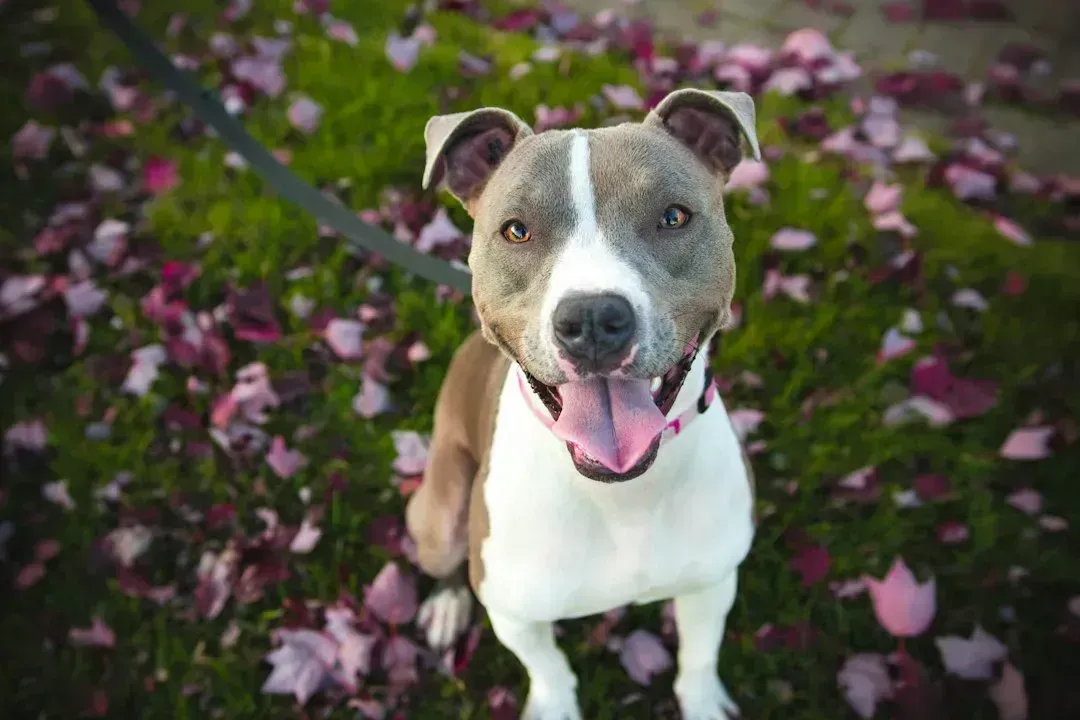
Every foster dog gets startled at some point. Someone drops a pan, a car backfires outside, another dog barks unexpectedly. What matters isn’t the initial flinch, since that’s completely normal, but how quickly the dog recovers and re-engages with its surroundings.
Dogs who bounce back within seconds tend to adapt well to new homes, new routines, and new people. The ones who stay frozen or shut down for extended periods often need more decompression time before a permanent placement, and rushing that process tends to backfire. I’ve learned to watch this recovery window closely because it predicts how a dog will handle the inevitable chaos of a new household.
Willingness to Approach a Stranger
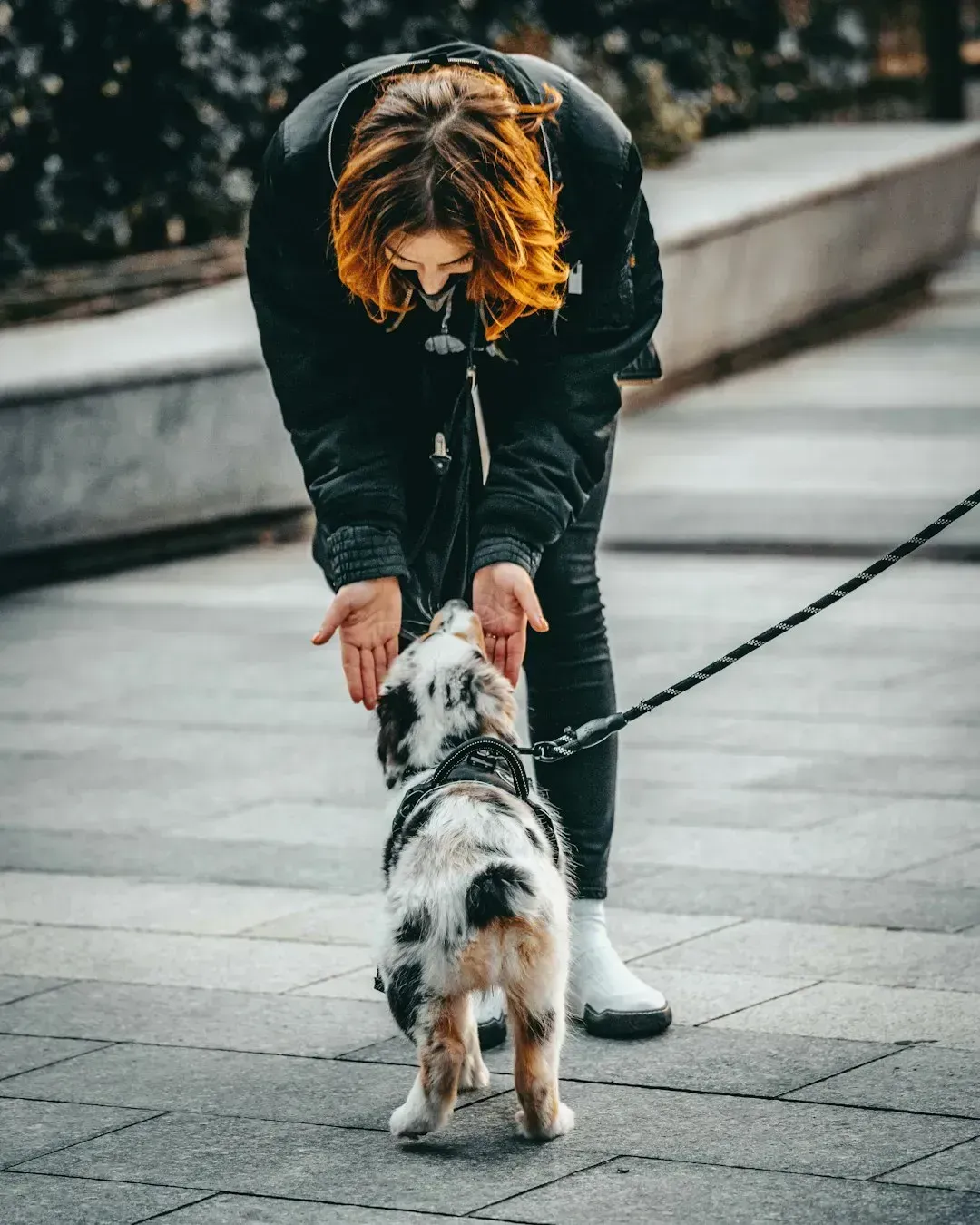
I always pay attention to how a dog responds when a new person walks into a room, especially someone calm and non-threatening. A dog that eventually chooses to approach, sniff, and check things out on its own terms is showing confidence that translates well to adoption.
This doesn’t mean a shy dog is a bad candidate. It just means the timeline and the type of household matter more. Dogs who approach readily tend to do well in busy homes with visitors, kids, or other pets, while more hesitant dogs often thrive in quieter, single-adopter households where they can build trust gradually.
How They Handle Being Alone
Separation anxiety is one of the most common reasons adoptions fail, and it’s something I test early by leaving a foster dog alone in a room for short, gradually increasing intervals. Some dogs settle immediately, find a spot, and relax. Others pace, whine, or scratch at doors within seconds.
According to the American Society for the Prevention of Cruelty to Animals, separation-related behaviors are among the top reasons dogs are returned to shelters after adoption. A dog that can self-soothe during short absences is usually a much easier placement, especially for adopters who work outside the home. This single trait alone has saved several of my foster dogs from being returned within the first month.
Body Language Around Food
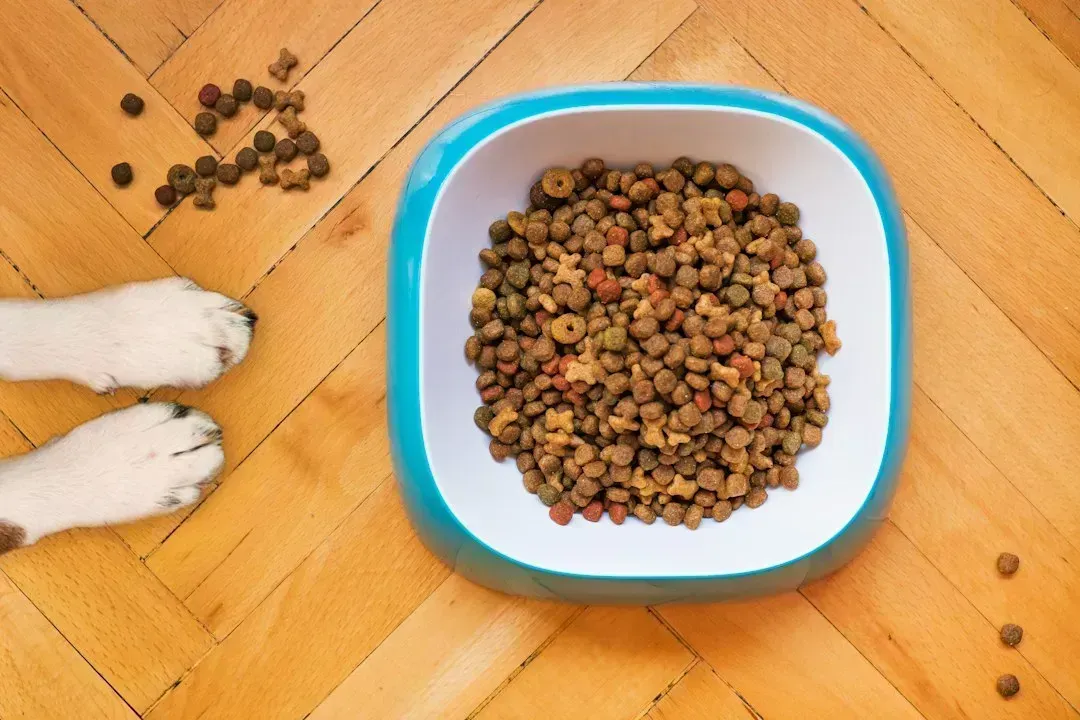
Resource guarding shows up in subtle ways long before it becomes a real problem. I watch how a dog eats when another dog or a person walks past the bowl, noting stiffness, freezing, or a hard stare versus a relaxed, unbothered posture.
Dogs that stay loose and easy around food, treats, and toys tend to integrate smoothly into multi-pet households or families with young children. Dogs showing early guarding tendencies aren’t unadoptable by any means, but they need adopters who understand management techniques and are willing to work with a trainer if needed.
Recovery Speed With Other Dogs
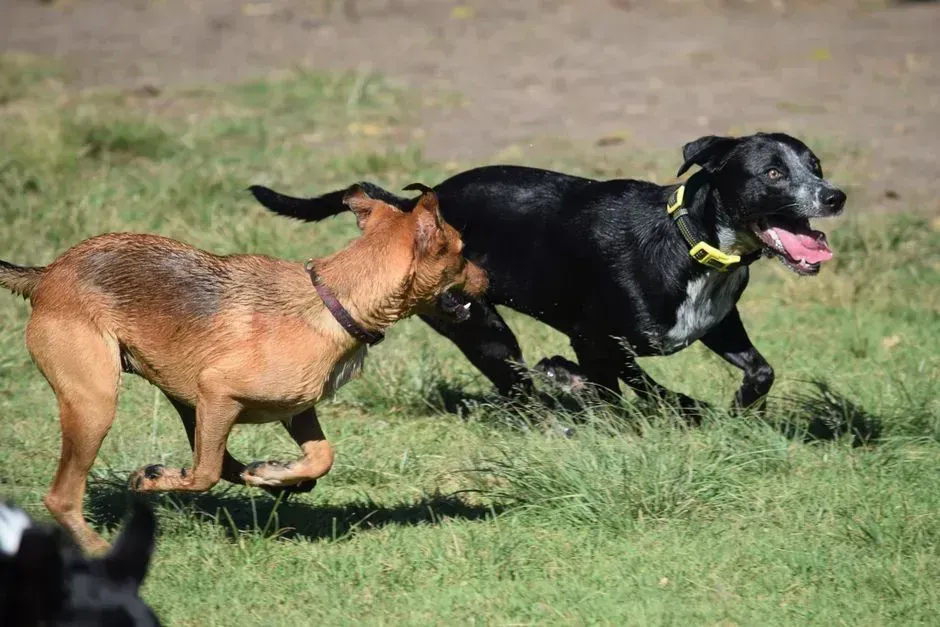
Play style tells you a lot, but recovery after a tense moment with another dog tells you even more. A brief scuffle or a growl during play is common and not automatically a red flag. What matters is whether both dogs shake it off and go back to normal within a minute or two.
Dogs who hold grudges, stay tense, or avoid the other dog for the rest of the day often need single-pet homes or a much slower introduction process elsewhere. The ones who reset quickly are usually flexible enough to handle the unpredictability of dog parks, multi-dog households, or busy shelters during the transition period.
Response to Gentle Handling
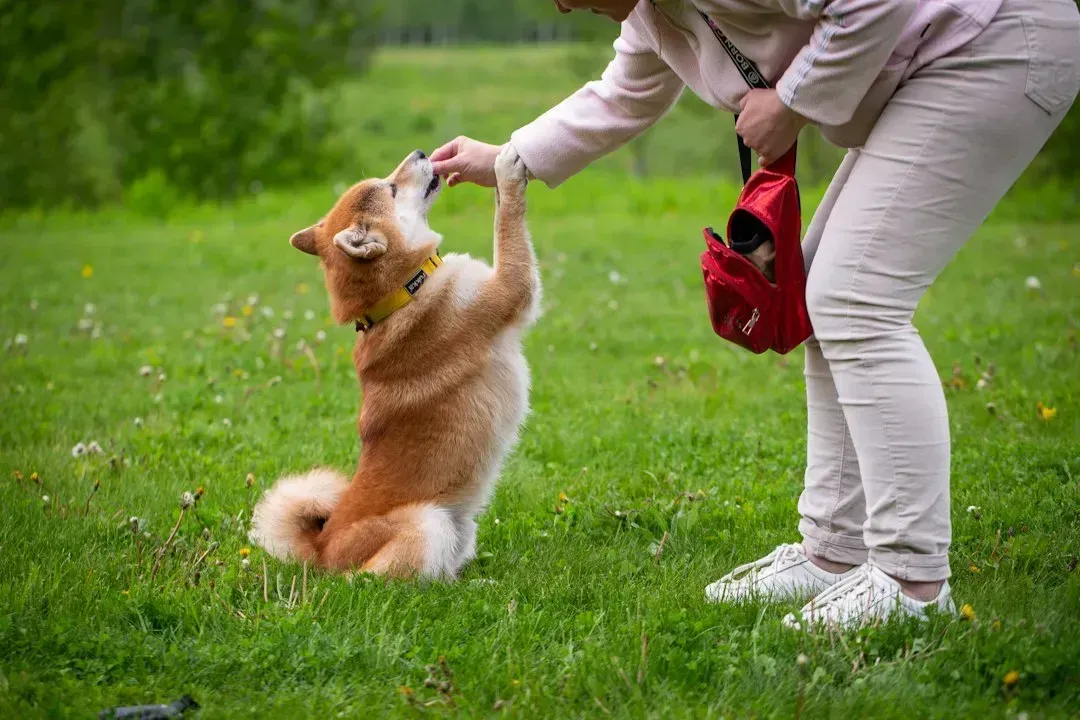
I always spend time touching paws, ears, and tails during the first week, not because every dog loves it right away, but because the reaction tells me how much handling sensitivity exists. A dog that tolerates or even leans into gentle touch is signaling comfort with the kind of physical affection most adopters want to give.
Dogs who tense, pull away sharply, or show teeth during basic handling aren’t necessarily aggressive, but they usually need adopters with realistic expectations and possibly professional guidance. This trait becomes especially important when matching dogs with families that have young children, since kids rarely handle dogs as gently as adults do.
Curiosity in New Environments
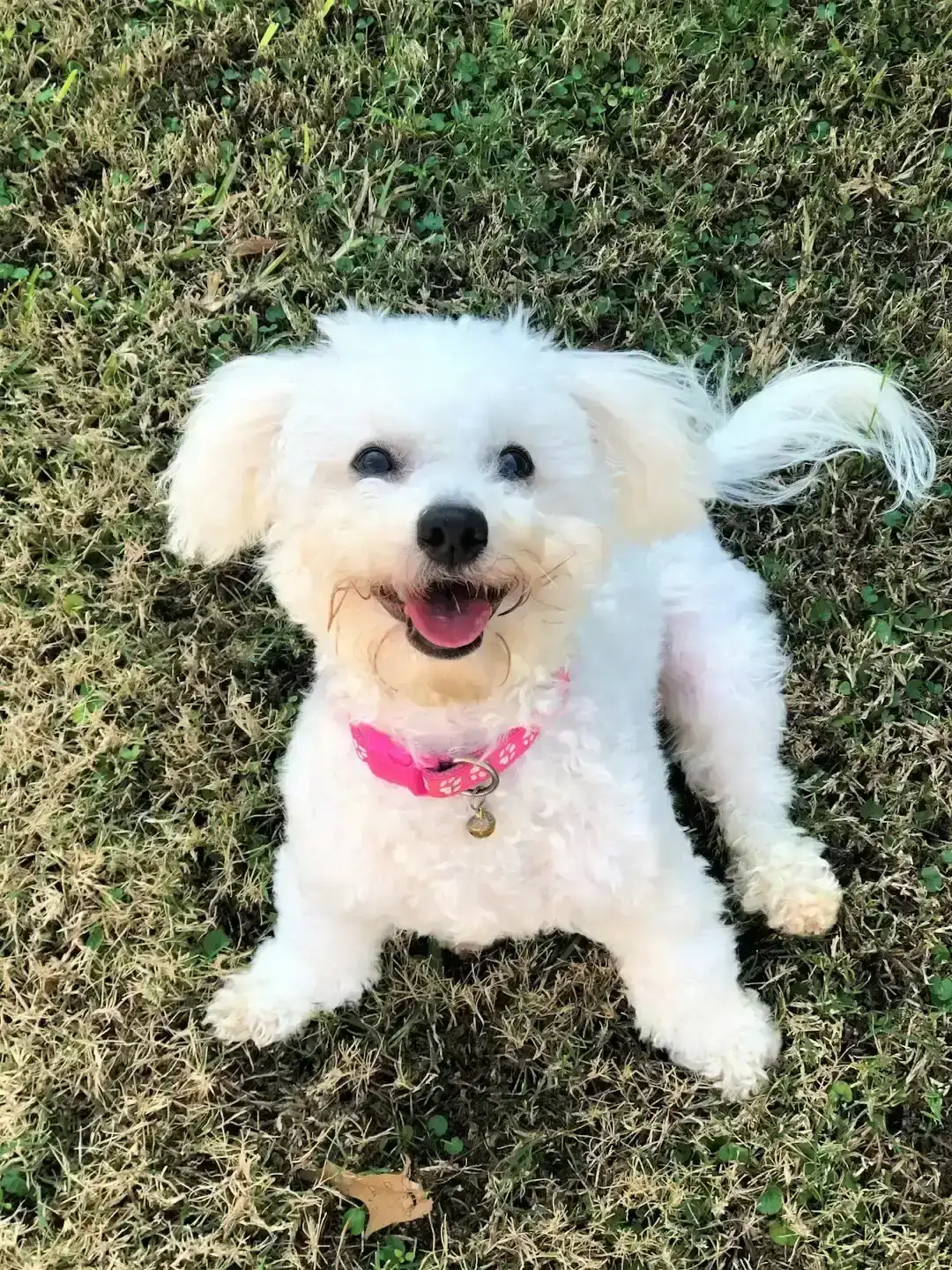
Taking a foster dog somewhere new, whether it’s a friend’s backyard or a quiet parking lot, reveals a lot about adaptability. Dogs who sniff around, explore cautiously but steadily, and show interest in their surroundings tend to handle moving into a new home with far less stress.
Dogs who freeze, refuse to move, or try to retreat to the car every time usually need a much slower introduction process to new environments after adoption. This trait matters more than people expect, since every adopted dog eventually faces vet visits, car rides, and unfamiliar places as part of normal life.



Leave a Reply