
Most people have handled one without thinking twice about it. That drummer boy on the back, the dual date reading “1776–1976,” the familiar profile of George Washington on the front – it all looks ordinary enough. If you’ve found a coin with “1776-1976” on it and a drummer boy on the back, you’ve got a Bicentennial Quarter – and it might be worth a lot more than 25 cents.
The Bicentennial Quarter, minted in 1976 to celebrate America’s 200th anniversary, remains one of the most fascinating coins in U.S. history. While millions were produced for circulation, certain rare varieties and high-grade examples have become highly sought after by collectors. In 2026, interest in these coins has surged, with some Bicentennial Quarters commanding values far beyond their face value. The reasons behind this renewed attention involve history, scarcity, and the kind of collector energy that builds quietly before prices catch up.
A Coin Born From a National Competition
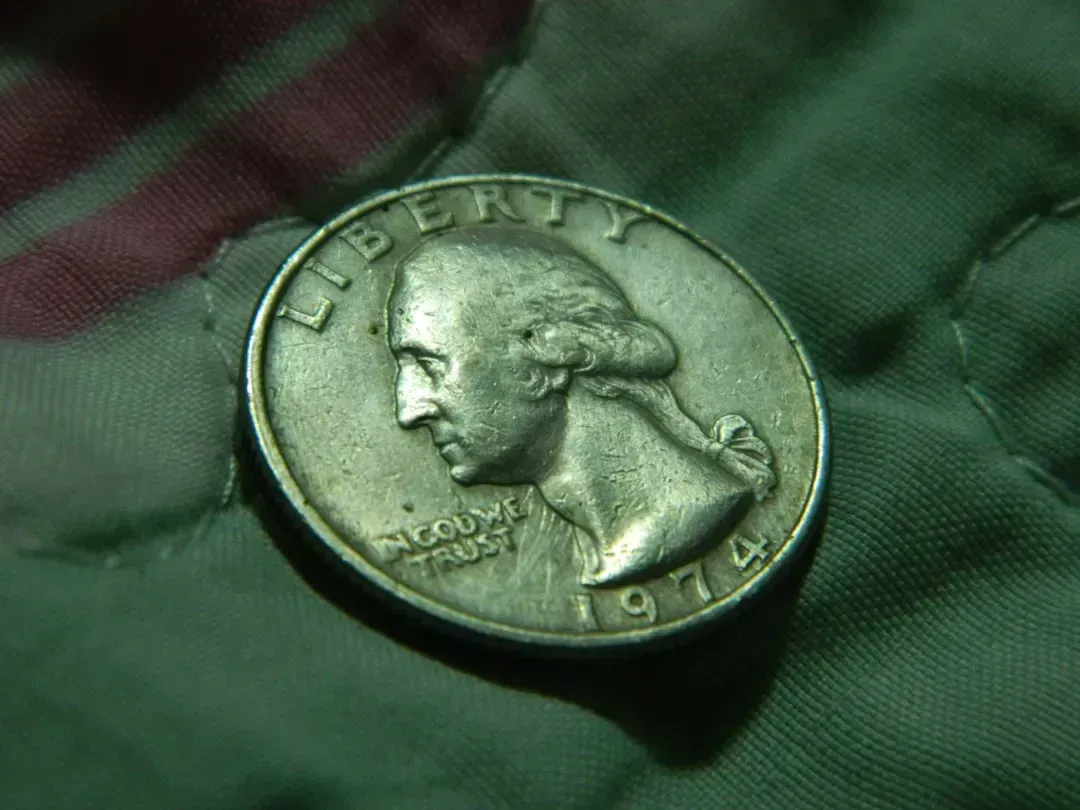
The story of this coin begins in October of 1973 when the U.S. Treasury held a public competition to design commemorative U.S. coins to celebrate the Bicentennial. The quarter dollar, half dollar, and dollar coins would retain the obverse design, but the reverse of each coin would be changed for the years 1975 through 1976.
Jack L. Ahr’s design was chosen for the quarter. He featured a colonial drummer with a torch of victory and 13 stars for the original colonies around him. On March 6, 1974, Ahr’s design was selected by the U.S. Mint and he won the competition along with a $5,000 prize. The drum, the torch, and those 13 stars made for an immediately recognizable reverse that has aged well over the decades.
Staggering Numbers – and What That Means for Collectors
Over 1.6 billion Bicentennial quarters were eventually struck across three facilities: Philadelphia (no mint mark), Denver (D), and San Francisco (S). The program officially ended in 1976, but these quarters remained legal tender and kept circulating – making them still findable in pocket change today.
One of the reasons these coins do not command a higher premium today is that they were struck in numbers exceeding the need for circulation. The goal was for as many Americans as possible to be able to obtain a Bicentennial set. In a 1996 study, T.V. Buttrey found that roughly about one third of all Bicentennial circulation quarters – approximately 750 million – were hoarded. That hoarding, ironically, kept many examples in average condition, which caps most of their values. Still, it also means genuine gems occasionally surface.
The Three Varieties and Why They’re Not Equal
The Bicentennial Quarter comes in seven distinct varieties across three mint facilities, each with different mintage numbers, compositions, and collector appeal. The Philadelphia quarter is the most common in the series, with nearly 810 million produced. Most circulated examples are worth face value – 25 cents.
Denver produced 860 million Bicentennial quarters – the largest single mint output of the series. Yet fully struck 1976-D quarters are not common. Research by CoinWeek specialists confirmed that most Denver Bicentennial quarters suffer from incomplete strikes, especially on the drum’s top rim and clasp. San Francisco is where real scarcity lives. Only 11 million silver quarters were struck, and just 1.05 million survive today – a survival rate of about one in ten.
The Silver Versions: A Different Animal Entirely
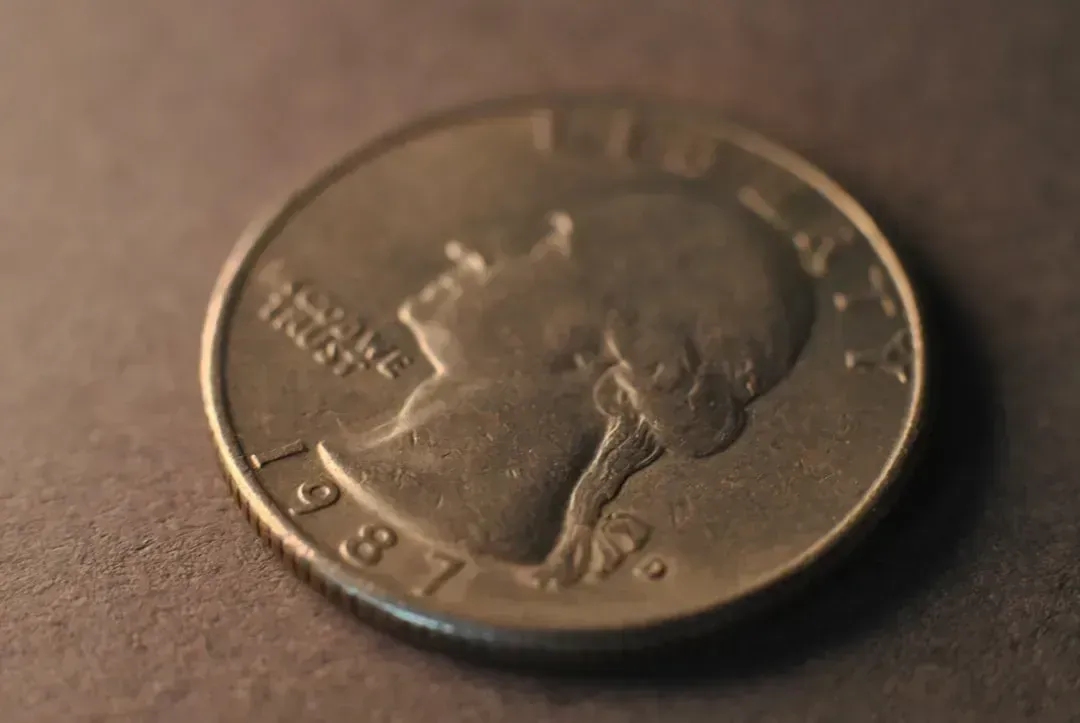
The 1976-S 40% Silver Proof Bicentennial Quarter occupies a special place in American numismatics as both a commemorative issue and a premium collectible. Unlike the billions of copper-nickel Bicentennial quarters struck for circulation, this silver proof version was produced exclusively for collectors who purchased special three-coin silver proof sets from the U.S. Mint. The 40% silver composition adds intrinsic precious metal value beyond the coin’s numismatic appeal, while the proof finish showcases the Colonial drummer design with a level of detail and beauty that circulation strikes simply cannot match.
A 1976 Quarter silver version from the San Francisco Mint, graded MS69, can be worth up to $19,200. Millions of silver Bicentennial quarters were melted in 1982 and subsequent years, reducing the surviving population and increasing scarcity for serious collectors. The melt events of the early 1980s were largely forgotten by the general public, but they matter a great deal to anyone tracking today’s supply.
Condition Is Everything – The Grading Reality
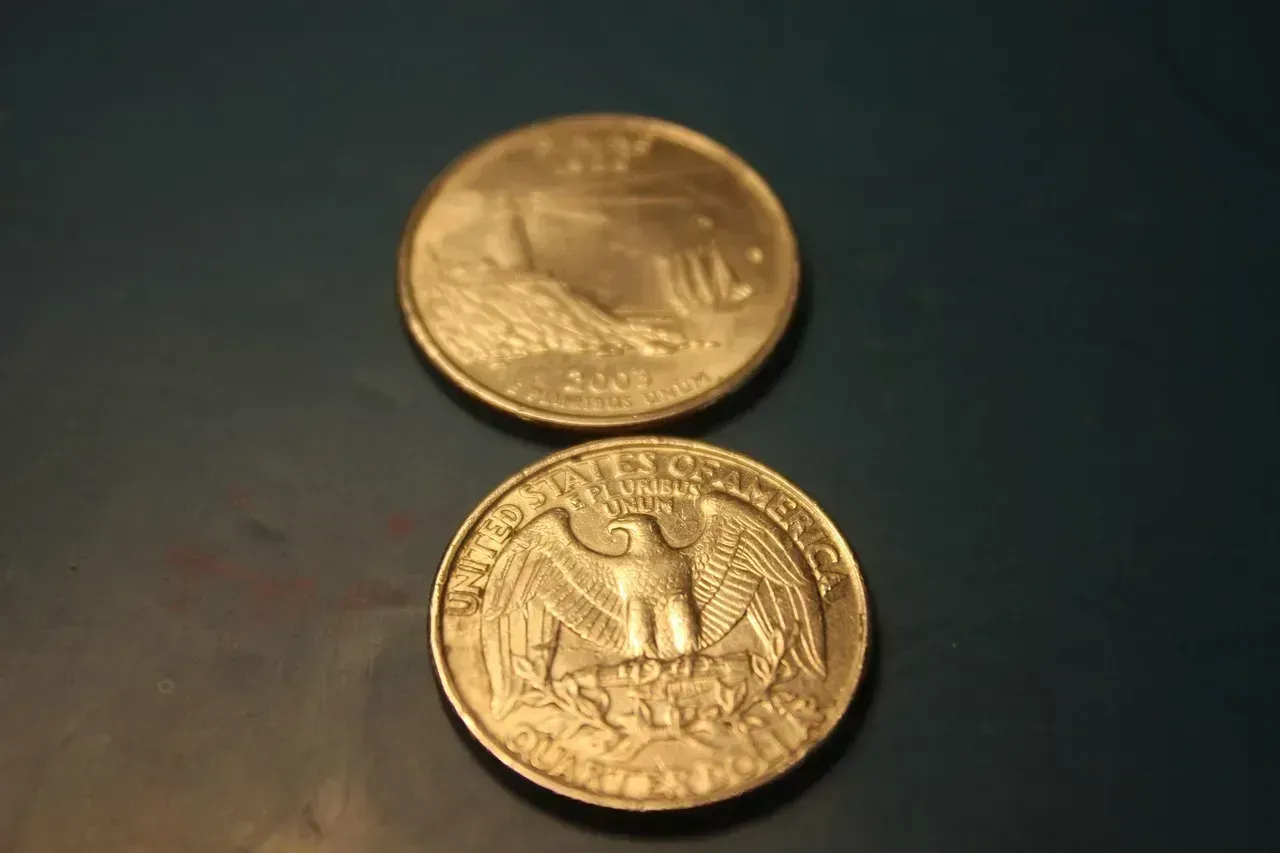
Condition is paramount. Coins without wear, showing full original luster and sharp strike details, are worth substantially more than circulated examples. High-grade coins with minimal marks are particularly scarce because 1970s minting standards did not consistently produce flawless surfaces.
The PCGS population data underscores this: out of 3,038 total grading events for the 1976-D, only 13 coins have been certified MS68 by PCGS and 15 by NGC as of September 2024. That makes MS68 a legitimate condition rarity. The auction record for a 1976-D MS68 is $6,462.50. A Philadelphia quarter in pristine MS68 condition is worth approximately $4,500. These numbers shift the conversation entirely – this is no longer a story about a common quarter.
The Error Coins That Can Change Everything
Error coins can turn an ordinary 1776 to 1976 Bicentennial quarter into a five-figure collectible. The key is knowing which errors are genuinely rare and what they look like – and understanding that some commonly discussed “errors” are actually common and worth very little.
The most documented and most sought-after error in the entire Bicentennial series shows clear doubling specifically on the letter “R” in “LIBERTY” and on the dual date “1776-1976,” while another variety shows pronounced doubling on “IN GOD WE TRUST” and on Washington’s profile. Both errors came from dies that were hubbed twice in slightly different positions during manufacturing. The PCGS population report records 59 FS-101 and 97 FS-102 grading events; NGC has recorded 23 FS-101 and just 3 FS-102 examples – making the latter the scarcer of the two.
Notable Auction Results Worth Watching
A 1976 MS64 coin set an auction record of $2,520 on August 18, 2024, highlighting its rarity and desirability in superior condition. A 1976-D quarter obverse die cap error sold in an August 19 Stack’s Bowers sale for $2,880. These are not anomalies – they represent a pattern of increasing prices at reputable auction houses.
The most notable error variety from the series is the 1976 Quarter struck on a 10-cent dime. In 2021, a proof-graded 67 was sold at Heritage Auctions for $12,000. Over the past decade, values for rare Bicentennial Quarters have steadily increased. Common circulation strikes remain worth face value, but silver issues and rare errors have seen significant appreciation. Auction records highlight the growing demand for high-grade coins, with collectors willing to pay premiums for certified examples.
The 50th Anniversary Effect on Demand
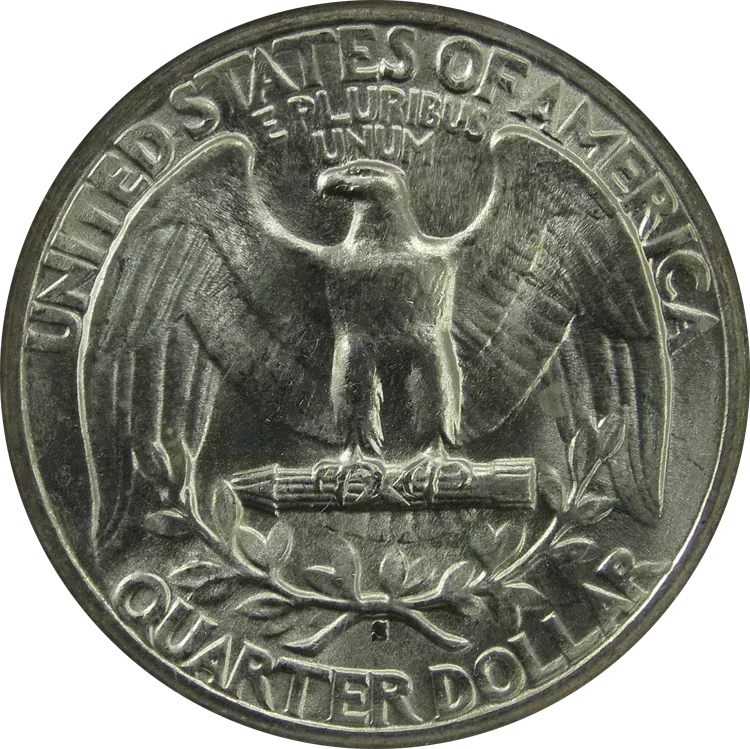
As we approach the 50th anniversary of the Bicentennial celebration in 2026, interest in these commemorative coins may experience renewed growth. The combination of historical significance, precious metals content in silver varieties, and the natural collector appeal of well-designed American coins suggests stable to increasing demand for premium examples.
The market for Bicentennial quarters remains strong in 2026, further fueled by the U.S. Mint’s Semiquincentennial (250th Anniversary) celebration. This nationwide event has sparked a resurgence in collecting dual-dated coins, driving up the demand for high-grade 1776-1976 specimens. Milestone anniversaries have long shaped the numismatic market. Every major historical anniversary has sparked renewed interest in related coins.
How to Tell If Your Quarter Is Silver
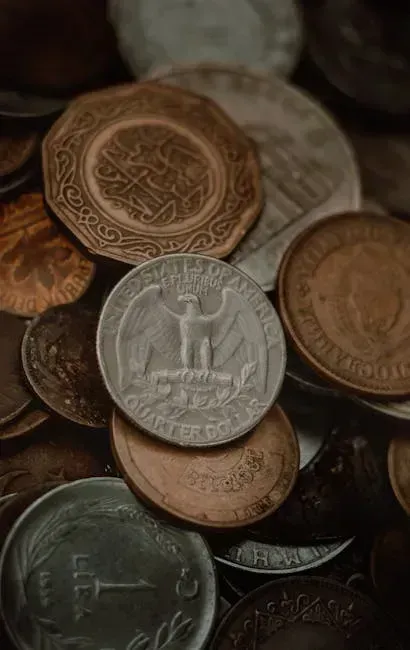
First, look at the edge of the coin: a clad quarter shows a visible reddish-copper stripe running through the middle of the edge, while a silver quarter has a completely uniform silver-colored edge with no copper line at all. Second, weigh it on a digital scale: clad weighs 5.67 grams, silver weighs 5.75 grams. Third, check the mint mark: silver Bicentennial quarters were only made at San Francisco, so an “S” mint mark is a strong clue.
The 40% silver Bicentennial quarters contain approximately 0.148 ounces of pure silver. With current silver spot prices, the melt value alone provides a baseline for these coins’ worth. Even without any collector premium, that silver content gives the San Francisco issues a floor that clad coins simply don’t have.
What Collectors and Investors Should Do Now
While most Bicentennial Quarters are common, rare examples offer strong investment potential. Silver proofs, high-grade circulation strikes, and error coins have consistently appreciated in value. For investors, focusing on certified coins with strong provenance is the best strategy. These coins are more likely to retain and grow in value, especially as demand continues to rise in 2026 and beyond.
Preserving Bicentennial Quarters is essential for maintaining their value. Coins should be stored in protective holders and kept in climate-controlled environments. Handling coins with bare hands can cause damage, so collectors use gloves to prevent oils and dirt from affecting surfaces. Cleaning coins is strongly discouraged, as it can reduce their value. Professional conservation is recommended for rare and valuable pieces. A coin that looks temptingly dirty is almost always worth more untouched than after an amateur cleaning.




Leave a Reply