
The United States has more than 19,000 incorporated cities and towns. That’s a lot of ground to cover, and most of us barely scratch the surface. According to a study conducted by Ipsos for Livability.com, the average American has visited just about twelve and a half states in their lifetime – which, when you think about the sheer size of this country, is a pretty small slice of what’s out there. Cities tell an even tighter story.
Polling by YouGov found that roughly two thirds of Americans have visited Florida, making it the most-visited state, while just over half have visited New York, Washington D.C., Texas, and California. Most people cluster their travel around a handful of familiar, heavily marketed destinations and rarely wander far beyond. Here’s a look at the cities that define American domestic travel – and how your own list stacks up.
New York City: America’s Undisputed Gateway
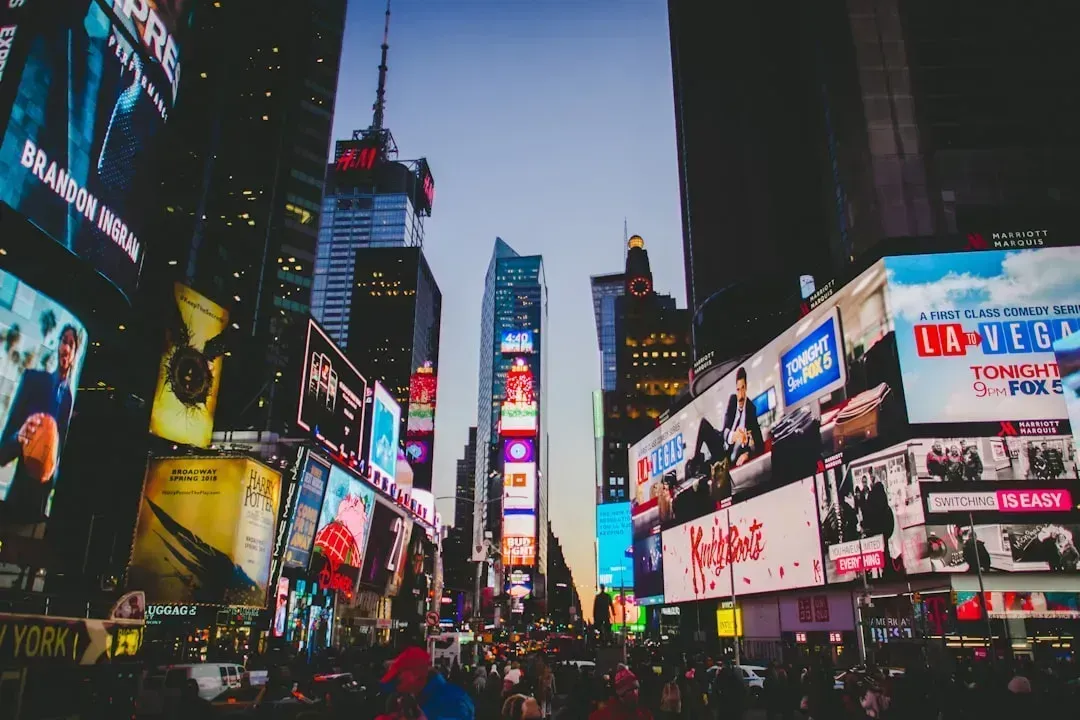
New York City received 9.5 million overseas visitors in 2024, nearly double the second-place city, making it the single most visited urban destination in the country by a wide margin. The numbers for domestic visitors are even more staggering. Times Square alone is visited by nearly 50 million people every year, and Central Park consistently draws tens of millions more.
New York City attracted 9.5 million overseas visitors in 2024, which equaled more than a quarter of all overseas travelers to the entire United States, making it the clear gateway city for international tourism. For Americans, NYC is often the first major city they visit outside their home region. The city has something for everyone, whether you’re an art lover or a foodie, and it’s also home to America’s top tourist attraction in 2025: Central Park.
Orlando: Theme Parks and the Pull of Florida

In 2024, the top domestic destinations for U.S. travelers included California, Florida, New York, Nevada, and Hawaii, with Florida pulling double duty thanks to two of the country’s biggest draws: Orlando and Miami. Orlando’s identity is built almost entirely on family travel. The Magic Kingdom in Florida is the most visited theme park in the country, drawing over 20 million visitors per year.
Despite its massive popularity, a 2025 report ranked Orlando as the most disappointing tourist destination in America and the fifth-most disappointing in the world. Long lines, high costs, and summer humidity are common complaints. Still, millions keep coming back – it’s one of those cities almost every American family eventually lands in, whether they want to or not.
Miami: Sun, Culture, and a City That Keeps Rising
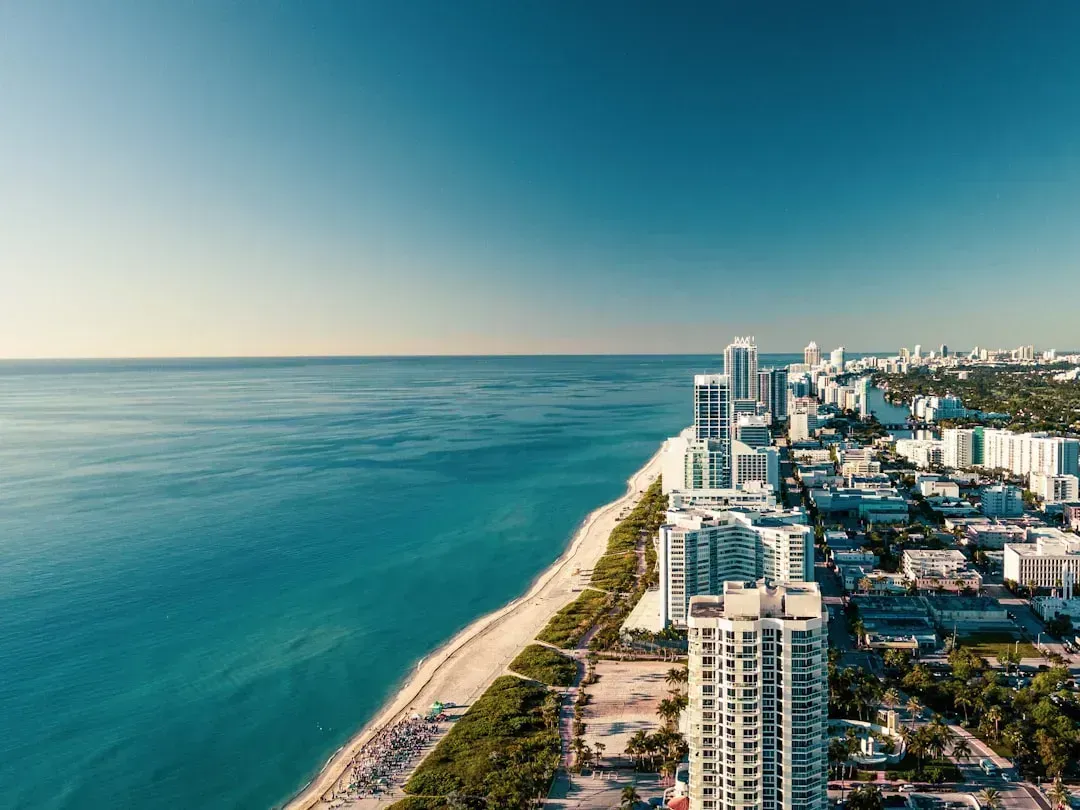
Miami’s lively nightlife and incredible weather drew over 5.1 million international travelers in 2024, and the city is known for its Latin and Caribbean influences, which give it a unique flair, from Art Deco architecture to Cuban culture in Little Havana. Domestically, it’s a perennial favorite for winter escapes. Miami has seen the biggest increase in tourism over five years, with a jump of about 2.7 percent in international visitors over the last half-decade, more than any other major American city.
With temperatures that rarely dip below 50 degrees Fahrenheit and average year-round highs in the 70s and 80s, Miami’s warmth is certainly part of the attraction, and visitors flock to the city’s sandy shores, whether sunning themselves on iconic South Beach or discovering quieter spots. Miami’s combination of beach, nightlife, and cultural identity keeps it firmly on most Americans’ bucket lists.
Las Vegas: The One City Everyone Eventually Visits
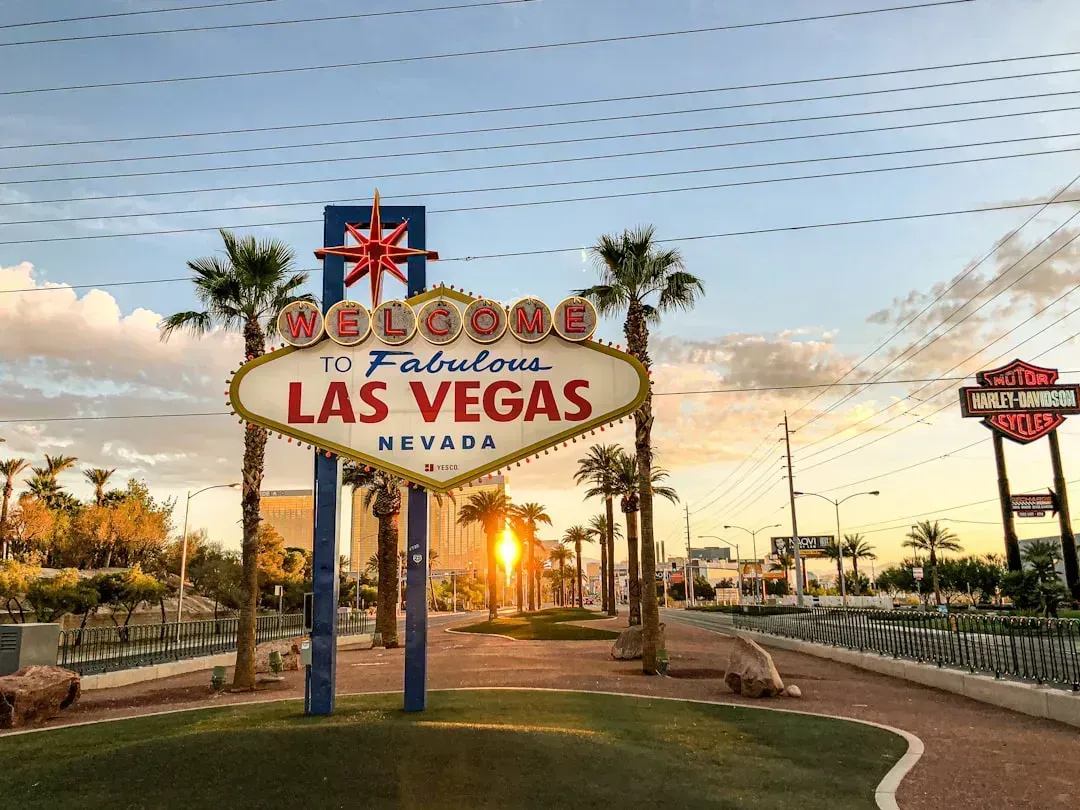
According to data from the Las Vegas Convention and Visitors Authority, Las Vegas saw more than 41.6 million visitors in 2024, up from 40.8 million in 2023. That is an extraordinary number for a metro area in the Nevada desert, and it speaks to the city’s near-universal appeal. Named the world’s best city for nightlife in 2025 by Timeout, it’s no wonder people flock to Las Vegas.
Las Vegas moved up one slot from the previous year’s rankings to overtake San Francisco as a top destination for overseas travelers. For domestic visitors, the combination of entertainment, food, conventions, and gambling creates a kind of gravity that’s hard to resist. Convention attendance in Las Vegas reached nearly six million in 2024, and nearly half of convention visitors said they were more interested in attending their event specifically because it was held in Las Vegas.
Washington D.C.: The Capital That Belongs to Everyone

The U.S. capital reported a record-breaking year in 2024, welcoming more than 27 million visitors, with 25 million of those being domestic travelers and more than 2 million international visitors representing a 10 percent increase year over year. Unlike other cities on this list, Washington D.C. draws visitors for reasons that feel almost civic – people come to see their own government, their own history, their own monuments. The Lincoln Memorial, for example, drew over 6 million visitors in 2022 alone.
YouGov polling found that more than half of all Americans have visited Washington D.C., making it one of the most widely visited cities in the country across all demographics and income levels. It is one of the rare urban destinations where school field trips, family vacations, and solo pilgrimages all converge. Entry to most of its Smithsonian museums is free, which removes one of the biggest barriers to city travel.
Chicago: America’s Second City With a Serious Claim
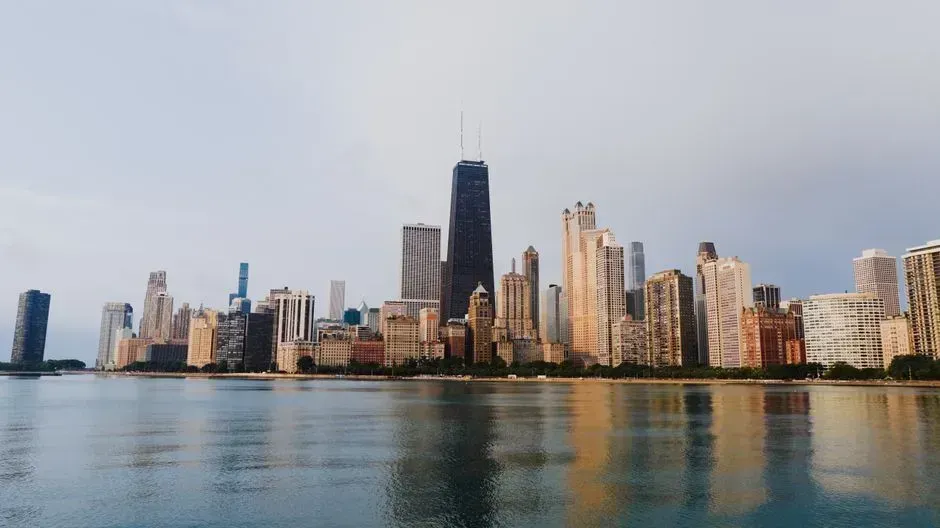
Chicago revealed its visitation numbers for 2024 and reported a post-pandemic high for international visitors, with the city welcoming 55.3 million visitors in total, reflecting a more than 6 percent increase from 2023 and generating a $20.6 billion economic impact. That’s a remarkable figure for a Midwestern city, and it shows just how much Chicago punches above its weight in the national travel conversation. Its food scene, architecture, lakefront, and music history give it a density of experience that rivals any American destination.
Cost remains the biggest barrier to travel for roughly 45 percent of Americans, and Chicago benefits from being more accessible than either coast for travelers in the middle of the country. It’s a natural hub for Midwest road trips and frequently shows up as a connecting destination that people decide to explore properly. In 2024, a significant portion of travelers opted for destinations closer to home due to rising costs, and Chicago captured much of that redirected attention.
New Orleans: The City That Gets Under Your Skin
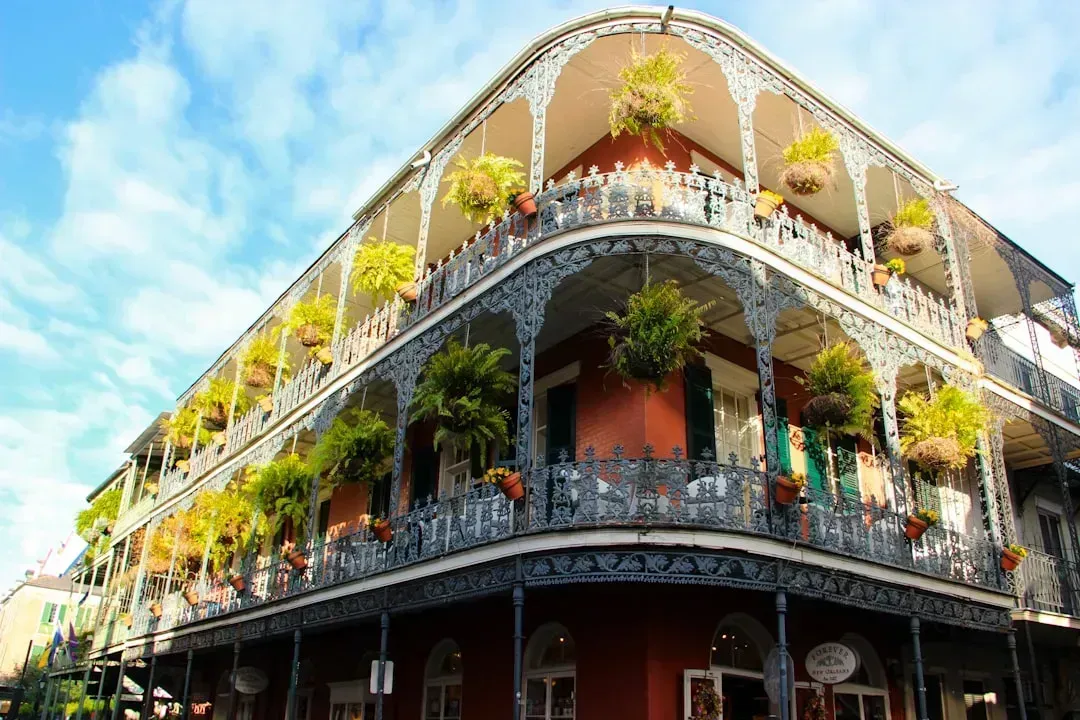
In 2024, New Orleans welcomed 19.08 million visitors, surpassing 19 million for the first time since the pandemic and only the second time in the city’s history. For a city of its size, that is a genuinely extraordinary achievement. New Orleans was ranked second in the United States in Travel and Leisure’s “World’s Best Awards 2025,” recognized for its outstanding culture, food, and hospitality.
Visitors to New Orleans in 2024 spent $10.4 billion, an 8.4 percent increase over the $9.6 billion in total visitor spending in 2023, and hotel bookings also increased by 6.4 percent. The city’s pull is harder to explain than most. It’s the food, the music, the architecture, the particular energy of the French Quarter on a Tuesday night. New Orleans was named “Best Culinary Destination in the U.S.” and honored by the Creative Tourism Network as the “World’s Best Creative Destination.” Once people go, they tend to return.
Where Most Americans Actually Fall Short
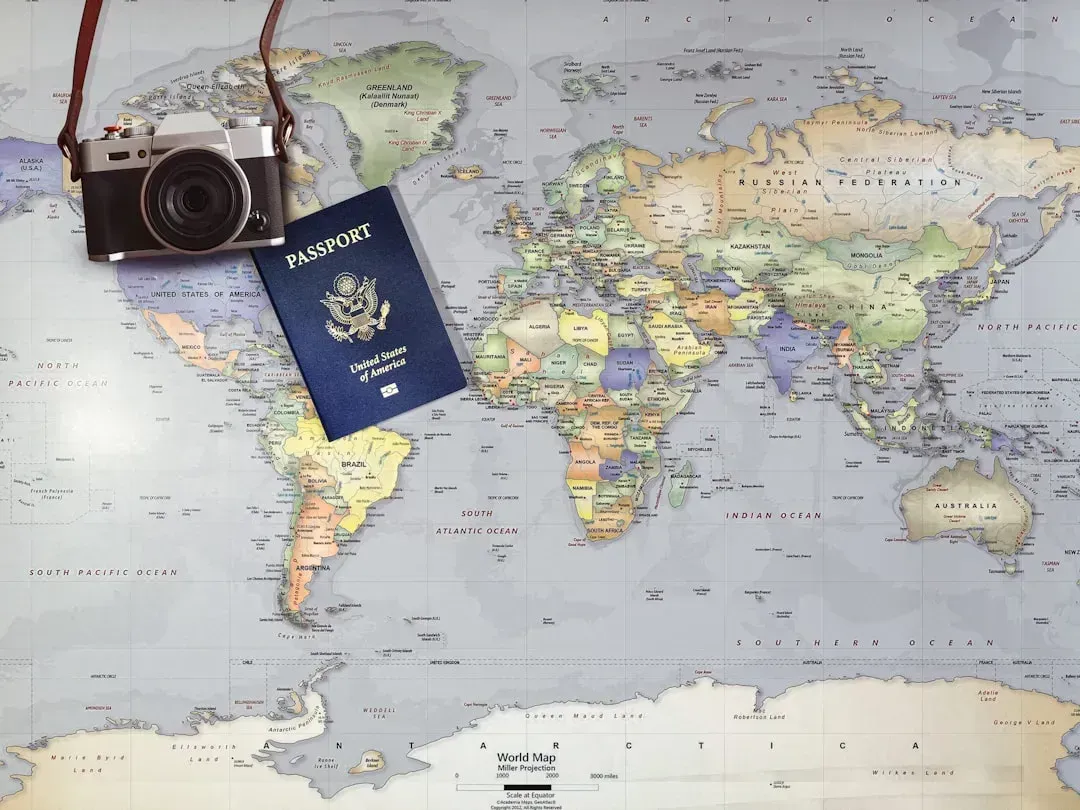
On average, many Americans visit around 10 to 15 states in their lifetime, a number shaped by family vacations, work-related travel, and personal exploration. In terms of actual cities, the range narrows further. Most people’s lists are anchored by wherever they grew up, wherever family lives, and one or two iconic destination cities they’ve managed to reach. The most common type of trip in 2025 was visiting friends or relatives, at 41 percent, followed by beach getaways and outdoor travel.
A clear majority of Americans say the current economy is impacting their travel plans, and that pressure narrows the map considerably. Cost plays the largest role in shaping travel decisions, with roughly three in five Americans reporting it has the greatest impact on their plans. The cities on this list are the ones that break through that barrier anyway – places with enough draw, enough reputation, or enough affordability to make the shortlist even when budgets are tight. How many have you actually been to?





Leave a Reply