
Waiting three days to call or text back

The “three-day rule” came from an era when phone calls were a bigger commitment and playing hard to get felt like the only leverage available. In 2026, most communication happens through text, and delayed responses often just read as disinterest or poor communication rather than mystery or confidence. Dating apps and messaging habits have shifted so fast that a multi-day gap can end a connection before it even starts.
Modern daters tend to value responsiveness and honesty over calculated distance. Research on dating app behavior consistently shows that momentum matters, meaning conversations that go quiet for too long rarely pick back up with the same energy. Waiting on purpose to seem less interested often just results in actually losing interest from the other person.
The man should always pay for the first date

This rule traces back to a time when women had far less economic independence and dating was structured around traditional gender roles. Today, many people, regardless of gender, prefer splitting costs or taking turns, especially as dating has become more egalitarian in both expectation and practice. Insisting on rigid payment rules can feel outdated or even presumptuous to daters who see the meal as a shared social outing rather than a transaction.
Plenty of couples now decide payment based on who suggested the date, financial comfort, or simple convenience rather than gender. Younger daters in particular tend to view flexibility here as a sign of respect rather than cheapness. The old assumption that paying equals interest or seriousness just does not map onto how many people think about money and dating anymore.
Never bring up past relationships

Older dating wisdom often insisted that talking about exes was taboo, something that could scare off a new partner or make someone seem hung up on the past. In practice, avoiding the topic entirely can create more confusion than clarity, especially when someone is trying to understand a person’s relationship patterns or communication style. A little honesty about past experiences, without oversharing, tends to build trust rather than destroy it.
Therapists who work with couples frequently note that context from previous relationships helps explain behaviors, boundaries, and triggers in a new one. Pretending a person has no romantic history at all is neither realistic nor particularly convincing. The goal now is less about silence and more about discussing the past in a way that is relevant, brief, and forward-looking.
Playing hard to get to seem more desirable

The idea that scarcity creates attraction has been dating advice folklore for decades, encouraging people to withhold interest to seem more valuable. While a small amount of mystery can be healthy, deliberately ignoring messages or acting uninterested often just confuses modern daters who expect more direct communication. Many people now interpret games like this as a red flag rather than a sign of high value.
Clear communication has become one of the most consistently cited preferences among daters navigating apps and busy schedules. Time is limited, and most people would rather know quickly if someone is interested than decode mixed signals. Playing games can still work occasionally, but it is far less reliable than it used to be, and it frustrates more people than it intrigues.
You have to meet in person quickly or it does not count

There used to be an unwritten rule that if you were not meeting up within a date or two, the connection was not real. But digital-first relationships have become far more normalized, especially with long-distance dating, video calls, and voice notes filling in the gap before an in-person meeting. Getting to know someone through consistent conversation before meeting is no longer seen as a warning sign, it is simply practical.
Many daters now use video calls specifically to screen for compatibility and safety before committing to meeting face to face. This shift has been especially useful for people balancing demanding jobs or unpredictable schedules. Rushing to meet in person just to check a box can actually skip valuable groundwork that helps relationships start on steadier footing.
Marriage should happen by a certain age

The idea of a marriage deadline, often tied to specific ages for women in particular, reflected social pressures that no longer match how people actually live. Median ages for first marriages have risen steadily across many countries, with people prioritizing career stability, personal growth, and compatibility over hitting an arbitrary timeline. Treating a birthday as a countdown clock adds unnecessary pressure to a decision that benefits from patience.
People are also cohabiting, dating long-term, or choosing not to marry at all in far greater numbers than previous generations. This does not mean commitment matters less, it means the path to it looks different. Anyone still measuring their dating life against an old-fashioned age deadline is applying a standard that most modern data no longer supports.
Never date a coworker or someone from your social circle

This advice made more sense when workplaces were smaller, more rigid, and less tolerant of blurred lines between personal and professional life. Today, many people meet partners through mutual friends, hobby groups, or even work, especially as remote and hybrid jobs create different kinds of social overlap. Blanket avoidance of anyone in your existing circle can unnecessarily narrow the pool of genuine, vetted connections.
That said, workplaces have also become more attentive to power dynamics and consent, so the old advice was not entirely baseless. The nuance now is less about total avoidance and more about discretion, mutual respect, and understanding company policies where relevant. A blanket rule against dating anyone familiar just does not reflect how many real relationships actually begin.
Text less to avoid seeming too interested

Under-texting as a strategy assumes that interest should be hidden or rationed like a limited resource. In a dating culture that increasingly values authenticity, appearing overly guarded can come across as avoidant rather than intriguing. Many daters now say they appreciate clear, warm communication over calculated restraint.
Communication researchers who study modern relationships often point out that ambiguity breeds anxiety, not attraction. Constantly under-communicating to seem casual can create the exact insecurity that pushes a potential partner away. Being straightforward about interest, without overwhelming someone, tends to build stronger early connections than strategic silence ever did.
Looks and financial status matter more than shared values
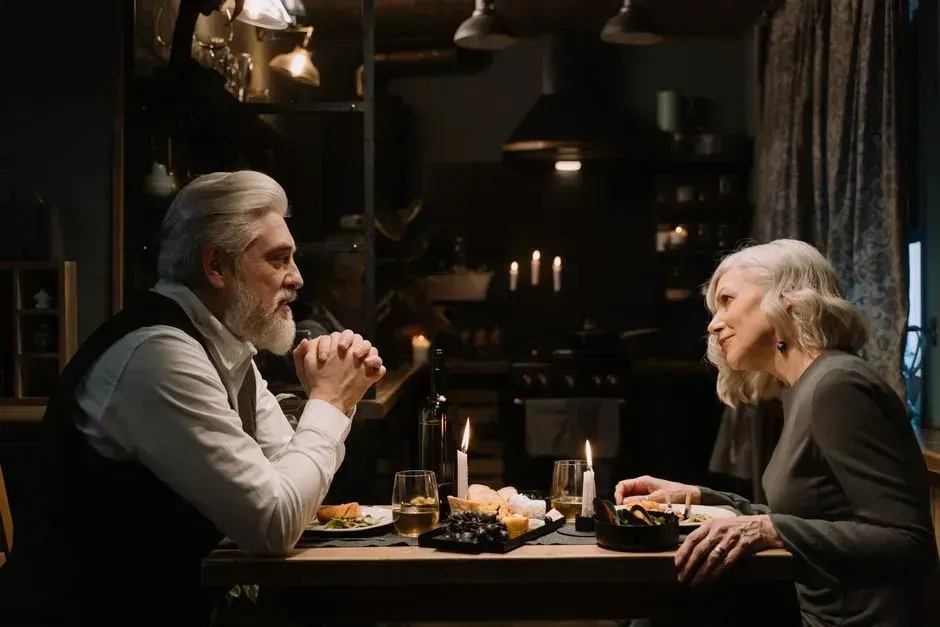
Older dating scripts often ranked physical attraction and financial stability as top priorities, sometimes above emotional compatibility or shared life goals. While attraction and financial security still matter to many people, modern daters increasingly emphasize emotional intelligence, communication style, and long-term compatibility as deciding factors. Surveys on relationship satisfaction consistently show that shared values and mutual respect are stronger predictors of long-term happiness than surface-level traits.
This shift is partly generational, as younger daters have grown up with more open conversations about mental health, boundaries, and emotional labor in relationships. It is not that appearance or stability stopped mattering, it is that they stopped being treated as the primary filter. Prioritizing connection over a checklist has become a more common, and often more successful, approach.
Final thoughts






Leave a Reply