
Most taxi rides are uneventful – you get in, state your destination, and arrive without incident. Yet every frequent passenger has a story: a driver who seemed evasive, a fare that didn’t add up, a route that made no sense. These moments are rarely just bad luck. Recent evidence highlights an alarming rise in violations, assaults, and harassment targeting both drivers and passengers in taxi and ride-hailing services, prompting concerns about the adequacy of current safety measures. Knowing how to read the warning signs early can make a real difference.
Passengers across forums, travel communities, and safety platforms have been vocal about the behaviors that put them on edge. Some of these red flags point to scams, others to safety risks, and a few to both at once. Here are the eight most commonly reported things taxi drivers say or do that genuinely warrant caution.
1. Refusing to Turn on the Meter
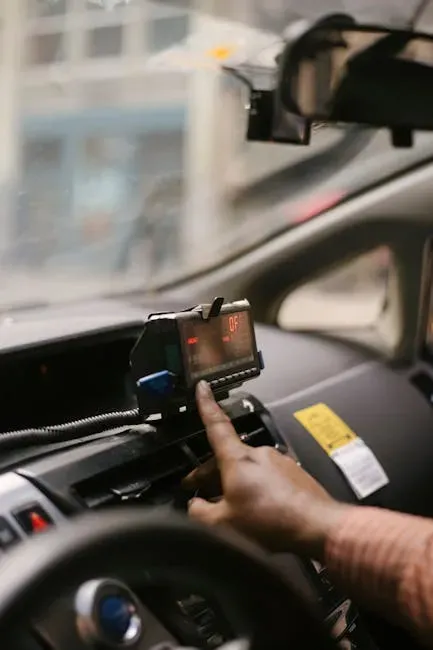
The meter should start running as soon as your journey begins, clearly displaying the fare based on distance and time. Fraudulent taxis often lack a meter or have one that seems tampered with or doesn’t function properly. If the driver insists on negotiating a fare upfront or demands an unusually high price for a short distance, it’s a strong indicator that the taxi isn’t legitimate. This is one of the most classic setups for overcharging, and passengers encounter it more than you might think.
NBC 5 Responds found that more people complain about demands for flat rates and overcharges than any other issue involving taxis in Chicago. In one undercover investigation, reporters found drivers quoting inflated flat fees on short trips where the metered rate would have been significantly lower. The city of Chicago noted that the minimum fine for drivers found guilty of charging flat fees was increased to $300, and drivers found liable must also refund the entire fare. Still, city data shows only about 12 percent of complaints about flat fares result in any action.
2. Claiming the Meter Is “Broken”
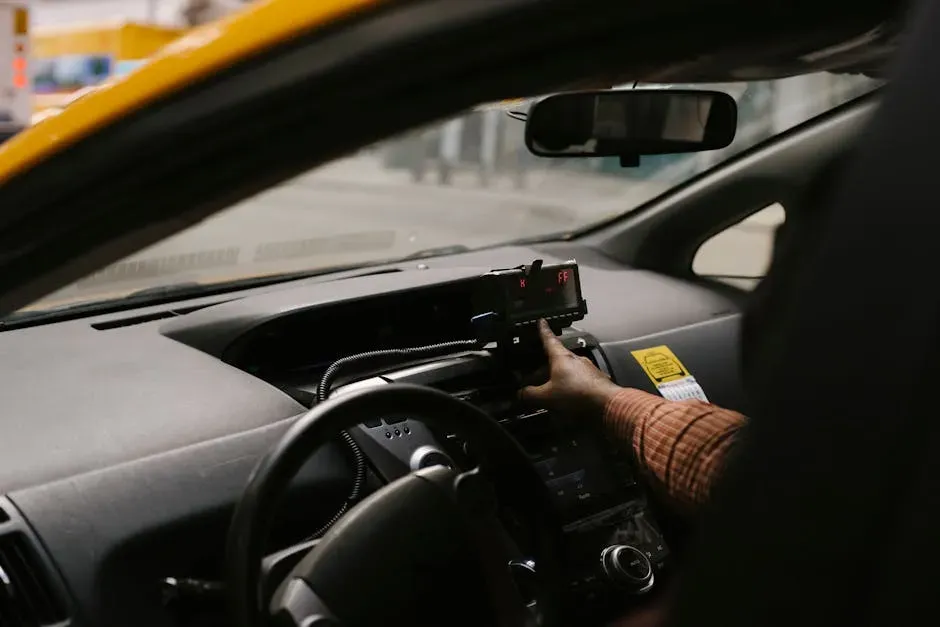
Taxi drivers sometimes trick passengers with the broken meter scam. They either mess with the meter to show fake errors, unplug it secretly before the ride starts, or exploit real malfunctions. This lets them overcharge passengers more than they should. It’s a frustratingly simple trick, and it works precisely because passengers often don’t feel confident enough to push back.
Meter scams include failing to zero the meter at the start of your trip, simply not switching it on, or claiming it’s broken. If a driver tells you the meter isn’t working, safety experts consistently recommend agreeing on a clear flat fare before the ride continues – or simply getting out and finding another cab. Stay calm if a taxi driver says the meter is broken. Ask politely to restart it. They might resolve the issue when asked.
3. Taking an Unexplained or Unnecessarily Long Route

In long route scams, some taxi drivers try to trick passengers by taking longer routes to make more money. They might know the area really well and take indirect paths that seem legitimate. Or, they might say they’re avoiding traffic, but it’s often just an excuse for a longer ride and a higher fare. This particular scam tends to target tourists and newcomers most heavily, since locals are far more likely to notice a detour.
Familiarise yourself with the route to your destination before getting into the taxi. Use a GPS app on your phone to monitor the trip and ensure the driver is taking the correct route. This can help you spot any unnecessary detours or suspicious behaviour. The fix is simple but requires a little preparation. Opening a map app at the start of every ride takes seconds and removes any ambiguity about whether the route being driven makes sense.
4. Insisting on Cash Only – Especially When Card Signage Is Visible
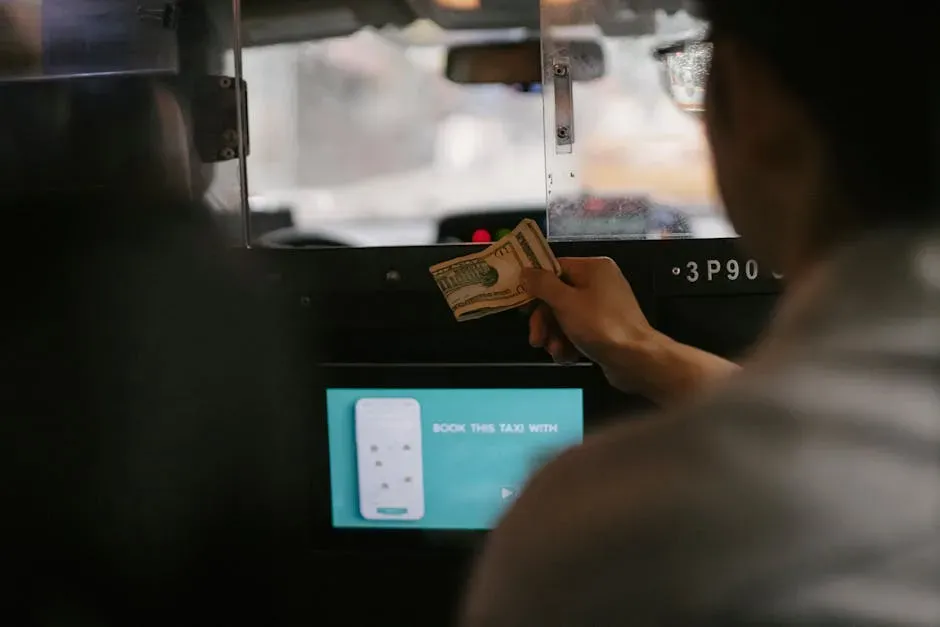
Most legitimate taxis today offer multiple payment methods, including credit cards, mobile payments, and cash. If a taxi driver insists on cash only, especially if the vehicle has signs indicating that card payments are accepted, this could be a warning sign. Additionally, if the driver seems to be using an outdated or unusual payment terminal that you’ve never seen before, it’s worth questioning whether the taxi is legitimate.
The cash-only demand can be a scam gateway in more ways than one. A recent Toronto case illustrates this vividly: fraudsters bought generic taxi signs online, applied them to unlicensed vehicles, and told passengers they only accepted card payments. During a transaction they swapped the victim’s credit card for a dummy, obtaining the PIN and keeping the real card. Victims later found large cash withdrawals on their accounts. Whether the driver pushes cash or a suspicious payment device, both scenarios deserve scrutiny.
5. Drilling Passengers With Intrusive Personal Questions
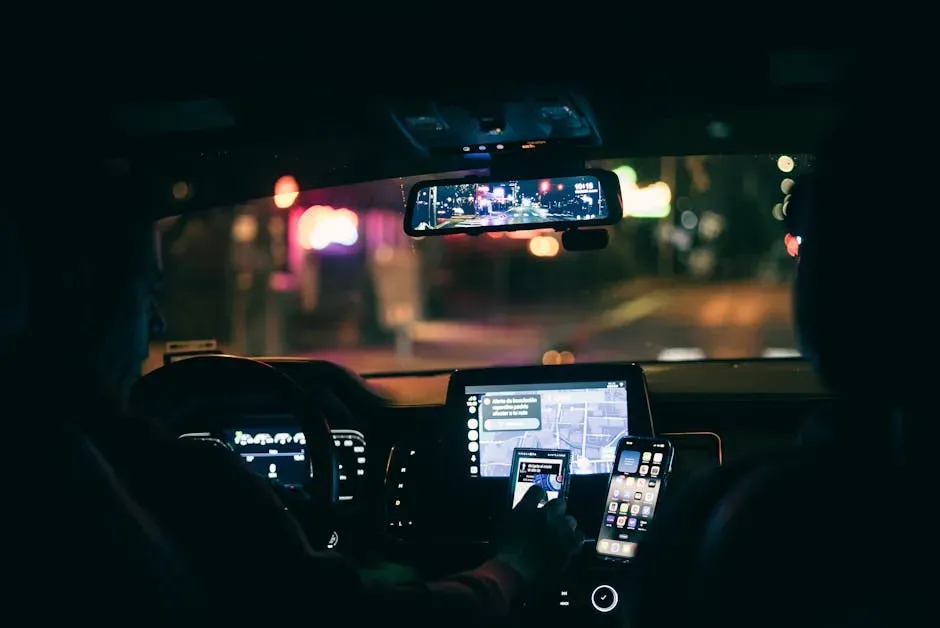
Friendly small talk is normal. Asking where you’re headed is necessary. What crosses the line is when a driver pushes persistently into personal territory: whether you live alone, whether you have a partner, what your schedule looks like. Some drivers may strike up a conversation, but be cautious. Avoid disclosing where you live, your schedule, or travel plans. You don’t need to give out your phone number, employer, or hotel name. Oversharing can open the door to risk – rideshare safety tips always include keeping personal information private.
Passengers, particularly women traveling alone at night, have reported this pattern repeatedly. Questions like “Do you have a husband?” and “Do you have a boyfriend?” could arguably just be attempts at conversation. But to follow up with “Do you live alone?” crosses a line. In cases where the conversation becomes uncomfortable or inappropriate, trust your instincts. It’s essential to prioritize your safety and comfort. If the driver crosses personal boundaries or makes you feel uneasy, it’s within your rights to ask them to stop or to end the ride early if necessary.
6. Unable or Unwilling to Show Driver Identification
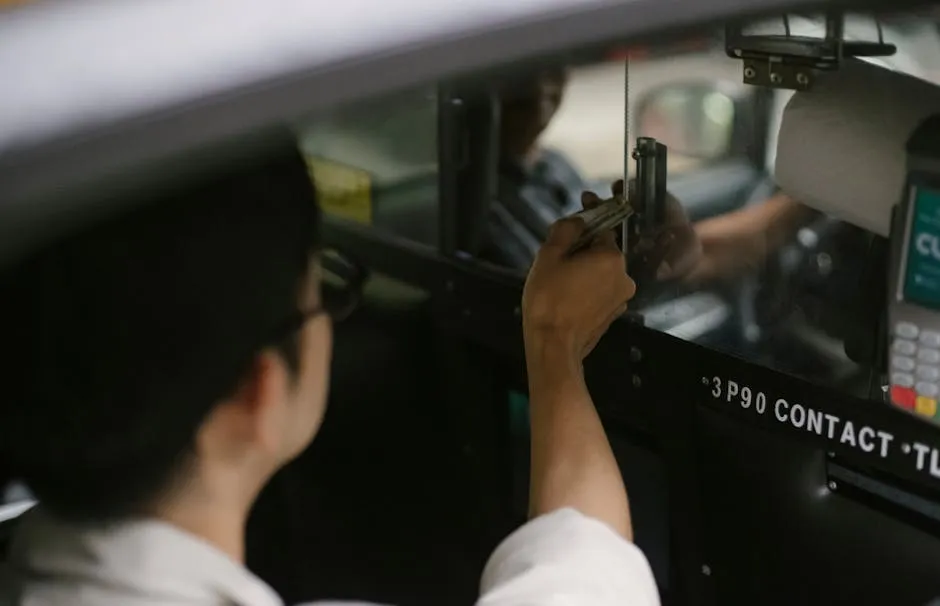
Legitimate taxi drivers are usually required to carry and display their identification, which includes a photo, name, and the company they work for. This identification should be visible, often on the dashboard or mounted on the passenger side of the front seat. If the driver does not have this ID or refuses to show it when asked, it’s a major red flag. A legitimate taxi driver should have no problem proving their credentials.
Of the 267 respondents surveyed in a GAO study who were asked about pre-trip in-app features, over 95 percent were aware of and had used at least one such feature when arranging a ride in the past year. Respondents were most likely to consider two pre-trip in-app features – license plate number and driver name and picture – as very important to their safety. That instinct is sound. When a driver can’t be matched to a record, you have no accountability trail if something goes wrong.
7. Suggesting an Unplanned Stop – Especially in an Isolated Area

The taxi or rideshare should take you straight to your destination unless you’ve agreed to a stop ahead of time. If the driver insists on stopping somewhere, especially in a secluded area, be extremely cautious. Politely but firmly decline, and consider contacting the app support or emergency services. This applies whether the excuse sounds mundane (“I just need to grab something quickly”) or urgent (“there’s a road closure ahead, I know a shortcut”).
Passengers who have experienced this red flag describe the sensation of the situation changing almost imperceptibly – a slight deviation, a vague explanation, a growing unease. If something feels off – whether it’s the driver’s behavior, a route change, or a gut feeling – trust your instincts. Don’t brush it off. If you ever feel unsafe, ask the driver to stop in a public place or use the emergency button in your rideshare app. It’s okay to act on your intuition; your life is more important than politeness.
8. Soliciting Passengers Outside Designated Taxi Areas

When arriving in New York City’s LaGuardia or John F. Kennedy International Airports, visitors will notice signs everywhere warning arrivals not to accept rides from drivers soliciting outside the terminal. This is not only because soliciting passengers is illegal, but these cabs are virtually guaranteed to be unlicensed, unregulated drivers looking to overcharge you – or worse. The typical modus operandi is to approach unwitting travelers in long taxi lines and offer the luxury of skipping the wait, especially at peak hours.
Unlicensed taxi drivers, once they’ve got you in the car, might quote you up to three or four times the metered or flat fare of a licensed ride. If the driver chooses to scam you, you have little recourse other than hoping the police catch them. You have no idea whether the driver is who they claim to be nor whether they have a criminal background. In certain places, this may mean exposing oneself to robbery, extortion, or even kidnapping in extreme cases. The promise of skipping a queue is rarely worth the risk of skipping accountability entirely.
None of these red flags guarantee that a driver has bad intentions – context always matters, and most drivers are simply doing their jobs. What these eight behaviors do share is a common thread: they each reduce your visibility, your control, or your ability to verify who you’re dealing with. Staying alert costs nothing, and in the worst-case scenario, it can cost you everything not to. Before your next ride, take thirty seconds to check the driver’s credentials, open your maps app, and let someone know where you’re going. Small habits, real protection.





Leave a Reply