
Most pet owners have heard the word microchip, and plenty assume it works like a tiny tracking beacon. It doesn’t, and that gap between expectation and reality is where a lot of lost pet stories go wrong.
The technology is simple, and it has limits. Knowing both makes it much easier to decide what else your pet might need.
What a Microchip Actually Is

A microchip is a tiny electronic chip encased in a glass cylinder, about the size of a grain of rice. In pets, it’s typically implanted under the skin between the shoulder blades.
It has no battery and no moving parts. The chip is passive, meaning it has no power source and can only be read by a microchip scanner. That’s why it can stay in place for the whole life of the animal without maintenance.
How the Scan Works
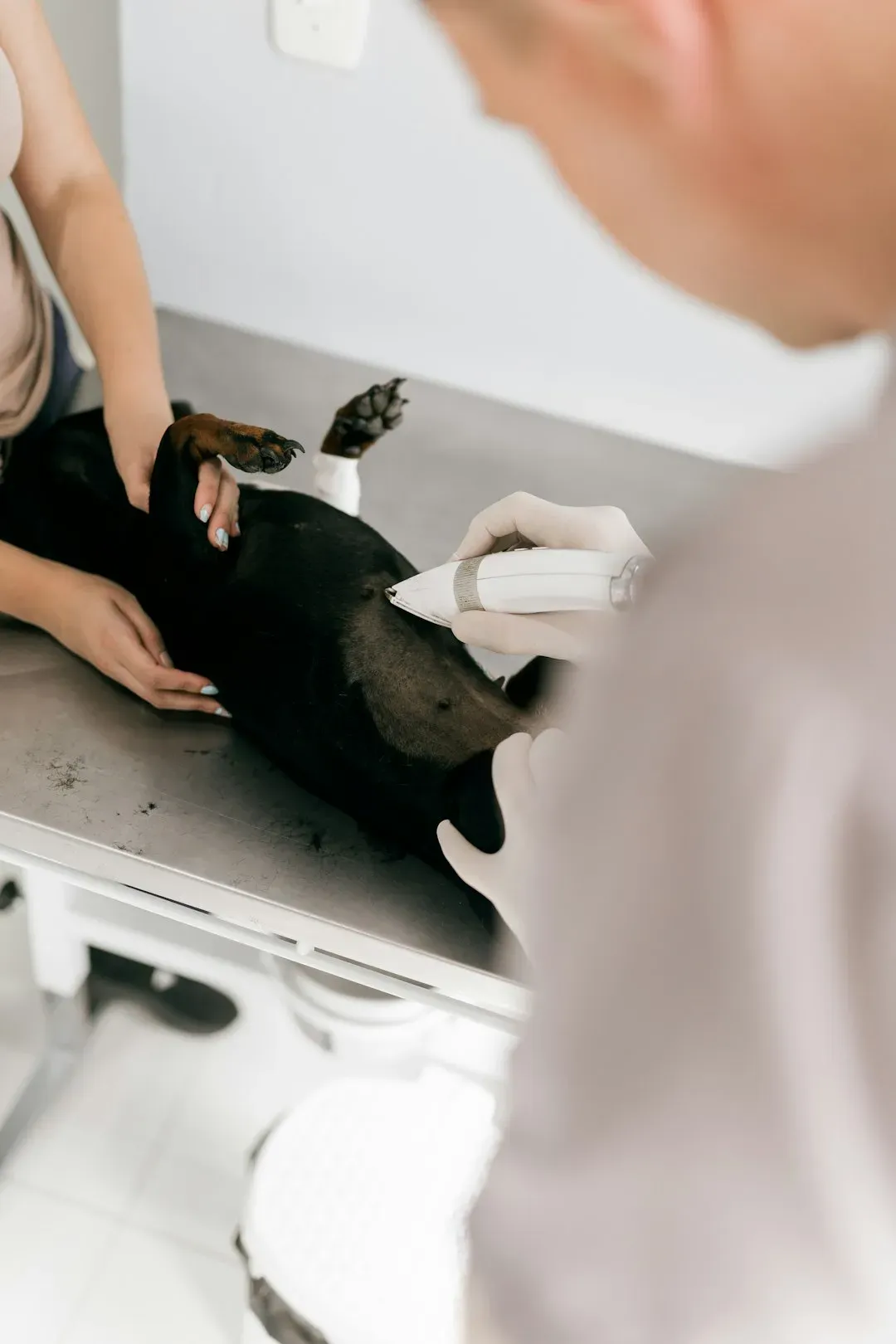
When a vet clinic or shelter passes a scanner over the pet, the device sends out a small signal. The chip responds with a radio wave linked to a unique identification number. The scanner displays that number on its screen.
The number alone doesn’t tell anyone who you are. Staff then use the number to retrieve the owner’s contact information. The process only works if the scan and the database lookup both happen.
What Information Is Stored on the Chip
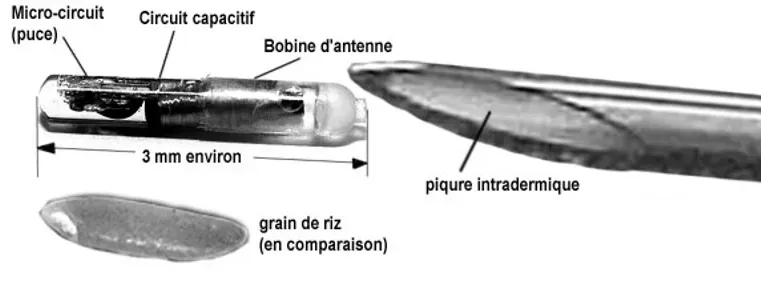
There’s less on the chip than many people think. The only information stored is an ID number, which is registered with a microchip registry where owner contact details are kept. Nothing about your address sits inside your pet.
That also means no health history is stored there. No medical or private information is saved on a microchip. Owners decide what, if any, contact information to give the registry.
Why a Microchip Is Not a GPS Tracker

This is the most common misunderstanding. Microchips have no GPS tracking capability, because they’re identification devices rather than trackers. They can help reunite you with a pet, but they can’t be used to track one.
If you want live location data, you need separate hardware. That means a GPS collar or a similar device. Some of those devices need a charge and a subscription, so they come with their own trade offs.
Registration Is the Step People Forget

A chip that was implanted but never registered is close to useless. Once implanted, the chip carries no personal information, and it has to be enrolled to link to your pet’s profile and your contact details. Many owners assume the vet visit covers this, but it often doesn’t.
Registries differ in cost. One overview puts typical registration at between twenty five and one hundred dollars per year, with the owner responsible for keeping the record accurate. Some providers instead offer a one time lifetime fee, such as PetLink’s listed price of $29.95 with no annual payments.
What the Research Says About Getting Pets Home

The evidence for chips is fairly strong. In a study cited by one nonprofit, lost dogs without microchips were reunited with their owners in just under twenty two percent of cases, roughly one in five. For cats without chips, the return rate was under two percent.
Chipped animals did much better. Over half of microchipped dogs went home, as did about forty percent of microchipped cats. These figures come from an older study that organizations still cite, so treat them as a solid indicator rather than a precise current rate.
Safety and Comfort of the Procedure
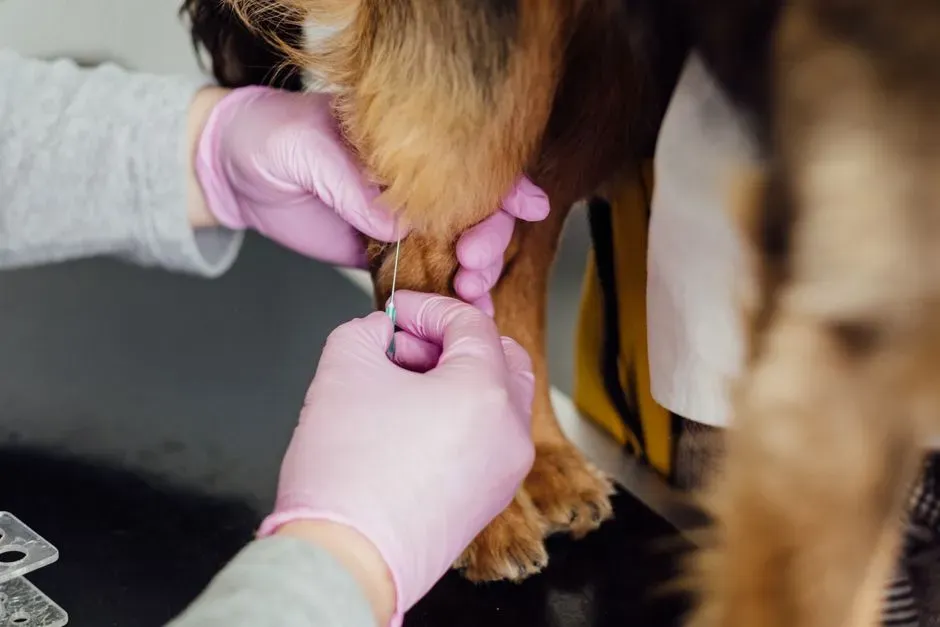
The procedure is quick. It’s described as similar to a vaccine injection and can be done during a regular check up. No anesthesia is usually needed, though your vet will advise on your pet’s case.
Veterinary groups generally regard the technology as low risk. The American Animal Hospital Association calls microchips one of the safest and most effective ways to help reunite lost pets with their owners. It also notes that misconceptions about how they work remain common.
Why Microchips and Collar Tags Work Better Together

A tag gives a quick answer to anyone who finds your pet. A chip is the backup when the tag is gone. A microchip is a permanent ID that helps if a collar tag breaks, falls off, or is removed.
Some owners add GPS as a third layer. A tracker helps you find the pet yourself, while the chip still identifies the animal if a stranger takes it to a vet or shelter. Each tool covers a gap the others leave open.
Keeping Your Records Current

The database is only as good as the details in it. If your pet goes missing, notify your registration company right away, since it can help alert local shelters and vet hospitals. A phone number you no longer use can undo the whole system.
There’s a built in reminder each year. The AAHA and the American Veterinary Medical Association set August 15 as Check a Chip Day, to prompt owners to confirm their information. Several registries take part in the AAHA Universal Pet Microchip Lookup Tool, which helps trace a chip to the right company.





Leave a Reply