
Ask a divorce lawyer who typically signs a prenup, and the old answer was a celebrity or a much wealthier spouse. That picture is fading. Planners and attorneys now describe a quieter group of clients: retirees, widows and widowers, and people marrying for the second or third time.
The evidence for this group is patchier than the headlines suggest. Most large surveys focus on younger couples, so the story for people past 60 has to be pieced together from several sources. What they show is a set of practical reasons, and most of them have little to do with romance.
A Tool No Longer Reserved for the Wealthy
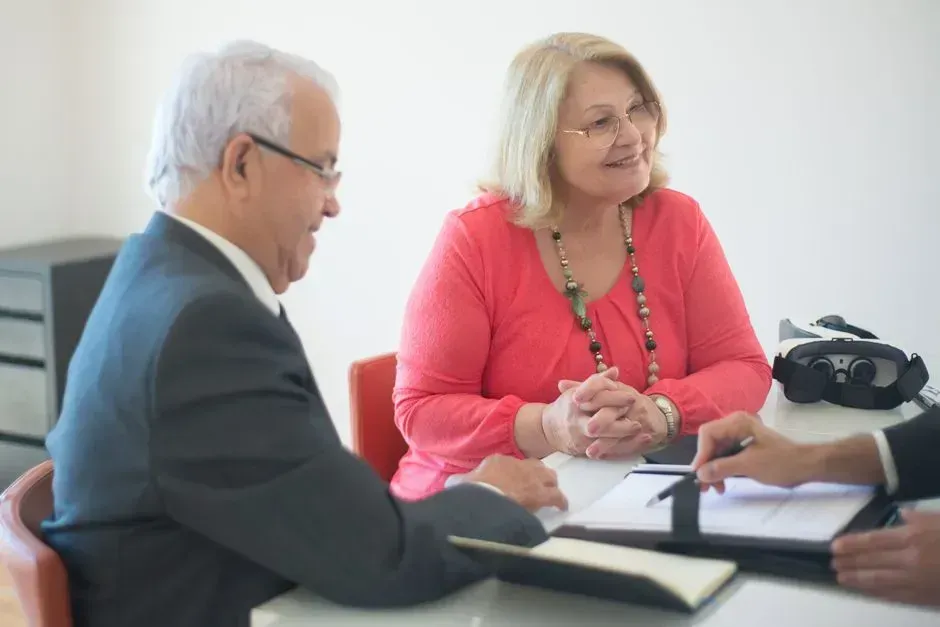
Prenuptial agreements have shifted well beyond their old reputation. Historically associated with wealthier individuals, they have gained acceptance across various demographics, including older couples, those entering second marriages, and even cohabitating couples. That wider acceptance matters, because the stigma was once a major reason older couples avoided the conversation.
Public attitudes have moved too. A 2022 Harris Poll found that 15% of married or engaged respondents had signed a prenup, up from just 3% in 2010. Younger adults drive most of that growth, but the cultural shift has made the subject easier to raise at any age.
Late Life Marriages Often Mean Second Marriages
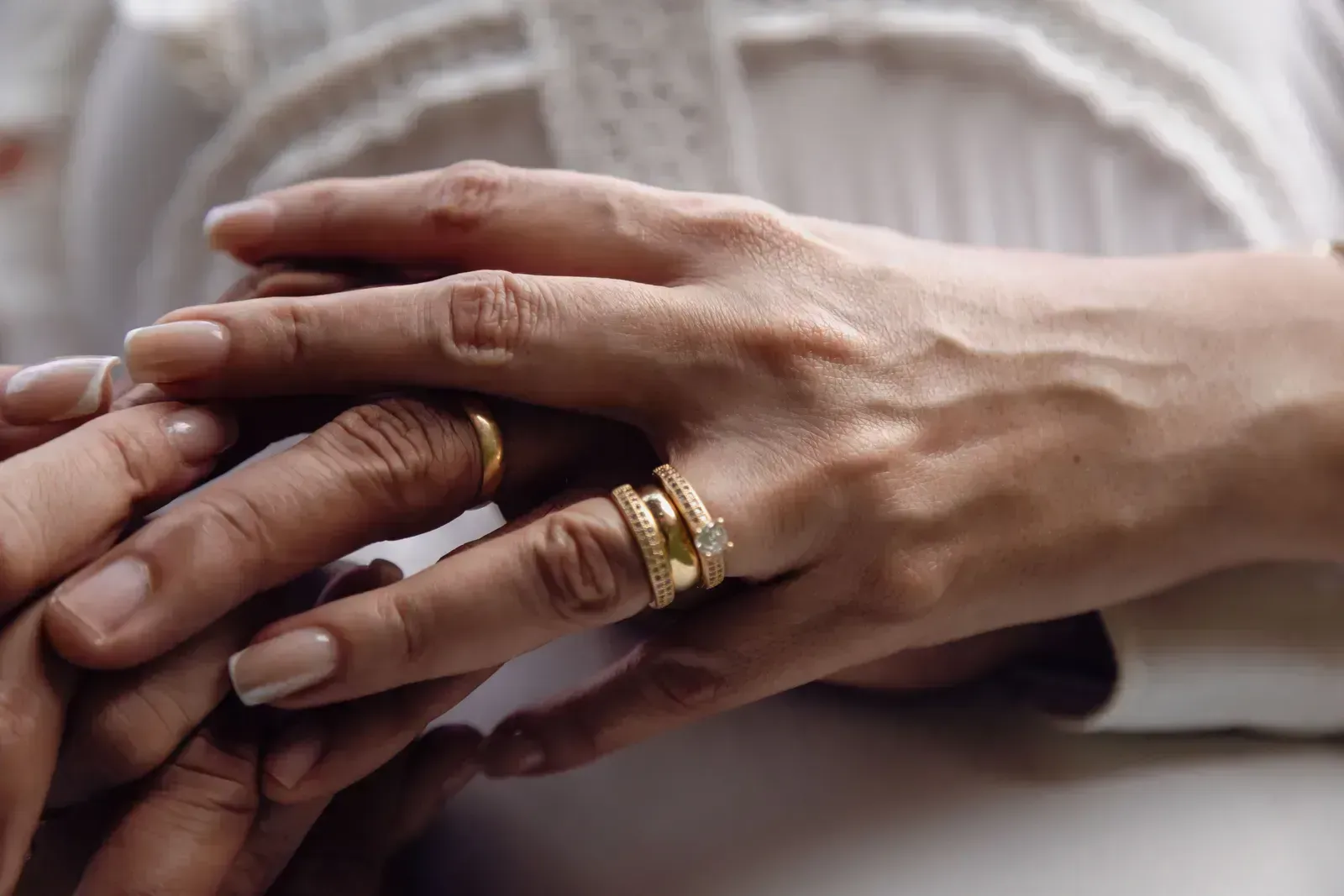
Many people who marry after 60 have been married before. Research has shown that about forty percent of new marriages are remarriages for one or both spouses. That share is a general figure across all ages, not a count of older couples alone.
Prior marriages bring prior obligations, such as adult children, earlier settlements and long held property. A prenup gives the new couple a way to sort those out before the wedding. Without one, state default rules decide, and those rules weren’t written with a blended family in mind.
Protecting Children From Earlier Relationships
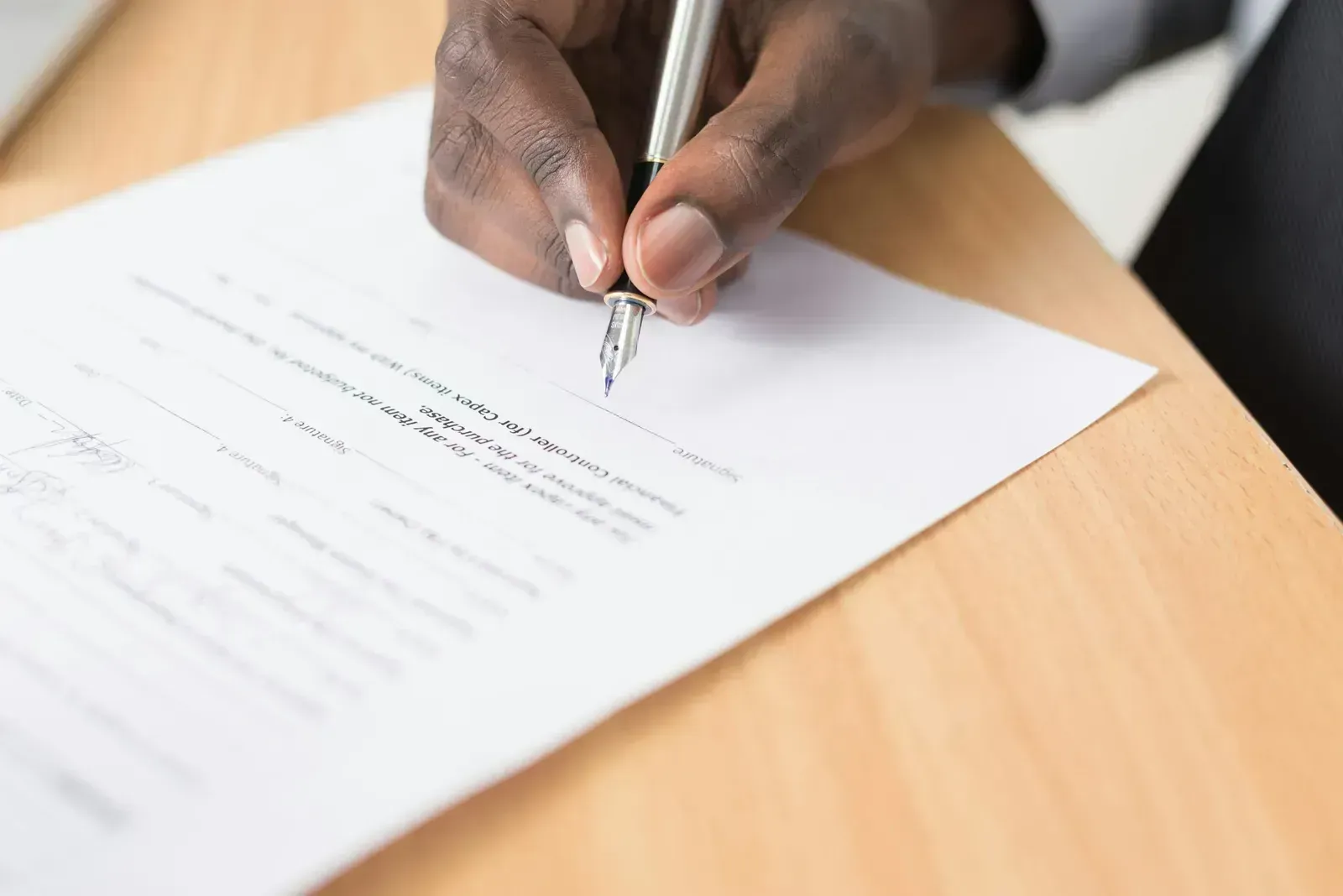
The most common motive is protecting an inheritance. Older couples with children from other unions use prenups to protect assets acquired before the marriage for those children or their grandchildren. It is a simple goal, though it’s easy to overlook.
Most states give a surviving spouse certain rights to an estate, often called an elective share. Those rights can override a will, and a prenup is one of the standard ways to adjust them by agreement. Anyone relying on a will alone may find it doesn’t do what they expected.
Money Built Over a Lifetime
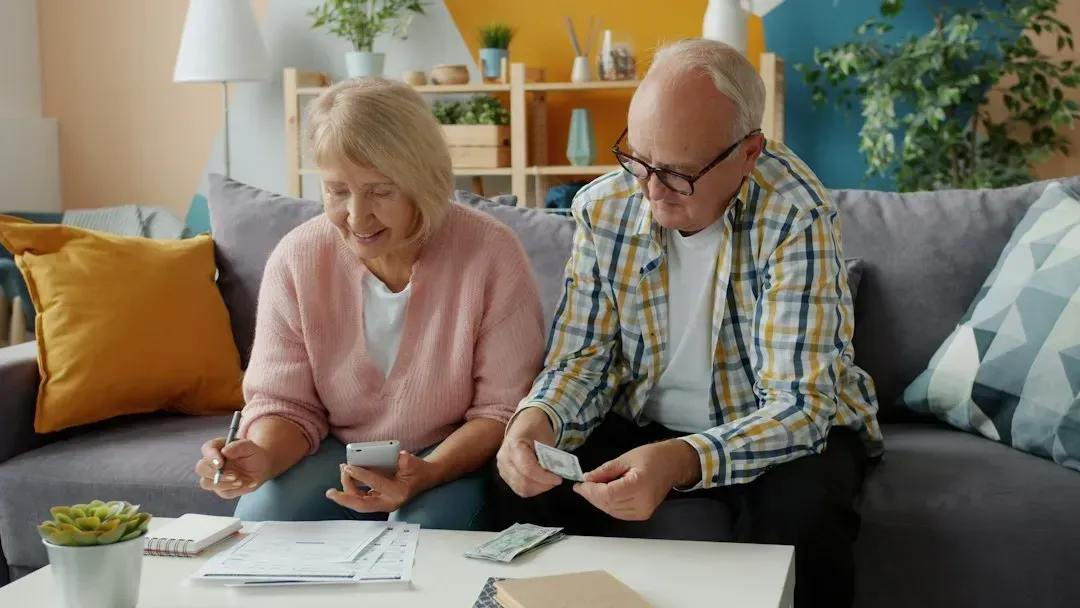
By 60, people usually hold retirement accounts, real estate, pensions and sometimes a business. These took decades to build, and there is little time to rebuild them if something goes wrong. That gives older savers a different risk profile from a couple in their twenties.
A prenup can spell out what stays separate and what becomes shared. It can also cover debts, which matter just as much. Wealth plays a role, as one 2024 survey found that 75% of those with prenups said the higher net worth partner brought up the idea.
What the Survey Data Does and Doesn’t Show
Much of the recent attention comes from younger groups. As of May 2026, 53% of engaged or married Americans under age 45 said they had signed a prenup, according to a Harris Poll conducted for Bloomberg. That figure says nothing direct about people over 60.
Prior marriage is a clearer link. In a 2024 LawDepot survey of 547 people, 56% of respondents who signed a prenup reported a previous marriage. It’s a small, self reported sample, so it points to a pattern more than it proves one.
Why Marriage Is Happening Later

The timing of marriage is also changing. The U.S. Census Bureau reported the 2025 median age at first marriage as 28.4 for women and 30.8 for men, more than three years older than two decades earlier. People are arriving at the altar with more assets and more history.
That trend extends into later life. Someone who marries for the first or second time at 65 has had even longer to accumulate property and obligations. The logic behind a prenup grows stronger with every added year of financial independence.
Health, Care Costs and Practical Worries

Older couples tend to think about illness and long term care in a way younger couples rarely do. A prenup can set expectations about who pays for what, and whether one spouse’s assets are exposed to the other’s bills. Rules differ by state, so couples usually need local legal advice to know what an agreement can actually achieve.
Some pairs also think about housing. A common question is whether a spouse can stay in the other’s home after death, and for how long. Agreements can address that directly, which is often more humane than leaving it to a probate dispute among grieving relatives.
Making an Agreement That Holds Up
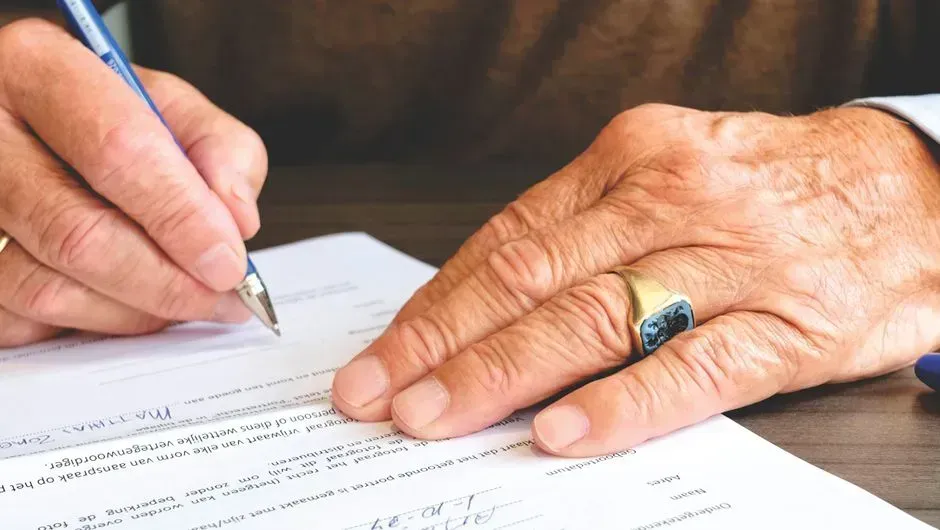
A prenup is only useful if a court will enforce it. Many states follow some version of the Uniform Premarital Agreement Act, which generally expects a voluntary signature and fair financial disclosure. Courts can set aside agreements signed under pressure or built on hidden assets.
Practical steps help. Each partner should have a separate lawyer, both should exchange full financial statements, and the document should be signed well before the wedding. Timing matters most at an older age, since a rushed signing can invite challenges from heirs later.
Where the Evidence Stands
Solid national figures on prenups among people over 60 remain limited, and many online statistics come from sources that don’t show their methods. The better supported points are that remarriage is common, that prior marriage is linked with signing, and that wealth and children from earlier relationships are the leading reasons. Younger couples still sign at the highest reported rates.
For older couples, the agreement usually serves a narrow job: it keeps assets, inheritances and responsibilities clear for both spouses and their families. It works best when drafted early, with independent counsel and full disclosure on both sides.




Leave a Reply