
For most of my adult life, travel meant compromise. Someone else picked the hotel, someone else wanted to see the cathedral, and I went along happily enough. At 67, with the house quiet and my calendar open, I booked a trip with nobody else’s preferences attached.
I won’t pretend it went perfectly. Some moments were awkward, a few were genuinely uncomfortable, and several surprised me in ways I hadn’t expected. Here’s what stuck with me.
Planning Alone Feels Different
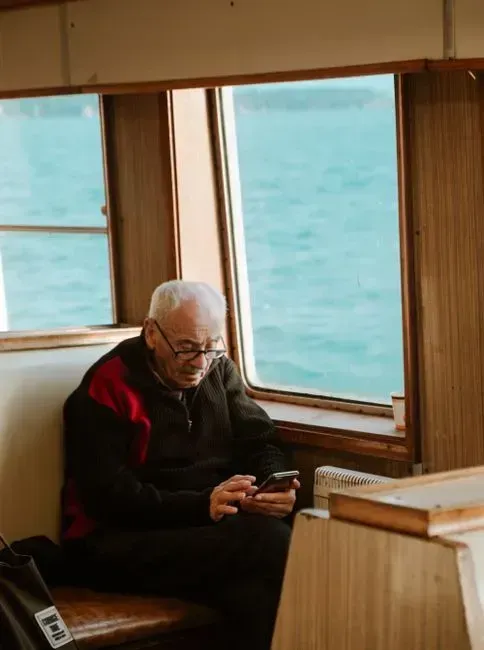
The first surprise was how much I enjoyed the planning. No group chat, no negotiating, no waiting for someone to confirm dates. I chose a week, picked a city with good public transit, and booked a room within walking distance of the main sights.
Still, there was a strange quiet to it. When you’re the only decision maker, every mistake belongs to you. I double checked everything, then checked it again, and that habit turned out to be useful.
Choosing a Destination That Eases You In
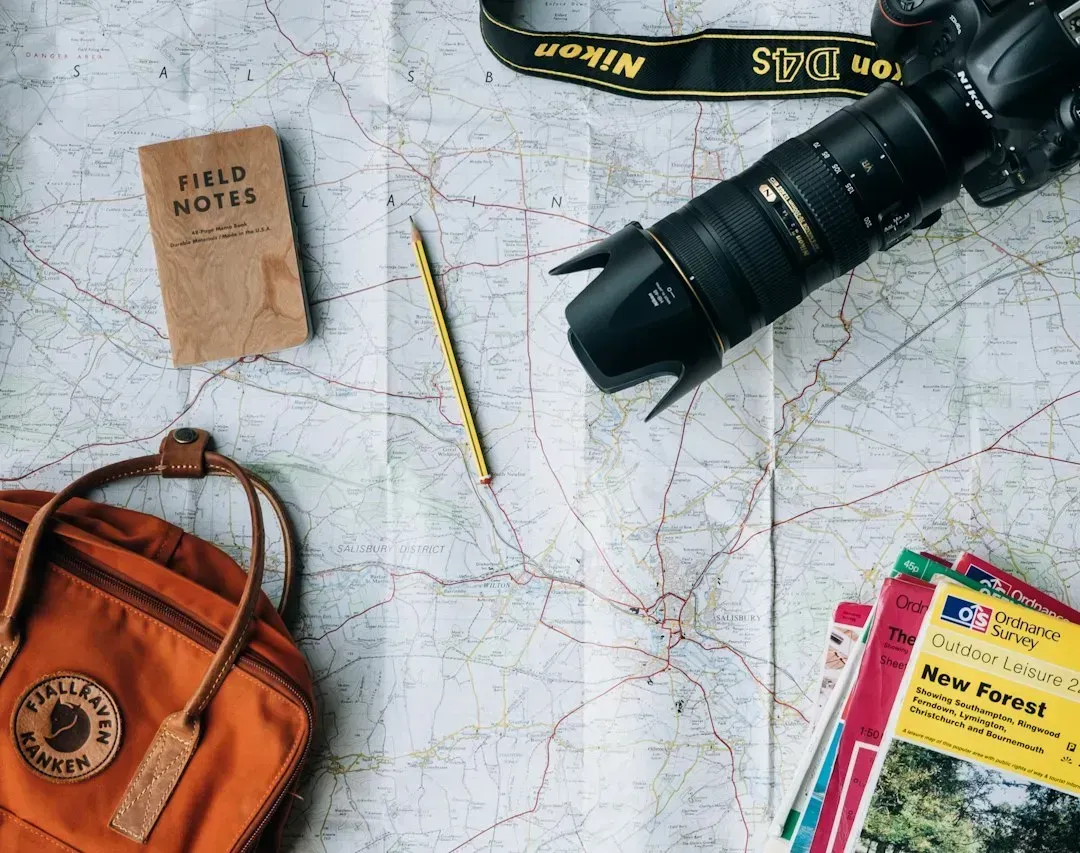
I didn’t go somewhere remote or complicated. I picked a place where English is widely spoken, trains run on schedule, and walking is pleasant. For a first attempt, that kind of easy start made the whole idea feel manageable.
Other first timers might lean toward familiar countries or well-organized cities too. You can always save the adventurous itinerary for the second trip. Confidence builds faster when the early days go smoothly.
Sorting Out Health and Insurance First

This part isn’t glamorous, but it matters more as we age. Before leaving, I saw my doctor, refilled prescriptions with a few spare days of supply, and carried a written list of my medications. I kept the medications in their original packaging in my carry-on.
Travel insurance deserves real attention too. Standard Medicare generally doesn’t cover care outside the United States, according to Medicare.gov, so a separate policy with medical coverage is worth considering. I read the fine print on pre-existing conditions before buying, which took an evening but gave me real peace of mind.
Packing Less Than I Thought I Needed
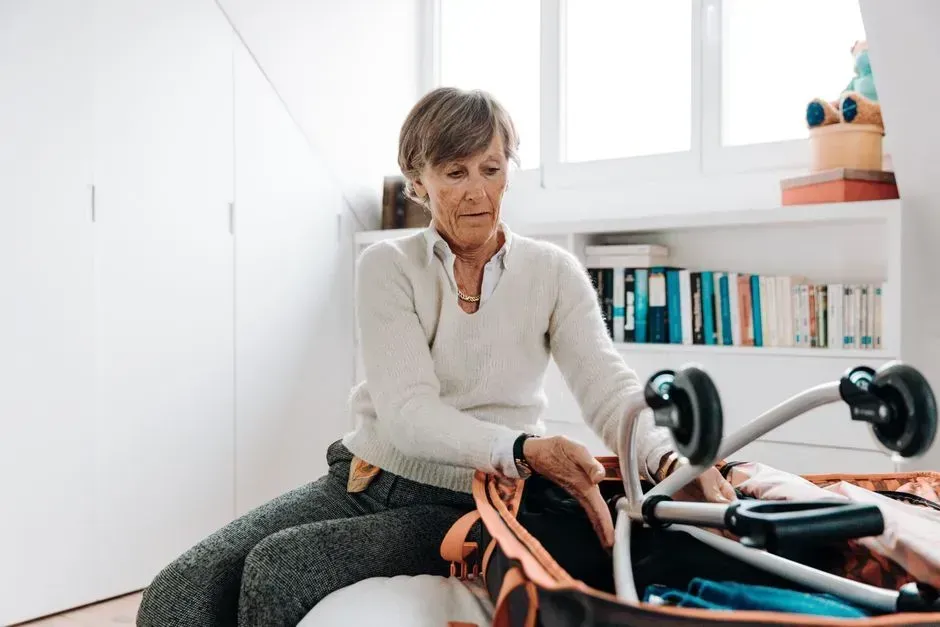
I started with a large suitcase and ended with a carry-on. Lugging bags up station stairs taught me quickly that every extra pound is something I’d carry myself. Comfortable shoes, layers, and a lightweight rain jacket did most of the work.
I also packed a photocopy of my passport and kept digital copies in a secure place. A small portable charger earned its spot daily. Everything else, honestly, I could have bought on arrival if needed.
Eating Alone Gets Easier

Dinner for one felt strange on the first night. I sat at a corner table, felt oddly visible, and ate faster than I wanted to. By the third evening, I’d started bringing a notebook, and the meals slowed down.
Lunch became my main meal out, since restaurants are often busier and friendlier at midday. Sitting at a counter or bar also helped, because conversation with staff happened naturally. Nobody was judging me, as it turned out. Most people were too busy with their own plates.
Staying Safe Without Being Afraid
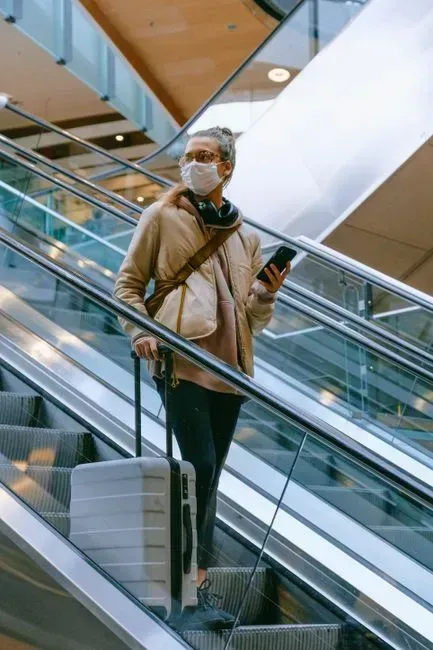
I used the same common sense I’d use at home, just with a little extra attention. I shared my itinerary with my family, checked in each evening, and kept a copy of the local emergency number handy. The U.S. State Department’s Smart Traveler Enrollment Program lets travelers register trips so the embassy can reach them in an emergency, and I signed up before leaving.
Pickpocketing is a common issue in busy tourist areas, so I wore a crossbody bag zipped in front of me. I also avoided flashing valuables and trusted my gut when a situation felt off. Nothing happened, which I credit partly to boring, consistent habits.
Slowing Down Was the Real Luxury
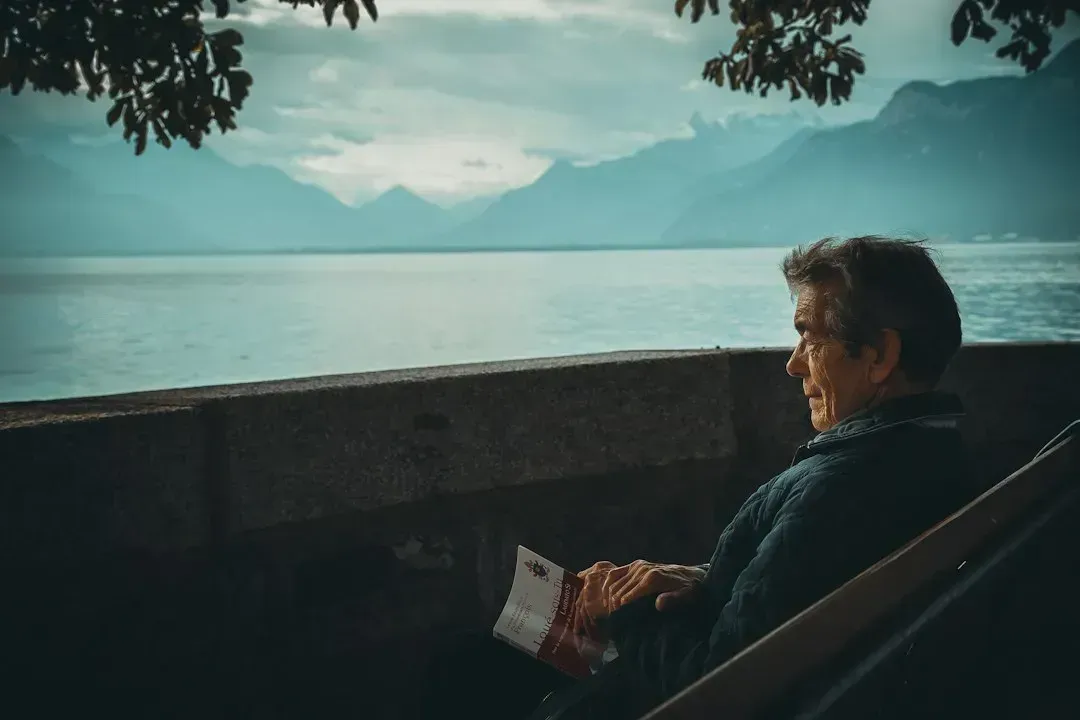
With no one to keep up with, I set my own pace. I sat in a park for an hour. I went back to a museum room I loved rather than rushing through the rest. Mornings started late and ended with a nap if I wanted one.
Older travelers often find that fewer activities per day makes a trip richer. I scheduled one main thing each morning and left afternoons open. That rhythm kept my energy steady all week.
Meeting People Happened on Its Own
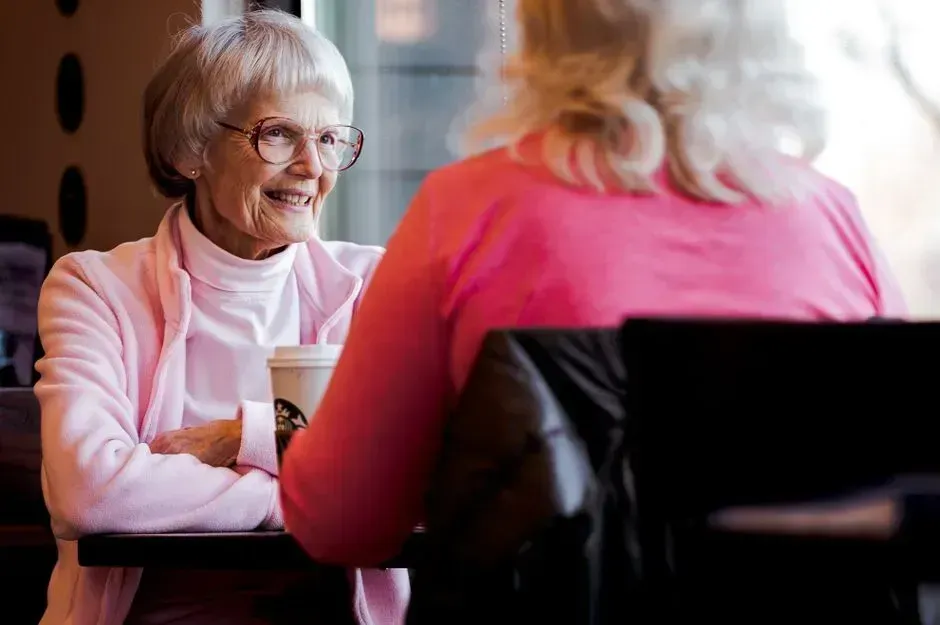
I assumed solo travel would be lonely, and there were moments it was. Yet I ended up chatting with more strangers than I would have with a companion. A woman on a tram recommended a bakery, and a retired couple at a walking tour invited me to join them for coffee.
Small group tours and walking tours gave me structure without pressure. I could join in for a few hours, then head off alone. Having that option made the solitude feel like a choice rather than a default.
Technology Was a Quiet Helper
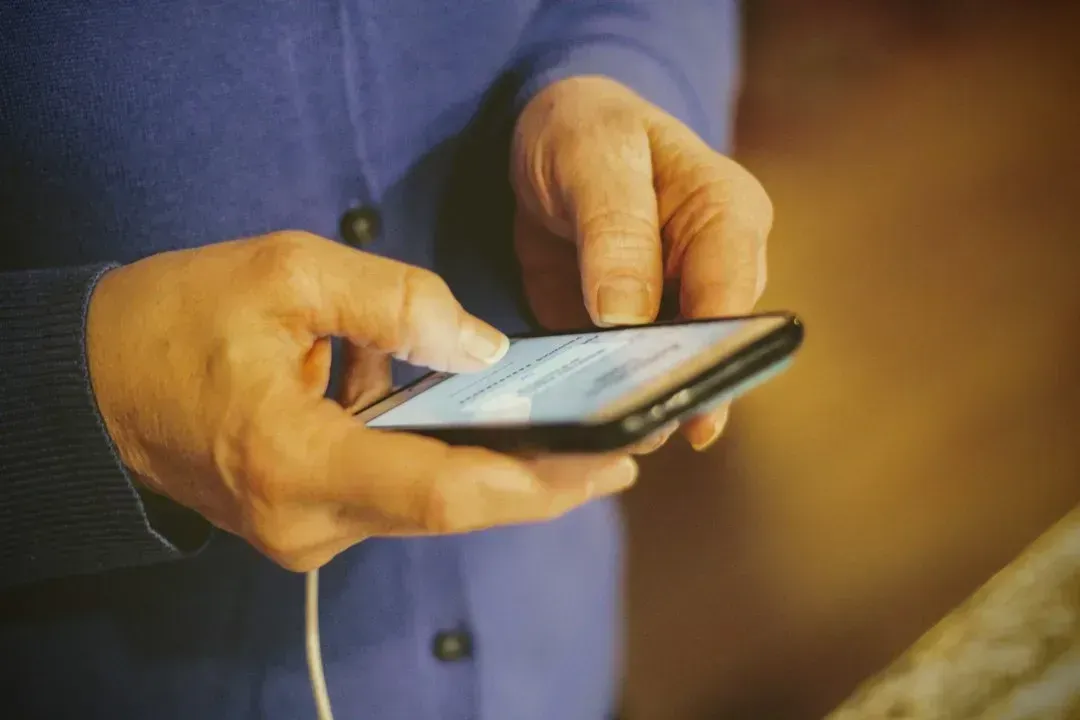
I’m not especially tech savvy, but a few apps made a big difference. Offline maps meant I never panicked about a dead signal, and a translation app handled menus and signs. I downloaded everything before leaving and tested it at home.
Using a mobile ticket and my phone’s wallet was awkward at first. A neighbor showed me the basics the week before I left. That fifteen minute lesson saved me plenty of stress at the station.
What Changed When I Got Home

I came back more capable than I’d felt in years. Small things that used to feel daunting, like navigating an unfamiliar airport or asking for help, no longer seemed so big. I also realized how much I’d been waiting for permission that nobody needed to give.
I’ve already started looking at next year’s options. A second trip will probably be a little longer and a little bolder. For now, my suitcase sits half unpacked, and I’m in no hurry to put it away.



Leave a Reply