
Somewhere in an attic box, there might still be a stack of envelopes tied with a rubber band. The stamps are slightly faded, and the handwriting slants a little more with each letter. For many kids and teens in the 1970s, a pen pal was a window onto a place they’d never seen.
The routines around those letters were surprisingly specific. Some were practical, some were sentimental, and a few were just the quirks of a slower age. If you wrote to someone far away back then, you’ll probably recognize more than one of them.
Finding a Pen Pal Through a Classroom or Club
Few people picked a pen pal at random. Many were matched through a teacher, a school program, a youth group, or a magazine listing. Organizations like Student Letter Exchange, founded in the 1930s, and the long-running International Pen Friends, started in 1967, existed to pair people by age and interests.
You’d often get just a name, an address, and a line or two about hobbies. That was the whole introduction. From there, everything depended on whether your first letter was interesting enough to earn a reply.
Choosing Stationery With Care
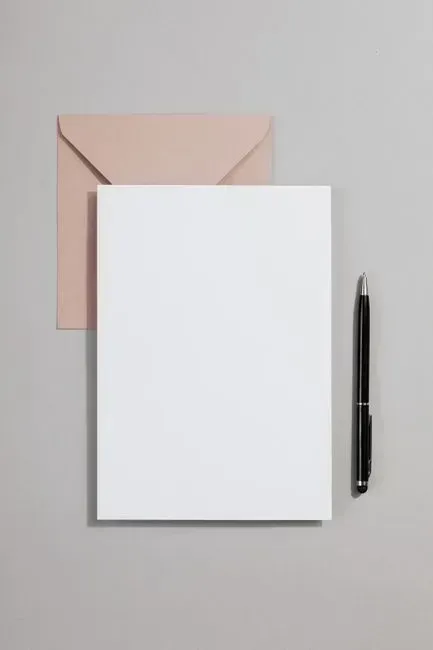
Paper mattered. Lots of people kept a set of pretty writing paper for letters, sometimes with matching envelopes, and saved the good sheets for a pen pal who lived abroad. Thin, lightweight airmail paper was a practical favorite, since international postage was priced by weight.
Blue and red striped airmail envelopes became a recognizable sight. They signaled that a letter had traveled a long way. Opening one felt like an event, even if it held only a page and a half.
Writing by Hand, Slowly and Neatly
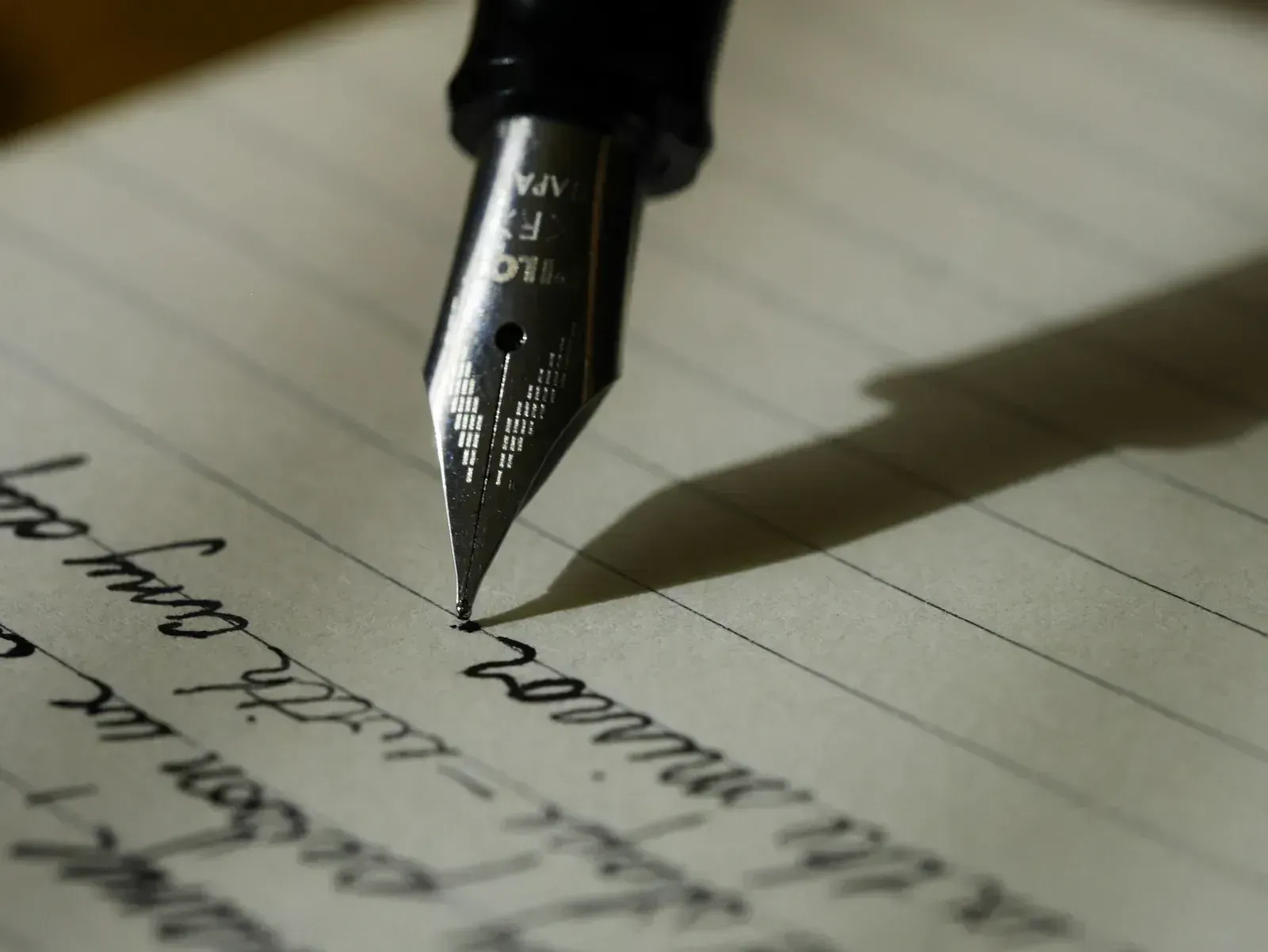
There was no delete key. A mistake meant crossing out a word, starting over, or living with it. Many writers drafted a letter first, then copied it out in their best handwriting.
Cursive was still taught widely in schools then, so a letter often carried the personality of its sender. A looping signature or a doodle in the margin made it feel like a small piece of the person had arrived with it.
Tucking Small Extras Inside the Envelope
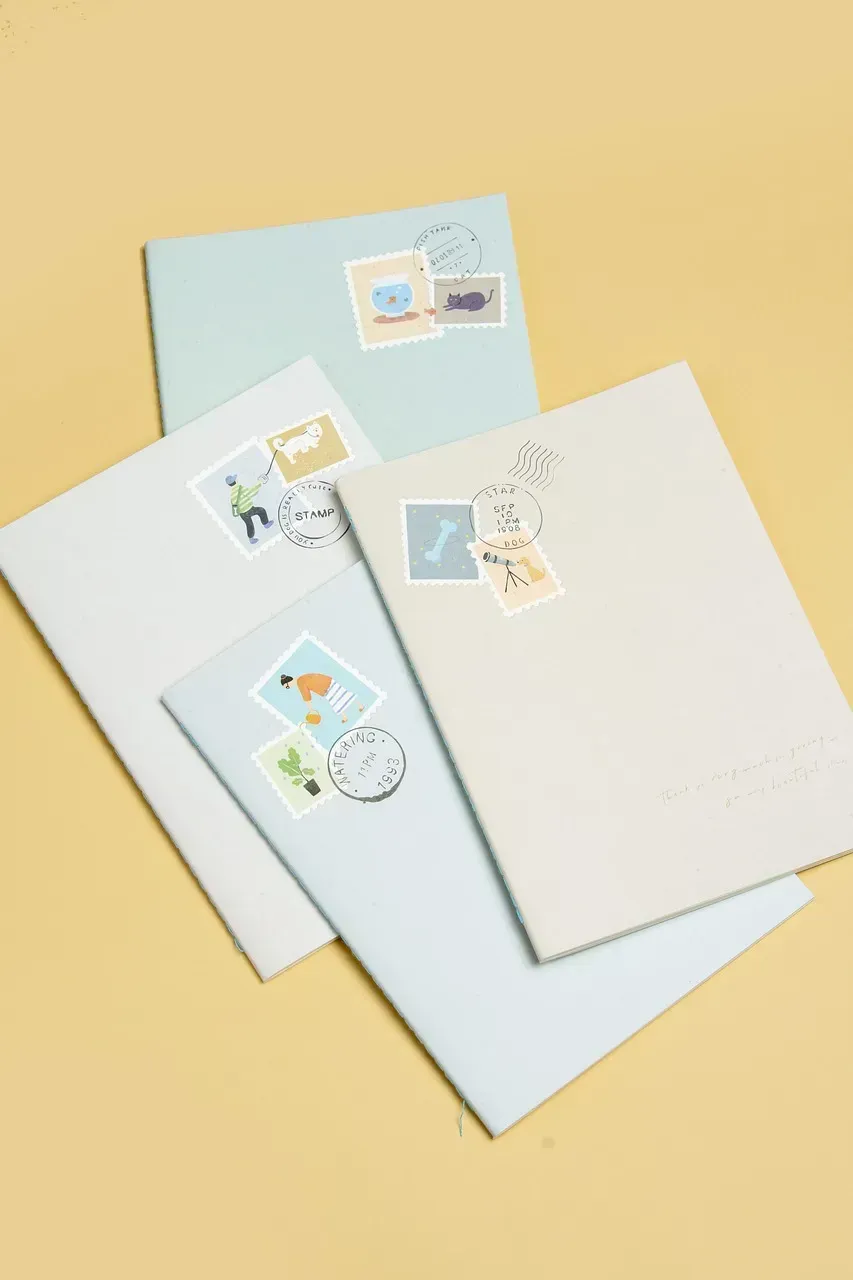
A letter rarely traveled alone. Pen pals commonly slipped in photographs, drawings, pressed flowers, postcards, stickers, or a few foreign stamps for a collector. Stamp collecting was a popular hobby at the time, and trading stamps was one of the main perks of writing overseas.
Postal rules limited how bulky an envelope could be, so choices had to be made. A school photo or a snapshot of the family dog usually made the cut. Those little extras are often what survive best in old boxes today.
Counting the Days for a Reply
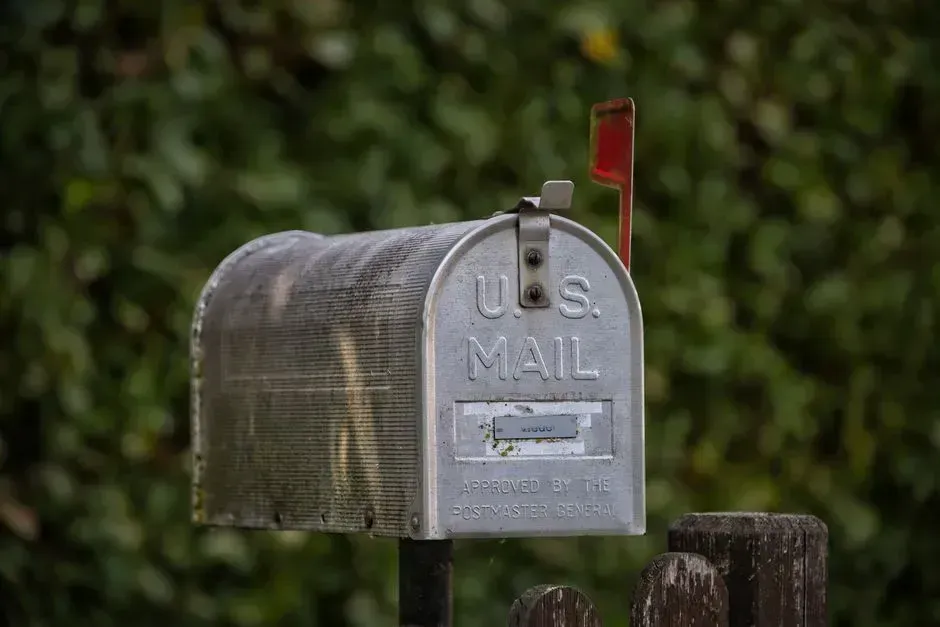
Waiting was built into the hobby. A letter sent overseas by regular mail could take a couple of weeks to arrive, and the answer needed just as long to come back. A full exchange might stretch across a month or more.
So people learned to be patient. Checking the mailbox became a daily habit, and spotting an unfamiliar foreign stamp in the pile could brighten an entire afternoon.
Trading Everyday Details About Life
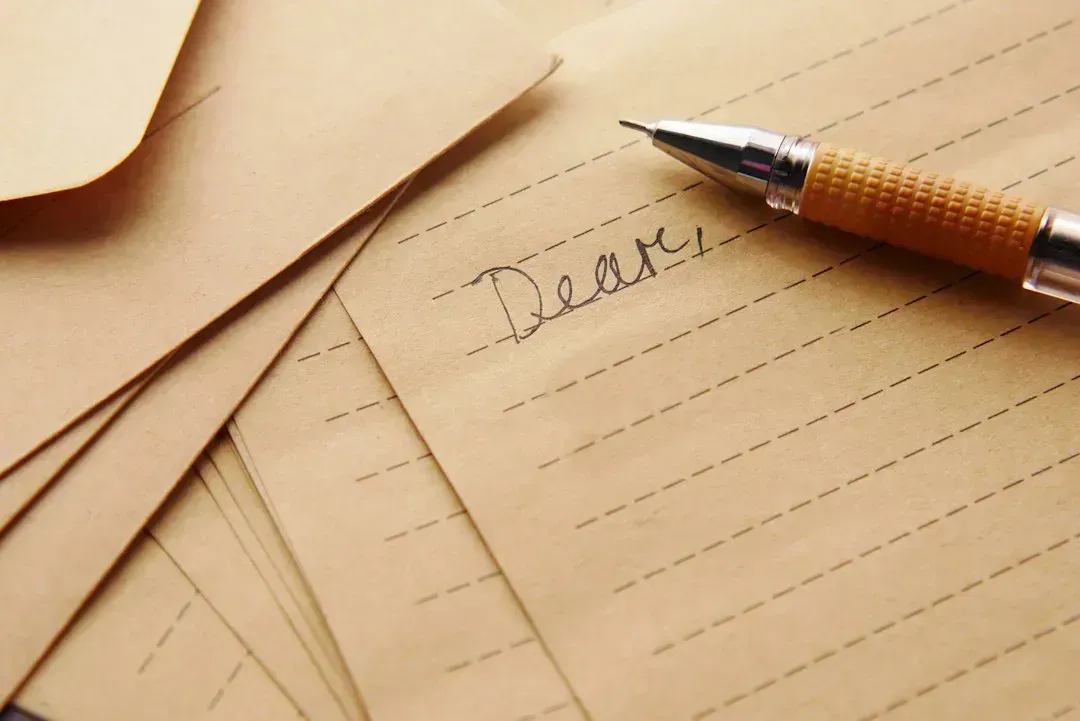
The content of those letters was usually ordinary, which was the charm. Writers described school days, favorite music, meals, weather, pets, and what the neighborhood looked like. Questions were common, since each reply had to carry the conversation across a long gap.
Many pen pals also practiced a second language this way. Students learning French, Spanish, or German often wrote a few lines in the other person’s language. Mistakes were part of the fun, and a gentle correction was often welcome.
Signing Off With a Closing Ritual
Endings had their own style. Common closings included “Yours truly,” “Your friend,” or “Write soon,” often followed by a postscript that squeezed in one last thought. The P.S. was almost expected.
Some writers sealed the flap with a sticker or wrote a message on the back of the envelope. Others added a return address in careful print, in case the postal system needed help. Then the letter went into the box, and the waiting started over again.



Leave a Reply