
Most people have had the experience. You cut potatoes at home, fry or bake them with care, and they still don’t taste like the ones from the restaurant down the street.
The gap isn’t magic, and it usually isn’t a secret ingredient either. It comes down to a handful of habits, tools, and choices that professional kitchens repeat thousands of times a week.
The Potato Itself Matters More Than You’d Think
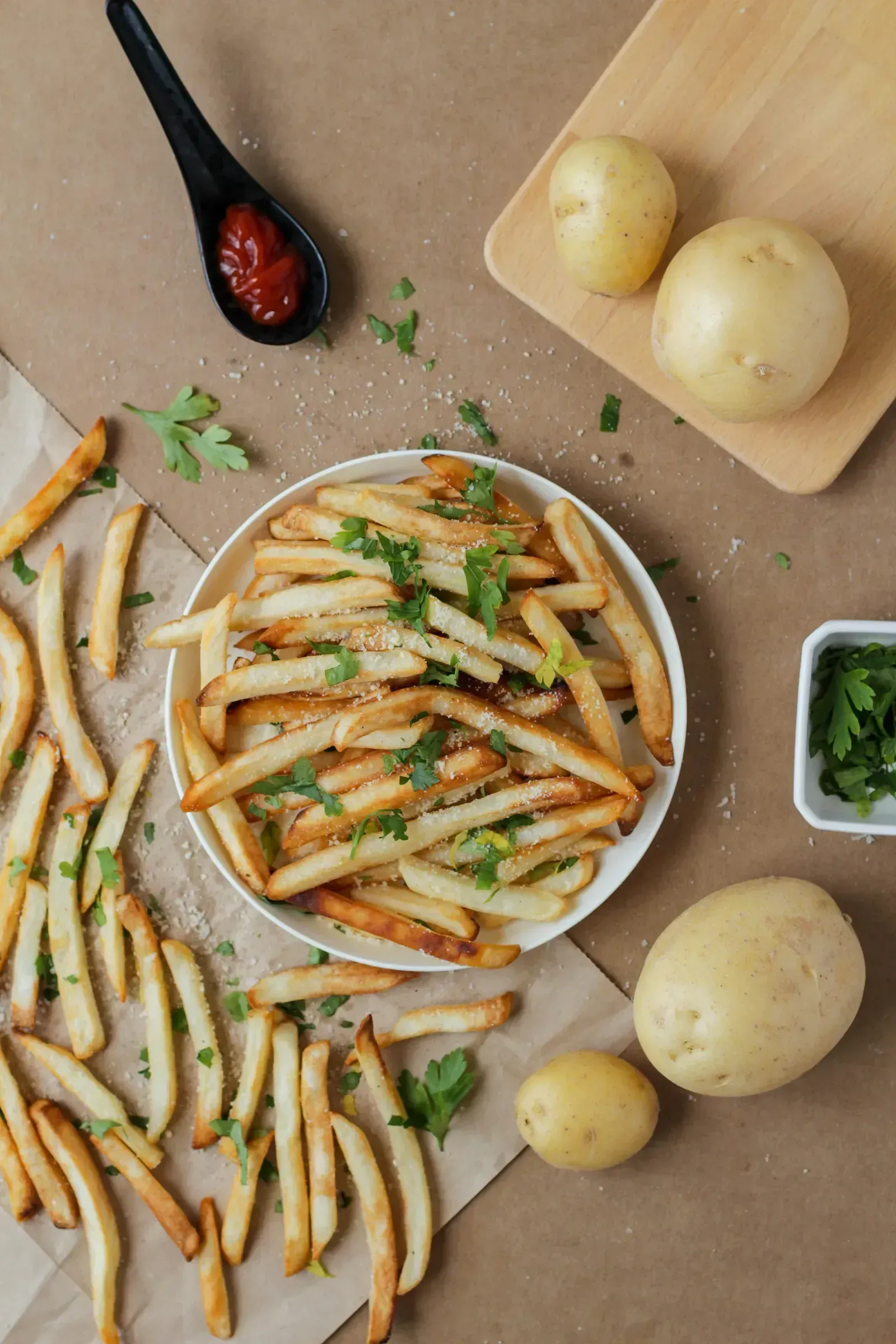
Starchy potatoes like Russets are the standard for fries in most kitchens. They have a high starch content and low moisture, which helps the outside turn crisp while the inside stays fluffy. Waxy potatoes hold their shape well in salads, but they tend to turn dense and a little gummy when fried.
Many restaurants also buy potatoes from suppliers that grow varieties specifically for frying. Those potatoes are stored and sorted for consistent sugar levels, so the fries brown evenly. A bag of mixed potatoes from the grocery store can vary a lot from one spud to the next.
Soaking and Rinsing Away Surface Starch
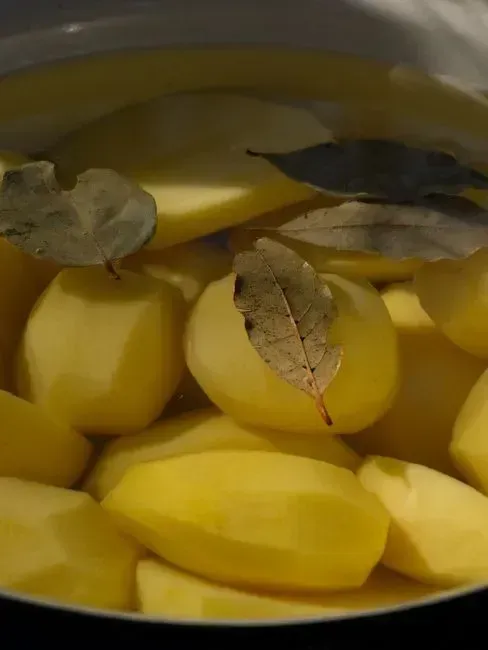
Line cooks often cut potatoes and place them in cold water before cooking. The soak pulls off surface starch, which would otherwise burn quickly and make the fries stick together. It also helps cut down on browning before they hit the oil.
The step only works if the potatoes are dried well afterward. Water and hot oil are a bad combination, since moisture causes violent spattering and lowers the oil temperature. Professional kitchens usually drain and dry them thoroughly before frying.
The Two-Stage Fry
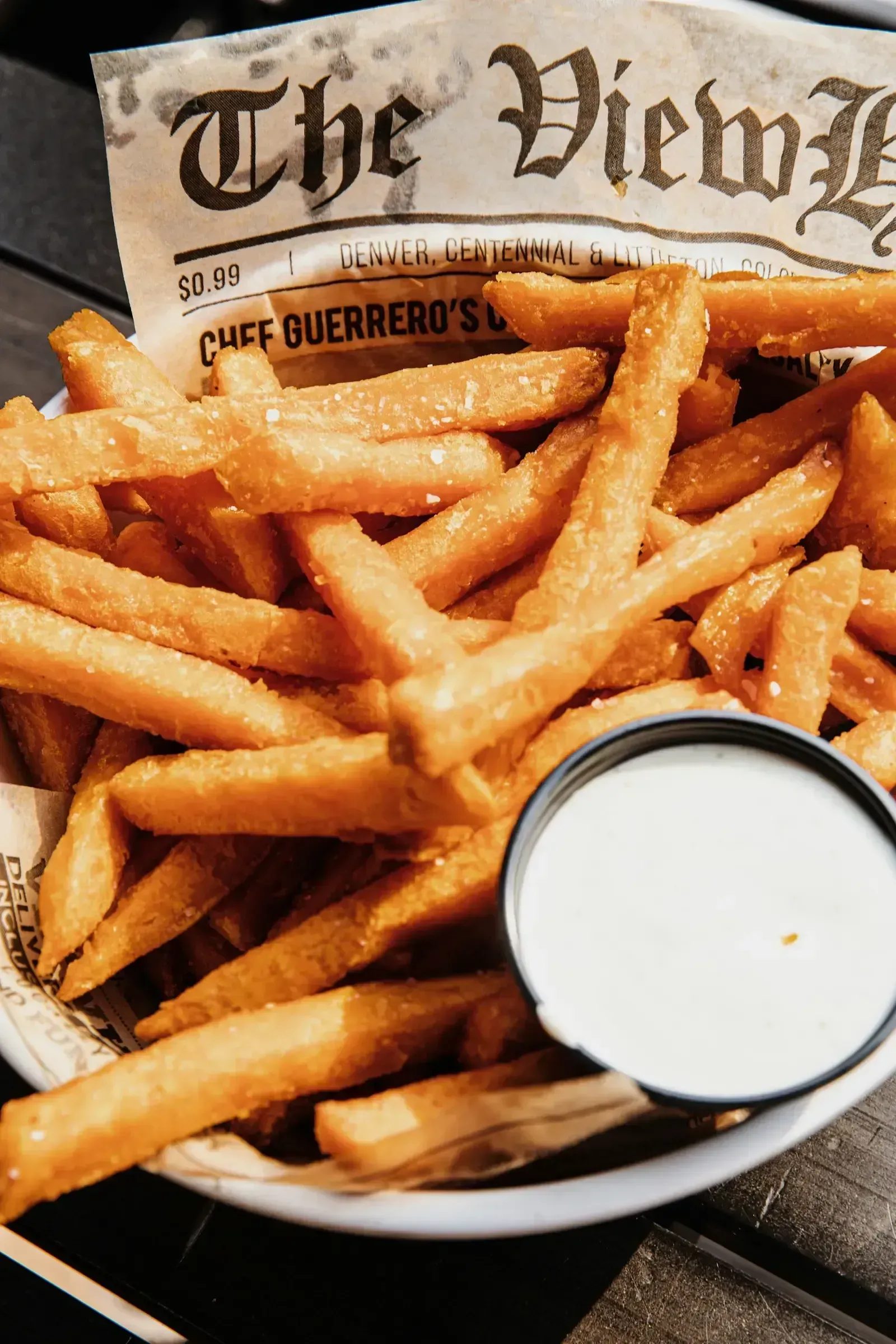
The most common technique behind great fries is cooking them twice. The first fry happens at a lower temperature, often somewhere around 300 to 325 degrees Fahrenheit, and it cooks the interior until it’s soft. The potatoes are then pulled out to rest.
The second fry is hotter, usually around 350 to 375 degrees. This one builds the golden, crisp crust. Many home cooks fry once and hope for the best, which tends to give you either a pale, limp fry or a dark outside with a raw center.
Oil Choice and Oil Age
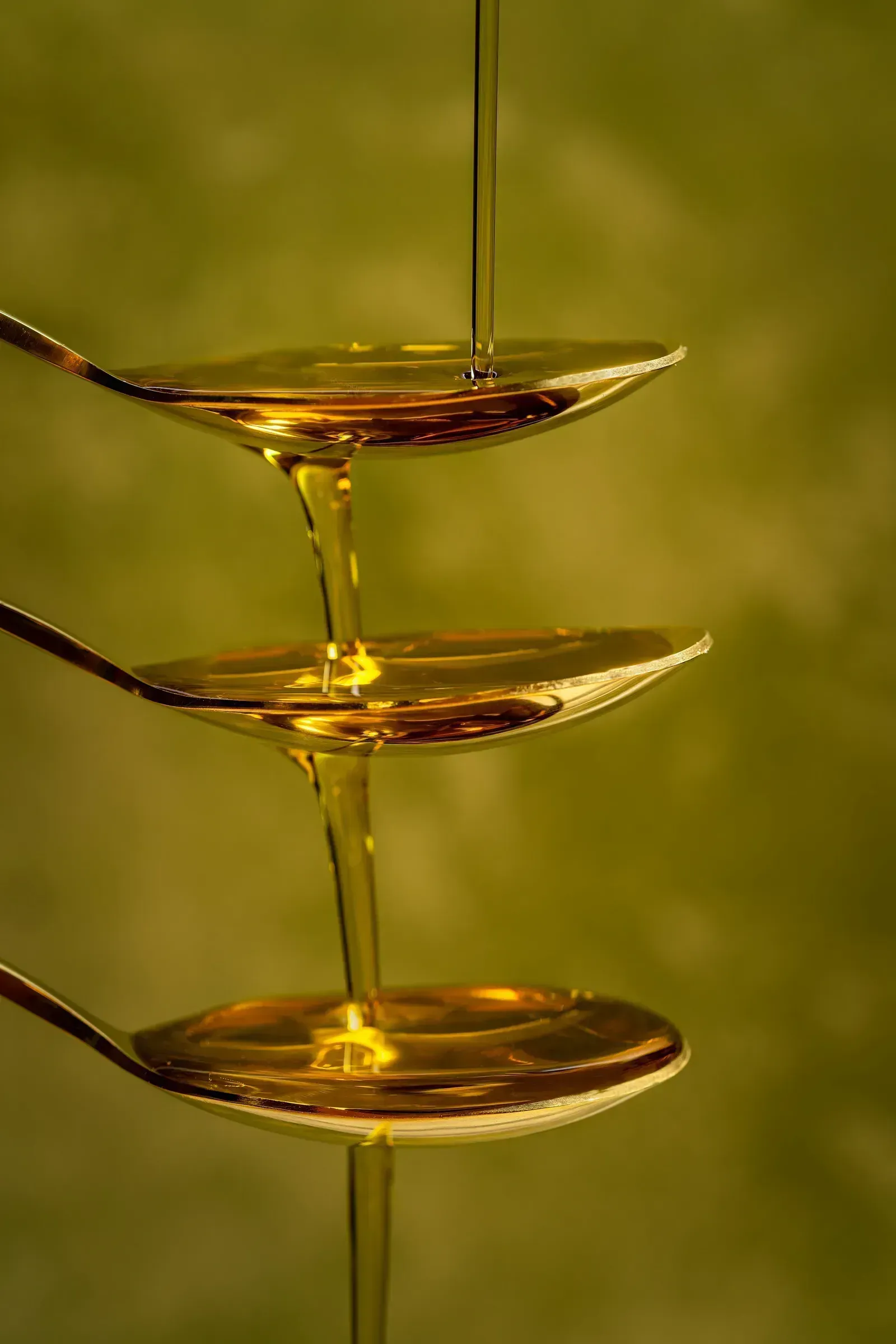
Commercial kitchens commonly use neutral oils with high smoke points, such as canola, soybean, or blends designed for frying. Some places still use beef tallow, which many people link to the flavor of classic fast food fries. The oil isn’t just a cooking medium, it’s a big part of the taste.
Used oil also behaves differently from fresh oil. Cooks often say that oil with a bit of use browns food more evenly than brand new oil, though it breaks down eventually and has to be replaced. At home, you’re almost always working with a fresh batch that’s never been seasoned by prior frying.
Equipment Built for Recovery
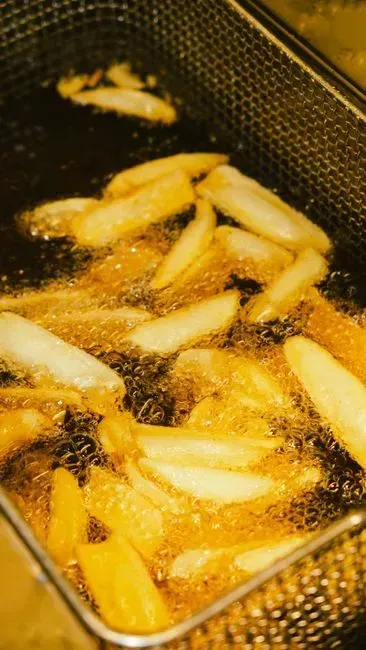
A commercial fryer holds a large volume of oil and has powerful burners or heating elements. When cold potatoes go in, the temperature drops, but a good fryer climbs back to temperature fast. That quick recovery keeps the fries from soaking up grease.
A pot on a home stove has far less thermal mass and less steady heat. Add too many potatoes and the oil can drop well below the ideal range. Frying in small batches helps, though it’s slower than what a restaurant can manage.
Blanching, Freezing, and Frozen Fries
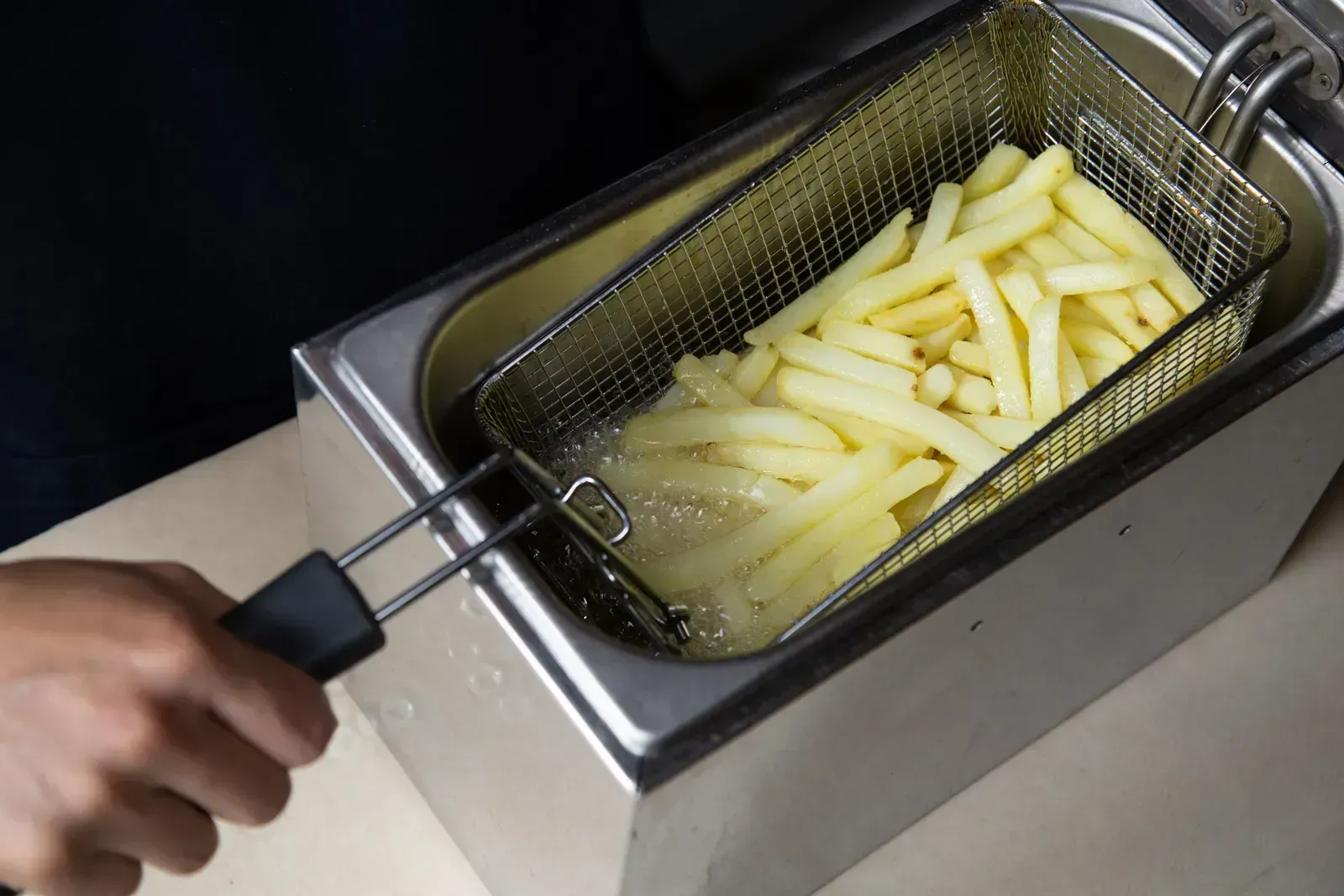
Plenty of restaurants don’t make fries from scratch at all. They use frozen fries that have been blanched, sometimes coated in a thin batter or starch layer, and flash frozen. That coating is a major reason many fast food fries stay crisp longer than homemade ones.
Even kitchens that cut fresh potatoes sometimes blanch them ahead of service so they’re ready to go. Freezing the blanched fries before the final fry can also improve texture, because ice crystals disrupt the potato’s cell structure and help moisture escape. Some home cooks use this trick too, and it works.
Salt, Timing, and Seasoning
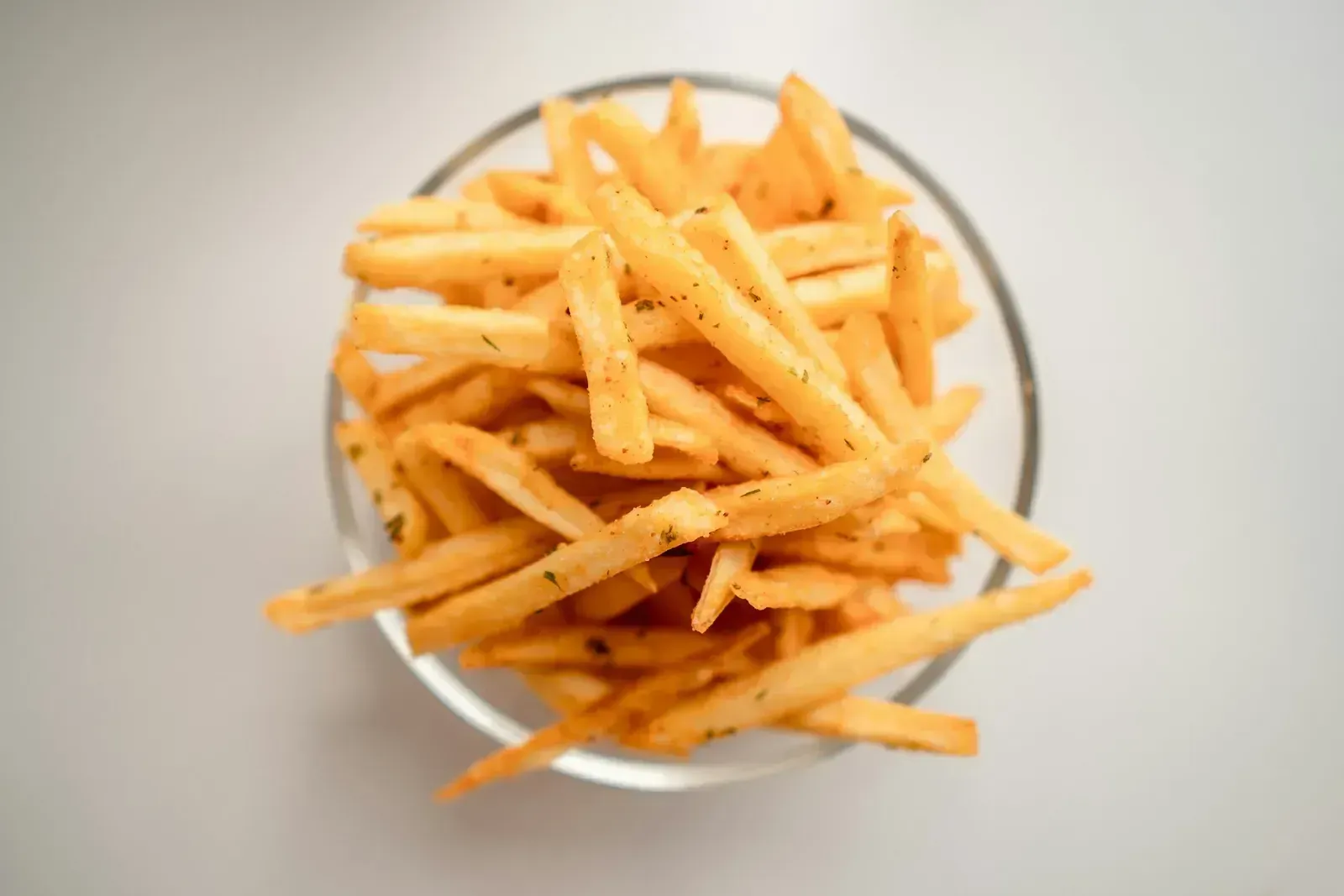
Line cooks salt fries the moment they come out of the oil. At that point the surface is hot and slightly slick, so fine salt sticks well and dissolves into the crust. Waiting even a minute or two makes seasoning less effective.
Many kitchens use finer salt for this reason, and some add seasoning blends with garlic, paprika, or other spices. At home, people often salt before frying or use coarse salt that bounces off. A small change in timing can make fries taste noticeably better.
Speed From Fryer to Table
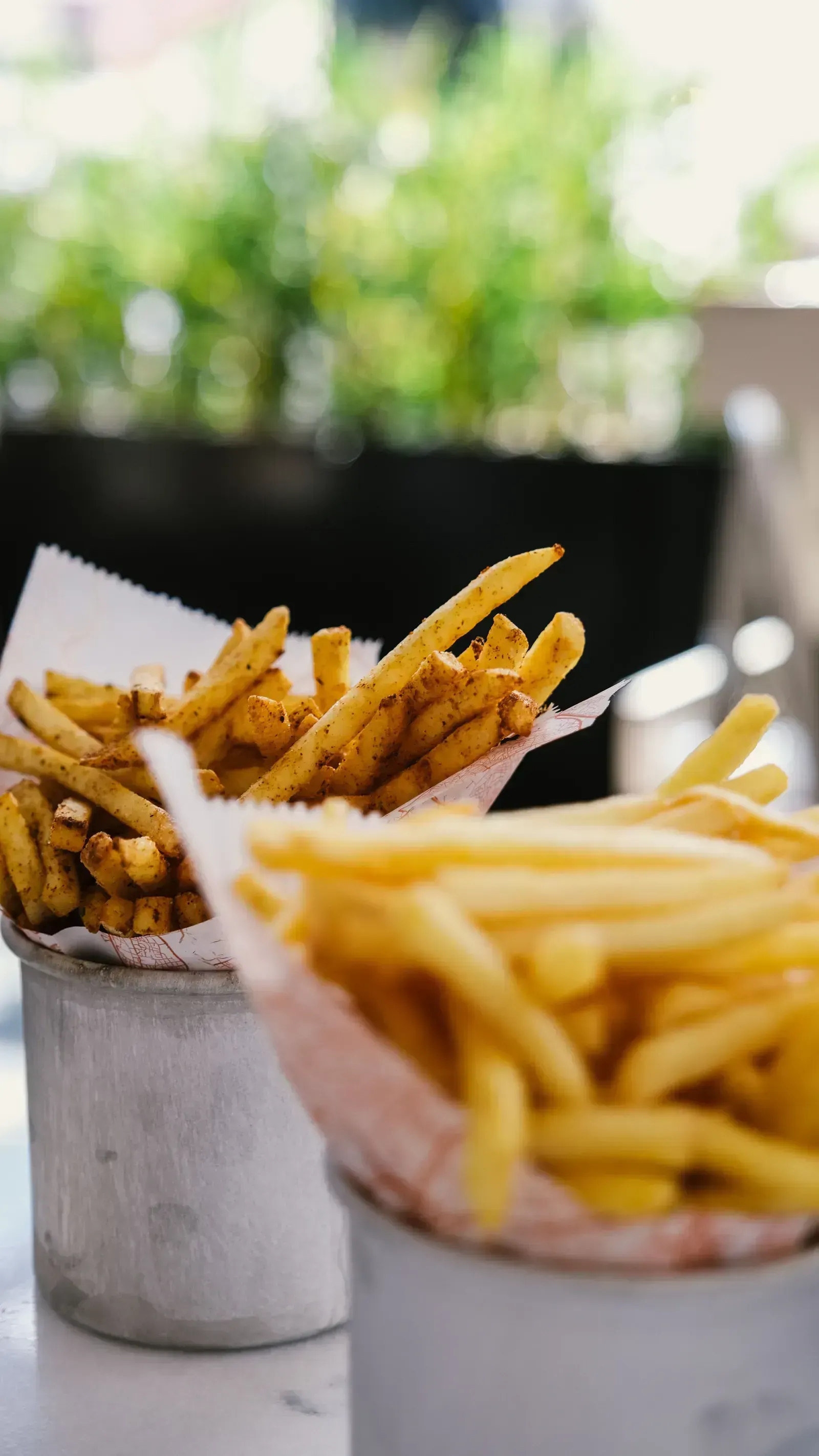
Restaurant fries are often eaten within minutes of leaving the oil. Crispness fades quickly because steam from the inside softens the crust as the fries sit. A short trip from the fryer to the plate is one of the biggest advantages restaurants have.
At home, fries often wait while the rest of the meal comes together, or get covered in a bowl where steam gets trapped. Serving them on a wire rack or an open tray helps. Cooking them last, right before eating, helps even more.
Oven and Air Fryer Fries Are Their Own Category
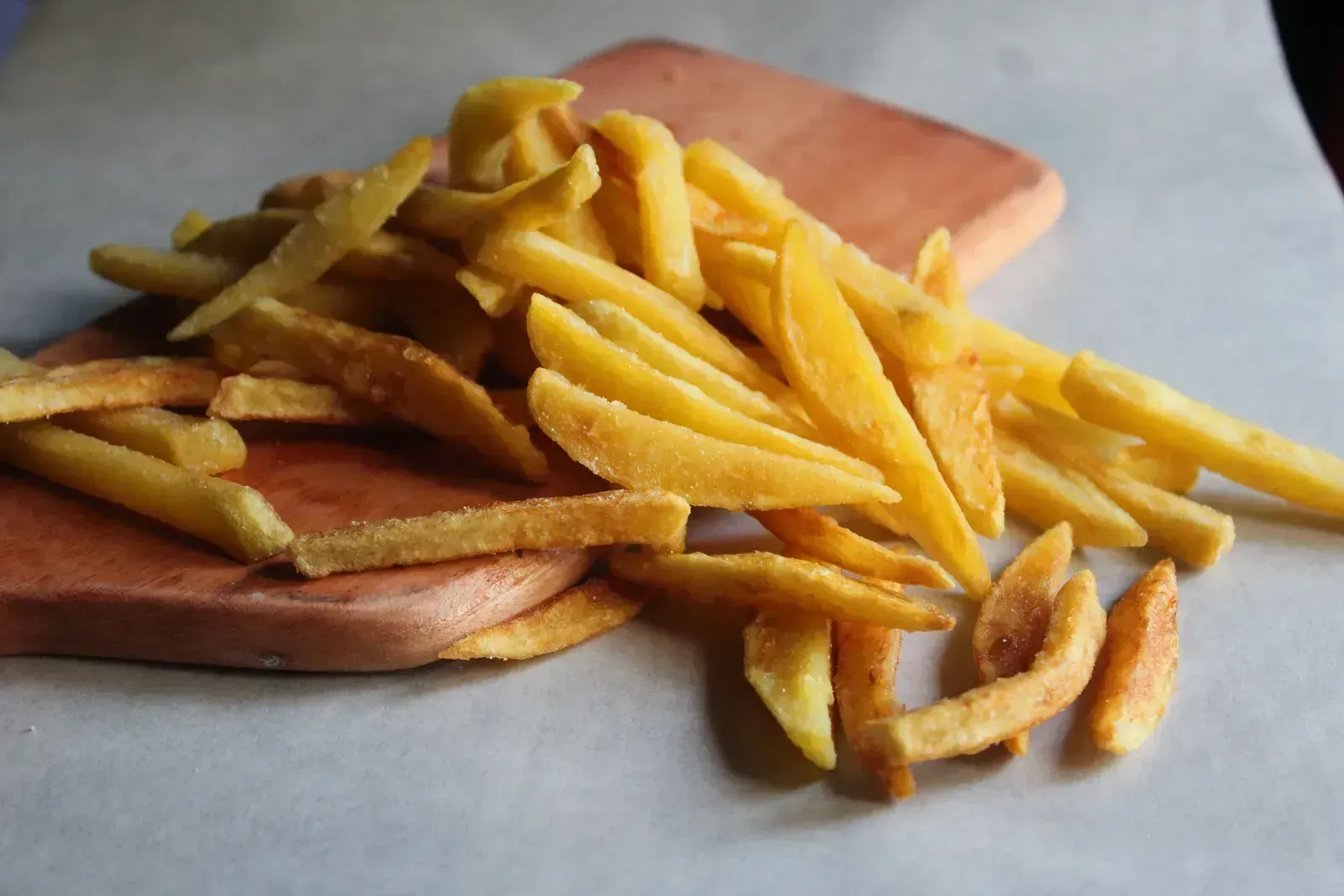
Many home cooks bake or air fry their potatoes to avoid a pot of hot oil. Those methods can produce good results, but they rely on much less fat, so the texture is different. They tend to be drier and chewier than deep fried fries.
Tossing the potatoes in a bit of oil, using a hot oven, and spreading them in a single layer all help. Even then, the result is closer to a roasted potato wedge than a restaurant fry. It’s a different dish, and it’s worth judging it on its own terms.
Closing Notes on Getting Closer at Home
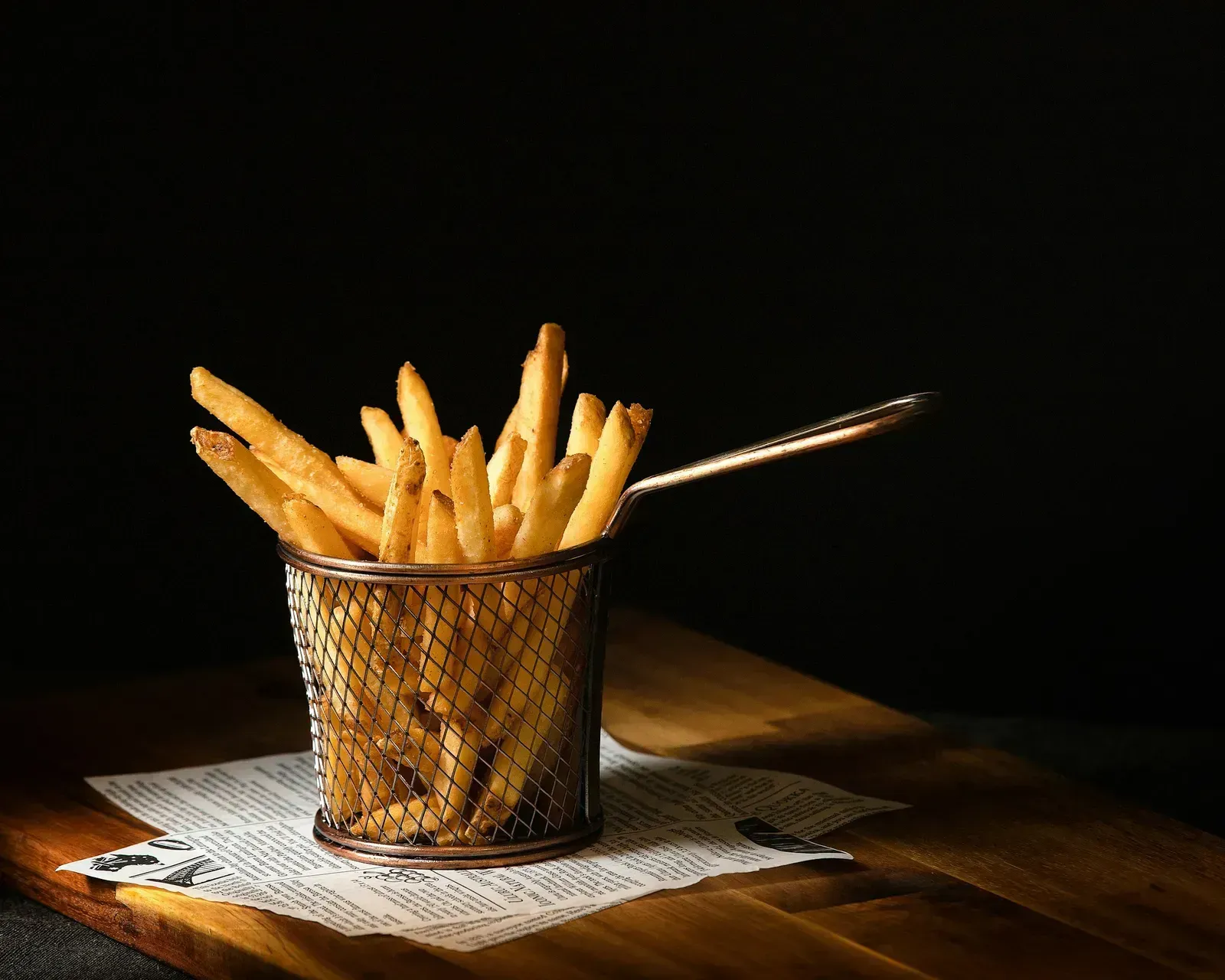
To get nearer to restaurant results, use Russet potatoes, soak and dry them, and fry them twice in small batches. Salt right away and serve immediately.
Those few steps account for most of the difference line cooks point to. The rest comes from commercial equipment and the volume of practice that comes with cooking fries all day.




Leave a Reply