
Walk through any home store in January and you’ll see the same promise repeated on every aisle: buy the right container and the mess will sort itself out. It’s a comforting idea. It’s also one that professional organizers keep questioning.
Several recent roundups from organizers point to a pattern. Certain storage products look tidy on a shelf or in a photo, then quietly become one more thing to store. Here are seven that come up again and again.
Clear Stackable Fridge Bins
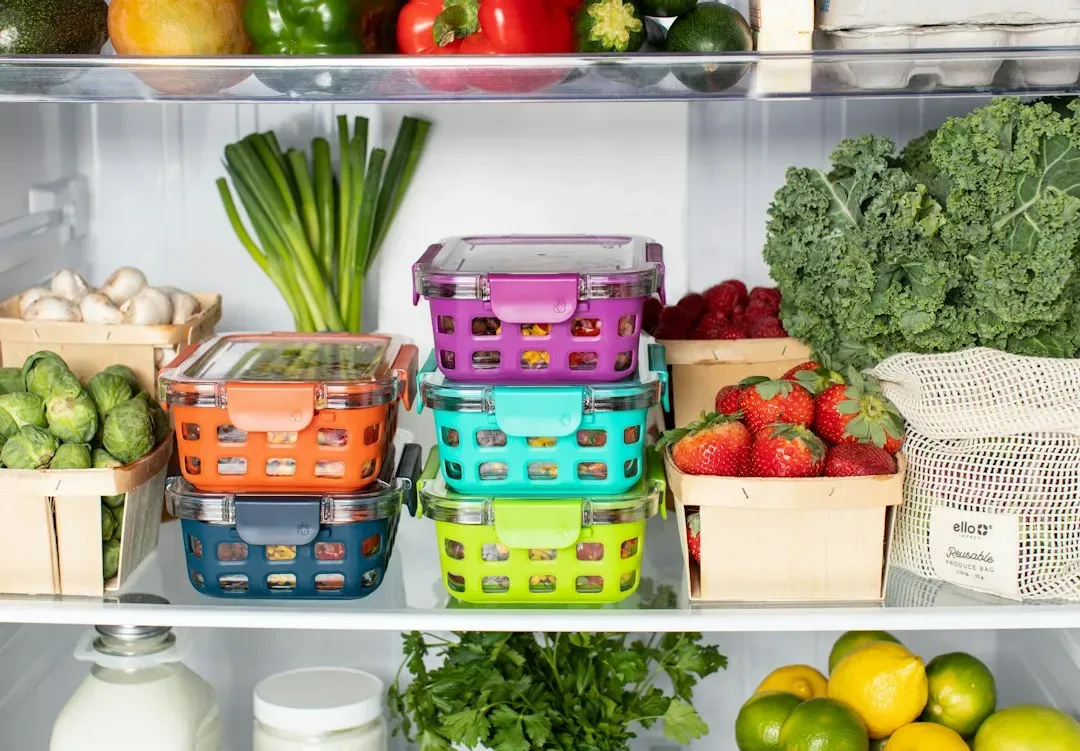
They’re a fixture of pantry and fridge makeover photos. Professional organizer Rachel Rosenthal, founder of Rachel and Company, likes to avoid clear stackable fridge bins. Her reasoning is that real life rarely stays as neat as the picture.
Groceries change from week to week, and so do routines. When that happens, the bins can turn into awkward plastic clutter. A fridge that shifts constantly is hard to fit into a rigid, fixed layout.
Bins Bought Before You Declutter
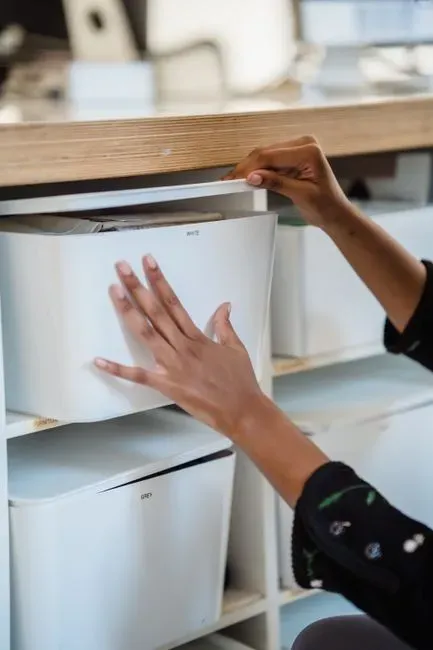
This is probably the most repeated warning of all. Professional organizers wouldn’t purchase storage solutions until they’ve fully decluttered and measured the space. Buying first tends to leave you with products that don’t suit the space or what goes in it.
Rosenthal makes a similar point. Buying bins first almost always leads to overstuffing and storing things you don’t need. Another organizer, Nichole Gehman, calls cute bins bought too early a trap, since they can lead to more clutter.
Opaque or Dark Storage Boxes
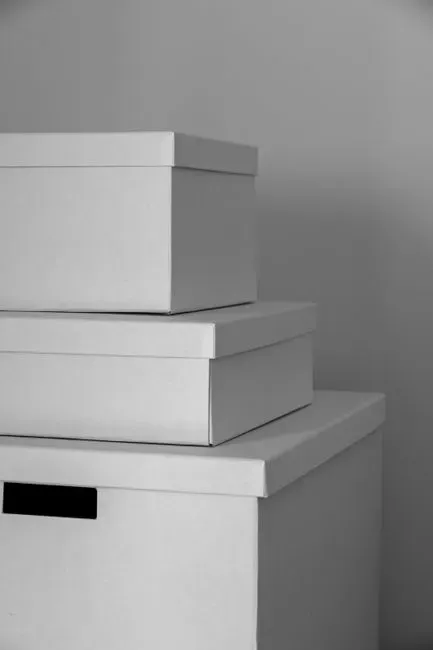
Plastic boxes are cheap and easy to find, which is part of the appeal. Organizers are less enthusiastic about ones you can’t see into. Opaque or dark colored boxes are a poor choice according to one roundup from Tom’s Guide.
The logic is practical. Good storage helps you find things without rummaging through boxes and wasting time. If you can’t tell what’s inside, things get forgotten, and then bought again.
Mismatched Discount Bins

Bargain bins are tempting, and they can be a fine place to shop. There’s a catch, though. Discount and overstock retailers may not restock a style, so you can be out of luck if you need more later, according to Blake Jones of The Organizing Boss.
That leaves you with a shelf of containers in slightly different sizes and shapes. They don’t stack well, and they don’t look calm. A system that can’t grow with you tends to get patched with whatever’s on hand.
Basic Single Level Freestanding Shelves
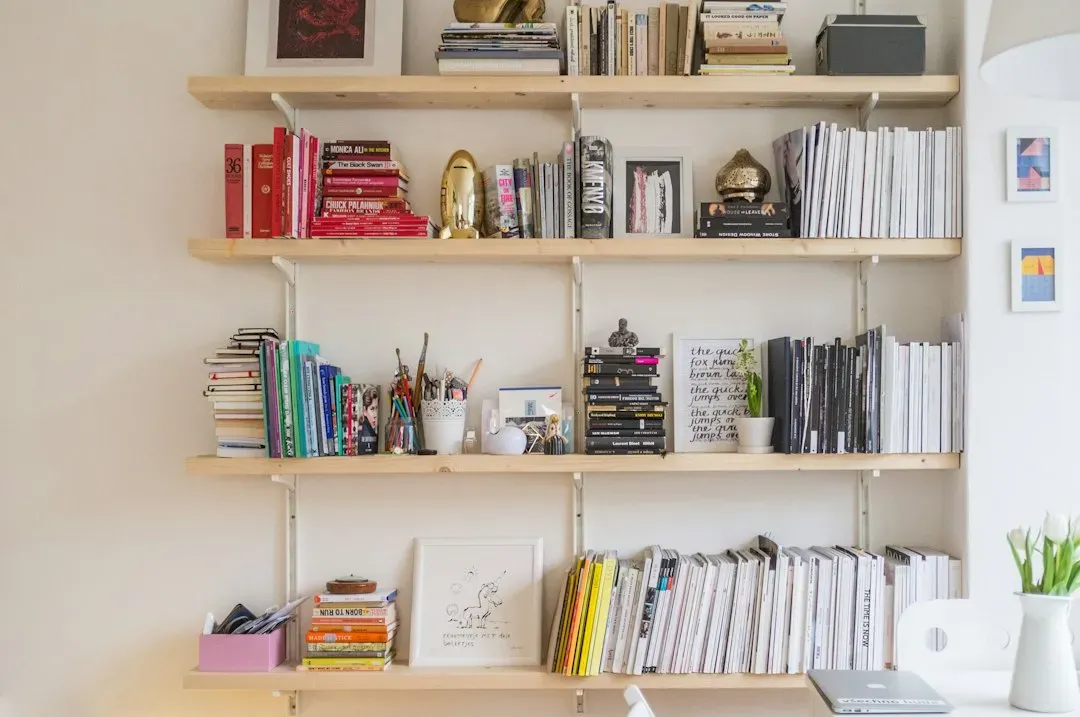
These aren’t useless. Organizer Ea Fuqua notes that there’s a place for basic freestanding shelves, such as when you need another spot to stack plates. The trouble comes when they’re used in places where space is tight.
Under the sink is the classic example. When you want to maximize storage there, organizers with multiple levels are more effective. A single shelf can leave a lot of vertical space wasted, and things pile up around it.
Flimsy Organizers That Lose Their Shape
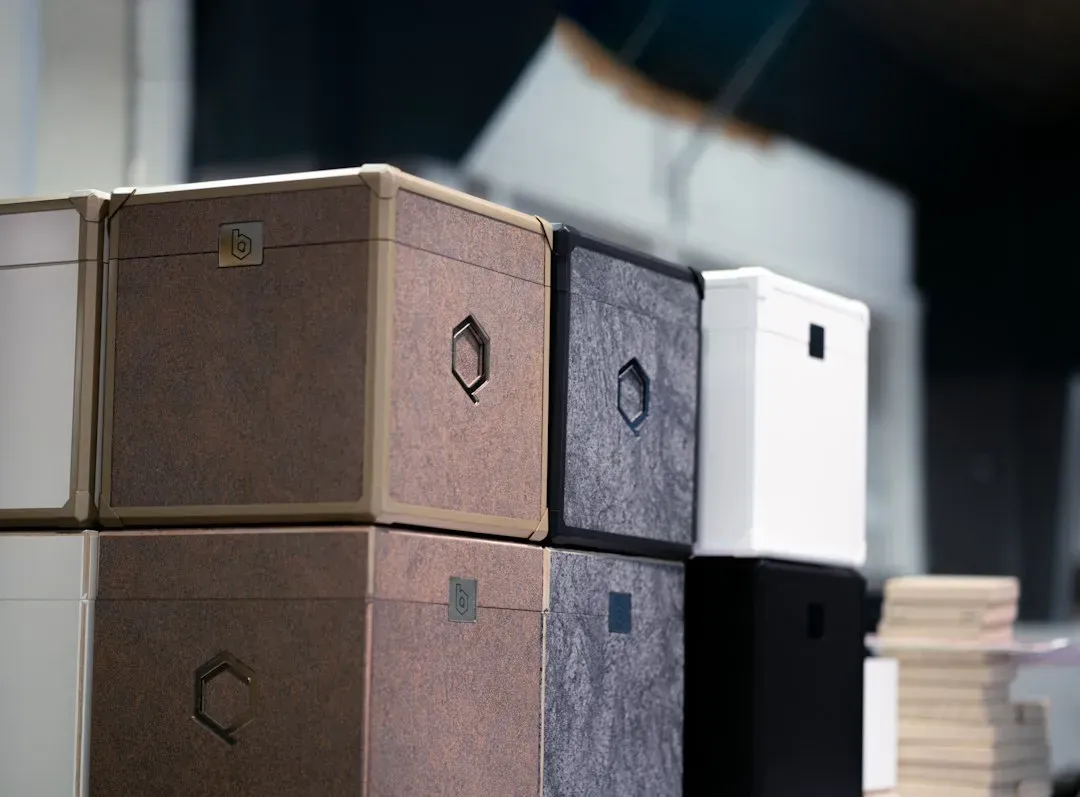
Soft, collapsible and lightweight organizers are popular for closets and drawers. Organizer Tia Mellis has been blunt about cheap versions in this category. She says they won’t last or keep their shape, and clients with clutter tend to use them for shoving things in.
Her alternative is simple. Get the right size wardrobe for your space, so clothes fit, stay visible and are stored neatly. Furniture that fits the room often beats an add on that sags.
Trendy Gadgets From Social Media
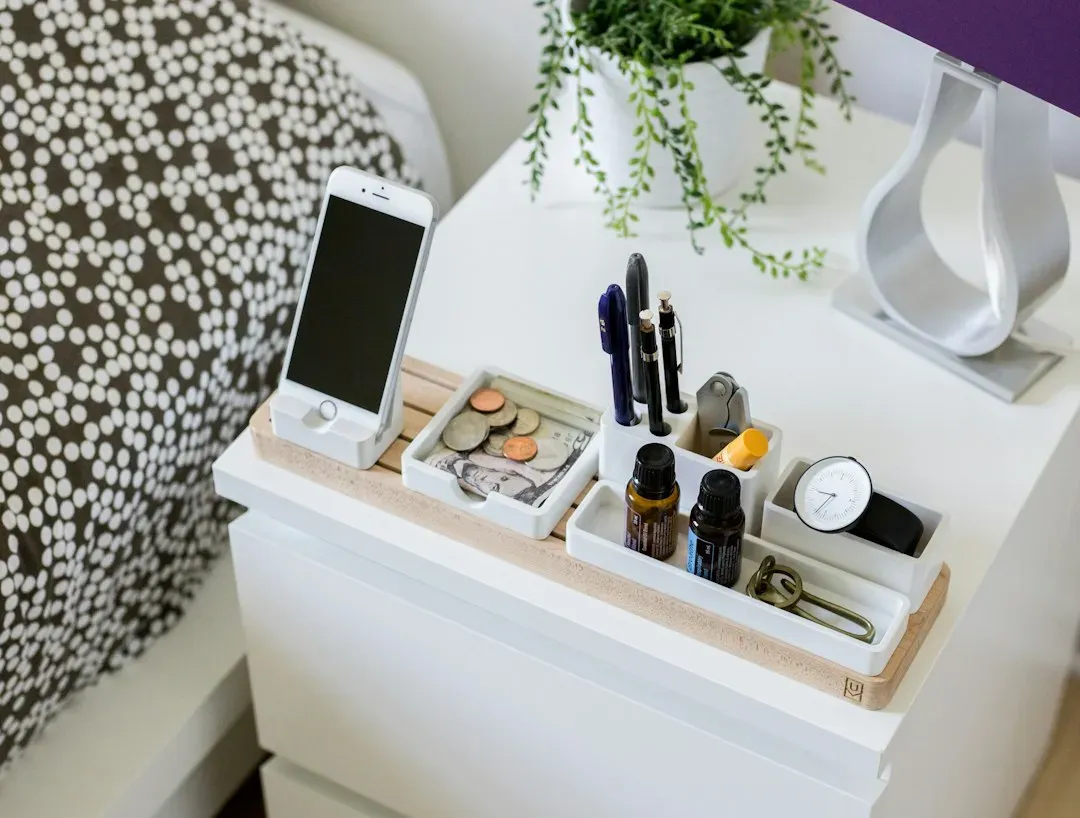
Collapsible drawer dividers, multi hanging devices and under bed storage all get plenty of attention online. Even organizers say some tools cause more hassle than they’re worth instead of boosting productivity. A clever demo doesn’t guarantee it works in your kitchen or closet.
Fuqua says the same about products that promise an organized life. Eventually, they become more stuff in your home until you haul them to a donation center and start over. It helps to ask whether a gadget solves a problem you actually have.
What to Buy Instead
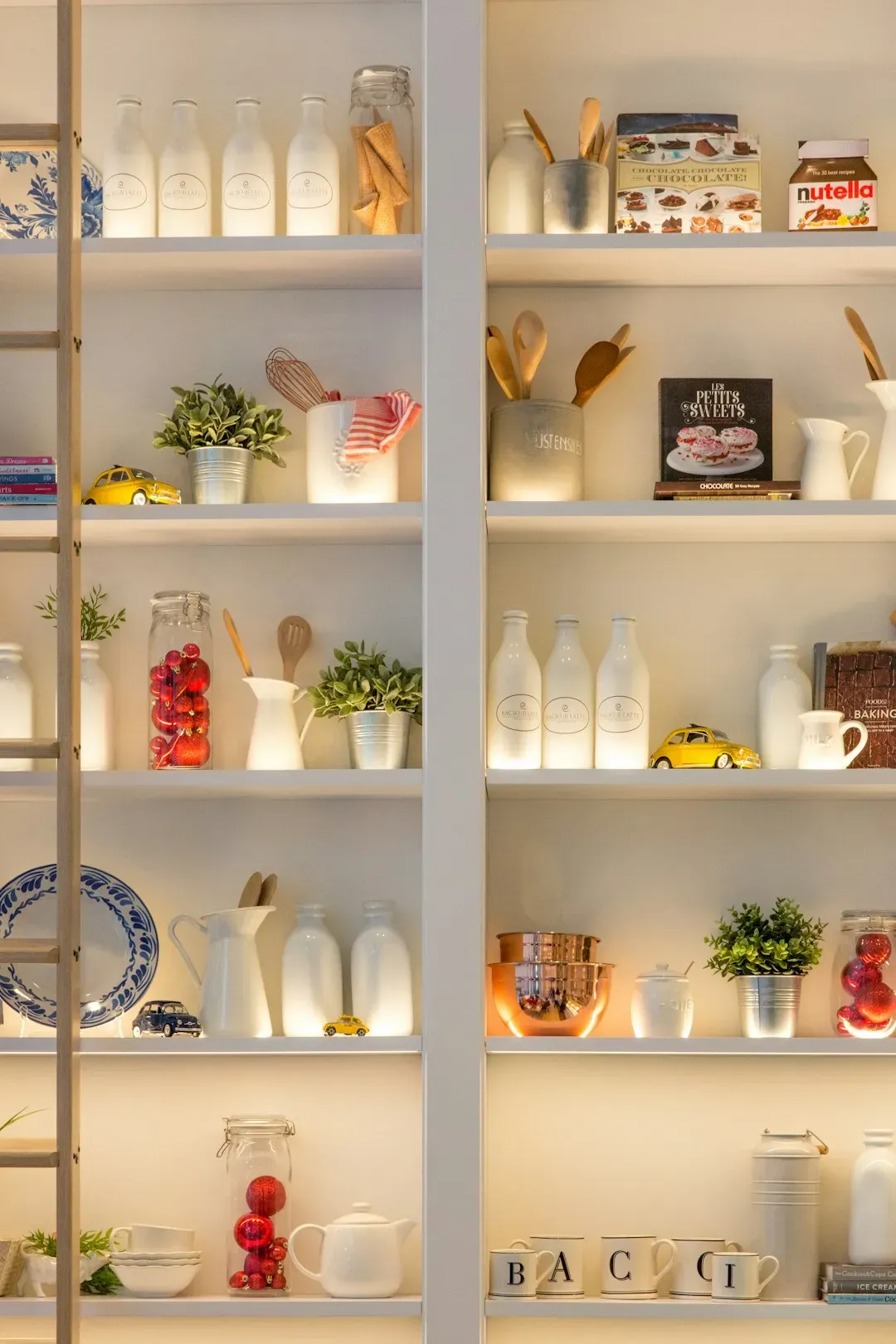
The advice from organizers is consistent. Organizing clutter is just rearranging a mess, so decluttering comes first. After sorting, you can measure your shelves and drawers and shop for exactly what fits.
Leftover empty containers are the real warning sign. A collection of empty bins can become another form of clutter. Buy last, buy less, and let the things you keep decide what you need.





Leave a Reply