
The real estate market has always had a ruthless way of separating what looks great on a Pinterest board from what actually sells a home. Right now, in 2026, that gap is wider than ever. The housing market is a completely different beast compared to just a decade ago, and buyers have become sharper, more discerning, and frankly less forgiving when they walk through a home and see something that screams outdated.
Sellers who haven’t kept up with shifting buyer preferences are finding themselves in a tough spot, as many features that once defined stylish American homes have rapidly fallen out of favor. The features on this list might just make you glance around your own home a little nervously. Let’s dive in.
1. The Jetted Jacuzzi Tub: Once a Luxury Symbol, Now a Liability
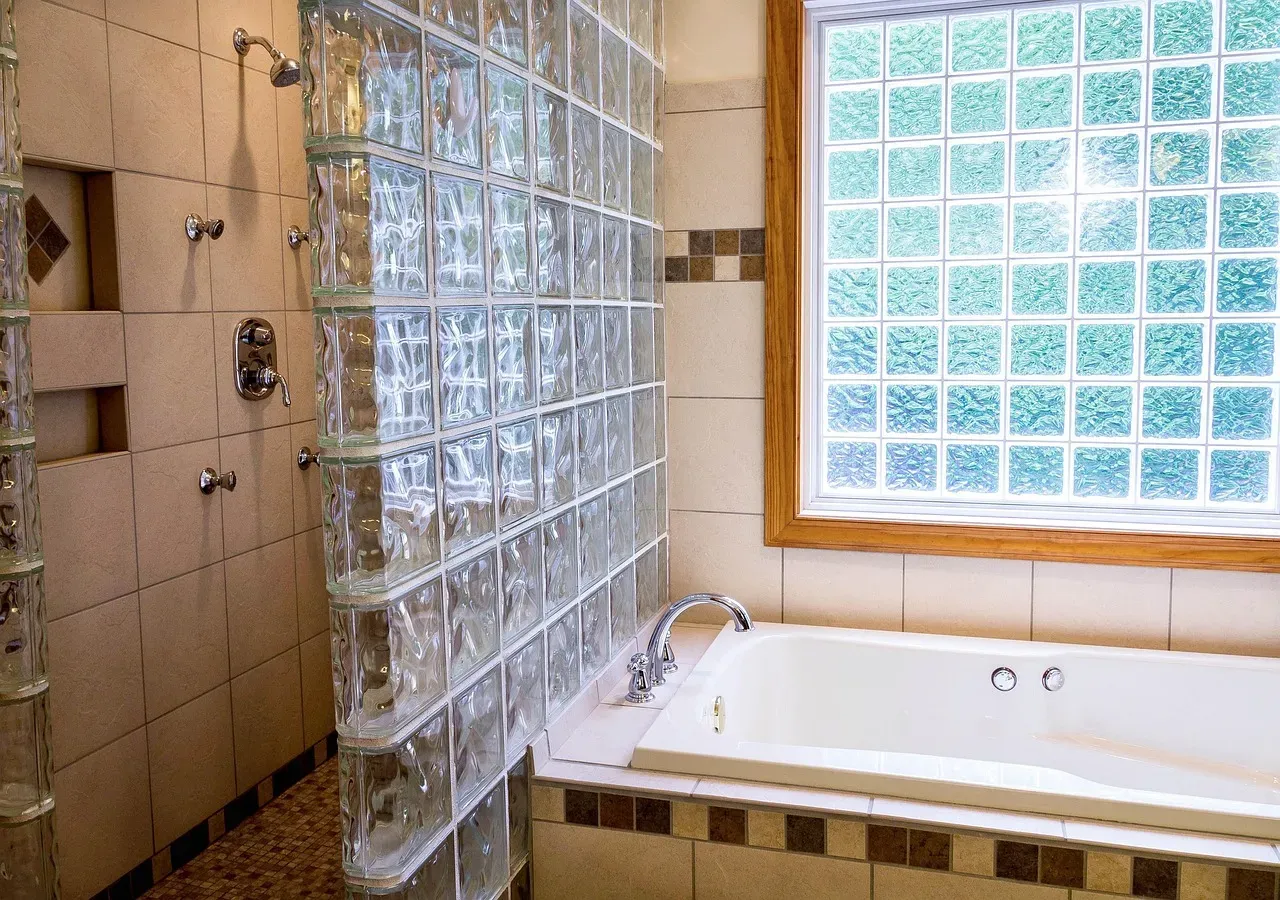
There was a time when a bubbling jetted tub in the master bath felt like the ultimate symbol of having “made it.” It was the kind of feature that made open house visitors linger, run their hands along the rim, and imagine a life of weekend soaks with a glass of wine. Honestly, the fantasy was compelling. The reality? Not so much.
Large jetted tubs once symbolized luxury, but many buyers now consider them impractical. They consume significant space and require extensive cleaning because the jets can accumulate bacteria. That maintenance burden is a genuine dealbreaker for modern buyers who prioritize simplicity.
When the Jacuzzi brothers invented the first hydrotherapy jetted tub in 1956, it became a valued feature for many homes well into the ’80s and ’90s. However, most home design trends have a shelf life, and jetted tubs were no exception – people soon came to realize that jets are a pain to clean, and large tubs require a ton of hot water to fill.
This shift is partly driven by the practical needs of modern homeowners and the desire for streamlined cleaning. A 2025 report from Houghton Contracting highlights that bathroom remodels focusing on walk-in showers and water efficiency are generating a return on investment of roughly 60 to 70 percent, outperforming the installation of large soaking tubs. Buyers are voting with their wallets for accessibility and speed over occasional relaxation.
2. The All-Gray Everything Interior: A Trend That Aged Overnight
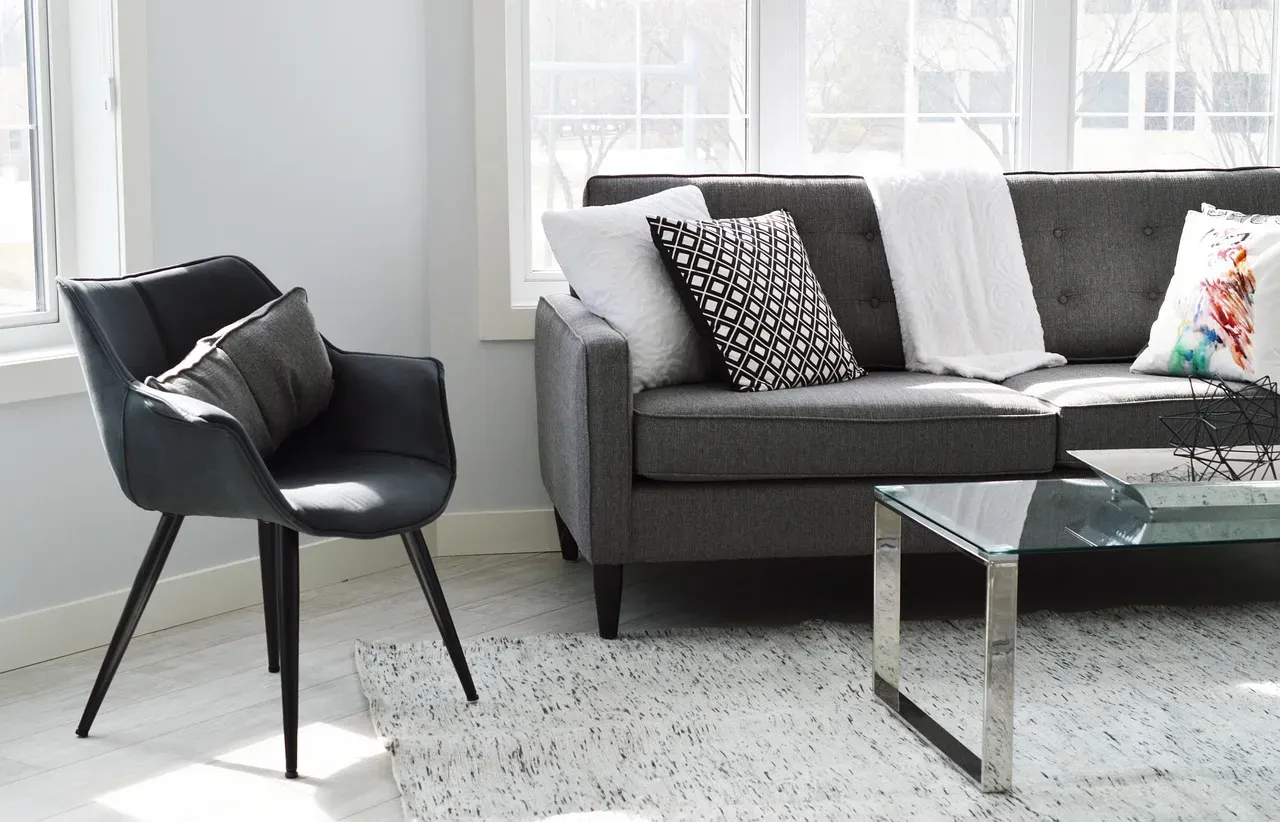
If you flipped a house or remodeled a bathroom anytime between 2012 and 2020, there is a very good chance you went gray. Gray walls, gray cabinets, gray floors. It felt modern. It felt safe. It felt like exactly what every buyer wanted. Then, almost overnight, it started feeling like a waiting room at a dentist’s office.
For years, real estate investors and home flippers relied on gray walls, gray flooring, and gray cabinets to create a “modern” look. In 2025, this trend is dead. Buyers now see all-gray interiors as cold, outdated, and overdone.
All-gray floors, walls, and finishes can feel cold and impersonal, especially when overused. Warm neutrals like soft beiges, taupes, and earthy tones are now what buyers prefer instead. Natural wood finishes and subtle color variation help homes feel more inviting and easier to imagine living in.
White kitchens are being replaced with warmer wood tones. Two-toned cabinetry, statement islands, and bold countertops are the preferred alternatives. Warm wood cabinets mixed with painted elements like deep green, navy, or beige are making kitchens feel more unique and inviting. Think of it like the difference between a cozy boutique hotel and a fluorescent-lit office corridor. Buyers want to feel the former the moment they step inside.
3. The Formal Dining Room: A Room Nobody Actually Uses Anymore
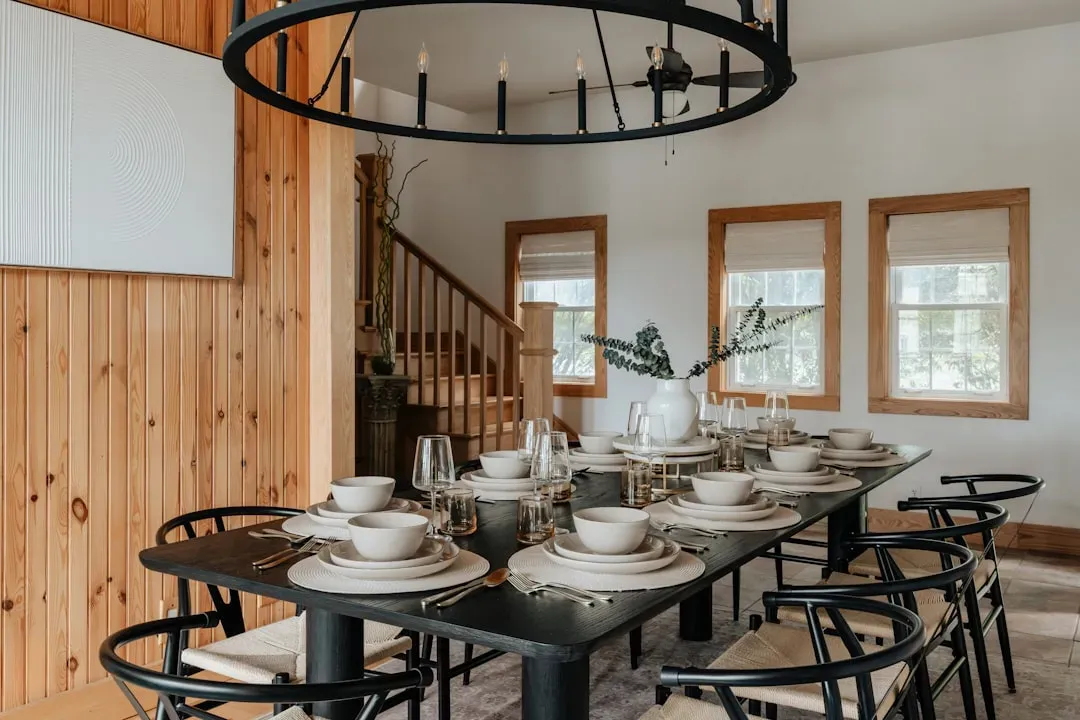
Here’s a space that was once considered essential, the kind of room that anchored holiday gatherings and formal dinner parties. It had its own dedicated china cabinet, a chandelier chosen with great care, and walls painted in a suitably serious shade. Now, for most buyers, that room just looks like wasted square footage.
According to Realtor.com’s own listing data, formal dining rooms with built-ins saw a notable 25.3 percent year-over-year decline, infinity-edge pools fell nearly 25 percent, and three-car garages dropped over 19 percent, as buyers favor modern, natural, and right-sized design choices over ornate or oversized spaces.
The once-coveted formal dining room is falling out of favor. Many buyers see it as wasted square footage, especially when open-concept kitchens with eat-in islands are more practical. With more families eating on the go or gathering casually, a closed-off dining room feels outdated. Buyers now prefer multipurpose spaces that can serve as offices, playrooms, or flex rooms.
For some, it is more than just a matter of putting unused spaces to work; many buyers and owners today prefer a more open feel in their homes, which often requires removing the walls that separate a formal dining room. The data from Realtor.com, which analyzed over a million active listings, makes it clear: ornate design details are no longer being featured in homes, and in the case of dining rooms, this includes built-in storage.
4. The Modern Farmhouse Aesthetic: Shiplap’s Reign Is Over
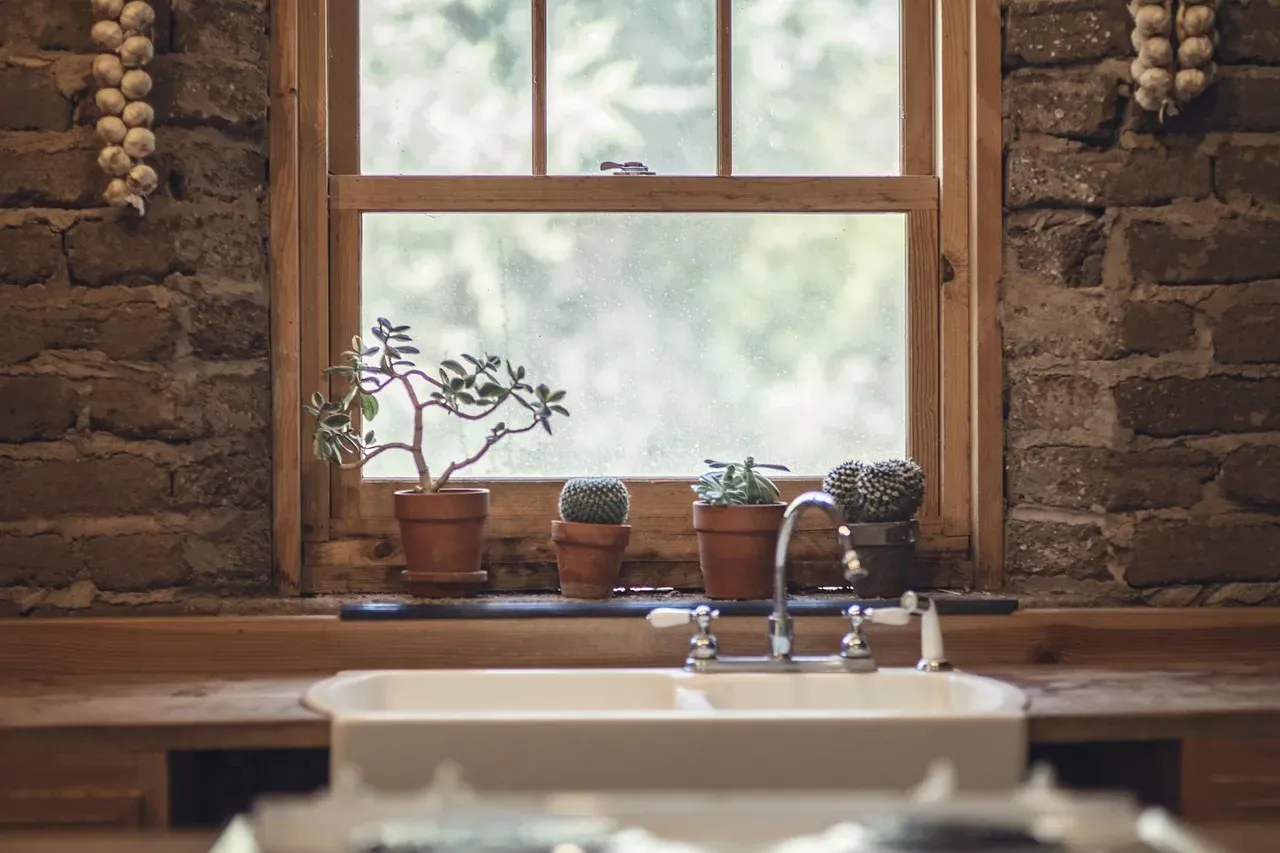
Let’s be real for a second. The modern farmhouse look was everywhere. Shiplap walls, sliding barn doors, exposed wooden beams, and distressed wood finishes dominated HGTV, home flips, and Instagram feeds for the better part of a decade. It felt warm, it felt rustic, it felt charming. In 2026, it feels like a theme park.
For the last decade, farmhouse design dominated house flips, with shiplap walls, barn doors, and rustic beams defining the look. In 2025, the overly “rustic chic” aesthetic is officially outdated. Buyers are moving toward sleek, modern, and transitional designs that feel less theme-heavy.
Once trendy, barn doors are now increasingly polarizing. They don’t offer much privacy or sound control, and buyers are noticing. What buyers prefer instead are pocket doors, traditional hinged doors, or modern sliding options that blend better with the architecture of the home.
Shiplap, once the darling of DIY remodels, now feels busy and overdone. Open shelving, while charming in theory, is rarely practical for everyday living. The replacement for the farmhouse look is something softer and more organic. A modern organic style that blends natural wood, minimal accents, and neutral tones without being overly rustic is what is actually moving homes off the market today.
5. The All-White Kitchen: Sterile Is No Longer Stylish
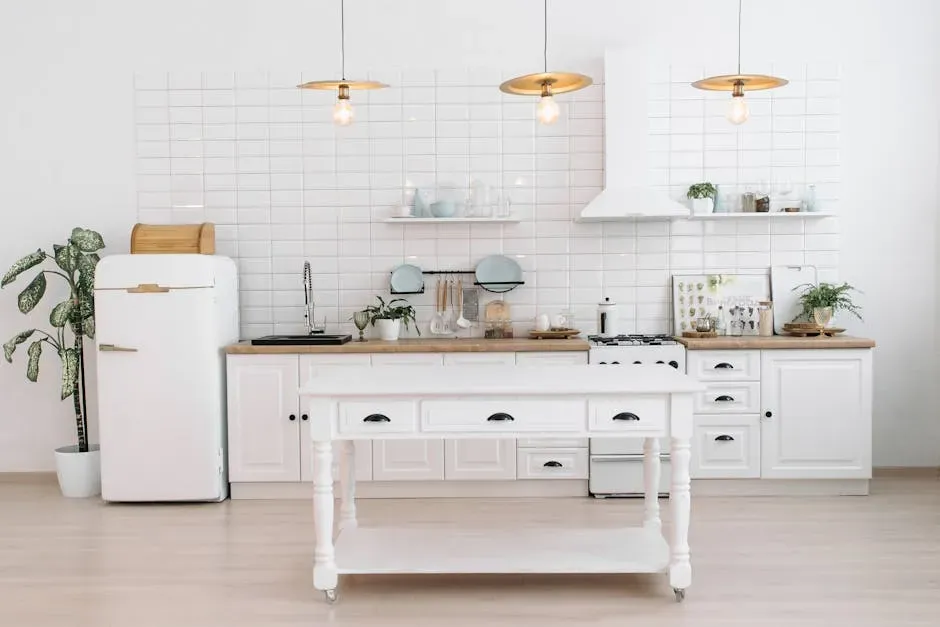
For years, the all-white kitchen was the gold standard. It felt clean. It felt bright. It photographed beautifully for listings. Sellers and flippers alike poured money into white cabinetry, white subway tile, and white marble countertops, confident they were making a universally safe choice. Turns out, the market has moved on from “universally safe.”
The once-beloved all-white kitchen is starting to feel sterile and outdated. While still a classic choice, buyers are moving toward more personality in their kitchen designs. It is a shift that is hard to ignore when you look at the listing data and buyer feedback coming from agents across the country.
For decades, granite was the undisputed king of kitchen renovations, but its reign has officially ended. Buyers are now rejecting the busy, speckled look of granite in favor of cleaner, lower-maintenance materials that fit modern aesthetics. The requirement to seal natural stone annually is a chore that today’s low-maintenance homeowner is happy to leave behind.
The industry numbers show a dramatic shift in kitchen design preferences. The National Kitchen and Bath Association’s 2026 forecast reported that roughly three quarters of professionals now favor quartz for its durability and consistency. The all-white kitchen is not dead, but the sterile, monochromatic version of it certainly is. Buyers want warmth, texture, and personality now. A home that still looks like a 2015 spec house is going to sit on the market longer than its seller would like.
What This Means for Sellers Right Now
It is worth stepping back and looking at the broader market context here. Sales of previously occupied homes hit a nearly 30-year low in 2024, according to the National Association of Realtors. That means sellers are competing harder for fewer active buyers, and those buyers have options they didn’t always have before.
Both buyers and sellers have been retreating from the housing market, but buyers have backed off faster over the past couple of years. As a result, sellers far outnumber buyers, which means the buyers who are in the market hold negotiating power. Many buyers are successfully negotiating concessions and lower prices from sellers, and homes are taking a long time to sell in part because buyers feel they can take their time.
Buyers are no longer chasing the temporary high of a viral trend; instead, they are prioritizing long-term livability, wellness, and ease of maintenance. When a home hits the market today, realtors report that certain features are acting as “value anchors,” dragging down prices. Sellers who inherited these once-popular features and haven’t updated them are now paying the price at the negotiating table.
The good news is that none of these issues require a full renovation budget to address. None of these updates require a complete renovation budget. Many of them, like repainting walls, swapping out flooring, or removing that jetted tub, are surprisingly affordable relative to the damage they can cause if left alone. A seller who understands this has a real edge in today’s unforgiving market.
What about you? Are any of these features sitting in your home right now, and did any of them surprise you? Tell us in the comments below.




Leave a Reply