
Grocery stores become the new tourist attraction
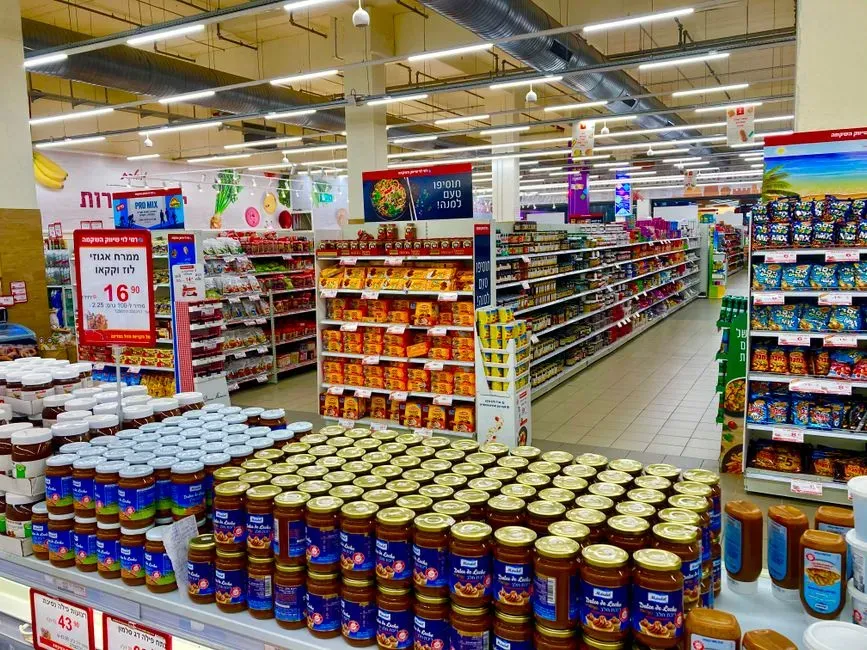
Forget museums for a second. A growing number of travelers are heading straight for the local supermarket, and it is not just for snacks. “Shelf Discovery” describes a food-first way of traveling to deliberately explore local supermarkets, mini-marts, and corner stores, reframing “eating like a local” into “shopping like a local.”
The numbers back up the anecdotes. Grocery travel gained a reputation for authenticity at low cost and has become a widespread trend since 2025, accelerated by social media turning snack-hunting videos into mini travel guides for countries like South Korea, Japan, Singapore, Bali, and Vietnam. A significant share of travelers now treat the cereal aisle with the same curiosity they once reserved for temples and city squares.
Snacks are the new souvenirs

The fridge magnet is losing ground to something tastier. According to Skyscanner’s 2026 Travel Trends Report, roughly two thirds of travelers say sampling local food is the best way to understand culture, while over half say grocery shopping makes them feel like a local rather than a tourist.
That mindset has changed what people pack for the flight home. The new travel souvenir is a carry-on full of cookies, chips, and condiments, with travelers bringing back a taste of their vacation, from Japanese konbini snacks to Caribbean hot sauces and Mexican candy. Social feeds are now full of “haul videos” rating everything from Cuban sodas to plantain chips, turning a grocery bag into a kind of edible scrapbook.
Lunch has become the itinerary, not a break from it
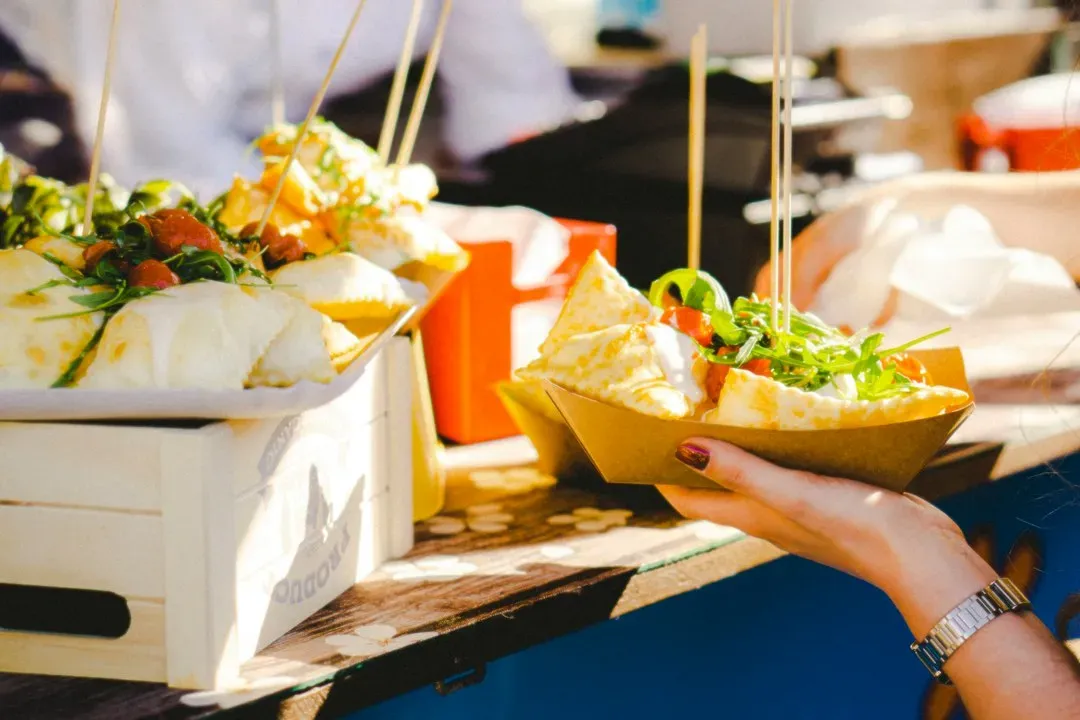
Sightseeing used to pause for meals. That order is reversing for a large slice of travelers. A growing share of travelers now start with the experience they want rather than a list of landmarks, choosing a destination because they want to learn how a regional dish is made, eat in a night market, or shop with a local cook, so that lunch is not a break from sightseeing but is sightseeing itself.
Survey data gives this shift real weight rather than leaving it as a vibe. The World Food Travel Association’s 2026 Food Travel Monitor found travelers rated the importance of food and drink in choosing a destination at an average of 8.2 out of 10. That is a striking score for something once treated as a side detail of a trip rather than its centerpiece.
“Sight-doing” replaces passive sightseeing
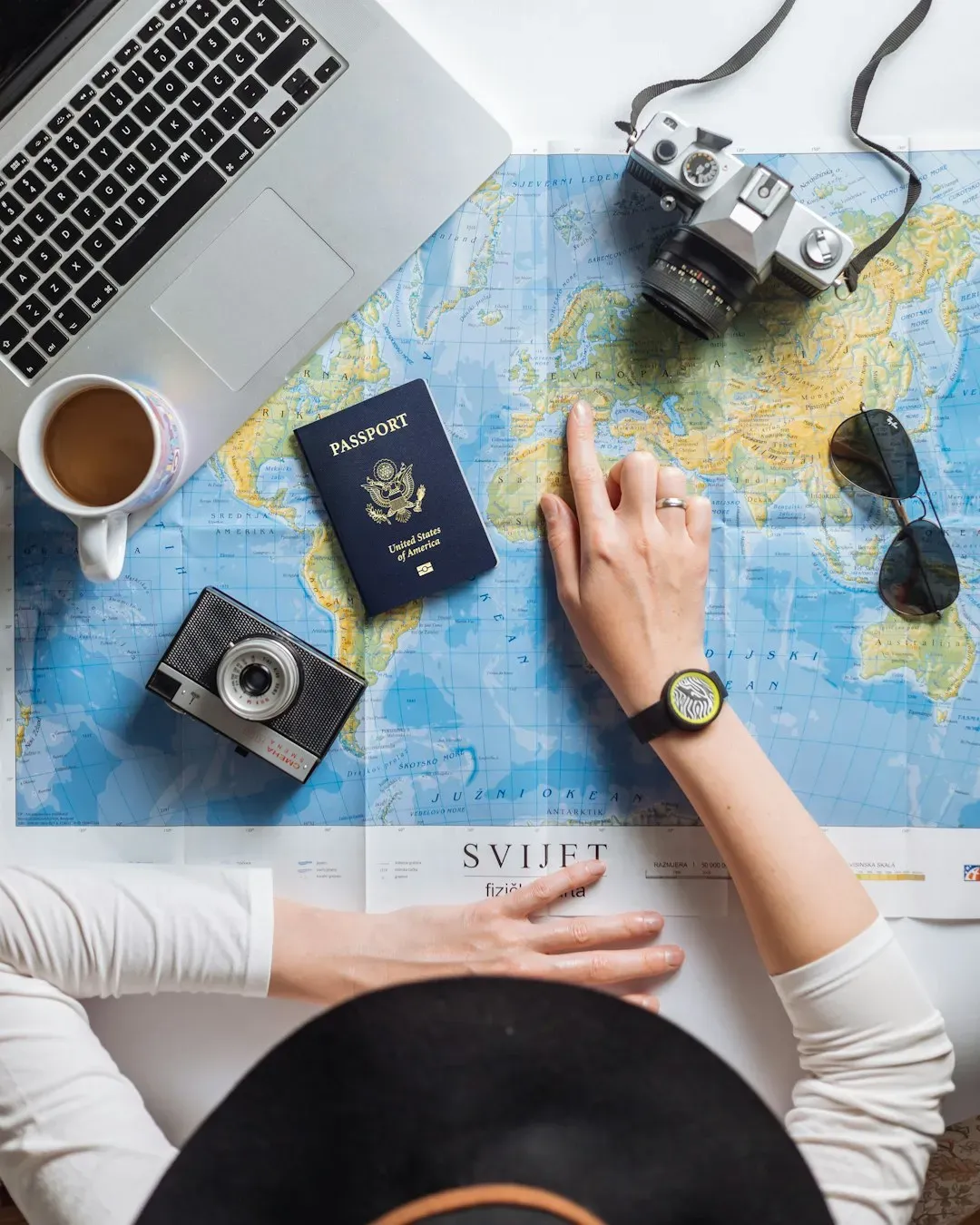
Standing and looking at things is out of fashion, at least according to the big travel companies. American Express Travel’s 2026 Global Travel Trends Report describes a behavior it calls “Sight-Doing,” where instead of simply observing a place, travelers want to take part in something that belongs to it, from tortilla-making classes in Mexico City to fragrance workshops in Paris, turning food from a meal into a participatory cultural experience.
This is not a niche habit reserved for adventurous backpackers either. The report says roughly four out of five global respondents plan to take the same number of hands-on experiences, or more, on upcoming trips. Cooking classes, once a quirky add-on, are becoming a default line item on trip planning apps.
Haitian cuisine steps into the spotlight
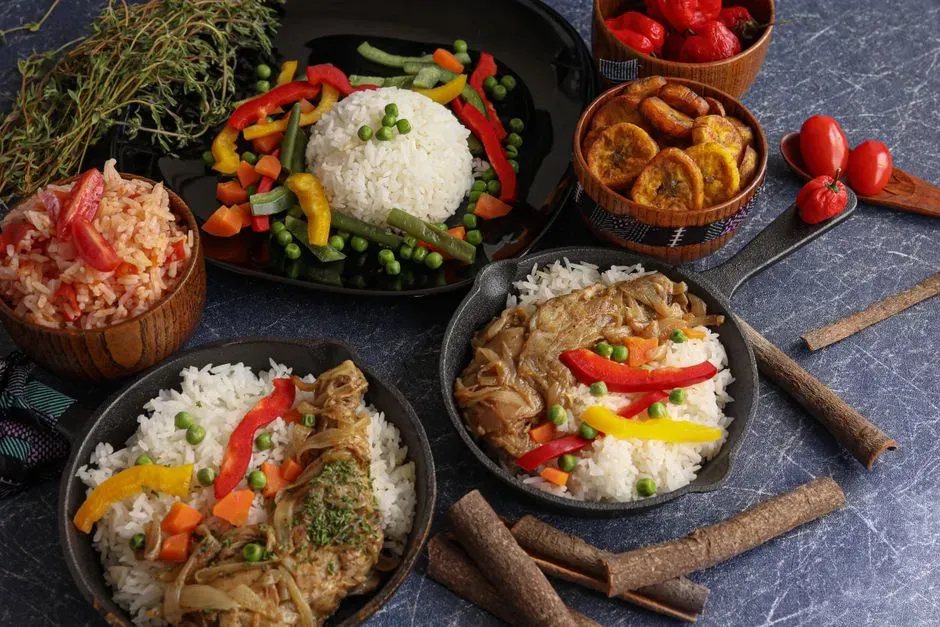
Some food stories start online and slowly move into restaurants. Haiti’s is one of them. Although it is strongly advised not to visit Haiti right now, the country’s food culture is on the rise, with Datassential’s 2025 Food, Flavor and Beverage Trends report highlighting pikliz, Haiti’s spicy pickled vegetable condiment, as a trend for 2026.
The growth is visible in restaurant openings, not just hashtags. Miami remains the country’s Haitian heartland, while 2025 openings including Gourmet Kreyol in Boston and Griot Gardens in Houston are helping popularize dishes such as diri djon djon, and New Orleans launched its inaugural Haitian Food Crawl in early 2025, a four-day celebration of the country’s culinary influence. A cuisine that was largely confined to diaspora neighborhoods is quietly finding a broader audience.
Michelin inspectors flag fire, fermentation, and mushrooms
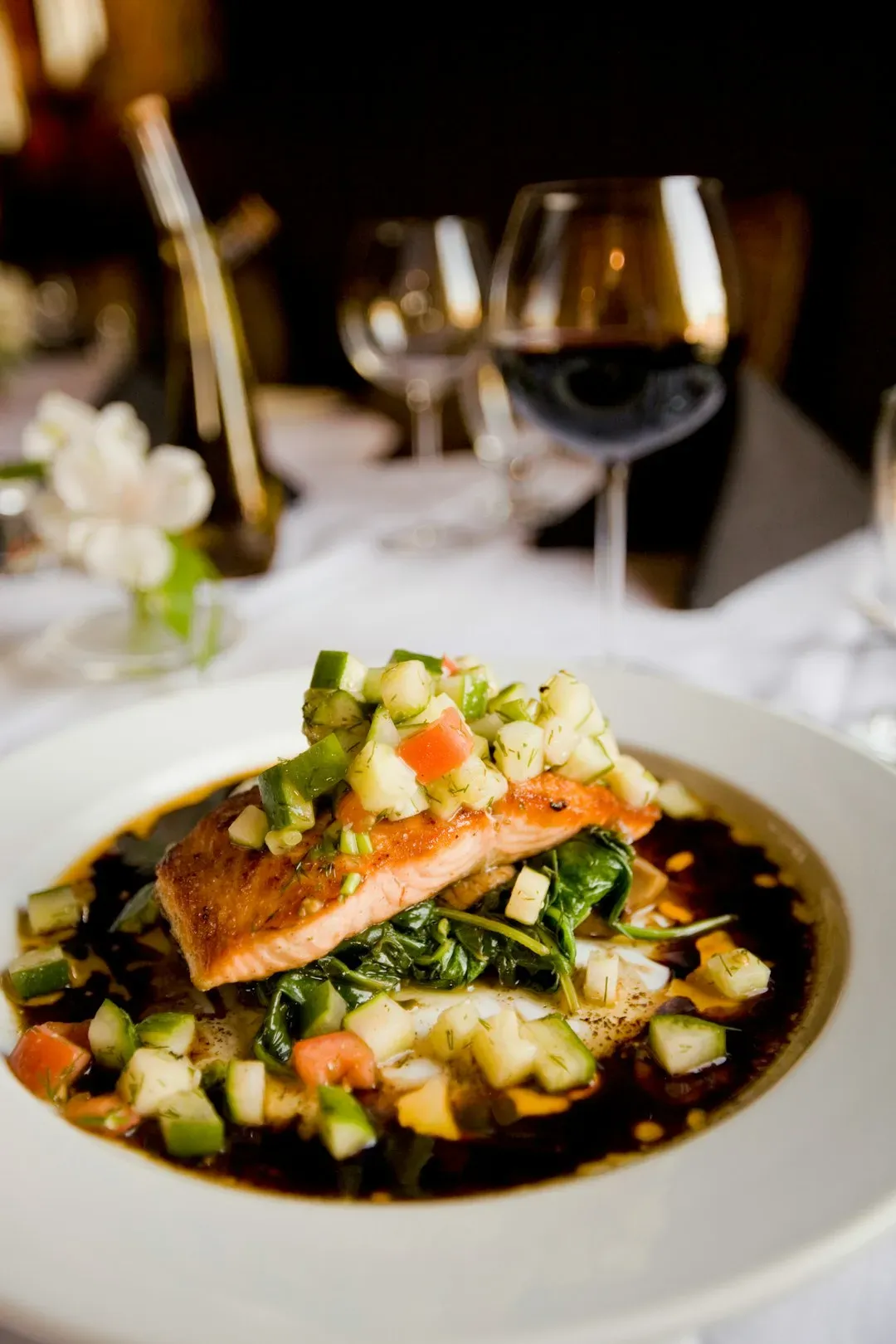
Fine dining rarely moves in one direction anymore, and Michelin’s own inspectors say so directly. There is no single big trend shaping menus anymore, but a handful of ingredients are quietly stepping into the spotlight, mushrooms as main characters rather than garnishes, tea used to cook rather than just pour, and caviar crossing styles, formats, and cuisines.
The bigger picture is less about a single ingredient and more about intent. Some of it builds on the previous year, some reflects renewed attention to sourcing, seasonality, and impact, together signaling less of a single wave than a broader, more personal way of eating well. Cooking over fire and tableside service, once thought old-fashioned, are also making a comeback on tasting menus.
Halal tourism moves from niche to mainstream
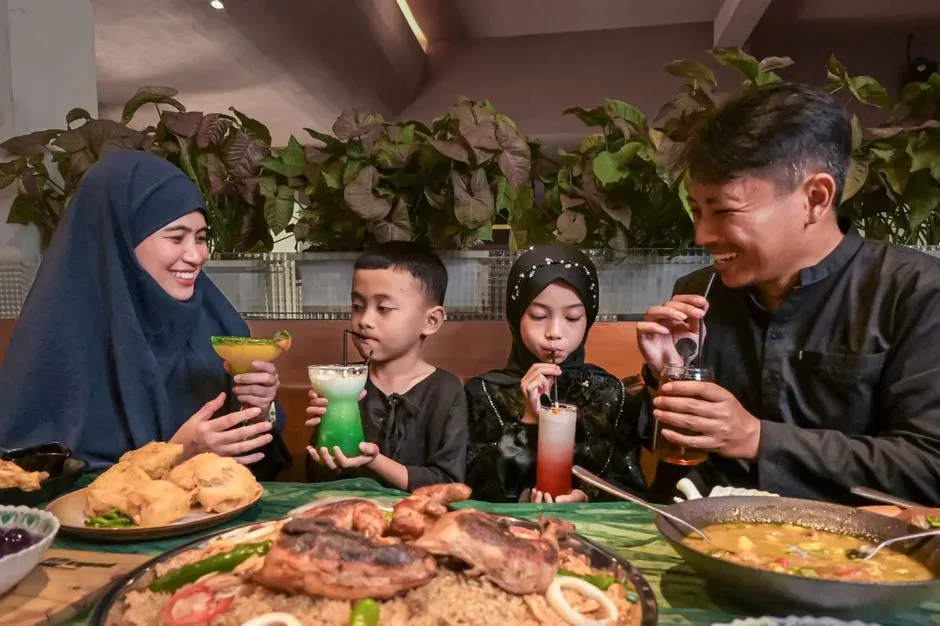
One of the quieter but larger shifts in travel involves how destinations cater to Muslim travelers. One of the most profound changes in 2026 is the mainstreaming of Halal tourism, now part of a 7.7 trillion dollar global Islamic economy.
Age demographics are pushing this further into mainstream hospitality planning. With around seventy percent of this population under age forty, they are not just looking for food, they are looking for inclusivity, from prayer facilities to alcohol-free environments. Hotels that ignore this shift risk treating their property as a bed rather than a destination, missing out on food and drink spending that travelers are increasingly willing to make.
Street food and local flavor outrank white tablecloths
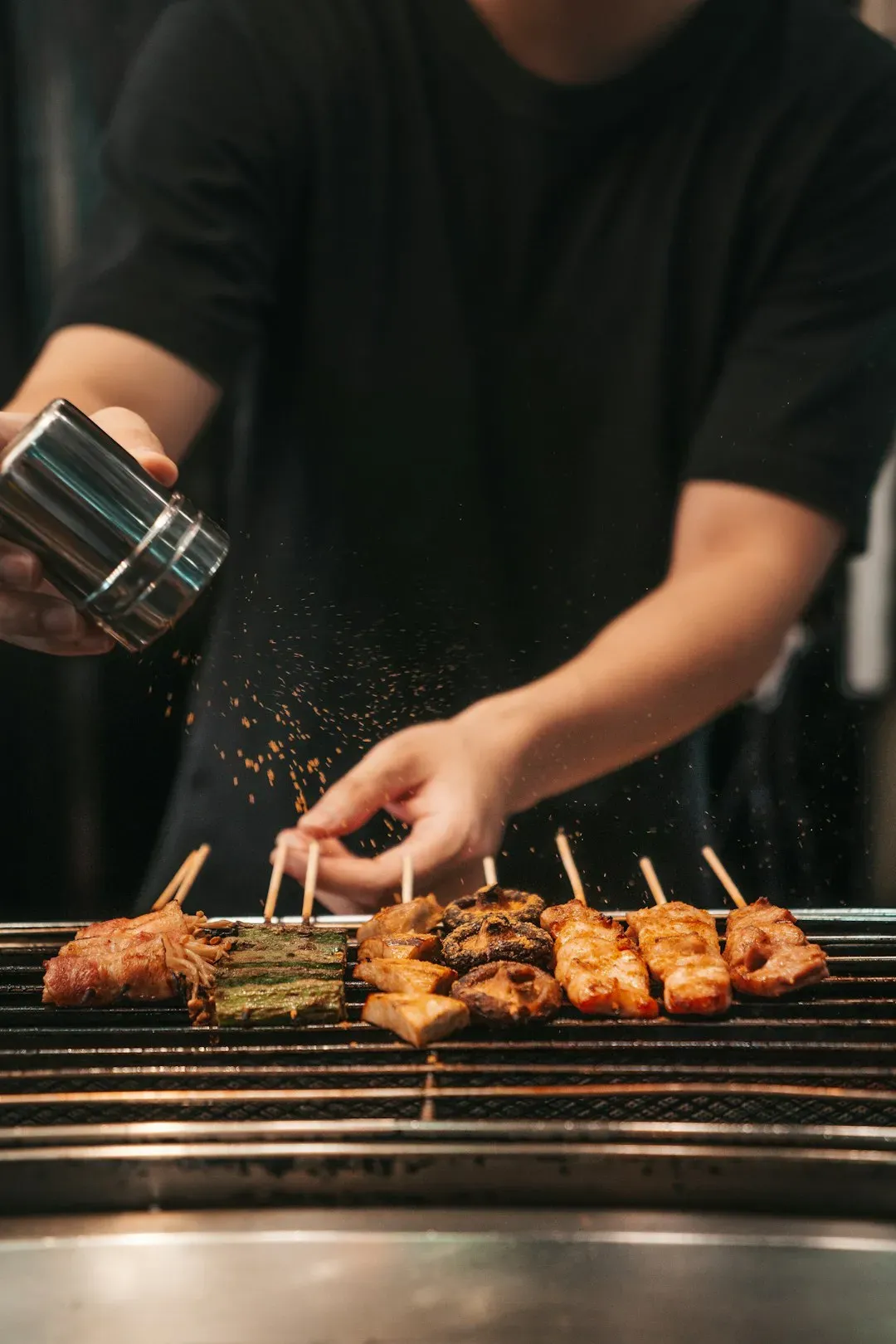
Fancy dining rooms are not disappearing, but they are sharing the spotlight with something scrappier. Data from Hilton’s 2025 Trend Report found that roughly two thirds of travelers now explicitly prefer unique local experiences over traditional fine dining, and a similar share report being most excited by street food.
This preference is showing up in how trips get booked, not just how they get talked about. Around half of travelers now book restaurants before their flight. The plate, in other words, is starting to outrank the pillow when people decide where and how to travel.
The culinary tourism market is genuinely booming
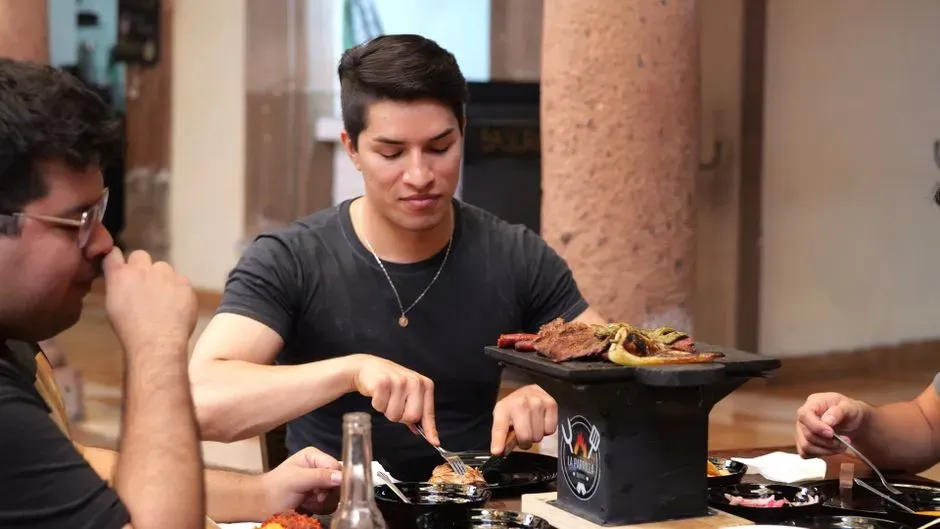
Behind all the trend pieces sits a fast-growing industry with real money attached. Market estimates vary by methodology, but the direction is consistent across research firms. The culinary tourism market grew from roughly 1,067.91 billion dollars in 2025 and is projected to reach 1,234.36 billion dollars in 2026, a compound annual growth rate of 15.6 percent, with Asia-Pacific the largest region in 2025 and North America the fastest growing.
Longer term forecasts point to even steeper growth as experiential travel keeps gaining ground. One estimate places the market at 1,248.2 billion dollars in 2025, projected to reach 4,258.3 billion dollars by 2034, propelled by rising experiential travel demand and the fact that roughly 95 percent of travelers around the world now qualify as food travelers. Whatever exact figure ends up being right, the underlying story is the same: food is no longer a side expense on a trip, it is often the reason for the trip.
Food noise and social media are rewriting how people decide what to eat
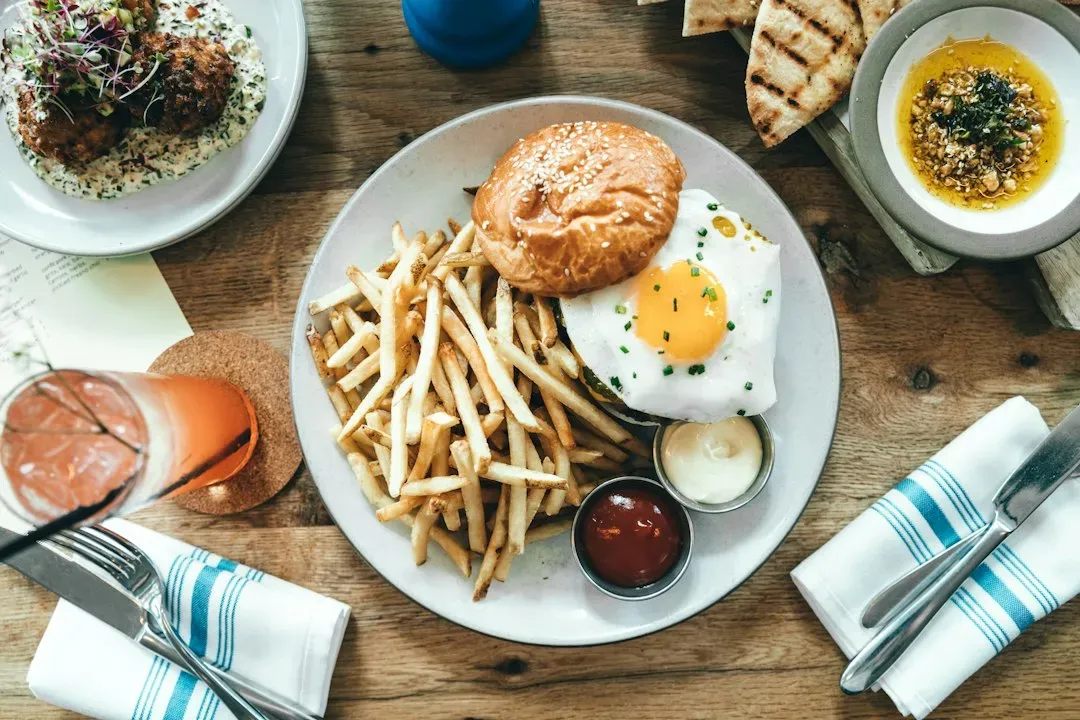
Not every trend is about destinations. Some are about the mental clutter that comes with constant food content online. Food noise, a mental preoccupation with eating, cravings, or food-related thoughts disproportionate to hunger, is fueled by constant exposure to food content on social media and easy access to delivery platforms.
This constant stream of content shapes far more than what people order for dinner at home. Social media trends shape how people dress, look, and eat, with one day dominated by matcha and the next by cheesecake-flavored frozen yoghurt. That same restlessness is spilling into travel planning, where a single viral video can turn an obscure night market into a must-visit stop within weeks.
Final thoughts
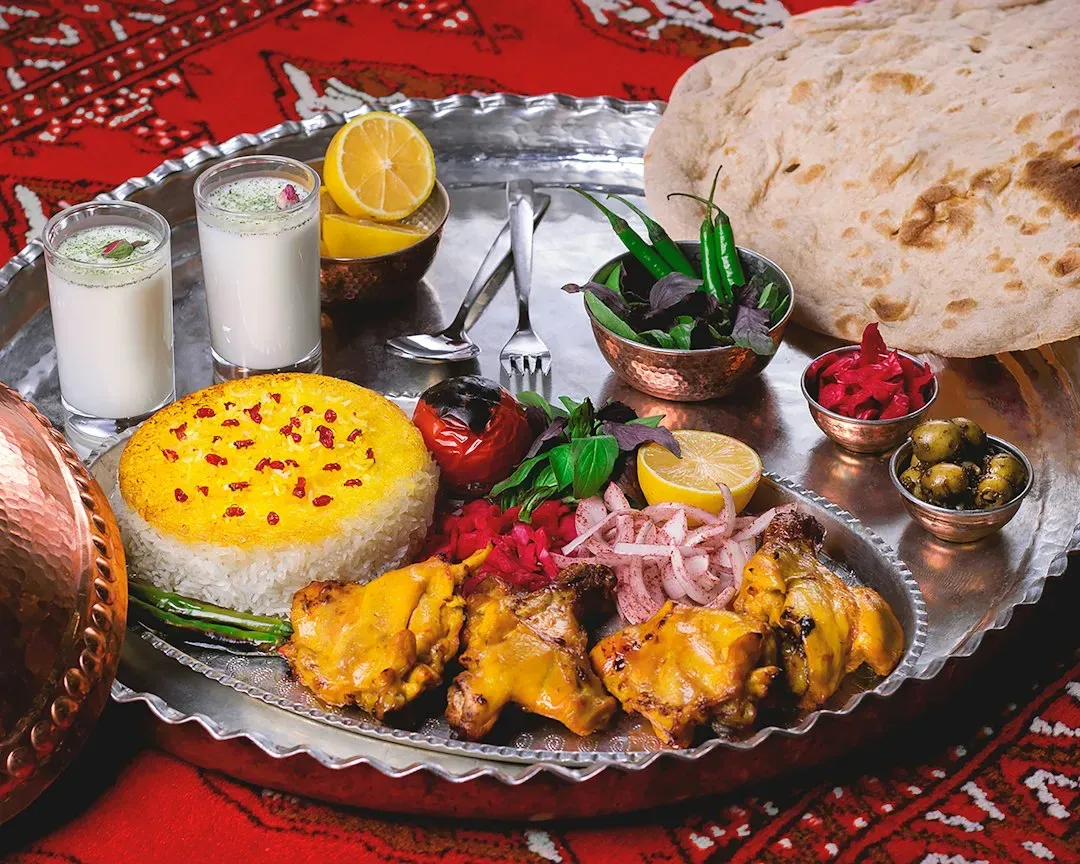
None of these exist in isolation. Grocery store tourism, snack souvenirs, sight-doing, and the mainstreaming of halal travel are all branches of the same tree: people want food experiences that feel personal, specific, and a little bit earned rather than handed to them on a set menu.
The market numbers, however inconsistent across reports, agree on one thing. Food has stopped being a footnote to travel and has become one of its main reasons. Whether that shows up as a carry-on stuffed with foreign candy or a tortilla-making class booked before the flight even lands, the trend line points the same way for the rest of this decade.




Leave a Reply