
Betty is six, and she’s always been my princess dress-wearing, waves at literally everyone we pass in Target, rule follower. She’s the first kid to put her shoes on and never has to be asked twice to come to the dinner table.
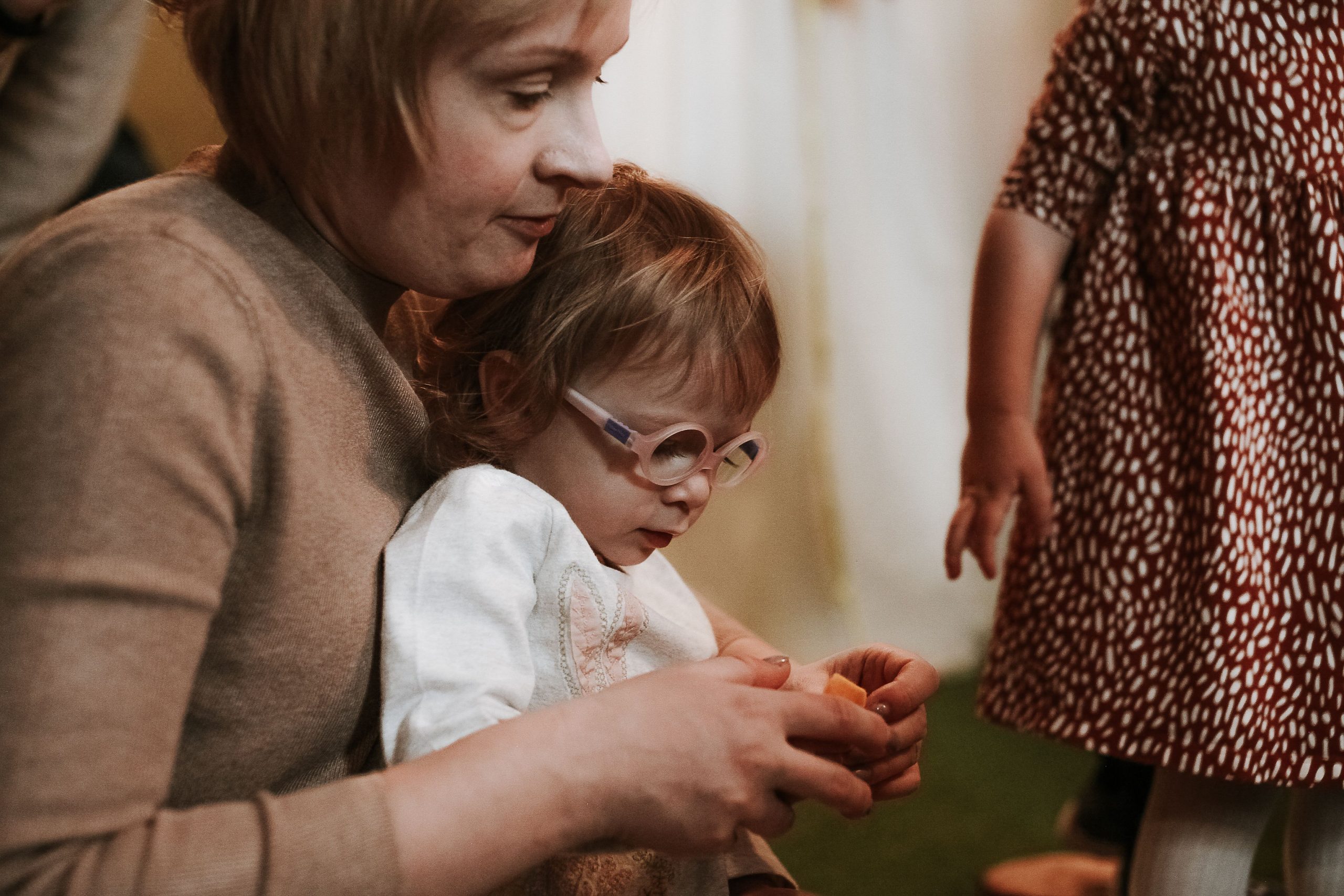
When she started scooting closer and closer—like physically dragging herself across the living room carpet until she was practically nose-to-screen with the Bluey characters—I figured she just really loved her Bluey.
Then, she’d hold her iPad so close to her face that I’d joke she was trying to climb inside it. I took it as a cue to cut back on her screen time a little. Still, I didn’t connect the dots.
What finally set off my alarm bells was the homework dilemma.
Betty has always done her homework without much fuss—we’re so lucky, I thought! Over the past few weeks, though, she’s been stalling and finding every possible reason to delay sitting down with her workbook. At bedtime, she’s asking to listen to an audiobook instead of reading. I assumed it was a phase, maybe a bid for more tech time or maybe just the tail end of a long school year.
Then one night, I told her homework couldn’t wait until after family movie night. She completely fell apart. I’m talking full meltdown with tears, screams, the works. For Betty, my kid who rarely gets worked up, I knew something was wrong.
Kids Can’t Tell You What They Can’t See
Betty had no idea that the words on her homework page looked any different to her than they did to me. She’d never seen clearly from across the room, so she had no reason to think something was wrong. That was just… what the world looked like.
Kids don’t come to you and say, “Mom, everything just past three feet is kinda blurry.” They say their eyes are tired or reading is boring.
They communicate what’s wrong through behavior, not words, because they genuinely don’t have the language for it. As parents, it’s our job to be the detectives, and the clues can be quite sneaky.
The Signs That Get Misread
Looking back, Betty was sending up flares for weeks. I was just reading them wrong.
She wasn’t pitching her wagon to more screen time and trying to get out of schoolwork. For a kid who can’t see the words on the page clearly, sitting down to read and write isn’t just tedious—it’s exhausting and physically uncomfortable.
I’ve since learned some other common warning signs:
- Asking for things to be read aloud
- Losing their place on the page
- Skipping words when reading out loud
- Squinting or tilting the head when looking at something
- Rubbing their eyes frequently
- Complaining of headaches, especially after school or screen time
- Closing one eye to focus
- Sitting very close to screens or holding books unusually close or far away
- A sudden loss in interest in activities that require focus
It’s easy to get thrown by the behavioral stuff. It’s tempting to blame it on a bad day at school or a poor attitude. What looks like a rough patch can actually be an eye problem.
The Slow Burn (And the Parental Guilt That Comes With It)
Once I started suspecting something was awry with Betty’s eyes, I booked an appointment with a pediatric optometrist immediately. Then, I spent three days with tunnel vision, reading every parenting forum I could find and catastrophizing about how long I’d been missing the signs.
I replayed every moment. Had I been neglecting her? Was she struggling in school? The parental guilt spiral is real.
At our appointment, the optometrist said something that I keep coming back to: vision changes in young kids are gradual. Betty’s eyes didn’t suddenly stop working one Tuesday, which is exactly why it’s so hard to catch.
What’s especially challenging is that we can’t see through our kids’ eyes. We cannot physically pull their eyeballs out and borrow them for a minute to see what’s going on inside their heads. We only know what’s wrong when they find a way to tell us. Betty couldn’t say, “Mom, the screen is blurry when I sit on the couch!”
We should celebrate when our kids do find ways to tell us these monumental things. Betty told me the only way she knew how: by acting differently. By not wanting to do her homework anymore. That makes total sense when you think about it.
The guilt has slowly started to lift.

What to Do the Moment You Suspect Something
Any of this sound familiar? Your next move is simple: get an eye exam ASAP.
Start with your pediatrician at your child’s next annual visit. They can do a basic screening and refer you out if anything seems worth investigating. Honestly though, if you already have a suspicion, listen to your mom gut and go straight to a pediatric optometrist. They’re specifically trained to work with kids, and the exam is not scary at all.
For little kids who can’t yet read an eye chart, there are even visual acuity tests designed for pre-readers. You don’t need to know your ABCs to get an accurate prescription. There’s a science to this! Before you go, practice with a pretend eye exam at home first. Betty tested my “vision” with a flashlight and I squinted dramatically. It helped!
Also, don’t forget to check whether your child’s vision care is covered under your insurance plan. Pediatric vision benefits vary, and it’s better to know what’s included before you walk in the door. The eye exam itself is often covered, but glasses and follow-up treatment may not be, depending on your plan. If cost is a barrier, it’s worth asking the practice upfront about their payment options. Many eye care offices now offer structured vision care payment plans that let you spread the cost over time rather than absorbing it all at once. I suggest asking about it during that initial scheduling call rather than getting surprised by a bill in the mail weeks later.
The Part Where Everything Made Sense
Betty got her glasses two weeks ago. They’re translucent and purple with little stars on the sides. She picked them out herself. The first night she wore them to do homework, she said, “Mom, the words are so much clearer now!”
We’re big believers in wabi sabi around here—the perfectly imperfect, the idea that you don’t have to have it all figured out to be doing just fine. Missing the signs of Betty’s vision problem doesn’t make me a bad mom. It makes me a regular one. The point is that we caught it, we got her help, and now she’s reading her homework instead of negotiating her way out of it.





Leave a Reply