
History has a funny way of getting distorted the moment it leaves the history books. A striking image, a memorable quote, or a good story tends to stick around long after the actual facts have faded into footnotes. Somewhere along the way, these half-truths get repeated so often in classrooms, movies, and casual conversation that they start to feel like settled fact.
The trouble is, many of the “facts” people confidently repeat about the past simply are not true. Below are ten widely believed historical claims that, once you look closer, turn out to be myths built on propaganda, mistranslation, or plain old storytelling.
1. Napoleon Bonaparte was remarkably short
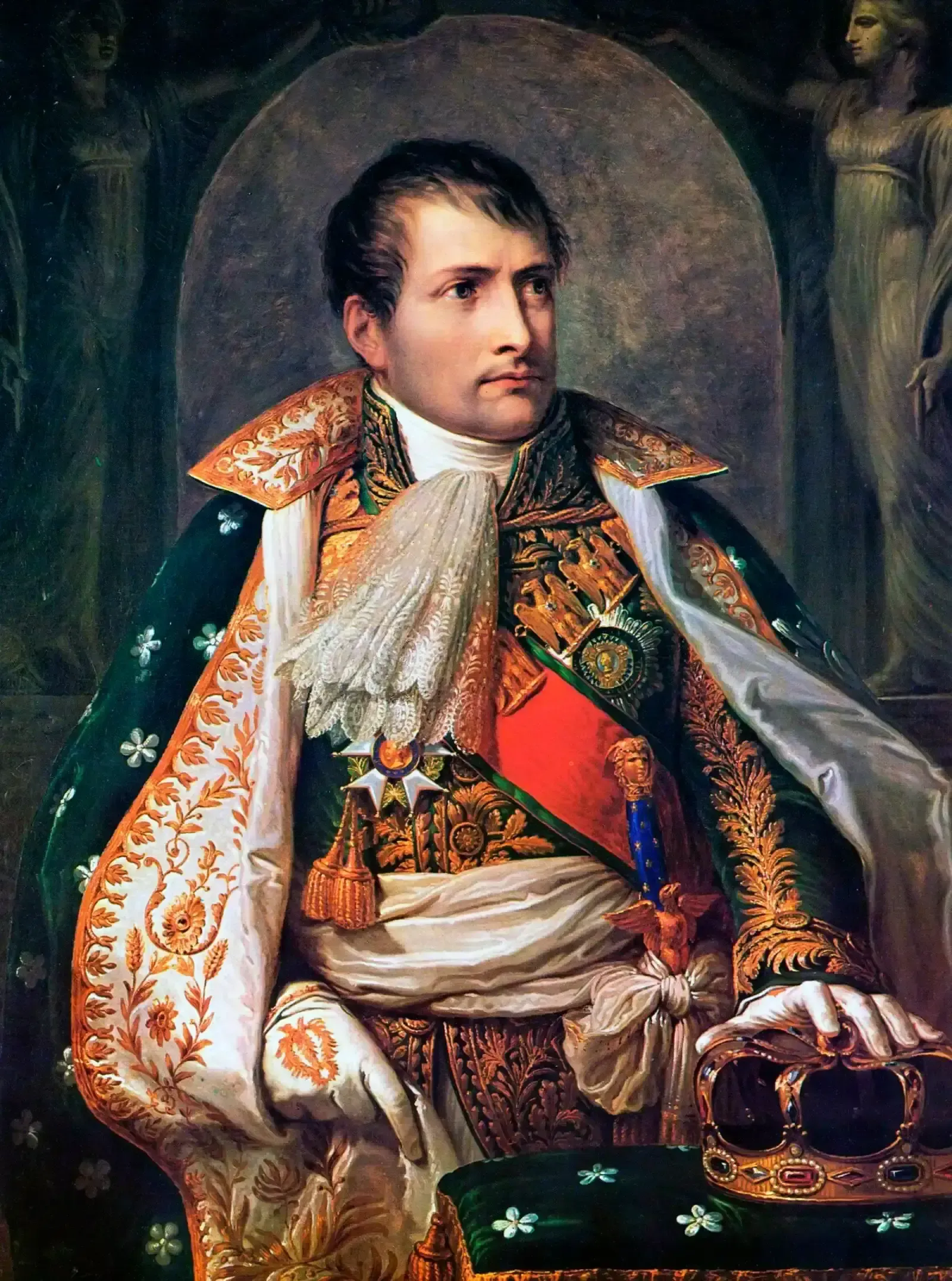
Few historical stereotypes are as durable as the image of a tiny, furious Napoleon compensating for his height by conquering Europe. The idea is so ingrained that psychologists even coined the term “Napoleon complex” to describe short men who supposedly overcompensate through aggression. From cartoons to psychology textbooks, the image of the diminutive French leader angrily conquering Europe to compensate for his lack of height has become firmly embedded in our collective consciousness, and the “Napoleon complex” even became a recognized psychological term. The reality is far less dramatic.
Three French sources, including his valet and personal physician, said Napoleon’s height was just over “5 pieds 2 pouces,” which applying French measurements of the time equals around 1.67 meters, or just under 5’6″, a little above average for a French man in the early 1800s. The confusion arose because British observers read that same figure using English inches instead of French ones, making him sound shorter than he was. The legend of his small stature was largely the work of one man, the British cartoonist James Gillray, whose caricatures proved so influential that Napoleon himself later admitted their impact. He was, by most modern estimates, an entirely ordinary height for his era.
2. Vikings wore horned helmets into battle
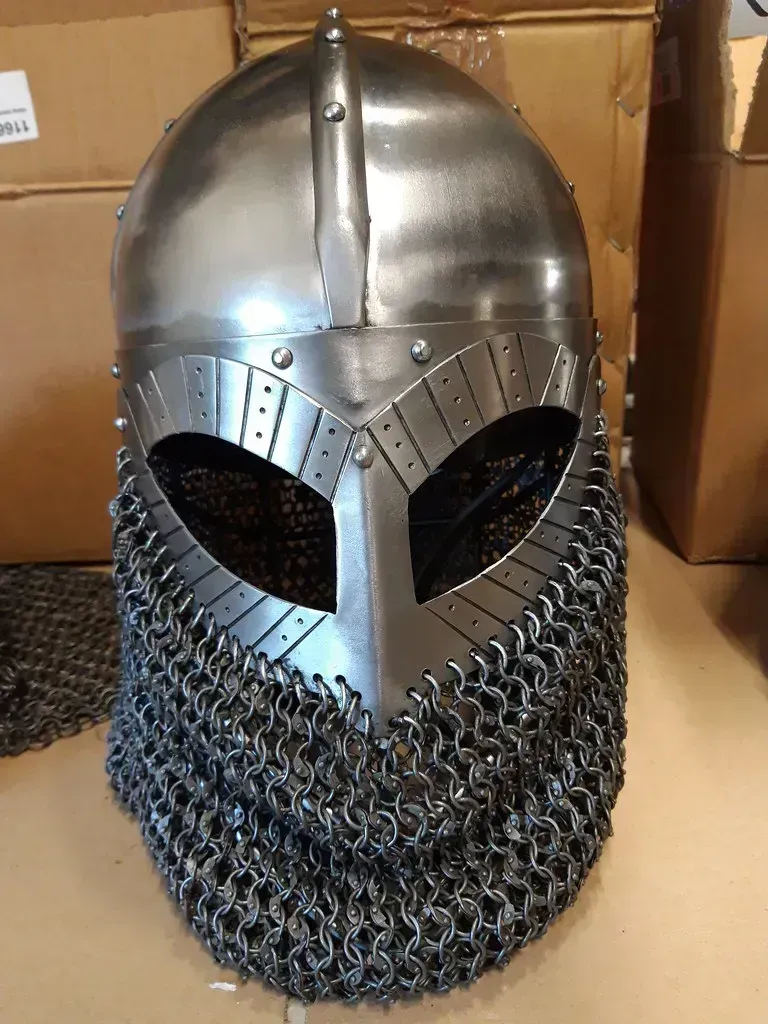
Picture a Viking raider, and a horned helmet almost certainly comes to mind. It is one of the most recognizable images in popular culture, yet it has almost no basis in the archaeological record. Yes, the pugnacious Scandinavians probably sported headgear when they marched into battle, but in depictions dating from the Viking age, warriors appear either bareheaded or clad in simple helmets likely made of either iron or leather. No genuine Viking-era helmet with horns has ever turned up.
Despite years of searching, archaeologists have yet to uncover a Viking-era helmet embellished with horns, and only one complete helmet that can definitively be called Viking has ever turned up. That single surviving example, the Gjermundbu helmet found in Norway, is a plain rounded iron cap with no ornamentation at all. The horned look actually traces back to 19th-century opera costumes and romantic paintings, when artists dramatized Norse warriors to fit a nationalist, heroic aesthetic that had nothing to do with actual combat gear.
3. Marie Antoinette said “Let them eat cake”
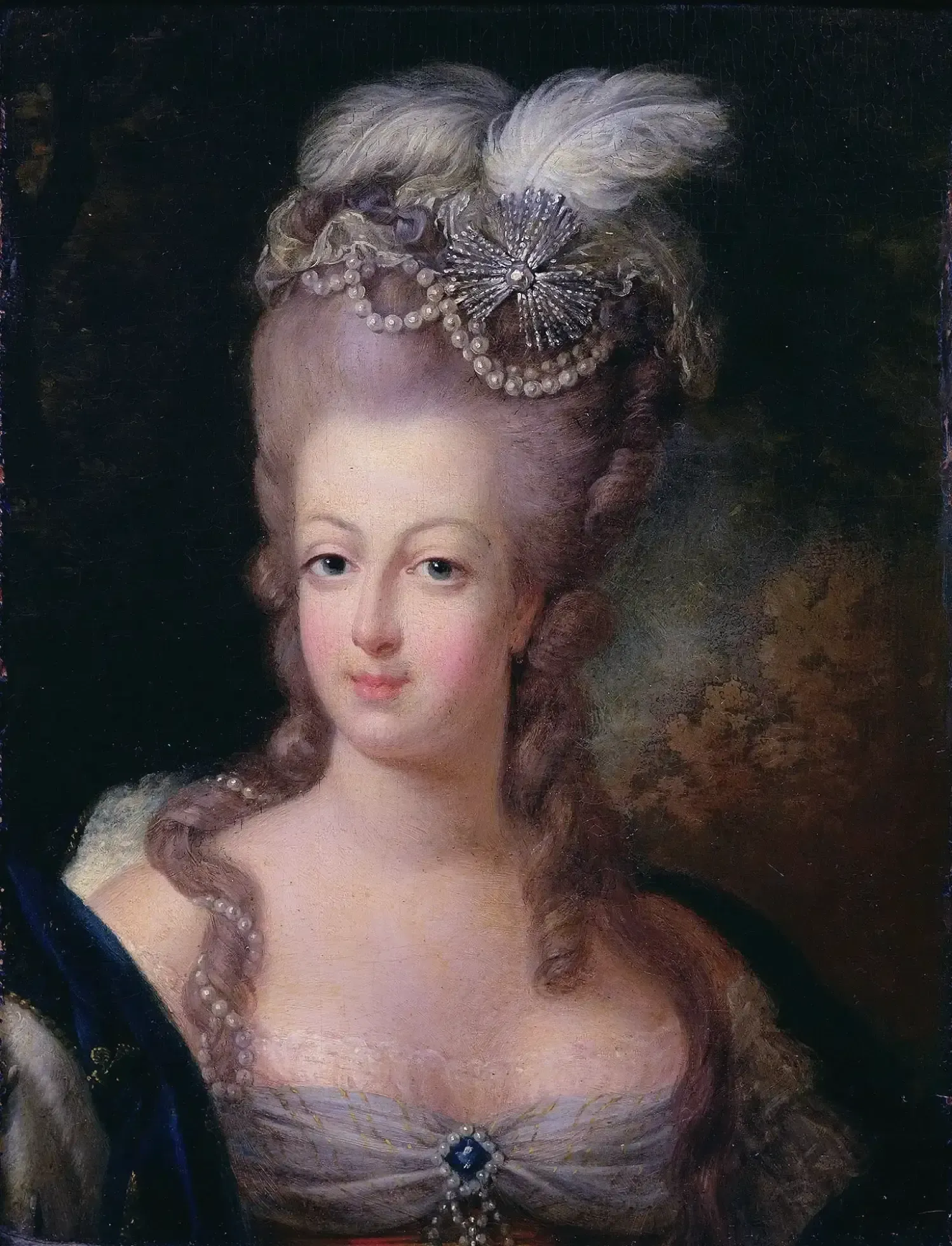
This is perhaps the most quoted line ever attributed to a French monarch, and it almost certainly was never spoken by the person credited with it. Did Marie-Antoinette ever actually utter those words? Probably not. The phrase, translated more accurately as “let them eat brioche,” first appears in print decades before she became queen.
The first person to put the specific phrase into print may have been Jean-Jacques Rousseau, who in Book VI of his Confessions, written about 1767, relates a version of the story attributing the quote to “a great princess.” Although Marie-Antoinette was a princess at the time, she was still a child, so it is unlikely she was the princess Rousseau had in mind. The quote was not connected to her in print until decades after the French Revolution, long after her execution, which suggests it was assigned to her retroactively as a convenient symbol of royal indifference rather than something she genuinely said.
4. Albert Einstein failed math in school
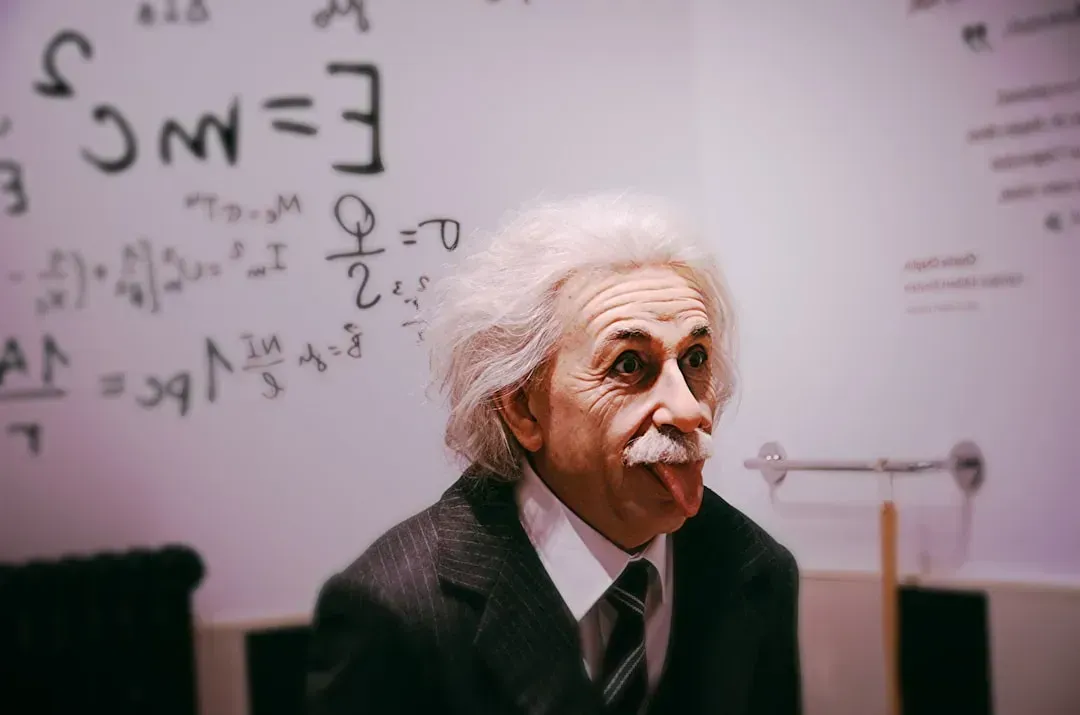
It is a comforting story for anyone who struggled with a math test: even Einstein flunked the subject as a kid. Except he did not, and the records to prove it have survived. Einstein’s actual school records show he earned top marks in mathematics, including perfect 6/6 scores in algebra, geometry, and physics on his 1896 Swiss Matura certificate. He had also mastered calculus well before most students even encounter it.
The myth likely grew out of a grading mix-up. The myth likely originated from a 1935 Ripley’s column and confusion over the Swiss grading scale, where 6 is the highest grade, meaning Einstein’s top scores were misread as failures. When Einstein himself was shown the rumor late in life, he easily dismissed it, saying, “Before I was 15 I had mastered differential and integral calculus.” His real academic setback was failing part of a Zurich Polytechnic entrance exam, and even that was due to weaker performance in French, not mathematics.
5. Medieval Europeans believed the earth was flat

The idea that people during the Middle Ages thought the world was a flat disc, and that sailors risked tumbling off its edge, is a popular way to paint the era as ignorant. It simply is not accurate. Educated medieval Europeans knew the Earth was round; universities at the time taught astronomy based on a spherical Earth, and this had been established since the ancient Greeks. Scholars had understood the planet’s shape for well over a thousand years before the medieval period even began.
So where did the myth come from? The flat Earth myth was invented by 19th-century writers who wanted to make medieval people look primitive and superstitious compared to their own supposedly enlightened age, and Washington Irving published a heavily fictionalized biography of Columbus in 1828 that was particularly influential in spreading it. Monasteries and early universities actually preserved and expanded on classical astronomical knowledge, rather than abandoning it.
6. Columbus set sail to prove the earth was round
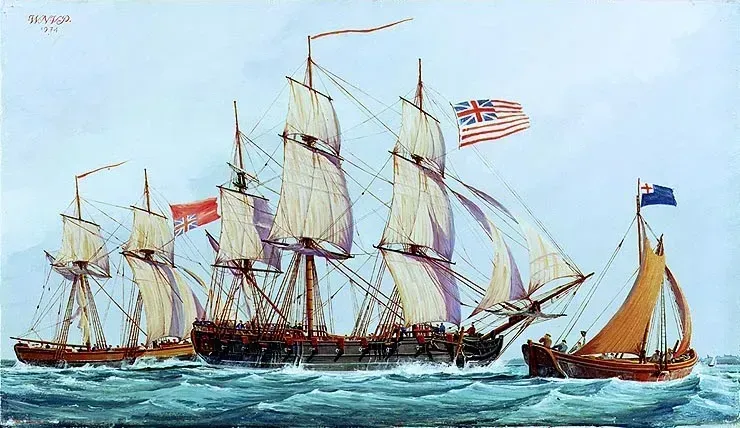
This one is closely tied to the flat earth myth, but it deserves its own entry because the actual dispute surrounding Columbus’s voyage was completely different from the legend. Many learned that Columbus set out to prove the world was round, defying a flat-earth medieval consensus, but educated people in Columbus’s day already knew the Earth was a sphere, since ancient Greeks had calculated the planet’s circumference as early as the 3rd century BCE. The real argument had nothing to do with shape.
Columbus’s actual claim was that Asia could be reached quickly by sailing west, and the true controversy was about the size of the Earth, not its shape, since Columbus severely underestimated the distance, which is why his voyages ended in the Caribbean rather than Asia. His critics were not wrong to doubt him. They simply could not have known there was an entire continent standing between Europe and Asia.
7. The Great Wall of China is visible from space

This claim has been repeated in textbooks, trivia games, and casual conversation for generations, usually with the added flourish that it is the only man-made structure visible from the moon. Both versions of the claim are false. Both are false, say astronauts and remote-sensing specialists, and although the Great Wall spans some 4,500 miles, it is constructed from materials that make it difficult to discern from space. Its narrow width and earthen materials simply blend into the surrounding terrain.
Even the astronauts most likely to spot it have come up empty-handed. China’s own first astronaut, Yang Liwei, who orbited Earth 14 times in October 2003, said the Earth looked very beautiful from space, but he did not see the Great Wall. The myth actually predates spaceflight entirely, with roots in an 18th-century letter and a 1932 Ripley’s Believe It or Not cartoon, long before anyone had the means to check.
8. Salem “witches” were burned at the stake
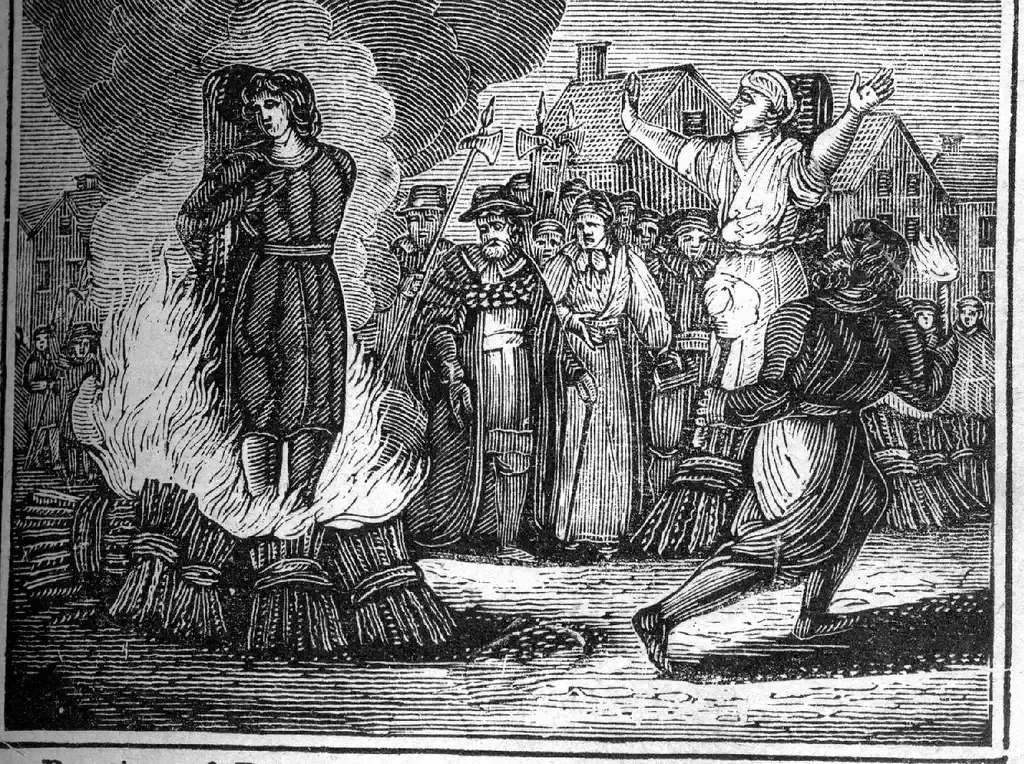
The image of witches burning at the stake in colonial Massachusetts is a staple of Halloween decorations and pop culture retellings of the Salem witch trials. It never actually happened that way. Not a single person was actually burned during the Salem Witch Trials. Nineteen people were hanged and the twentieth victim was pressed to death with heavy stones. It was a brutal chapter of American history, but fire was not the method used.
The burning imagery comes from a different, older tradition altogether. The depiction of burning witches at the stake comes from continental European witch-hunting, where fire was a common execution method for those found guilty of witchcraft, and the disturbing imagery from the European version found its way into American history and became the version most people picture today. Over time, the two very different practices simply merged in the popular imagination.
9. Medieval knights and commoners never bathed
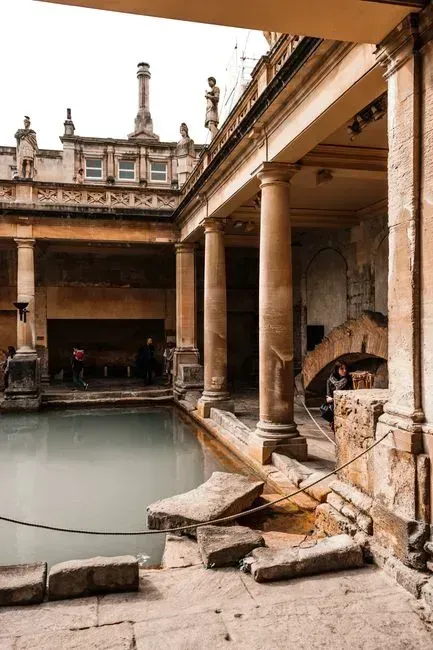
The notion that everyone in medieval Europe was filthy, foul-smelling, and terrified of water is another convenient way to paint the era as backward. In reality, bathing was a regular and often social part of medieval life. Public bathhouses were common in many medieval towns, and monastic rules frequently specified schedules for washing, since cleanliness carried both practical and religious significance.
The stereotype seems to owe more to later centuries than to the Middle Ages itself. Bathing actually declined in parts of Europe during the Renaissance and early modern period, partly out of a mistaken belief that water spread disease during plague outbreaks. That later habit of avoiding baths got mentally lumped in with the “dark,” supposedly primitive medieval era, even though the timeline does not actually match up.
10. Benjamin Franklin discovered electricity with a kite in a thunderstorm
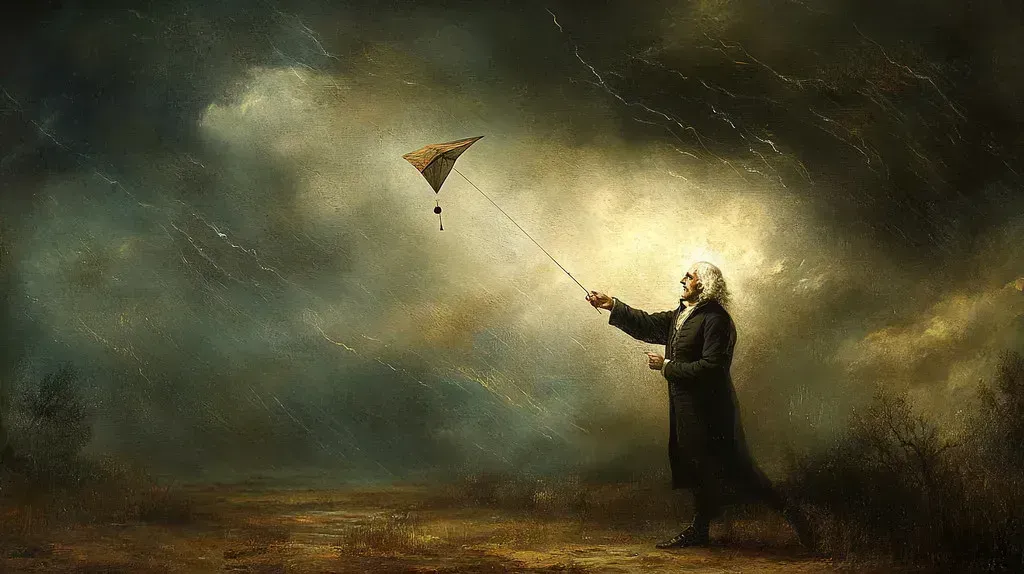
The picture of Benjamin Franklin flying a kite into a lightning storm, key dangling from the string, is a staple of American history lessons. The problem is that Franklin did not discover electricity at all. Electrical phenomena had already been studied and documented by European scientists for decades before his famous experiment, and Franklin’s actual contribution was demonstrating that lightning itself was a form of electricity, not electricity’s existence in general.
Historians also debate how the kite experiment actually unfolded, since Franklin’s own account of it was notably brief and secondhand retellings added most of the dramatic detail over the following decades. Some researchers have questioned whether he performed the experiment exactly as described, given the serious risk of electrocution involved in touching a metal key connected to a wet kite string during an actual storm. What is clear is that Franklin’s real legacy in electrical science rests on his broader theoretical work, not on a single dramatic afternoon with a kite.
Why these myths stick around
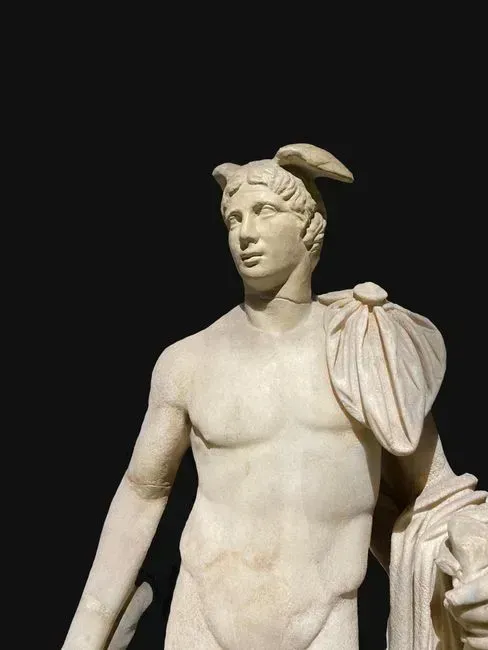
Most of these stories share a common thread. They are simple, vivid, and emotionally satisfying in a way that the messier historical truth often is not. A cartoonishly short emperor, a callous queen, or a genius who bombed math class all make for a better anecdote than a nuanced explanation involving measurement systems or grading scales.
None of this means history is unknowable or that facts do not matter. It means the opposite: the real stories, once you dig into them, are usually more interesting than the myths that replaced them. Napoleon’s height controversy says more about propaganda than about inches, and the Great Wall myth says more about how legends outrun evidence than about anything visible from orbit. That, in the end, is worth remembering the next time a “well known fact” sounds a little too tidy to be true.





Leave a Reply