
1. Cancún, Mexico
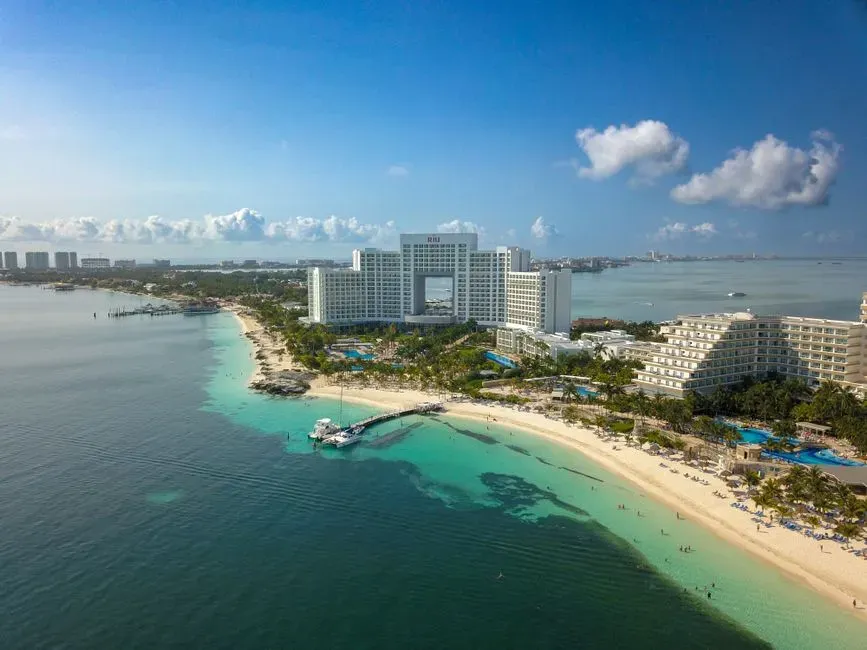
Cancún has built its reputation on turquoise water and all-inclusive resorts, but recent traveler feedback tells a more complicated story. A study by Radical Storage puts Mexico’s Cancún at the top of the list of the most disappointing tourist cities of 2025, based on an analysis of nearly 100,000 Google reviews of 100 of the world’s most-visited cities, finding that 14.2% of Cancún’s reviews were negative, the highest of all cities studied.
That figure stands out precisely because Cancún markets itself so aggressively as a dream getaway. Visitors frequently mention gaps between resort marketing and reality, from crowded beach stretches to pushy timeshare pitches that start almost the moment luggage hits the lobby floor.
2. Bali, Indonesia
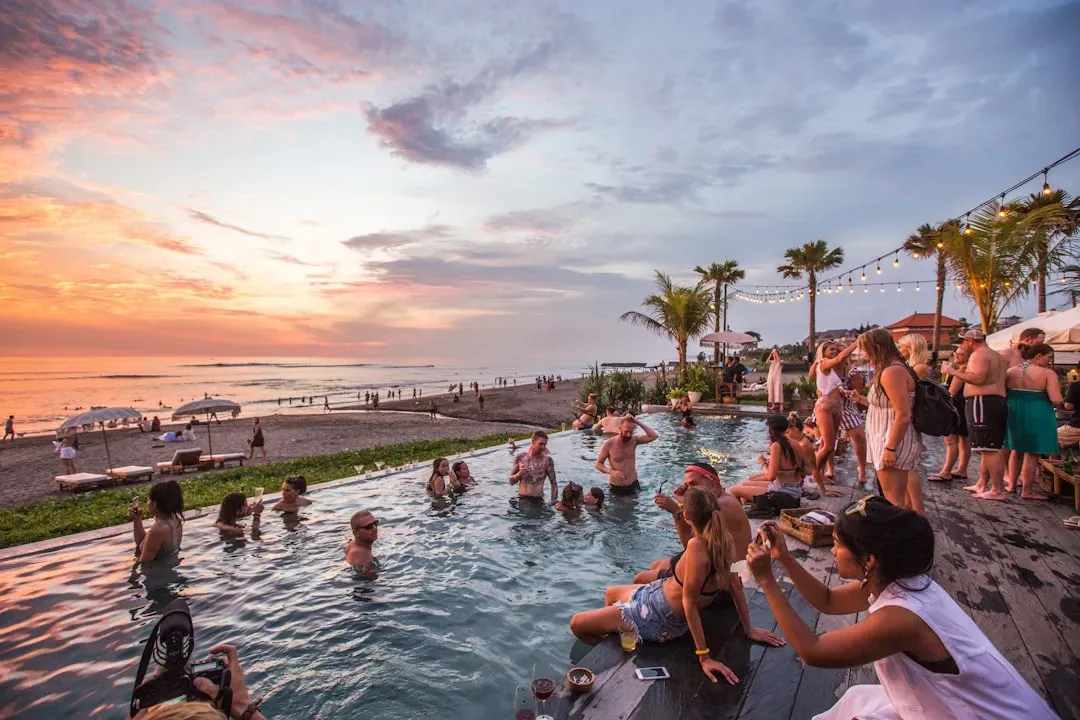
Bali’s rice terraces and temple silhouettes still dominate travel feeds, yet the island underneath that imagery has changed considerably. According to the Central Bureau of Statistics for Bali Province, the Indonesian island welcomed 5.3 million international visitors in 2023, a number that rose by 22 percent by the end of July 2024.
Bali’s reputation as a tropical paradise is now tempered by stories of overdevelopment and lost tranquility, with visitors in 2025 increasingly reporting disappointment over crowded beaches and tourist-centric nightlife in areas like Kuta and Seminyak. The version people imagine before booking, quiet and serene, still exists in pockets. It’s just increasingly surrounded by beach clubs and tour buses.
3. Santorini, Greece
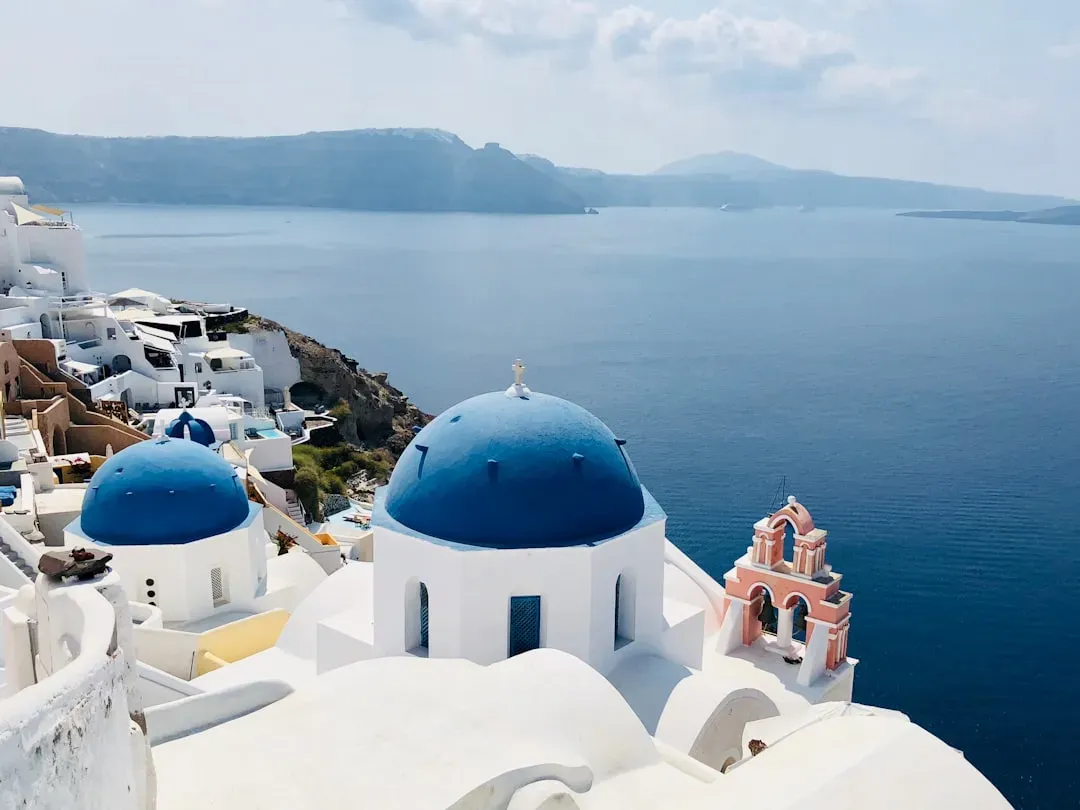
Few islands have been photographed as relentlessly as Santorini, and few have felt the backlash as sharply. About 15,500 people live permanently on Santorini, yet the island hosted roughly 3.4 million tourists in 2023, a ratio that is intense at over 100 tourists per resident, with daily density topping 200 visitors per square kilometer, and crowds in Oia and Fira reaching 1,000 people at peak times.
The strain became visible in the numbers themselves. Tourism suffered immediately after a 2025 earthquake swarm, with bookings dropping 23% for hotels and 9% for flights in March 2025 compared to the prior year, and total attendance falling around 30% in the following months. Long before the earthquakes, though, travelers had already started describing the caldera views as spectacular but the experience around them as chaotic and overpriced.
4. Venice, Italy
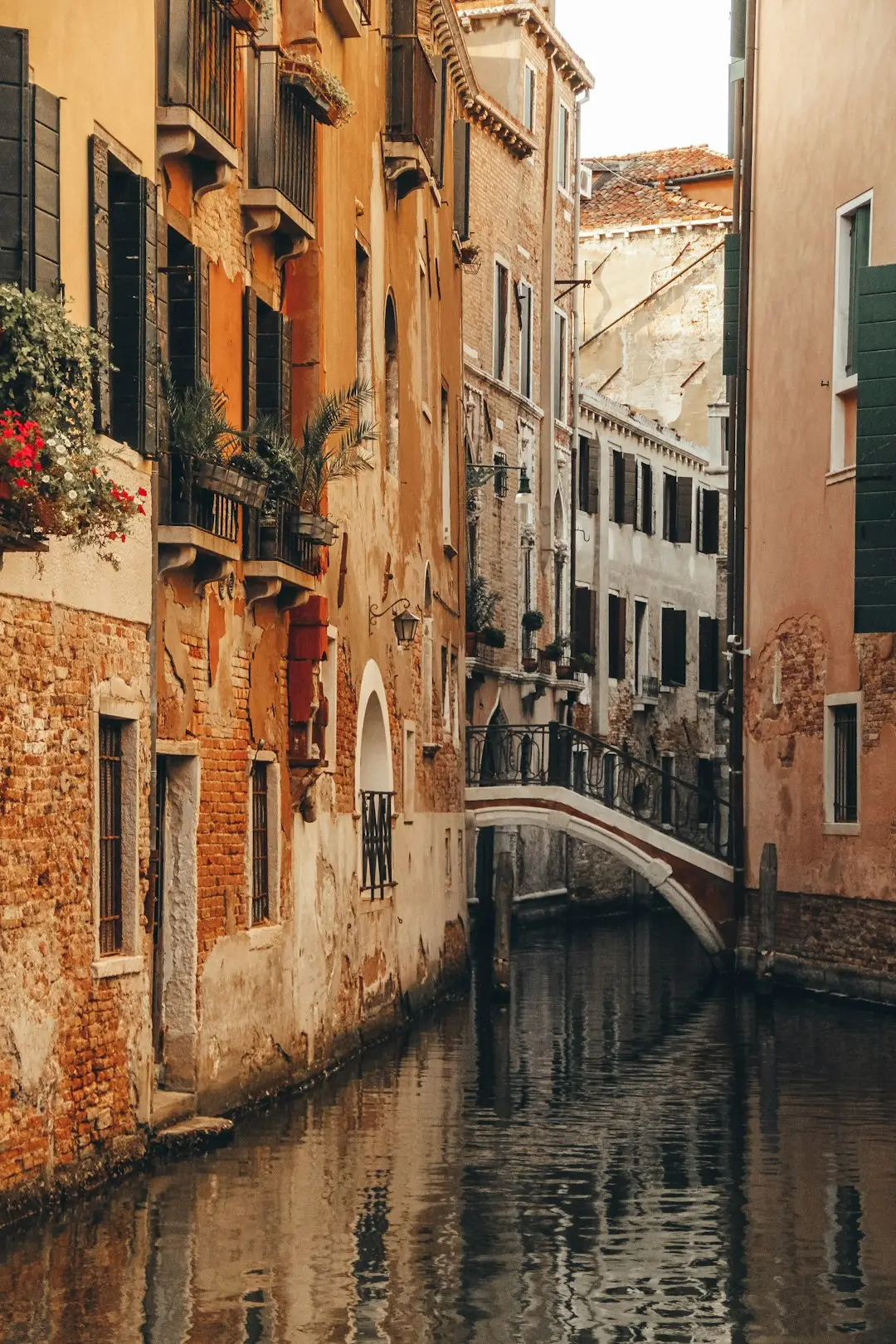
Venice occupies an odd middle ground in traveler sentiment, adored by some and dismissed by others depending on when they visited. Early mornings and quiet canals win people over, while midday crowds pushing through narrow bridges leave others counting the minutes until their water taxi departs. Cruise day-trippers packed shoulder to shoulder near St. Mark’s Square have become a recurring complaint, with many visitors noting that the romantic Venice of postcards only appears once the tour groups clear out. It’s a city where timing seems to matter more than almost anywhere else in Europe.
5. Barcelona, Spain
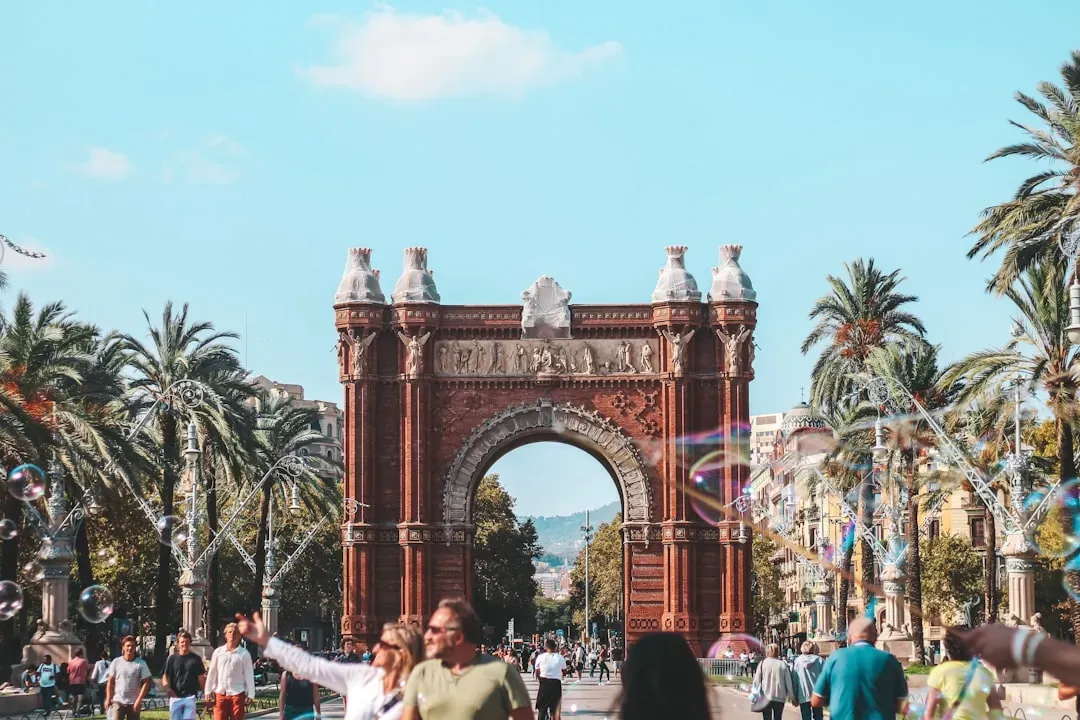
Barcelona’s popularity has become something of a cautionary tale within the industry itself. The city’s 1.6 million inhabitants are dwarfed by its 32 million annual visitors, leading to widespread protests by residents who feel overrun, with central boulevard Las Ramblas now described as mostly tourists and pickpockets while locals avoid it.
Gaudí’s architecture remains genuinely remarkable, but the surrounding experience has shifted. The tourist crush at Park Güell, sculpted gardens best enjoyed on a tranquil stroll, would have the Catalan master turning in his grave. Visitors expecting leisurely wandering through charming streets often find themselves navigating dense crowds and inflated menu prices instead.
6. Las Vegas, Nevada
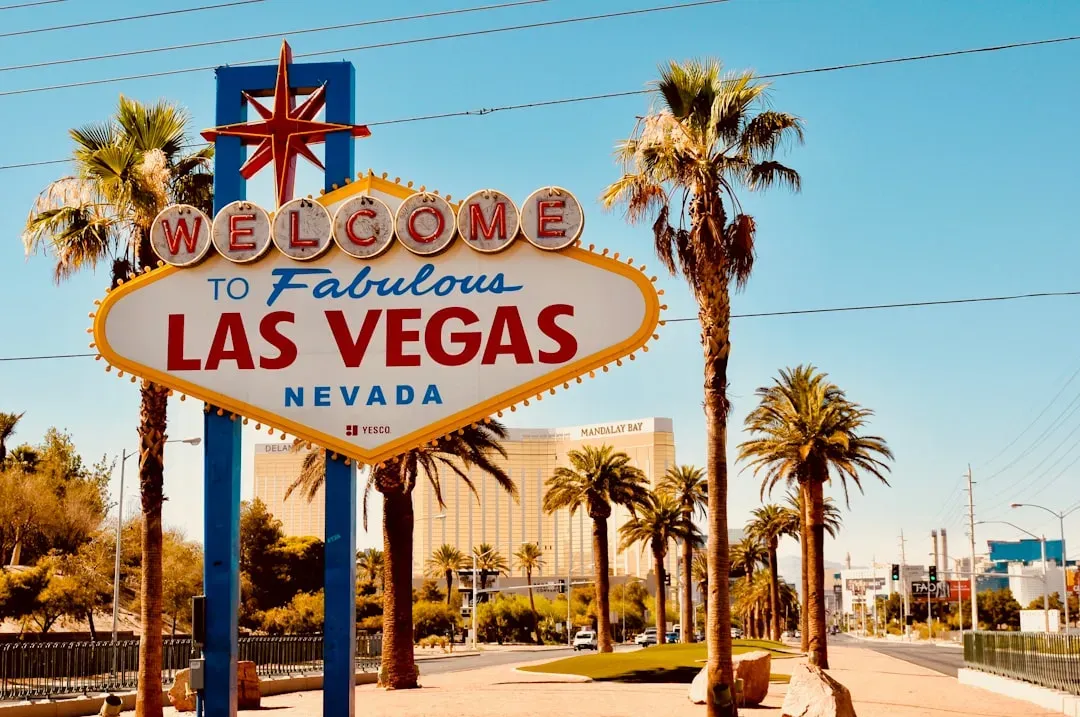
Las Vegas sells itself on spectacle, and for a night or two, it usually delivers. The complaints tend to surface once the novelty wears off, with travelers describing the city as exhausting rather than exciting past the initial buzz. One traveler summed up a common sentiment about extended stays, noting that “One day in Vegas is cool. Two days is better. Three days is way too many.”
Beyond the length-of-stay fatigue, reviewers frequently mention the gap between the glamorous marketing and the actual walk down the Strip, describing overpriced everything and a casino atmosphere that feels more grim than glitzy for anyone not actively gambling. It’s a destination built for a very specific kind of short, high-energy visit, and travelers who misjudge that timing tend to leave unimpressed.
7. Amalfi Coast, Italy
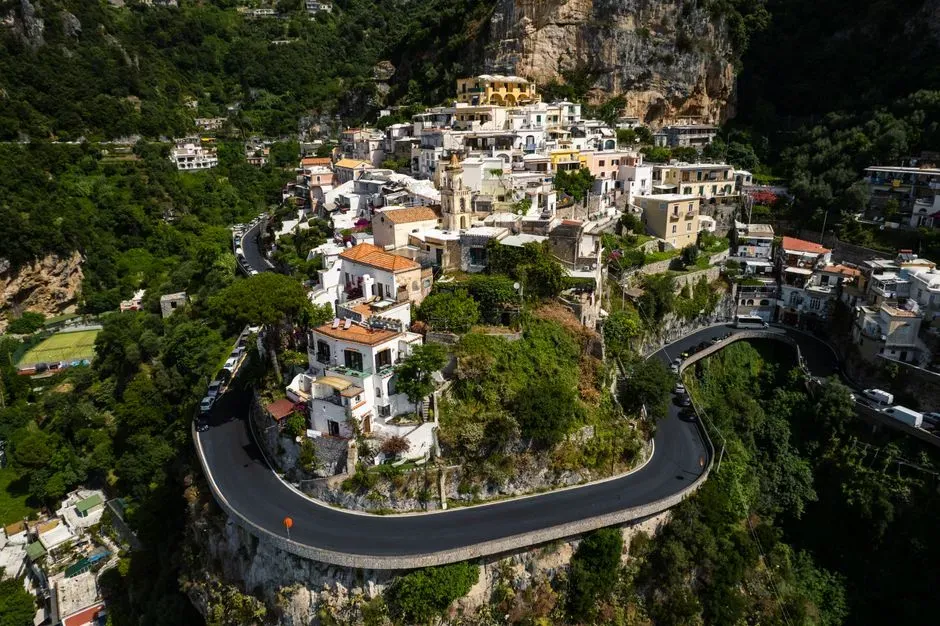
The pastel cliffside towns of the Amalfi Coast remain a fixture of travel photography, but the on-the-ground reality has drawn increasingly candid pushback. One traveler account described the coast bluntly, writing that Amalfi town had almost no discernible characteristic that could be called unique or special.
Practical frustrations compound the sense of manufactured charm. Transportation along the Amalfi Coast presents constant challenges for visitors, with the main coastal road narrow and winding, buses often delayed by traffic or unable to pass each other on tight corners, and parking scarce and expensive. Add in beach access that’s often rocky or requires a hike, and it’s easy to see why some visitors leave feeling like they paid premium prices for a crowded photo opportunity rather than a relaxing coastal escape.
8. New York City, Times Square Area
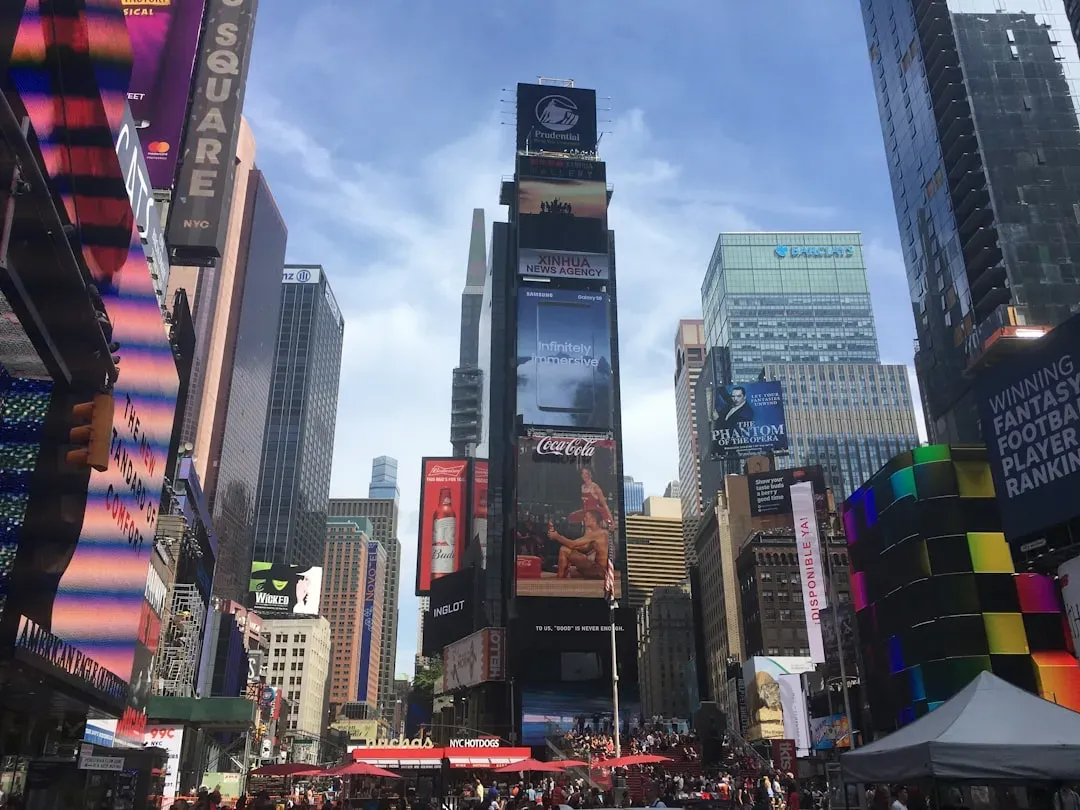
Times Square anchors plenty of first-time New York itineraries, and it’s also where a lot of those itineraries hit a wall. Complaints about crime, homelessness, and sanitation in Times Square have reached levels not seen in over a decade, with more than 2,800 sanitation-related complaints made about the surrounding zip code between January 2022 and May 2025, more than a 200% increase from pre-pandemic tallies, even as a reported 64.5 million tourists were expected to pour into New York City in 2024.
Long-time residents have long joked that Times Square is the one part of the city locals actively avoid, and traveler reviews increasingly echo that sentiment. Think of it this way, Times Square is basically an oversized shopping mall with louder lighting, and skipping it for the West Village or Brooklyn Bridge Park instead tends to feel more like the New York people came for.
9. Maldives
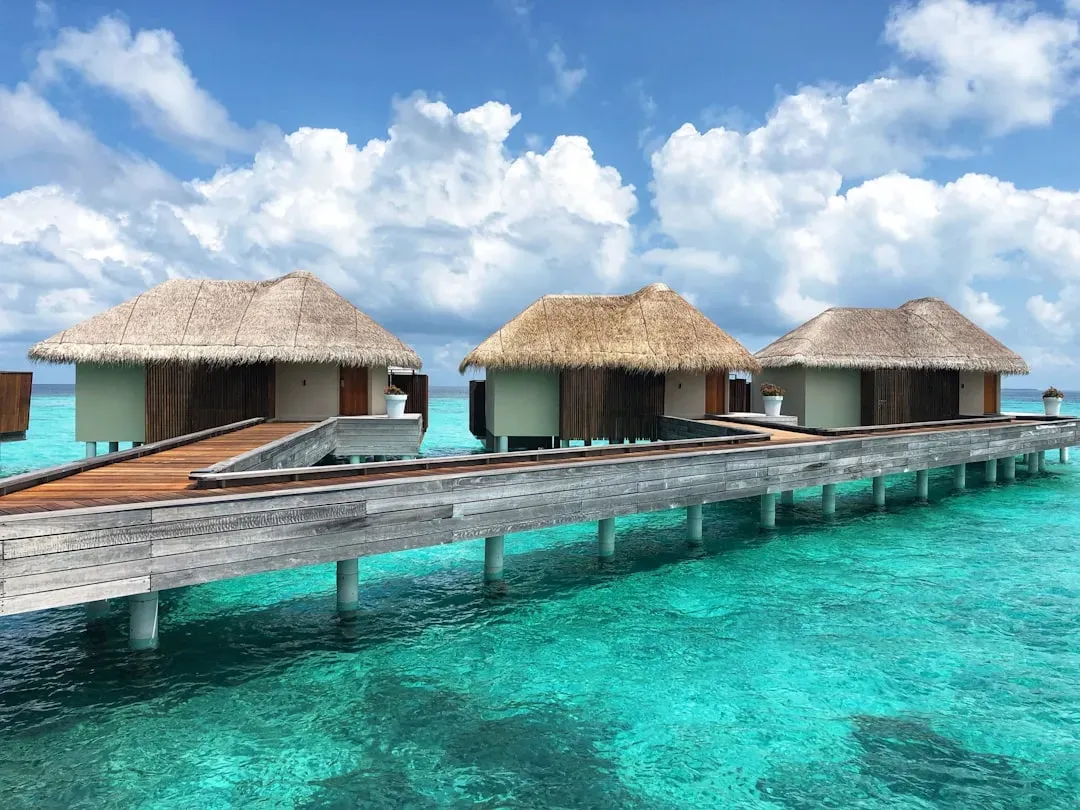
The Maldives sells an idea almost more than a place, overwater bungalows and impossibly clear lagoons, at a price point that makes disappointment sting more sharply when it happens. Complaints tend to center less on the scenery, which mostly does deliver, and more on the value proposition once hidden resort fees and inflated food and transfer costs pile up. Getting between islands often requires costly seaplane transfers, and once travelers arrive, they can find themselves isolated on a single resort with little access to anything resembling local culture. For a destination this expensive, even minor letdowns in food quality or service tend to feel outsized against the price tag.
10. Jamaica
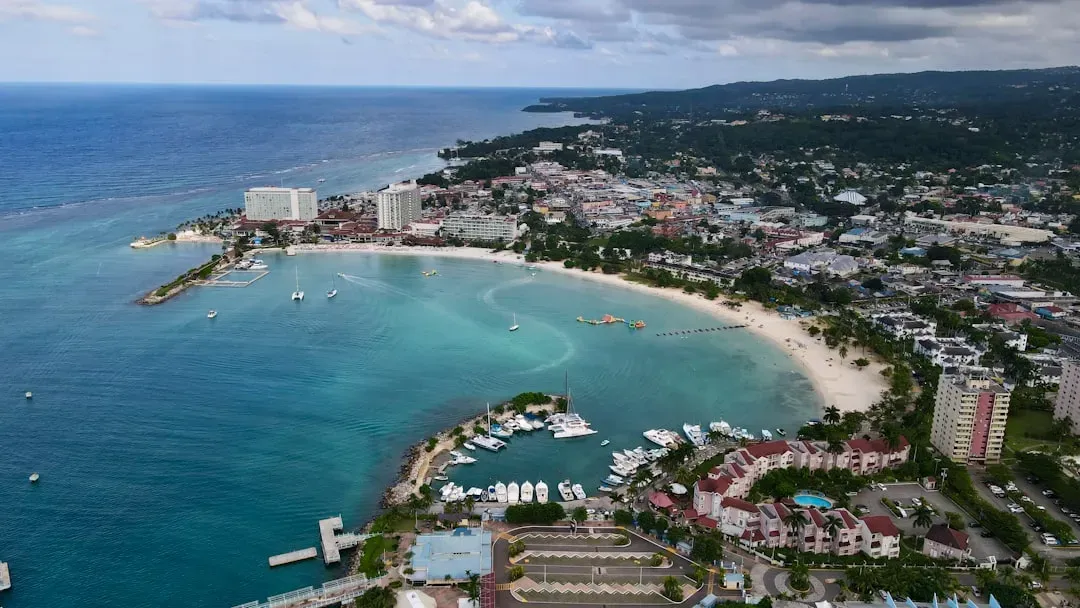
Jamaica’s reputation as a laid-back Caribbean escape doesn’t always match individual traveler experiences, particularly around safety and comfort outside resort walls. One traveler summarized a common complaint plainly, saying “Jamaica was mad disappointing. Even as a 6’4, 225 lb male, I was constantly harassed and felt like I was in danger.”
Other travelers report the opposite, describing repeat visits that matched their expectations every time, which points to how much the island’s reputation depends on which resort, region, and season a visitor lands in. That inconsistency is itself part of the complaint pattern, since marketing materials rarely account for how differently a trip can unfold depending on where exactly you stay.
What Ties These Disappointments Together
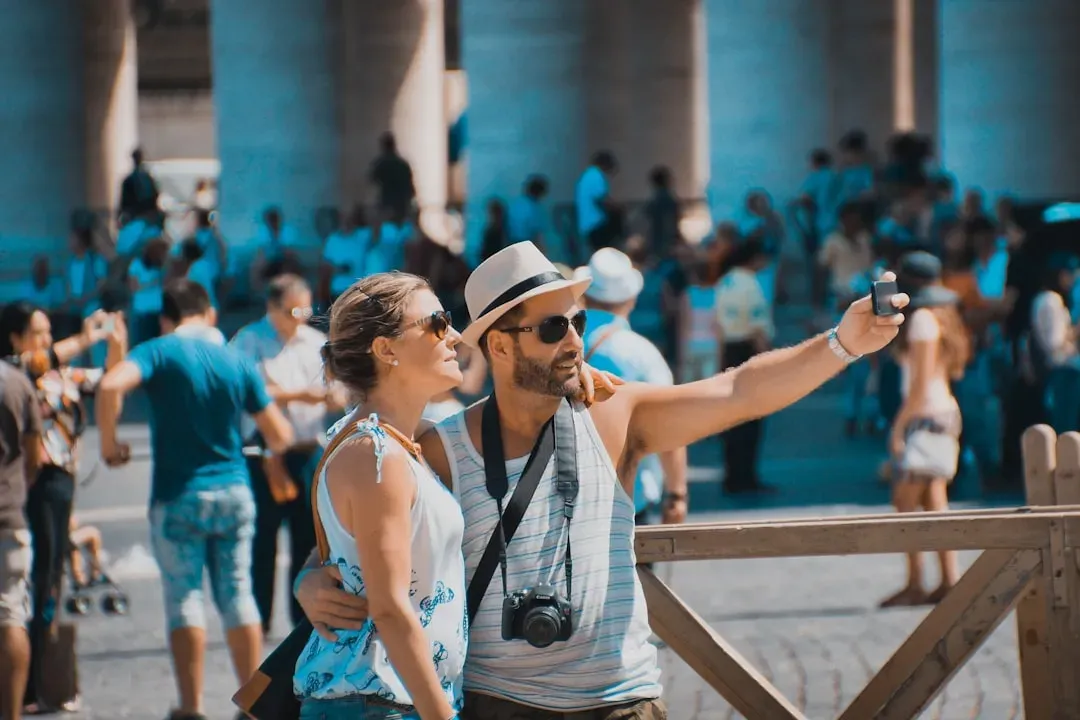
Looking across all ten destinations, a few patterns repeat almost every time. Overcrowding tends to top the list, since popular destinations often attract far more visitors than they can comfortably accommodate, followed closely by high prices as tourist-heavy locations inflate the cost of food, souvenirs, and services, along with accessibility issues from difficult transportation or poor signage, and environmental degradation that leaves visitors disappointed with what they see versus what they expected.
None of this means these places are without value entirely. It usually means the gap between the curated version seen online and the crowded, commercialized version experienced in person has grown wide enough that travelers now feel obligated to warn each other before booking.




Leave a Reply