
1. Booking the Cheapest Base Fare Without Checking What It Excludes
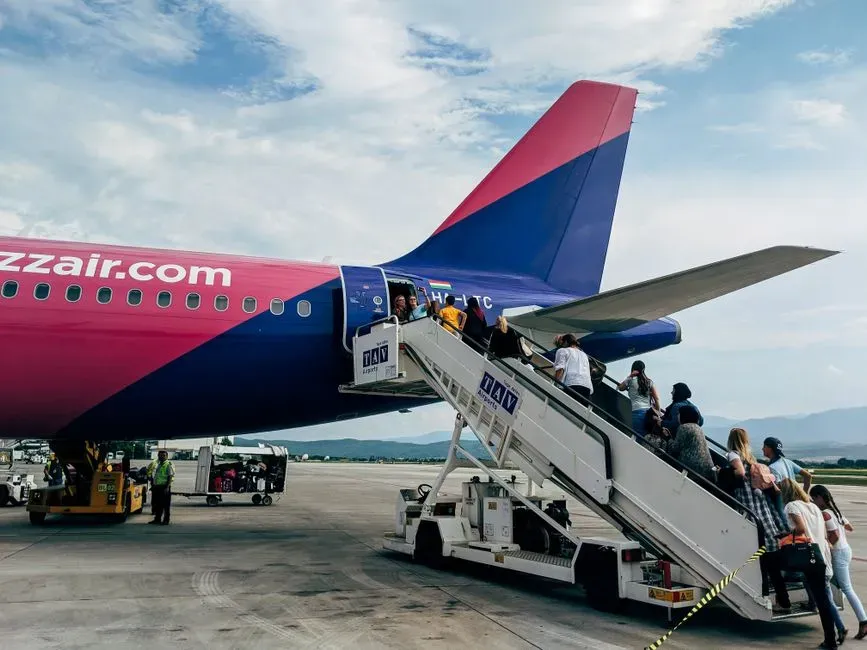
Ultra low cost carriers built their entire business model around a rock bottom headline price that rarely reflects what a traveler actually pays. Basic fares frequently exclude essential items like checked luggage, seat selection, or meals, which inevitably adds significant cost at the airport counter. By the time bags, seats, and boarding priority get added, the fare can end up higher than a full service airline ticket.
In Europe, airlines such as Ryanair, easyJet, and Wizz Air still offer good value for travelers with only a small backpack and flexible schedules, but the problem starts when you add checked luggage, priority boarding, or airport parking at remote terminals. The same applies in the United States with carriers like Frontier and Spirit. Advisors generally recommend adding up the realistic total, bag included, before comparing it against a traditional carrier.
2. Chasing Last Minute Deals That No Longer Really Exist

The idea that flights get cheaper if you just wait is one of the more persistent myths in travel, and it is largely outdated. Travelers still romanticize the idea of cheap last-minute airfare, but airlines have become much better at predicting demand, and in 2026, waiting until the final week before departure is usually expensive, especially on leisure routes. Systems built around real time demand forecasting simply do not leave much room for last minute bargains anymore.
The numbers back this up in a fairly concrete way. Wait too long, and those fares could skyrocket, sometimes doubling or even quadrupling, and if you procrastinate and book less than two weeks before departure, expect prices to spike by 30 to 50 percent. A more reliable approach, according to most advisors, is locking in a fare once dates are firm rather than gambling on a discount that rarely materializes.
3. Assuming Round Trip Tickets Are Always the Better Value

For years, buying a round trip ticket was treated as an automatic rule of smart booking. That assumption has quietly stopped being reliable. For years, travelers assumed round-trip tickets automatically offered better value, but that is no longer consistently true, since many airlines now price one-way fares competitively, especially on international routes.
Sometimes the smarter play is mixing carriers entirely rather than sticking to one airline for both legs. Budget airlines don’t discount round-trips, and sometimes mixing airlines, Airline A outbound, Airline B return, is cheapest. Comparing both structures side by side before booking takes a few extra minutes but can meaningfully change the final price.
4. Booking Separate Tickets on a Connecting Itinerary

Splitting a multi city trip into separate bookings can look like a clever way to save money, especially when one leg is on a discount carrier and another is on a traditional airline. The savings are real on paper, but the risk sits quietly underneath them. Separate bookings might sound like a great idea, but if there’s a major delay, it could cost you in the long run, since booking separate tickets on a multi-stop itinerary can sometimes seem like the cheaper option upfront, but this approach can leave you vulnerable if things go awry.
If a first flight is delayed and the second ticket is a completely separate reservation, the airline that missed the connection has no obligation to rebook or refund the second leg. That gap can turn a modest savings into an expensive new ticket bought in a panic at the airport. Advisors usually suggest treating tight, separately booked connections as a real gamble rather than a guaranteed shortcut.
5. Skipping Travel Insurance Research and Clicking the Default Option

Many travelers either skip insurance entirely or accept whatever add on pops up during checkout without reading it. Both habits carry hidden cost. Clicking yes to travel insurance during flight booking without researching is a common error, largely because booking site insurance is usually expensive and limited coverage, and a traveler’s credit card might already include trip protection.
On the other end, skipping coverage entirely on a complex or expensive trip can be just as costly if plans fall apart. Travel insurance can help, but read the policy carefully, since trip cancellation coverage typically requires a covered reason, and simply changing your mind rarely qualifies. The smarter move, according to most advisors, is checking what a credit card already covers before paying twice for overlapping protection.
6. Locking In Non Refundable Rates to Save a Little Upfront

Non refundable hotel and flight rates usually shave a modest amount off the price, which makes them tempting when a trip still feels flexible. The trouble shows up only when plans change. This is one of the biggest travel booking mistakes, since plans change and emergencies happen, but if a booking is non-refundable or has strict cancellation terms, travelers could lose their entire amount, and many skip the fine print until they need it.
The math rarely favors the non refundable option unless the traveler is genuinely certain about their dates. Flexibility may cost slightly more upfront, but it saves you from major losses later. Advisors generally frame this as a small insurance premium against a much larger potential loss.
7. Paying in Home Currency Instead of Local Currency Abroad
This one is easy to miss because it does not look like a fee at all, it looks like a helpful option. When a card terminal abroad asks whether to charge in home currency or local currency, choosing home currency almost always costs more. A much more modern and far less visible trap is Dynamic Currency Conversion, where paying by card at a restaurant or shop abroad may prompt a choice between home currency or local currency.
The markup is built directly into the exchange rate the traveler never sees itemized. One of the oldest travel money mistakes still happens the moment many travelers land, exchanging cash at the airport, where brightly lit no commission counters advertise convenience but offer exchange rates usually far worse than a bank or ATM in the city, with the difference built directly into the rate itself. Always selecting local currency, both at terminals and at ATMs, avoids this quiet markup entirely.
8. Treating an Overnight Layover as Free Savings

A long layover, especially an overnight one, can shave a noticeable amount off a flight search result. It rarely stays that cheap once the full picture comes into view. Overnight layovers look like savings on paper, then travelers add the hotel, the transfers, the meal and suddenly the gap closes fast.
The fare itself was never the full cost, it was just the most visible number. A fare that saves money upfront but then tacks on a tricky airport transfer or too tight layover can become more of a hassle than it’s worth. Factoring in a night’s hotel stay and ground transport before comparing that fare against a more direct option gives a far more honest sense of what a trip will actually cost.
9. Booking Local Transportation and Attraction Tickets at the Last Minute

Waiting to buy train tickets, shuttle passes, or timed entry reservations once already at a destination has become one of the more expensive habits of modern travel. Pricing for these things now works much like airfare, cheaper early and pricier as the date approaches. The biggest budget killer in 2026 is arguably the convenience tax paid for booking local logistics at the last minute, since buying on the spot can be significantly more expensive than booking even a few days ahead.
This shows up clearly on some of the most popular routes in Europe. On popular routes like Rome to Florence or Milan to Venice, high-speed train tickets are usually released months in advance with lower promotional fares, and as cheaper ticket tiers sell out, the remaining seats become progressively more expensive. A short amount of planning, even just a day or two ahead, tends to avoid the steepest version of this markup.
10. Sticking to One Search Site or One Familiar Airline Out of Habit

Loyalty to a single booking site feels efficient, but it often means missing better pricing that exists just one tab away. Loyalty to a single website can be a costly habit, since travelers often look at only one platform and consequently miss out on superior deals available elsewhere in the market. The same applies to skipping an airline’s own website after finding a fare on an aggregator.
Certain carriers do not even show up on the major comparison tools at all, which makes this habit even riskier than it seems. Booking direct with the airline instead of going through an OTA can sometimes offer the same price or better, and carriers like Southwest do not appear on most search engines, so it is worth checking their site separately for domestic routes. A quick comparison across two or three sources, including the provider’s direct site, is a small habit that consistently protects against overpaying.
What This Means for Travelers Heading Into 2026

None of these habits are dramatic mistakes. They are small, reasonable seeming shortcuts that add up quietly, one convenience fee or one missed comparison at a time. In reality, experienced travelers and travel advisors often save significant amounts of money by planning strategically and avoiding common spending traps.
Pricing across flights, hotels, and local transportation has become more automated and more responsive to demand than it was even a few years ago. Airlines now use dynamic pricing, AI-driven fare adjustments, bundled fees, and loyalty targeting that make old booking hacks less reliable than they were a decade ago. The travelers who come out ahead are not necessarily the ones who spend the most time hunting for deals, they are the ones who simply know where the common traps sit and plan a few steps around them.





Leave a Reply