
1. Frozen Berries
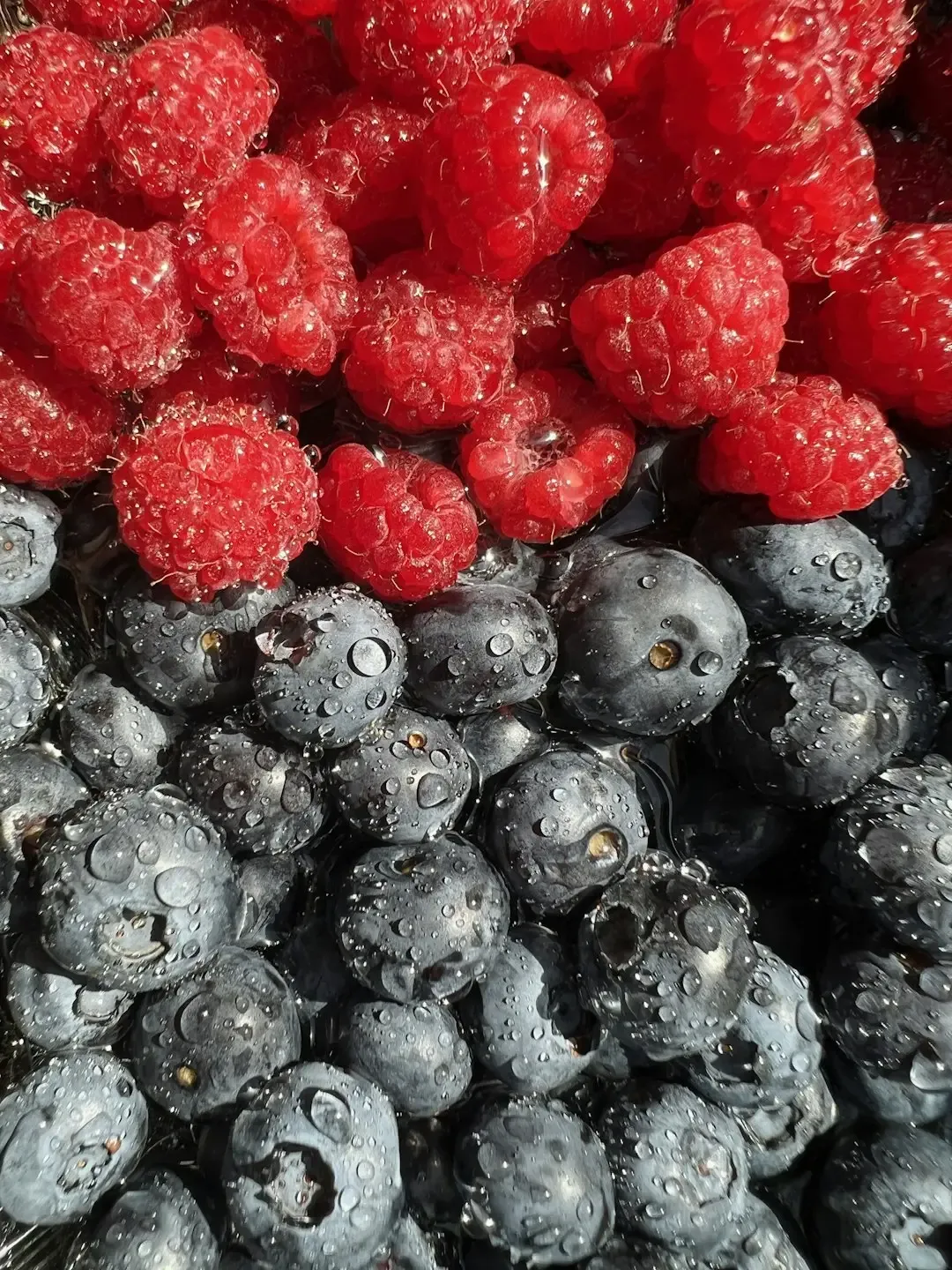
Fresh berries are delicate and expensive, and they spoil within days of coming home from the store. Frozen versions solve both problems while keeping most of the nutritional punch intact. Dietitians often say frozen berries are among the first items they always have on hand, including frozen blueberries, raspberries and strawberries.
Because berries are frozen shortly after picking, they hold onto their antioxidants and vitamin C reasonably well over time. They blend into smoothies straight from the bag, no thawing required, and they work just as well stirred into oatmeal or yogurt. For anyone who has watched fresh raspberries turn to mush in the fridge within 48 hours, the freezer version starts to look like the more reliable choice.
2. Frozen Spinach and Leafy Greens
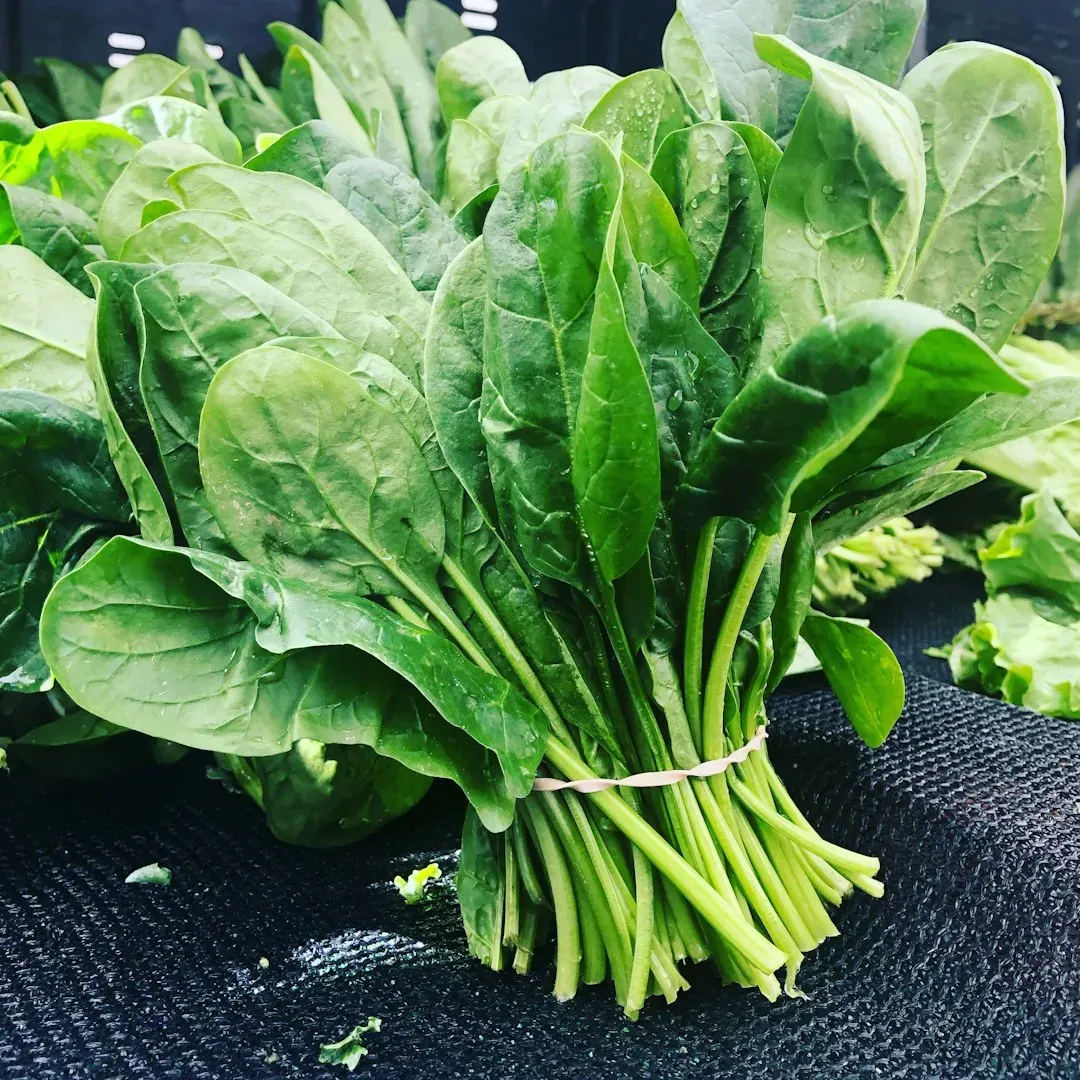
Fresh spinach has a short shelf life and a habit of wilting into a slimy mess if it sits too long. The frozen version sidesteps that entirely, and the nutrition holds up surprisingly well. Nutritionally speaking, fresh and frozen veggies are very similar, and studies have found no consistent differences.
Frozen veggies are a top pick for dietitians because they’re just as nutritious as fresh ones, and sometimes even more so, since they’re frozen right after harvest and retain nutrients that can degrade in fresh produce during shipping and storage. A cup of frozen spinach cooks down to almost nothing but still packs in iron, folate, and vitamin K. It’s an easy way to sneak extra greens into soups, pasta sauces, or eggs without much prep work.
3. Frozen Peas
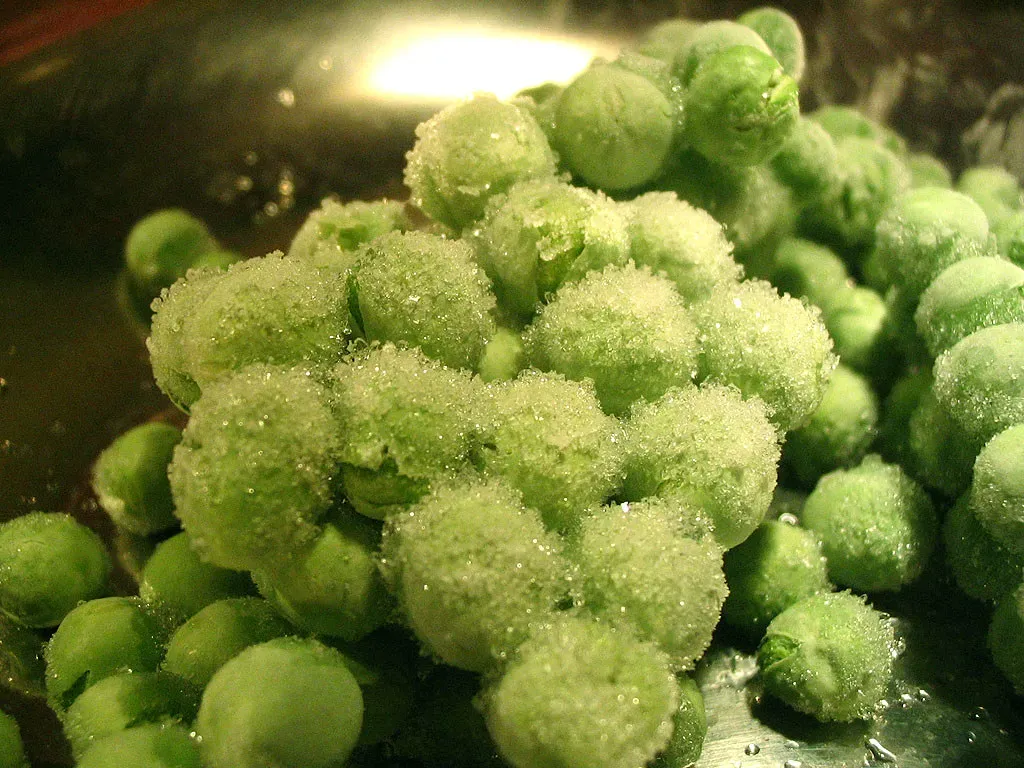
Peas rarely get much attention, but nutritionists tend to rate them highly for a reason. Frozen peas are a versatile freezer staple, and dietitians note that green peas are a big winner, since they have some protein and fiber and are a good source of carbohydrates.
The protein and fiber in peas can help you feel fuller for longer, and their combination of soluble and insoluble fiber aids digestion and supports a healthy gut microbiome, while also providing vitamins C and K, iron and antioxidants. They’re one of the few frozen vegetables that need almost no cooking, just a quick simmer or a spin in the microwave. And if the bag springs a leak before dinner, it doubles as a decent ice pack in a pinch.
4. Frozen Edamame
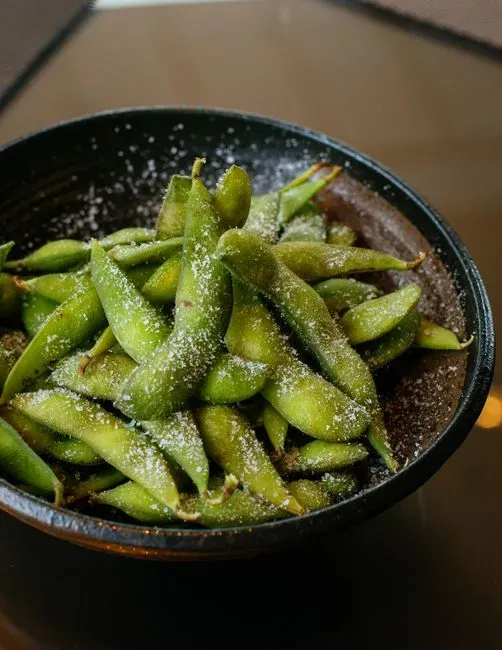
For anyone trying to eat less meat without losing protein, edamame tends to come up fast in conversations with dietitians. Frozen edamame is one of the healthiest and easiest plant-based proteins to keep on hand, and nutritionists praise it for being high in protein, fiber, and essential minerals like iron and magnesium.
A single serving can provide up to 17 grams of protein, which makes it a solid option for vegetarians and anyone trying to eat less meat. It steams in minutes straight from frozen, and a sprinkle of sea salt turns it into a snack that feels more satisfying than most chip alternatives. It also works well tossed cold into grain bowls or salads for extra texture.
5. Frozen Wild Salmon and Other Fish
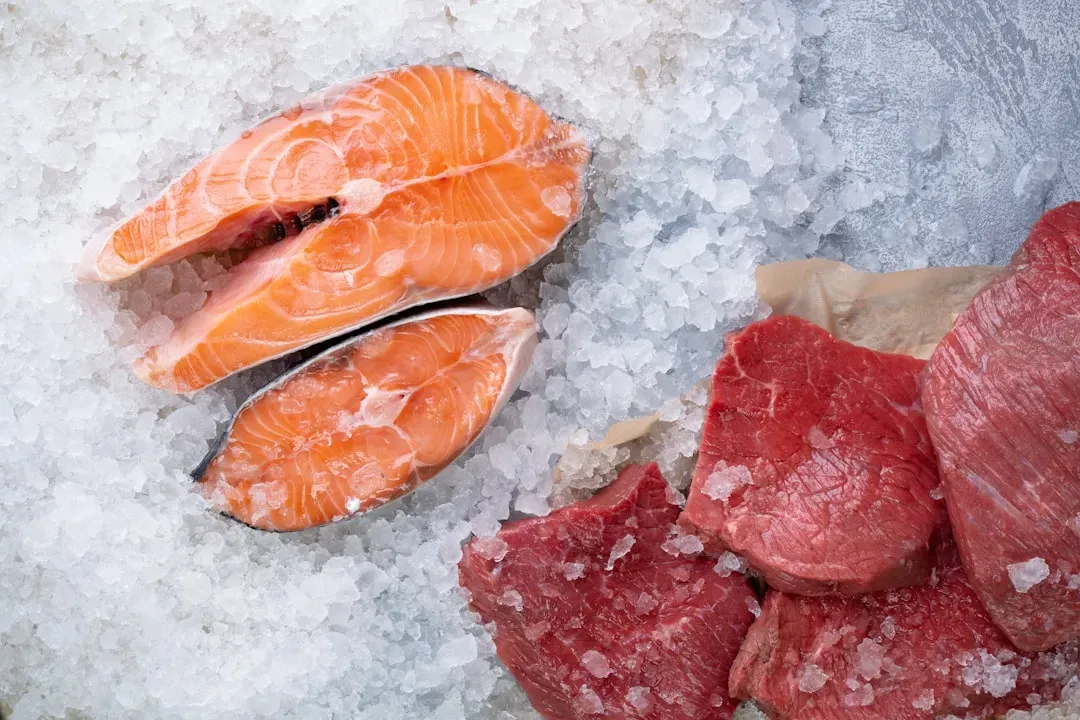
Fresh fish is one of those foods that sounds appealing in theory but often goes untouched because of cost or a tight window before it spoils. Frozen fillets remove that pressure entirely. Frozen fish is a go-to for nutritionists who want convenient sources of lean protein and omega-3 fatty acids, and wild-caught frozen salmon in particular is loaded with heart-healthy fats that support brain function and reduce inflammation.
Freezing preserves flavor and texture, often making it just as good as fresh fillets, and many dietitians recommend keeping individually wrapped portions on hand for quick weeknight meals. Since most fish is flash-frozen on boats or shortly after catch, it can actually be fresher in practice than the fillet sitting on ice at the seafood counter.
6. Frozen Shrimp
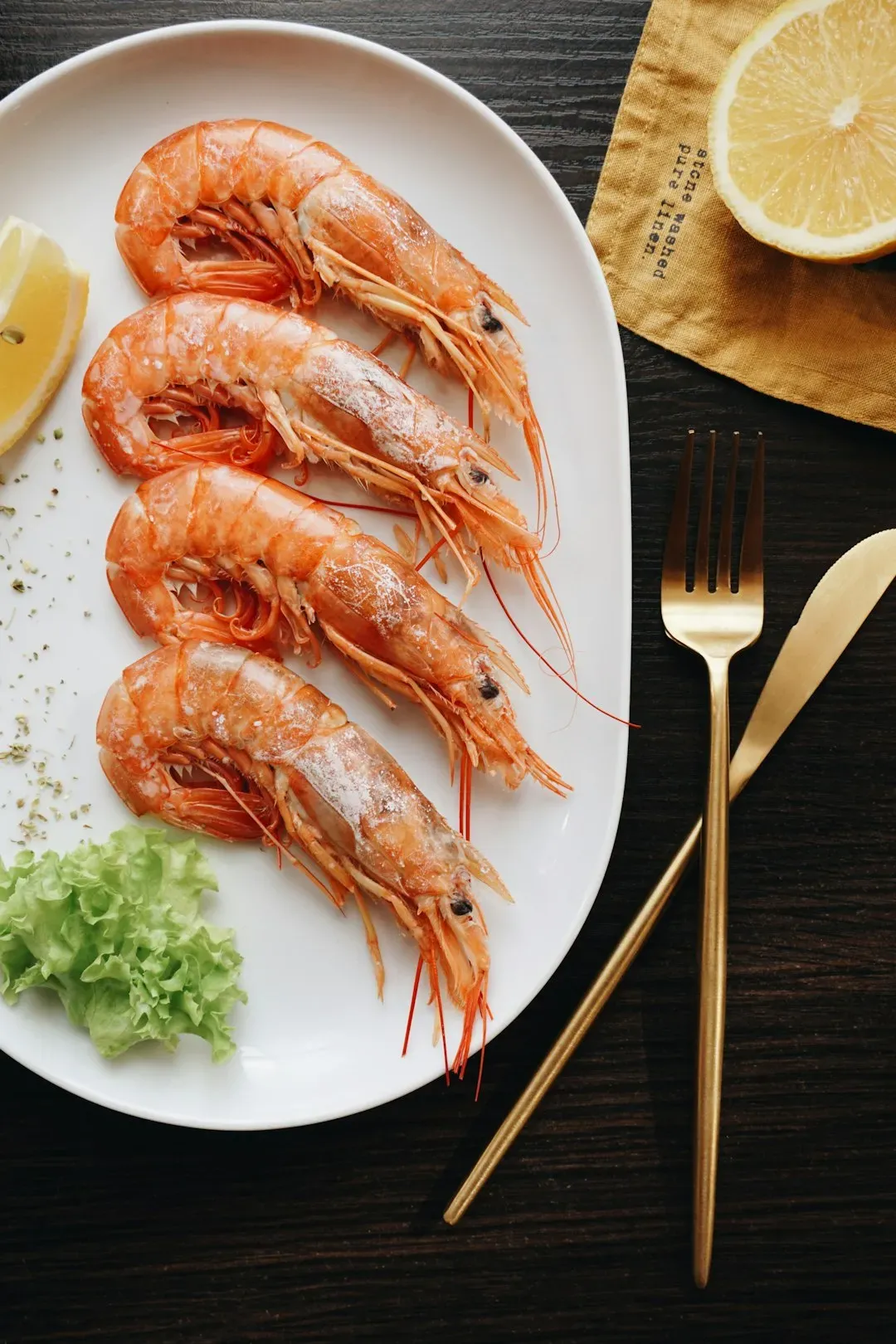
Shrimp is another seafood option that nutritionists tend to buy frozen rather than fresh, mostly for practical reasons. It’s already peeled and deveined in most bags, which strips away the tedious prep work that keeps people from cooking seafood at home in the first place. It’s also lean, low in calories relative to its protein content, and cooks in just a few minutes from frozen.
Because shrimp freezes and thaws well without much texture loss, there’s little downside compared to buying it fresh at a fish counter, where it’s often previously frozen anyway and simply thawed for display. Tossing a handful into a stir-fry or pasta dish turns a starchy meal into something with real protein behind it. It’s an easy substitution that doesn’t require planning meals days in advance.
7. Frozen Whole Grain Waffles
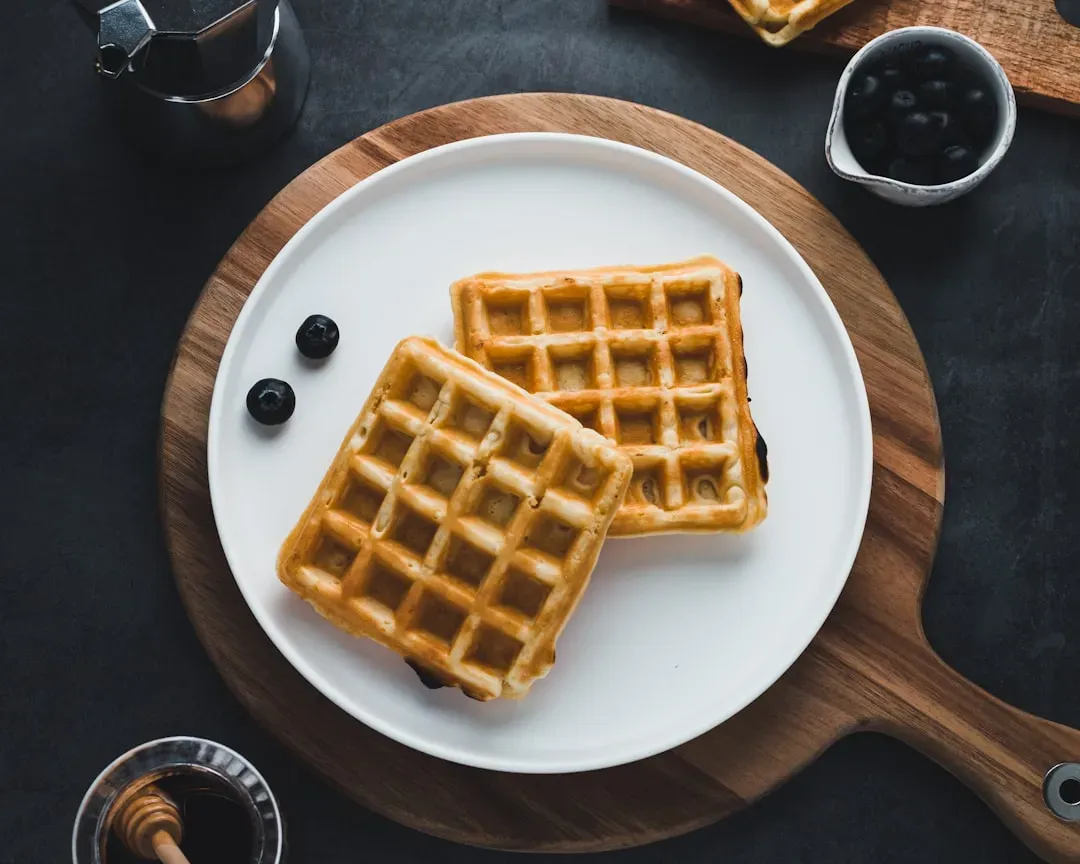
Breakfast is where a lot of healthy intentions fall apart on busy mornings, which is exactly why nutritionists keep a stack of frozen waffles around, just not the sugary supermarket default. Not all frozen breakfast foods are created equal, but whole-grain waffles can be a winner when made with real ingredients, and nutritionists often choose brands with high fiber and low sugar, topping them with nut butter or fresh fruit instead of syrup.
Look for waffles made with oats, flaxseed, or whole wheat for extra nutrition, since the ingredient list varies a lot between brands even within the same freezer case. They toast up in a couple of minutes, which matters on mornings when there’s no time to measure out oatmeal or crack eggs. It’s a small swap, but it keeps breakfast from becoming an afterthought grabbed on the way out the door.
8. Frozen Riced Cauliflower and Vegetable Blends
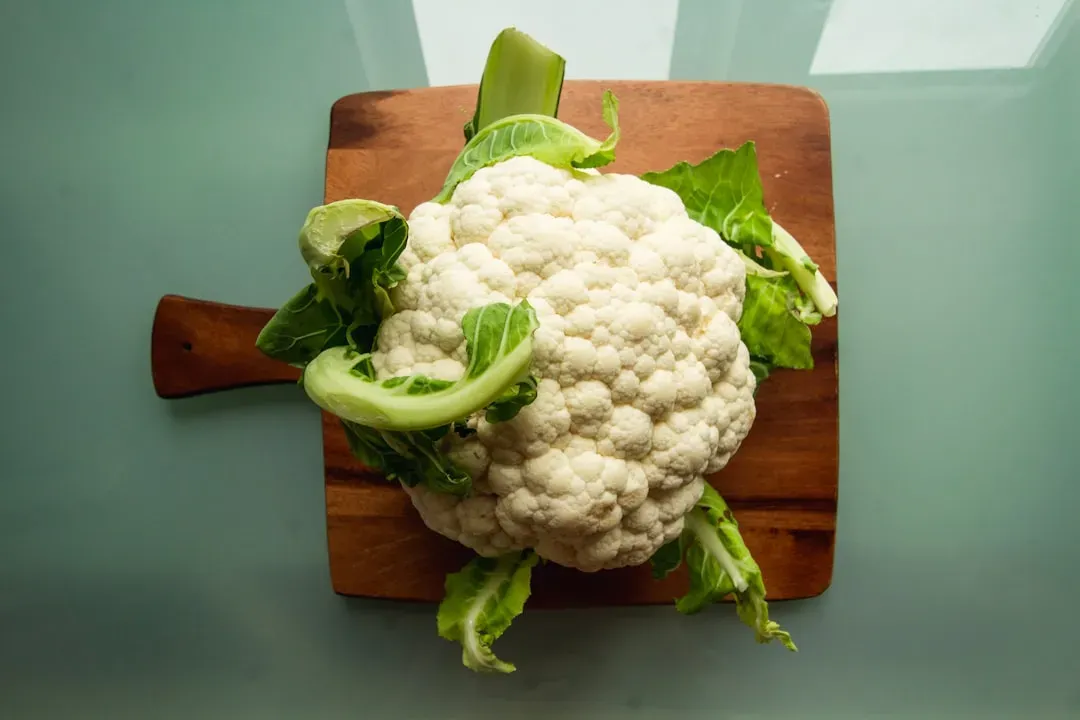
Mixed vegetable blends and riced cauliflower have become freezer staples largely because they solve the age old problem of vegetables going bad before anyone gets around to using them. A bag can sit in the freezer for months without spoiling, ready whenever a meal needs a vegetable boost. In terms of nutritional content, frozen vegetables are often just as healthy, and sometimes even healthier, than fresh ones, since fresh vegetables lose nutrients over time due to exposure to air, light and heat.
Riced cauliflower in particular has become popular as a lower carbohydrate stand in for rice, and it cooks in a fraction of the time it takes to prepare the whole vegetable from scratch. Blends that mix broccoli, carrots, and peppers make it simple to round out a plate without chopping anything. For anyone who has ever let a head of broccoli go soft in the crisper drawer, the frozen version’s built in shelf life is the whole appeal.




Leave a Reply