
Mexico: Warnings by State, Tourists by the Millions
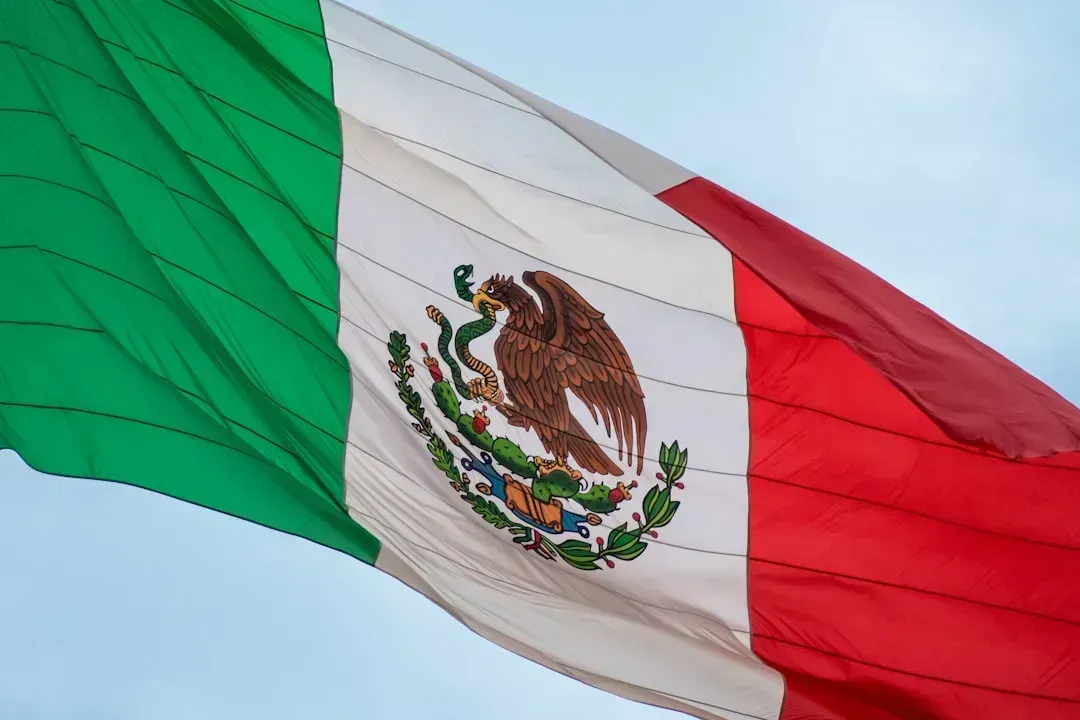
Mexico is unusual because its risk profile is not national but regional. Central and northern parts of Mexico, like the states of Chihuahua, Sinaloa and Colima, carry Level 3 and Level 4 advisories due to a risk of violence from organized crime. Meanwhile, the states of Yucatan and Campeche carry a much lower Level 1 risk. The contrast within one country is stark enough that the same passport stamp can mean very different things depending on where you land.
Despite the patchwork of warnings, Mexico still offers one of the broadest tourism menus in the hemisphere, from Cancun and the Riviera Maya to food-heavy cities, colonial towns, and cultural icons. Cartel violence has not stayed confined to the interior either, since insecurity has increasingly affected major tourist destinations such as Cancún, Tulum, and Puerto Vallarta. Travelers tend to respond less by canceling trips and more by adjusting them, sticking to resort zones and private transport rather than skipping Mexico altogether.
Egypt: Ancient Wonders Against a Level 2 Backdrop

Egypt sits at a curious intersection of history and hesitation. The State Department currently places Egypt at Level 2, citing terrorism, crime, and health concerns, while certain areas remain under much stronger warnings. The advisory has been in place for years, evolving with regional tensions rather than disappearing entirely.
None of that has slowed visitor numbers in any meaningful way. Official Egyptian government reporting says the country welcomed nearly 19 million tourists in 2025 after already hitting a record 15.7 million in 2024. The pull is obvious once you consider what is on offer, since the pyramids, the Red Sea, and the Nile remain among the most compelling draws in all of travel. Most visitors experience a tightly managed itinerary between Cairo and Luxor, which looks nothing like the border regions the advisory actually warns about.
South Africa: Safari Dreams Meet Serious Crime Statistics

South Africa’s tourism pitch is built on scale and variety, and that seems to be part of why travelers keep saying yes despite the warnings. The State Department rates it Level 2 due to crime, terrorism, unrest, and kidnapping, warning that violent crime is common and more frequent in some downtown areas after dark. Beyond street crime, the country also carries a high traffic fatality rate of 24.5 deaths per 100,000 people and a subpar healthcare index.
Even with those figures on record, demand has not cooled off. South African Tourism said the country welcomed a record 10.48 million international arrivals in 2025, while South Africa’s government portal says 2024 had already reached 8.92 million arrivals. Safari circuits, coastal towns, and wine country give visitors a reason to look past the warnings, since safari, coastline, Cape Town, and the Winelands together form a travel package that very few destinations can match.
Türkiye: A Nation Divided Between Coastline and Conflict Zones
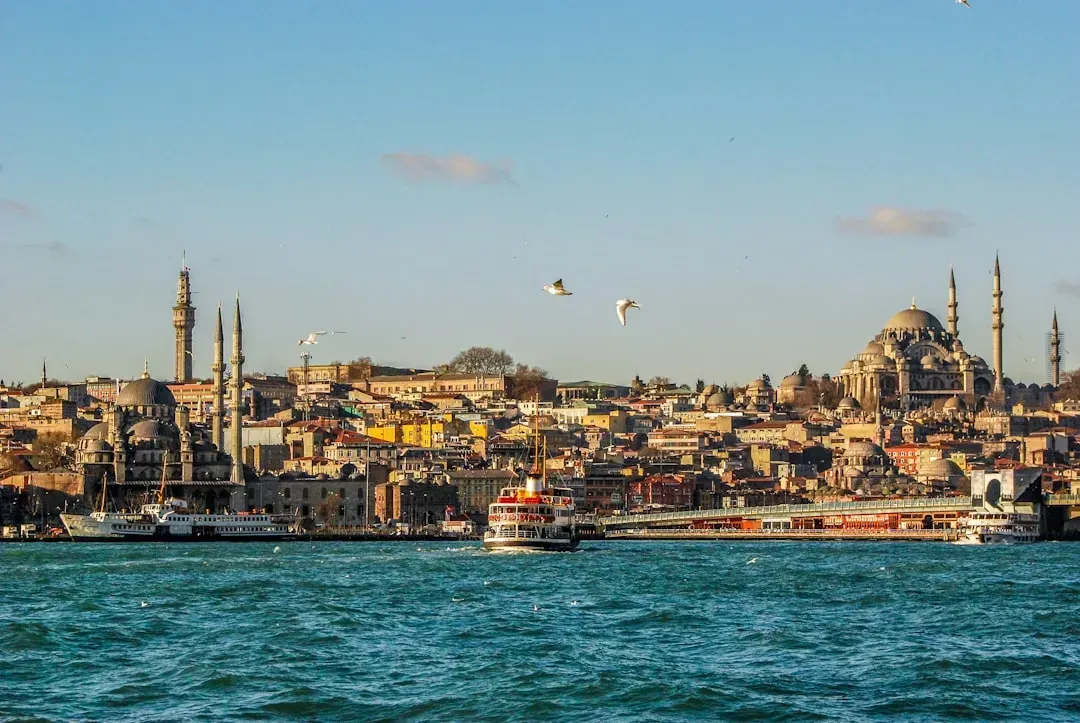
Türkiye manages to be both a beach destination and a country flagged for armed conflict risk, which is a strange combination on paper. The State Department lists the country at Level 2 due to terrorism, armed conflict, and arbitrary detentions, with southeastern areas flagged at higher risk. The southeastern border region, closer to Syria and Iraq, carries a very different reality than the western coast most tourists actually visit.
The advisory hasn’t dented arrivals in any obvious way. Official Turkish government communication said visitor numbers reached 62.2 million in 2024, a figure that puts the country among the most visited in the world. Most travelers never go near the flagged areas, sticking instead to Istanbul, the Turkish Riviera, and Cappadocia, regions that function almost like a separate, calmer country.
Colombia: A Reinvented Destination Still Carrying Old Risks
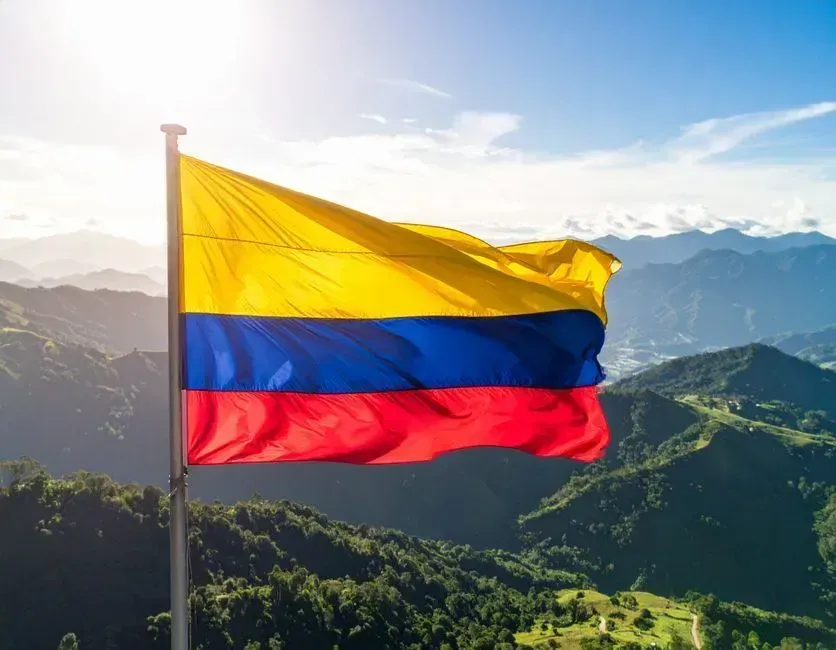
Colombia has spent the last decade rebuilding its reputation, yet the underlying advisory has not disappeared. Colombia holds a Level 3 Reconsider Travel advisory as of March 2026, with risk indicators covering crime, kidnapping, unrest, terrorism, and natural disaster. That combination of factors keeps the country in a middle tier, more cautious than a simple Level 2 but not treated as an outright no-go zone.
Kidnapping remains one of the more specific concerns travelers are told to watch for. Most kidnappings are express and last less than 48 hours, frequently targeting people leaving hotels, traveling in taxis, or walking in wealthier areas. Even so, cities like Medellín and Cartagena have become fixtures on backpacker routes and digital nomad itineraries, proof that a Level 3 label doesn’t automatically translate into empty hotels.
Jamaica: Resort Bubbles Beside a High Crime Rate

Jamaica’s tourism industry has always leaned heavily on the idea that resorts operate in a different world than the rest of the island. For Jamaica, the U.S. Department of State has issued a Level 3 Reconsider Travel advisory, with safety concerns including violent crime, particularly in urban and rural areas outside tourist resorts. The country’s crime problem is not new or hidden either, since Jamaica has maintained one of the highest murder rates in the region for decades, often exceeding 40 to 50 per 100,000 people.
What keeps visitors coming back is largely a matter of geography and structure. The country’s pervasive gang presence, together with a corrupt and overwhelmed police force, makes crime a serious concern nationwide, but that reality mostly stays outside the gated resort areas most tourists never leave. All-inclusive packages, in effect, create a controlled travel experience layered on top of a genuinely dangerous country.
Kenya: Safari Country With Border Zone Warnings
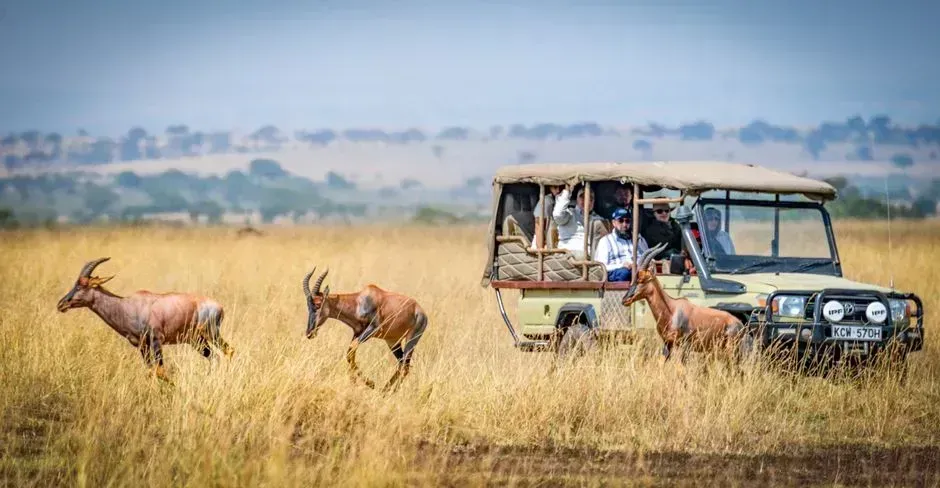
Kenya’s advisory reads like two different countries stitched together. The State Department advises exercising increased caution in Kenya due to crime, terrorism, civil unrest, kidnapping, and health, yet specific regions carry a much harsher label. U.S. government employees are prohibited from traveling to areas including Mandera, Wajir, and Garissa due to kidnapping and terrorism concerns.
Away from the Somali border, the picture looks entirely different, and tourism numbers reflect that split. Over 2.1 million international visitors arrived in Kenya during 2025, according to the Kenya Tourism Board, with incident rates in designated tourist areas remaining statistically negligible. Safari operators have leaned into that gap, and game parks and related safari tours with well-established operators generally have been reported to be safe, which explains why the Masai Mara keeps filling up despite the advisory covering the country as a whole.
Thailand: Paradise Beaches Near a Restive Border

Thailand rarely gets grouped with dangerous destinations, and for most visitors that reputation holds up. Travel safety in Thailand varies greatly by region, but the touristy destinations and developed cities are safe to visit. The exception sits far from the beach resorts, since travelers should avoid all the border regions and the southern provinces of Songkhla, Yala, Pattani, and Narathiwat due to high crime rates associated with narco-traffic routes and terrorism.
Even inside the safer zones, there are risks worth flagging to anyone planning a trip. Vigilance is recommended when attending nightclubs and beach parties, as they are hotspots for theft, assault, and sexual violence. This is a case where the country’s overall reputation as a safe, easygoing destination coexists with a genuinely unstable pocket that most tourists simply never see or hear about.
Afghanistan: A Fragile Opening for Niche Travel
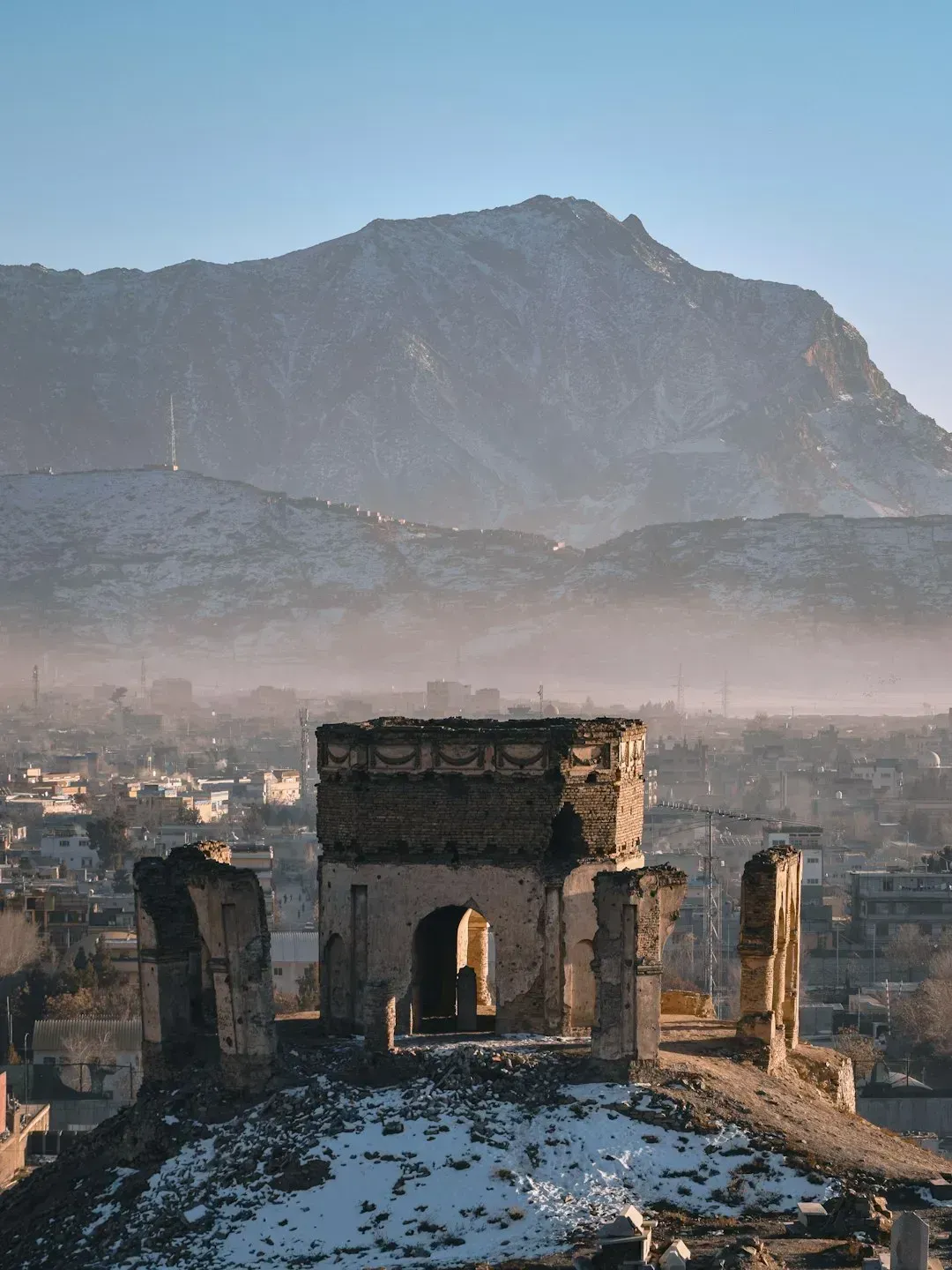
Afghanistan remains the textbook example of a Level 4 country, yet a small but growing number of travelers are heading there anyway. Official advisories are unambiguous about the risk, warning that violent extremist groups and kidnapping syndicates in Afghanistan actively target U.S. citizens, including journalists, aid workers, teachers, and people linked to NGOs, and criminal groups will target anyone perceived to have money. Detention risk compounds the danger, since detention conditions are severe, the Taliban do not permit welfare checks on detained citizens, and detention can be long.
Despite all of that, a niche tourism market has quietly taken shape. Afghanistan has witnessed a steady increase in international tourists in recent years, with nearly 9,000 visiting in 2024 and more than 7,000 arriving in just the first half of 2025. The government has even simplified entry, since visitors can now secure a 30-day single-entry visa by applying through the government’s E-Afghans portal. The travelers who go tend to be experienced, working with specialist operators rather than arriving independently.
Syria: Rebuilding a Tourism Industry From Ruins

Syria’s inclusion on this list would have seemed unthinkable just a couple of years ago, when the country was essentially closed to outside visitors. That has started to shift, since after several years of near-total closure, Syria is welcoming tourists again, as some parts of the country are gaining significant stability and becoming safer for travelers. The itineraries themselves reflect how recent and raw the country’s history still is.
Some of the newer tour offerings lean directly into that history rather than avoiding it. Itineraries for 2025 already include the liberated Saydnaya Prison, where Assad’s regime tortured and executed political prisoners, and cities like Aleppo and Homs. Whether this counts as meaningful memorial travel or simple risk tourism is a question every visitor has to sit with, since whether this constitutes meaningful memorial travel or simply risk-seeking is a question each visitor has to answer honestly.
Venezuela: Political Upheaval and a Highest-Level Warning

Venezuela’s advisory status has only grown more serious in recent months. According to the U.S. Department of State, Venezuela is among the Level 4 travel advisory countries in 2026, the highest warning level possible. The political backdrop has been just as volatile, with the advisory tightening just before a U.S. military operation in January 2026 that launched airstrikes into the country and took President Nicolas Maduro and his wife, Cilia Flores, into custody on narco-terrorism, drug-trafficking and weapons charges.
For the travelers who still attempt a visit, the risks are specific and well documented. With looming Western sanctions on the Maduro government for its handling of the 2024 elections, Western travelers, especially Americans, also face the threat of arbitrary detention. Natural attractions like Angel Falls and the Gran Sabana continue to draw a small stream of adventure travelers, though most now go through specialized operators who understand the country’s shifting political terrain.
Somalia: State Collapse Meets Persistent Curiosity
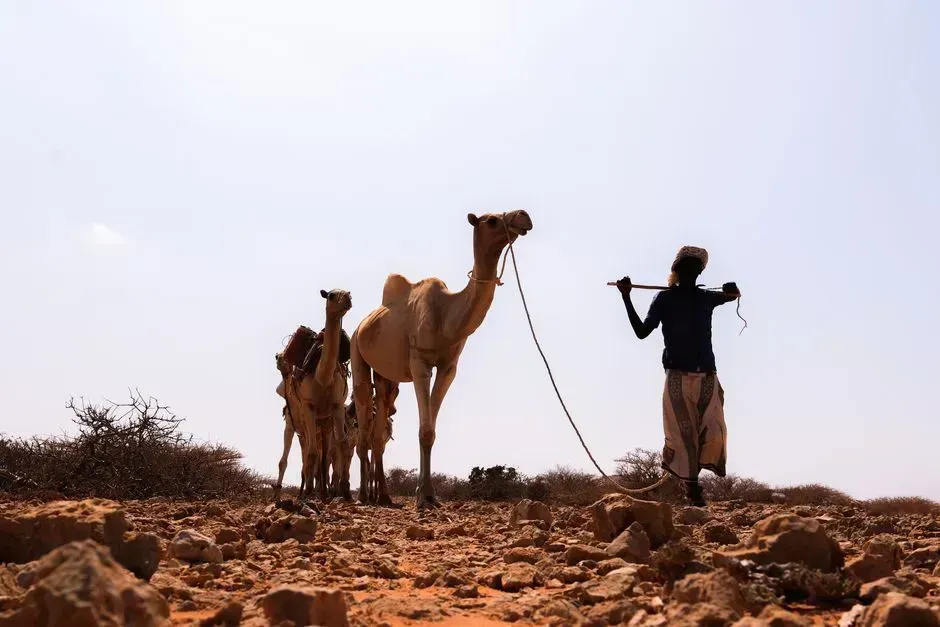
Somalia sits near the extreme end of almost every global risk index, and the reasoning behind that placement is straightforward. Somalia is one of those places that makes even the most seasoned adventure travelers think twice, and then think twice again, after struggling with near-total state collapse for decades. The threats are layered rather than singular, since Somalia is highly dangerous due to terrorism, piracy, and lawlessness.
Yet a small community of extreme adventure travelers continues to treat Somalia, and particularly the semi-autonomous region of Somaliland, as a genuine bucket-list stop. These trips are almost always organized through specialized fixers with armed escorts rather than attempted independently. The appeal, as with several countries on this list, seems to be precisely the fact that so few outsiders ever go there at all.





Leave a Reply