
Rerouting or Replacing Pipes Without a Permit
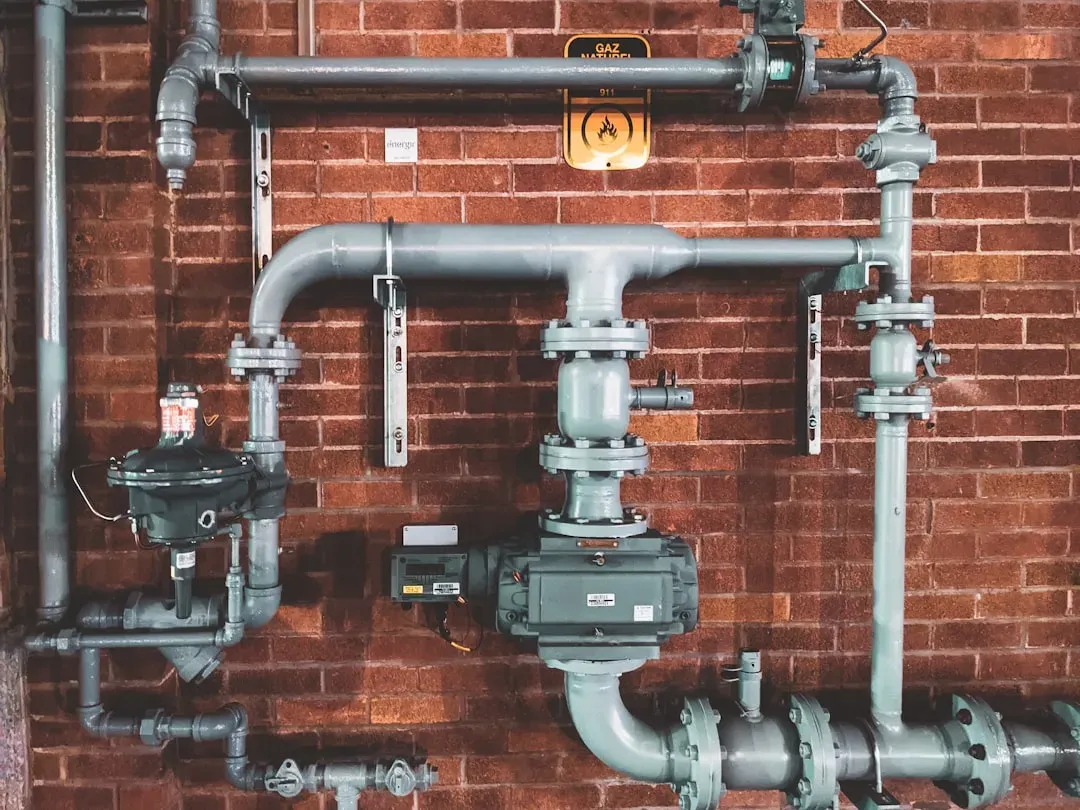
Swapping out a faucet is one thing, but rerouting supply lines or replacing sections of a home’s pipe network is a different category of work entirely. Replacing a faucet is fine, but rerouting pipes or installing new plumbing systems often requires permits, and incorrect plumbing can cause leaks, flooding, and contamination of drinking water. Many local jurisdictions simply won’t let this kind of work slide by unnoticed if it later causes a problem.
The insurance consequence is fairly direct. Many municipalities require licensed plumbers for these larger jobs, and skipping permits can also void insurance coverage if water damage occurs. Insurers aren’t just being difficult here. They’re following documented exclusions that already exist in most standard policies, and pipe rerouting is exactly the kind of change that gets flagged during a claims review.
Installing or Replacing a Water Heater Yourself
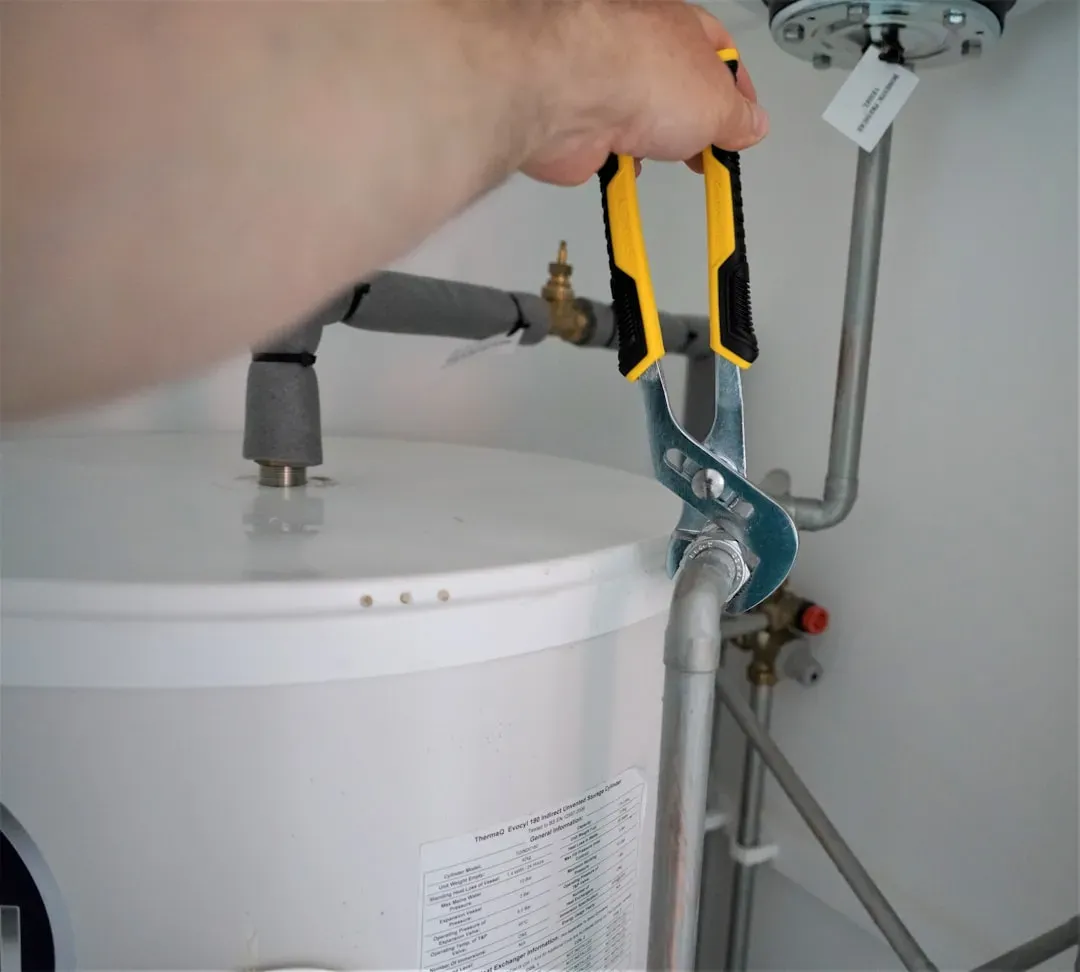
Water heaters look like appliances, so many homeowners assume swapping one out is closer to changing a refrigerator than performing plumbing work. It isn’t. Anything involving new supply or drain lines, a water heater replacement, or opening walls almost always requires a permit regardless of who does the work.
If that installation later fails and floods a lower level or a neighboring unit, the claim history matters enormously. Skip the permit, and the insurer has a clear contractual basis to deny any water damage claim tied to that work, and insurers scrutinize the permit history on any significant water-related claim. Given how frequently water heater failures show up in claims data, this is one of the riskier corners homeowners cut.
Touching Gas Line Connections Tied to Plumbing Fixtures
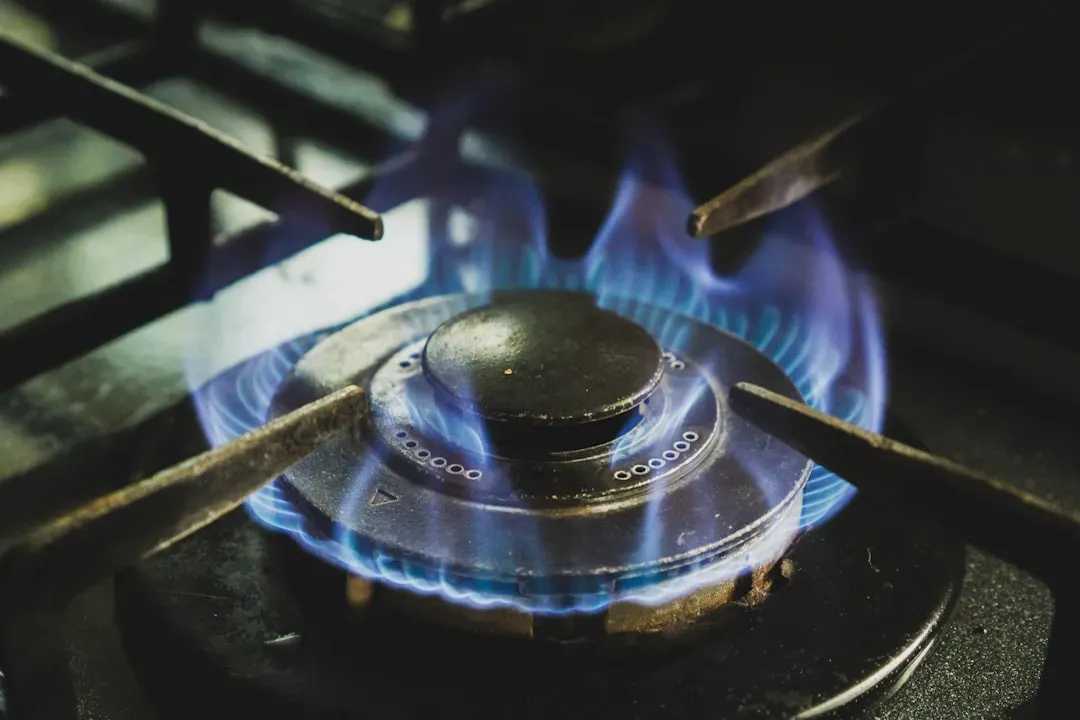
Gas water heaters, tankless units, and certain fixtures involve connections that blur the line between plumbing and gas work. Homeowners sometimes assume that because they’re comfortable with pipe fittings, gas connections fall into the same skill category. Gas lines are dangerous because leaks can lead to explosions or carbon monoxide poisoning, attempting to repair or install gas lines without certification is strictly prohibited, and licensed professionals follow strict codes to ensure safety and compliance.
Beyond the safety concern, this is a category where insurers show little patience during claim reviews. Any loss connected to unlicensed gas work is treated with particular scrutiny, since the stakes if something goes wrong are so much higher than a simple leak. A denied claim tied to gas line tampering can also trigger a broader review of everything else on the property.
Opening Walls for a Bathroom or Kitchen Remodel Without Inspection
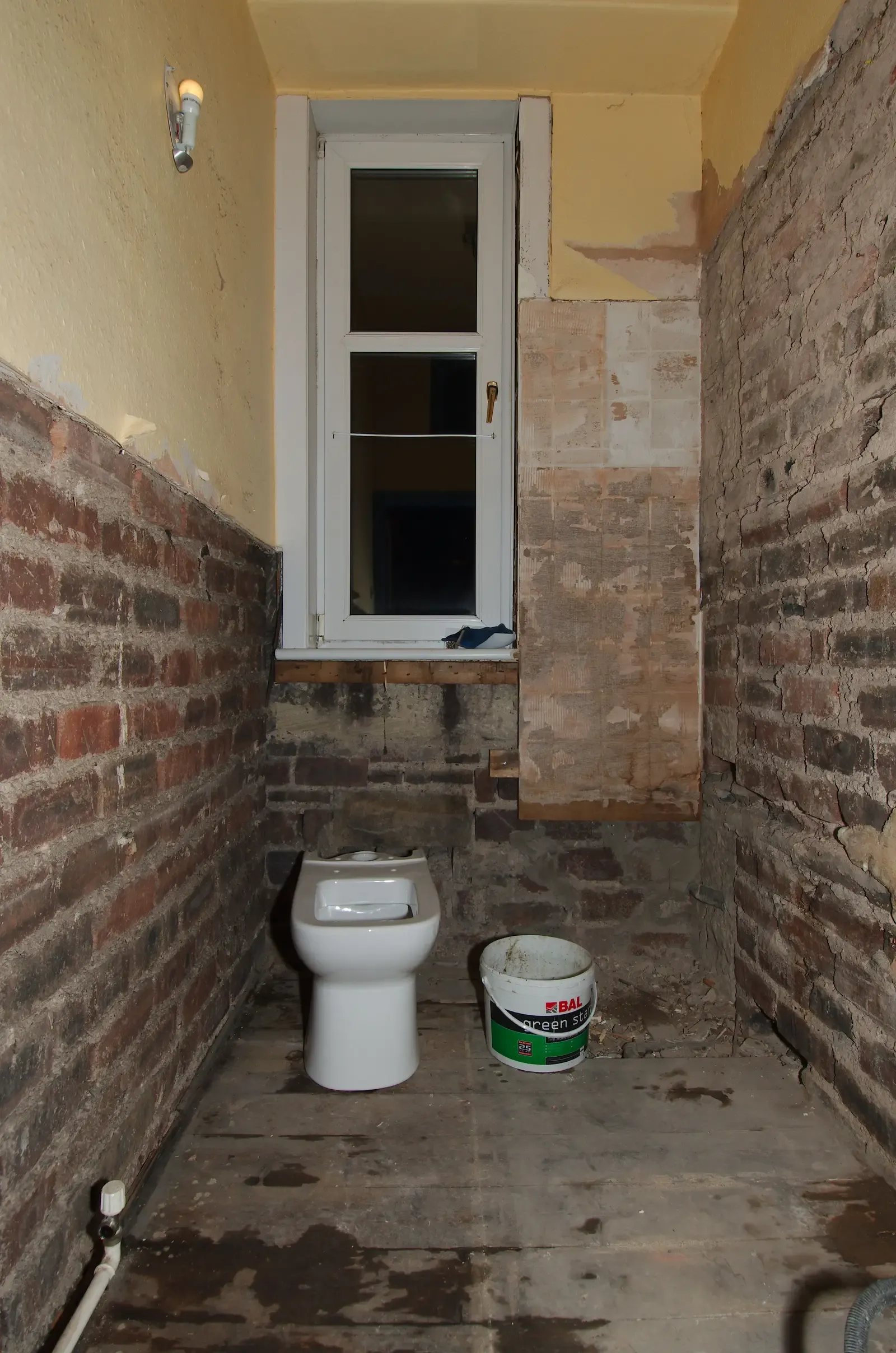
Full remodels that involve moving fixtures, relocating drain lines, or adding a new bathroom almost always require both a permit and a follow-up inspection. Skipping that step doesn’t just risk a fine, it directly undermines the insurance safety net. During a bathroom remodel without permits, plumbing is installed incorrectly, a leak causes significant water damage to multiple floors, and the claim is denied because the root cause traces back to non-compliant plumbing work.
This scenario shows up often enough that insurers have built specific language around it. Nearly every homeowners policy includes language excluding losses caused by faulty design, defective materials, or substandard construction, unpermitted work falls squarely into this category, and when a renovation skips the permit process, it also skips the inspections that verify compliance with building codes. Without that inspection record, there’s no independent confirmation the work was done safely, and insurers treat that absence as a red flag rather than a technicality.
Doing Any Plumbing Work at All in States That Prohibit It
Most states allow homeowners to do their own plumbing on a primary residence, within limits, but a handful of jurisdictions draw a much harder line. Nowhere in the U.S. comes close to Massachusetts, it’s the only state that bans homeowners from doing their own plumbing entirely, with no license, no wrench, no exceptions, even in your own house. That’s an outlier, but it illustrates how much state law varies on this exact question.
Even in more permissive states like Washington, the leeway has real boundaries. Homeowners there can legally perform their own plumbing without a license, but some projects require permits, and when a permit is required, a certified inspector must check the work, with complex jobs like repiping, water heaters, or anything touching gas lines belonging to licensed pros. Doing plumbing work that state law simply doesn’t allow homeowners to perform, regardless of skill level, puts any resulting claim on shaky ground before the insurer even gets to the damage itself.
Why the Permit, Not the Skill Level, Is What Insurers Actually Care About
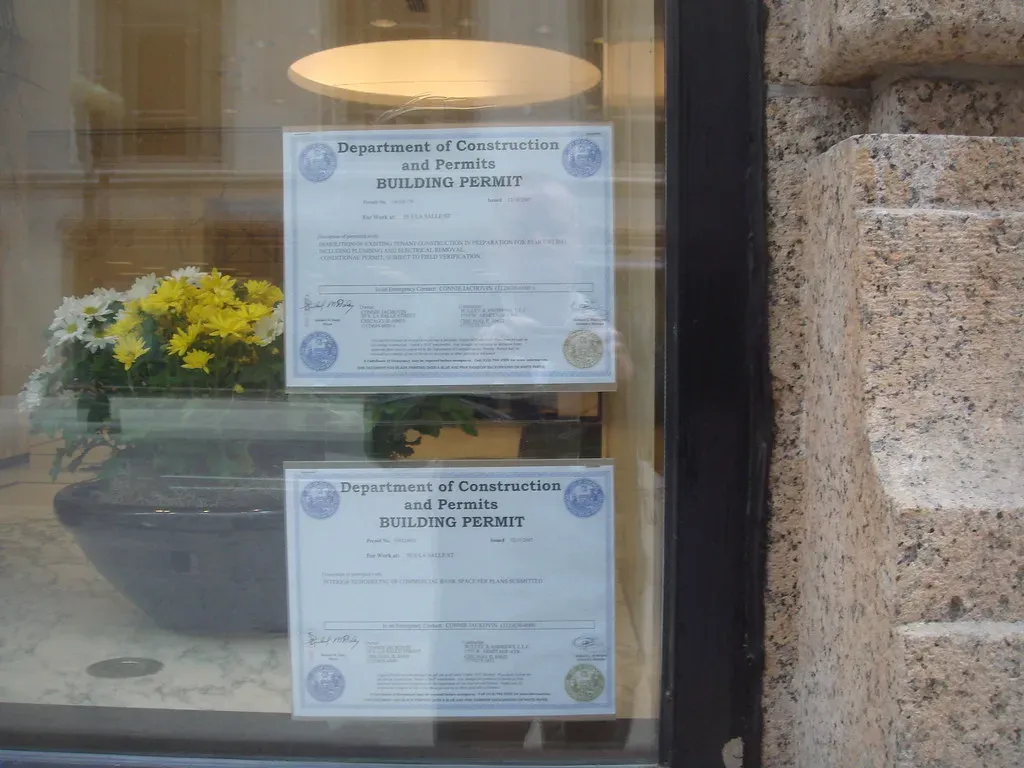
It’s worth being clear about something that often gets lost in the fear around DIY plumbing: doing the work yourself isn’t automatically the problem. DIY plumbing work itself is not automatically disqualifying for insurance coverage, but unpermitted work is, and pulling a permit, doing the work, and passing inspection generally means the policy covers resulting damage. The permit is what creates the paper trail insurers rely on.
That paper trail matters more than most homeowners realize, and it doesn’t disappear over time. A failed inspection record, or the absence of any inspection record where one was required, can affect a claim even years after the work was performed, and unpermitted work can constitute material misrepresentation or a breach of policy conditions under many standard policies. Beyond the immediate claim, there are wider consequences worth knowing. Claims and their outcomes stay on a property’s CLUE report for seven years, meaning a denied claim linked to unpermitted work becomes visible to every insurer who pulls the report, which can lead to higher premiums or outright denials from other companies. Given how widespread the issue already is, with one expert saying up to 50% of homes in the US have some form of unpermitted work on site, pulling a permit before starting any real plumbing project is less about bureaucracy and more about keeping a future claim from falling apart at the worst possible moment.




Leave a Reply