
The Smurfs: The Gentle Giant That Ruled NBC
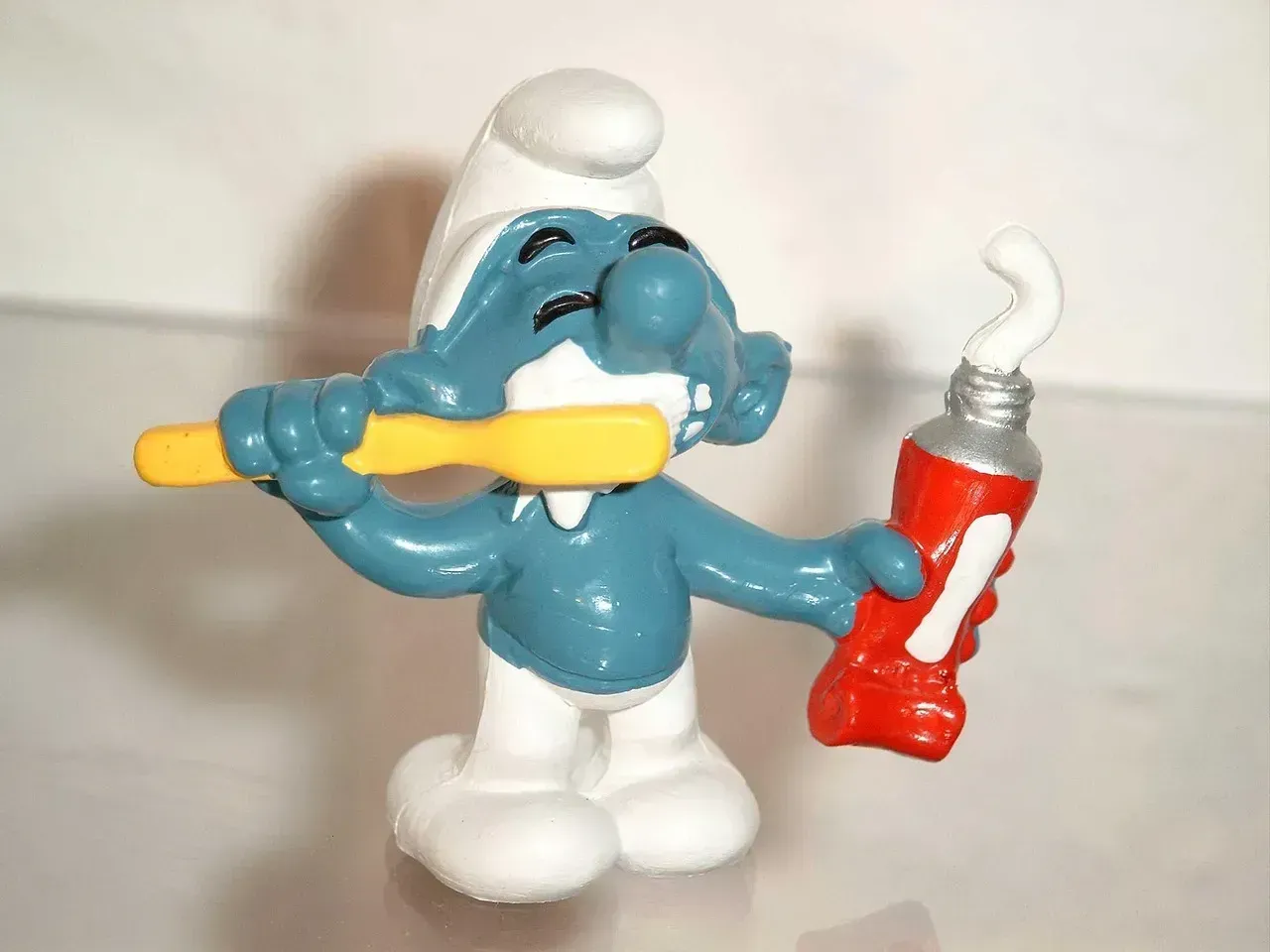
Long before superheroes and giant robots took over Saturday mornings, tiny blue forest dwellers quietly rewrote the rules of children’s television. The Smurfs animated series debuted on Saturday morning of September 12, 1981, capturing forty two percent of the audience, making it the most highly rated children’s program in more than eight years. That kind of number simply doesn’t happen in kids’ programming, then or now.
The idea itself came from an unusually personal place. NBC President Fred Silverman’s daughter Melissa had a Smurf doll he had bought her while visiting Aspen, Colorado, and Silverman thought a series based on the Smurfs might make a good addition to the Saturday morning lineup. The show ran for the better part of a decade, and it aired on NBC from September 12, 1981, to December 2, 1989, composed of 256 episodes with 417 stories. Papa Smurf’s wisdom, Gargamel’s endless scheming, and that unmistakable blue village became shorthand for Saturday morning itself.
He-Man and the Masters of the Universe: The Toy Commercial That Became a Legend
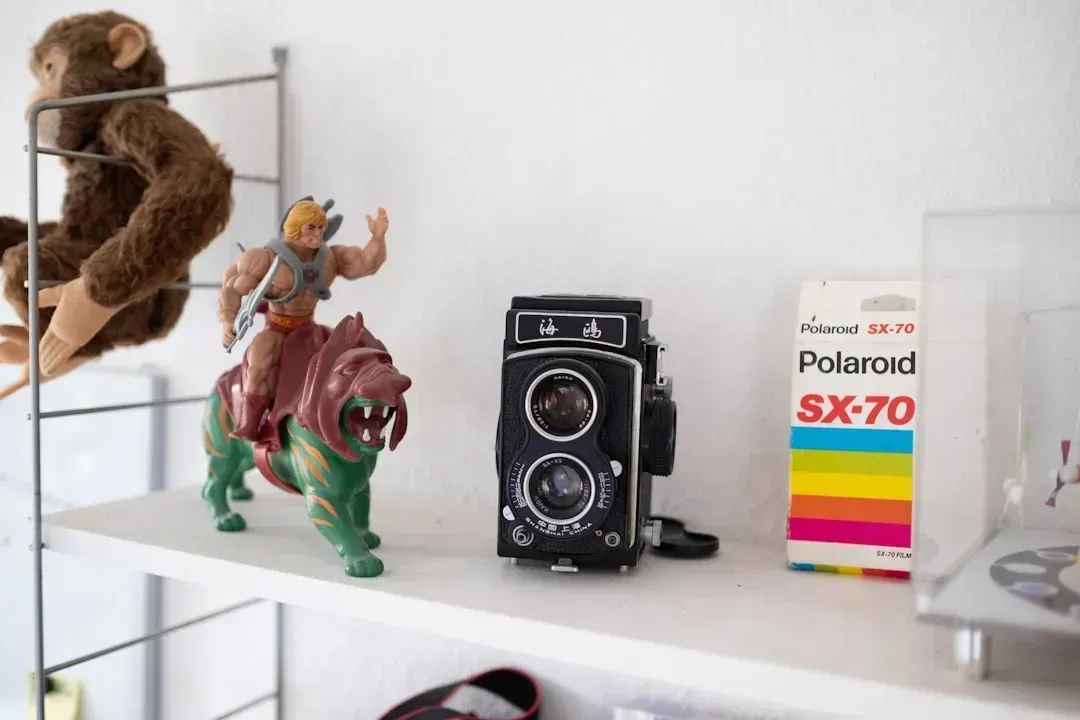
No cartoon on this list carries quite the same weight of nostalgia as this one, and its origin story is almost as dramatic as anything Skeletor ever plotted. The animated series He-Man and the Masters of the Universe made its television debut on September 5, 1983, with the episode “The Diamond Ray of Disappearance”. It arrived through an unusual distribution method too, since it was one of the first animated series produced directly for weekday syndication, as opposed to reruns primarily based on Saturday mornings, though it still found its way into countless weekend lineups through reruns.
Its cultural footprint was enormous almost immediately. By mid-1985, it was airing on 152 stations across the U.S., and was the most popular syndicated program with children 2 to 11 with a 10.9 rating in that demographic. Prince Adam’s transformation into He-Man, his tiger Cringer becoming Battle Cat, and the eternal standoff with Skeletor over Castle Grayskull gave kids a mythology they could act out in the backyard for years. Its success in syndication greatly influenced other animation houses to produce half hour cartoon commercials, and considerably changed the syndicated cartoon market, which is really just a formal way of saying it opened the floodgates for everything else on this list.
Transformers: Robots in Disguise, Grief in Real Life

Few cartoons managed to sell a toy line while also, somewhat accidentally, teaching an entire generation about loss. More than any other media which Transformers have invaded over the decades, it is the original cartoon that ran from 1984 to 1987 that captured the imagination of children and the young at heart worldwide. The premise was simple enough for a five year old to grasp instantly: giant alien robots that could disguise themselves as cars, trucks, and jets, locked in an endless war.
The show’s foundation was set from the very beginning. The cartoon, along with the Marvel comics, established the basic story that most other incarnations were to follow, two warring factions of robots on the planet Cybertron leaving in search of resources. Optimus Prime became a stand in for decency and leadership in a way that stuck with kids well past childhood, and the 1986 theatrical movie’s shocking decision to kill him off remains one of the most talked about moments in 80s animation.
G.I. Joe: A Real American Hero, and a Lesson at the End of Every Episode
Military action cartoons could have easily felt hollow, but this one built in a strange kind of self awareness that made it memorable for reasons beyond the toys. The series had to abide by children’s programming standards at the time, so characters used laser guns instead of actual firearms, with red lasers for the good guys and blue for the bad ones, and no one was ever killed on screen. Cobra Commander schemed, failed, and schemed again, week after week, and somehow it never got old.
What really cemented the show in cultural memory, though, was its closing ritual. The line “now you know, and knowing is half the battle” closed out every episode, and those PSAs are permanently etched into the memory of anyone who watched. Even people who could not name a single Cobra villain today can usually still recite that phrase without thinking.
ThunderCats: The Cartoon That Bet Big and Won
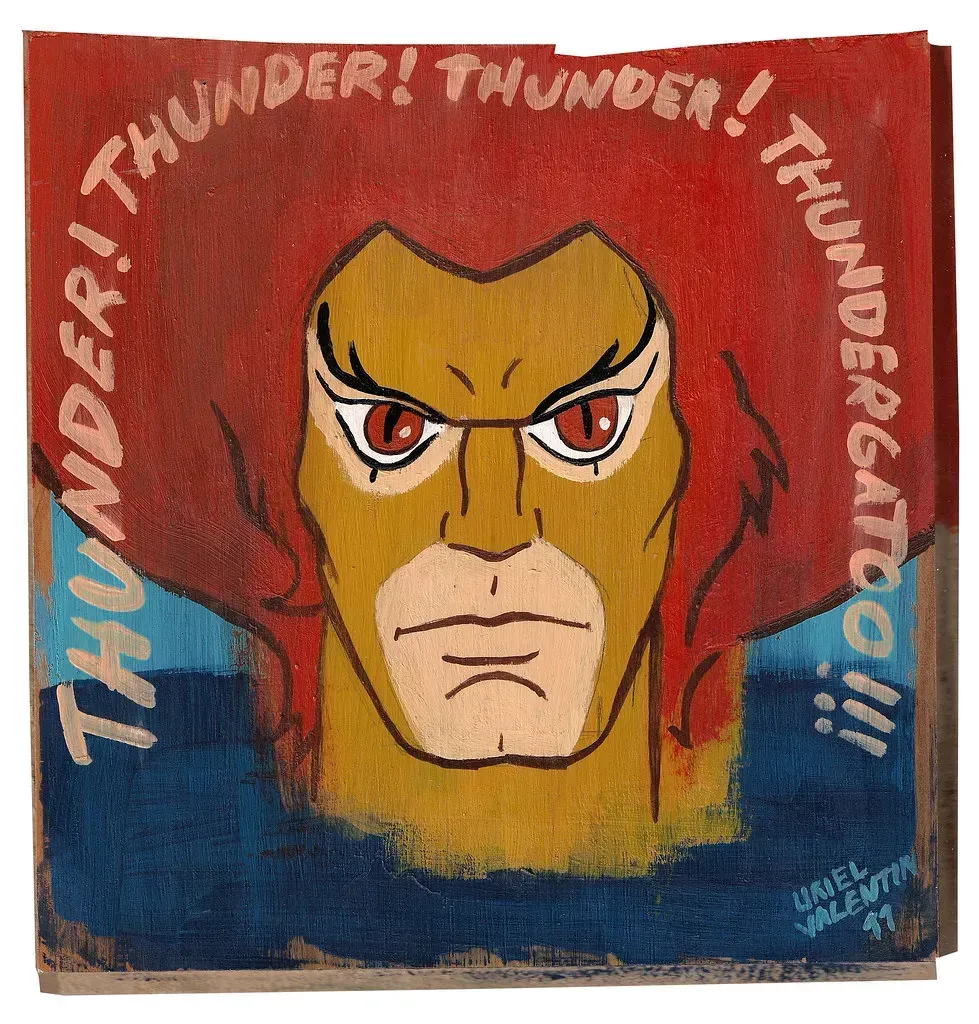
By 1985, toy based cartoons were already big business, but ThunderCats pushed the model further than anyone had tried before. He-Man and Transformers had already made millions for their studios and toy companies, so the producers of ThunderCats went all in, getting stations to agree to air it in key timeslots in exchange for a cut of toy sales, which justified a then whopping fifteen million dollar budget for the first season. That gamble paid off in a big way.
The show premiered with a striking premise for its time. ThunderCats premiered on September 9th, 1985, following humanoid cat aliens forced off their dying planet of Thundera, who make their way to Third Earth and are quickly pursued by the evil Mutants of Plun-Darr chasing the Eye of Thundera embedded in the Sword of Omens held by Lion-O. Lion-O’s battle cry became instantly recognizable, and the show’s blend of science fiction and sword and sorcery gave it a visual identity that stood apart even among a crowded field of toy driven cartoons.
Teenage Mutant Ninja Turtles: The Cartoon That Closed Out the Decade
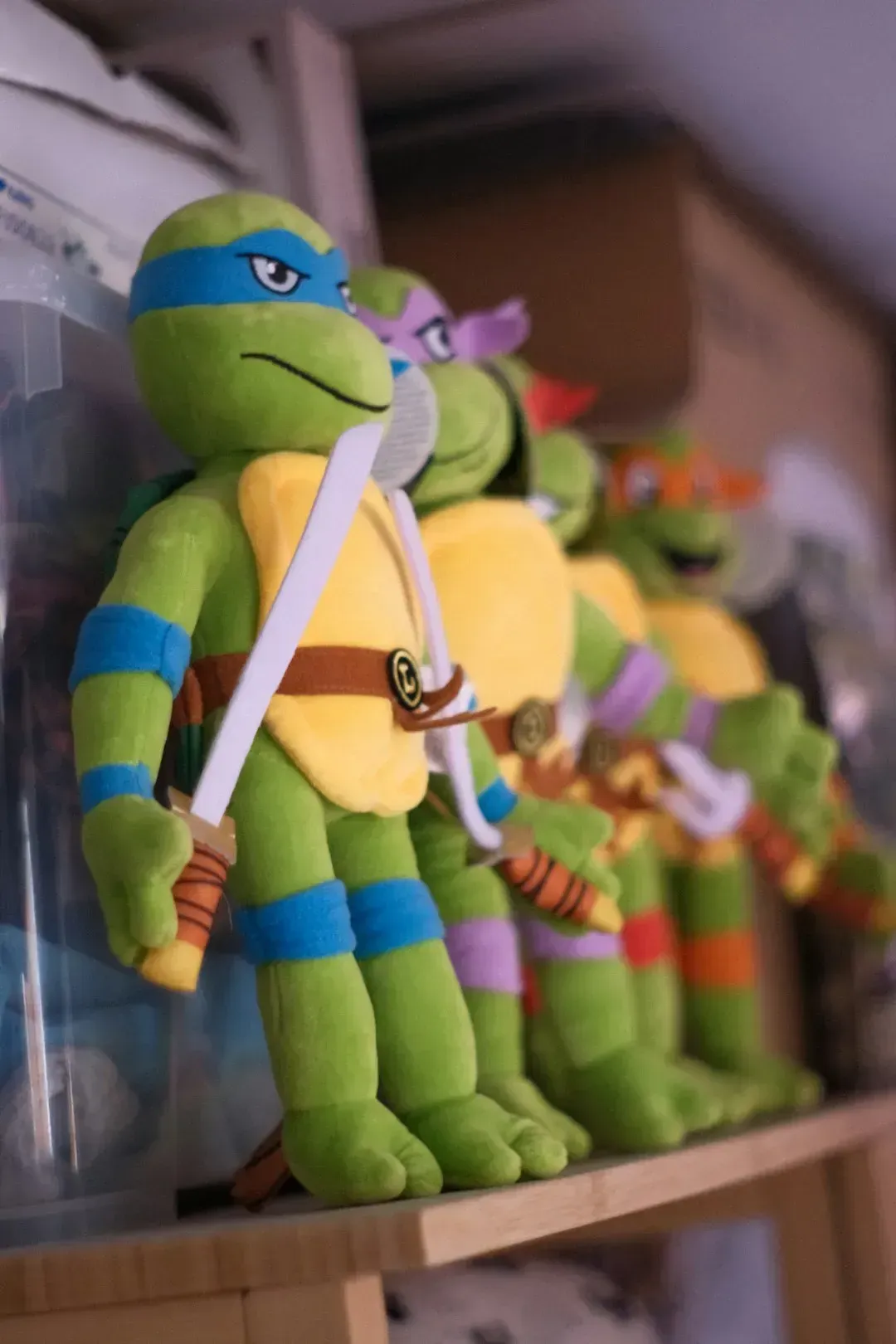
By the time this one arrived, the Saturday morning cartoon formula was already well established, but somehow four mutant turtles managed to feel completely fresh. The pilot was shown during the week of December 14, 1987, in syndication as a five part miniseries, and the show began its official run on October 1, 1988. It grew into a genuine phenomenon almost overnight.
The scale of its popularity is still impressive by any measure. By 1990, the series was being shown daily on more than 125 television stations, and it eventually found a home on network television too, since the first three seasons were aired in syndication before CBS aired the rest of the series on Saturday mornings. Leonardo, Michelangelo, Donatello, and Raphael, along with their love of pizza and their fight against Shredder, gave the decade one last defining hit before the golden age of Saturday morning cartoons began winding down in the early 1990s.
A Ritual That Outlived Its Own Timeslot





Leave a Reply