
Canada rarely gets described as compact, and for good reason. It is the second largest country on the planet by land area, yet it somehow folds glacial mountains, French colonial streets, and Atlantic fishing harbours into destinations that sit only a short flight apart. Canada is the second-largest country on earth by total area, yet somehow it manages to pack wildly different worlds into a single national border, so you can stand beside a glacial lake in the Rockies in the morning and eat fresh Atlantic lobster by a harbour boardwalk a flight later.
That range is exactly why ranking Canadian cities by beauty is such a stubborn exercise. Everyone who has actually travelled the country tends to end up with a slightly different order, though a handful of names keep resurfacing no matter who is doing the ranking. Tourism in Canada generated $129.7 billion in revenues in 2024 and contributed $50.8 billion to the country’s GDP, making it one of the fastest-growing sectors that year, and much of that momentum is tied directly to the cities on this list.
Quebec City, Quebec: The most European corner of North America
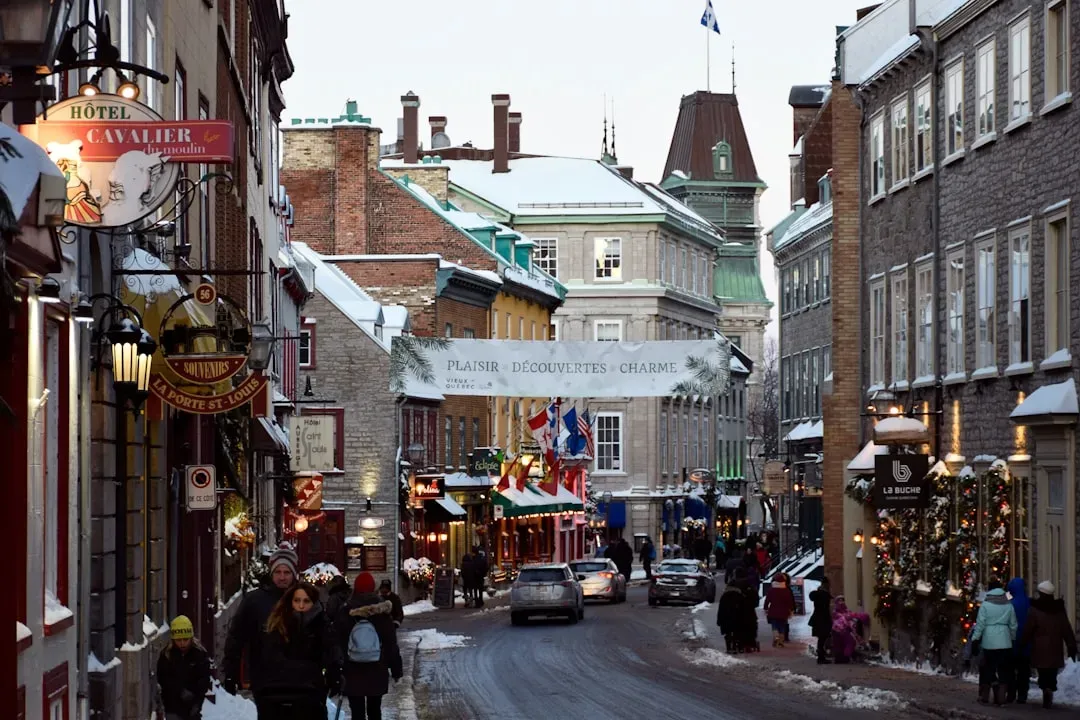
Quebec City has a habit of showing up on best-of lists year after year, and the streak has become almost predictable at this point. It was named in the annual list of reader-favourite cities in Canada for the tenth time in a row, with readers citing the French architecture, winding streets, food and shopping, the historic atmosphere of Vieux-Quebec, and the UNESCO World Heritage-listed old town as the reasons it keeps winning people over.
Walking through Old Quebec still feels a little like cheating on a European vacation without the transatlantic flight. This charming destination on the St. Lawrence River draws visitors in with its centuries-old stone buildings that make up Old Quebec, a UNESCO World Heritage Site, while aromas of freshly baked bread and brewing espresso fill the cobblestone streets of the Quartier Petit-Champlain. Some travellers plan their trip around the summer festival season, while others swear the city only reveals its full charm once the snow settles in.
Vancouver, British Columbia: Mountains, ocean, and everything between
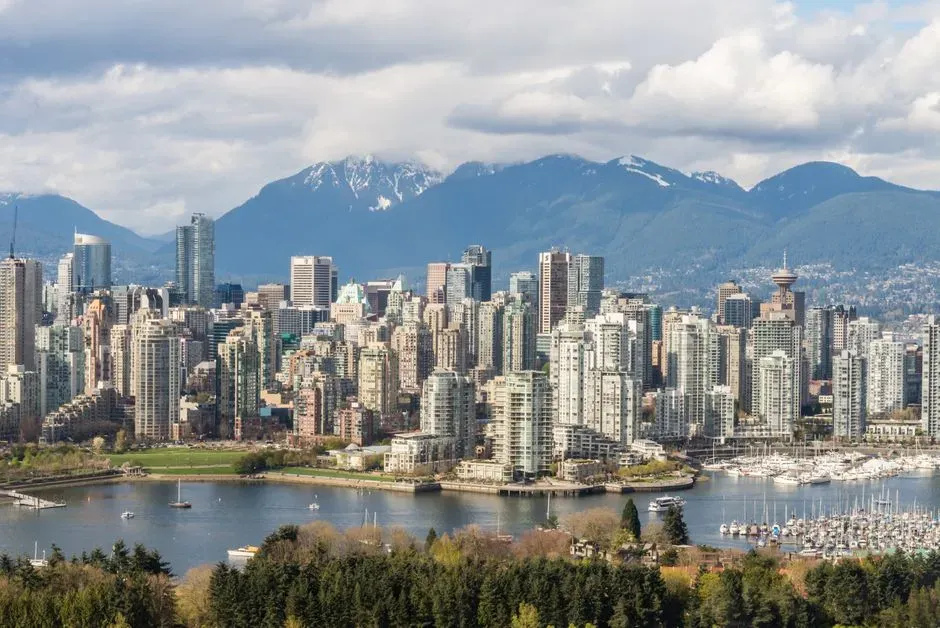
Vancouver’s origin story is more colourful than most people realize. Vancouver was founded as “Gastown” by an Englishman with a penchant for beer and storytelling, and that early neighbourhood has aged into one of the city’s most charming pockets rather than fading into history. Today it sits alongside a downtown core that manages to feel both dense and remarkably close to wilderness.
The clearest proof of that balance is Stanley Park, which borders the skyline without feeling like an afterthought. Stanley Park alone covers over 400 hectares of urban forest right beside the downtown skyline, which is a combination few cities on the planet can match. It is the kind of detail that makes Vancouver hard to compare fairly to almost anywhere else in the country.
Victoria, British Columbia: The world’s best small city, three years running
Victoria has quietly built one of the more impressive reputations in global travel circles. Victoria was voted the number one small city in the world by Condé Nast Traveler readers three years in a row, in 2023, 2024, and 2025, which is not a small feat when readers are comparing it against small cities from every corner of the globe. That kind of repeated recognition tends to happen only when a place genuinely delivers on the experience.
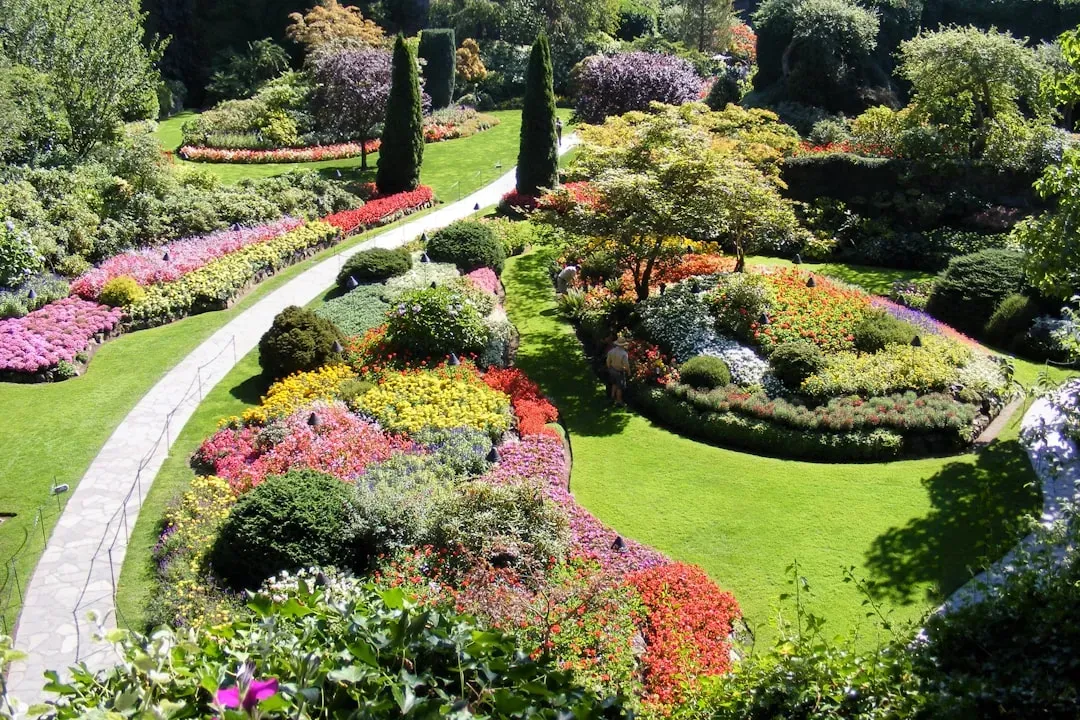
Part of the draw is the sheer density of heritage and gardens packed into a modest footprint. The famous Butchart Gardens alone offer over 55 acres of meticulously landscaped grounds, designed to bloom throughout all seasons, and the appeal clearly isn’t limited to locals. The city welcomed over one million cruise passengers during the 2025 season alone, a number that keeps climbing as word spreads.
Montreal, Quebec: Culture, food, and a pulse that never quite stops
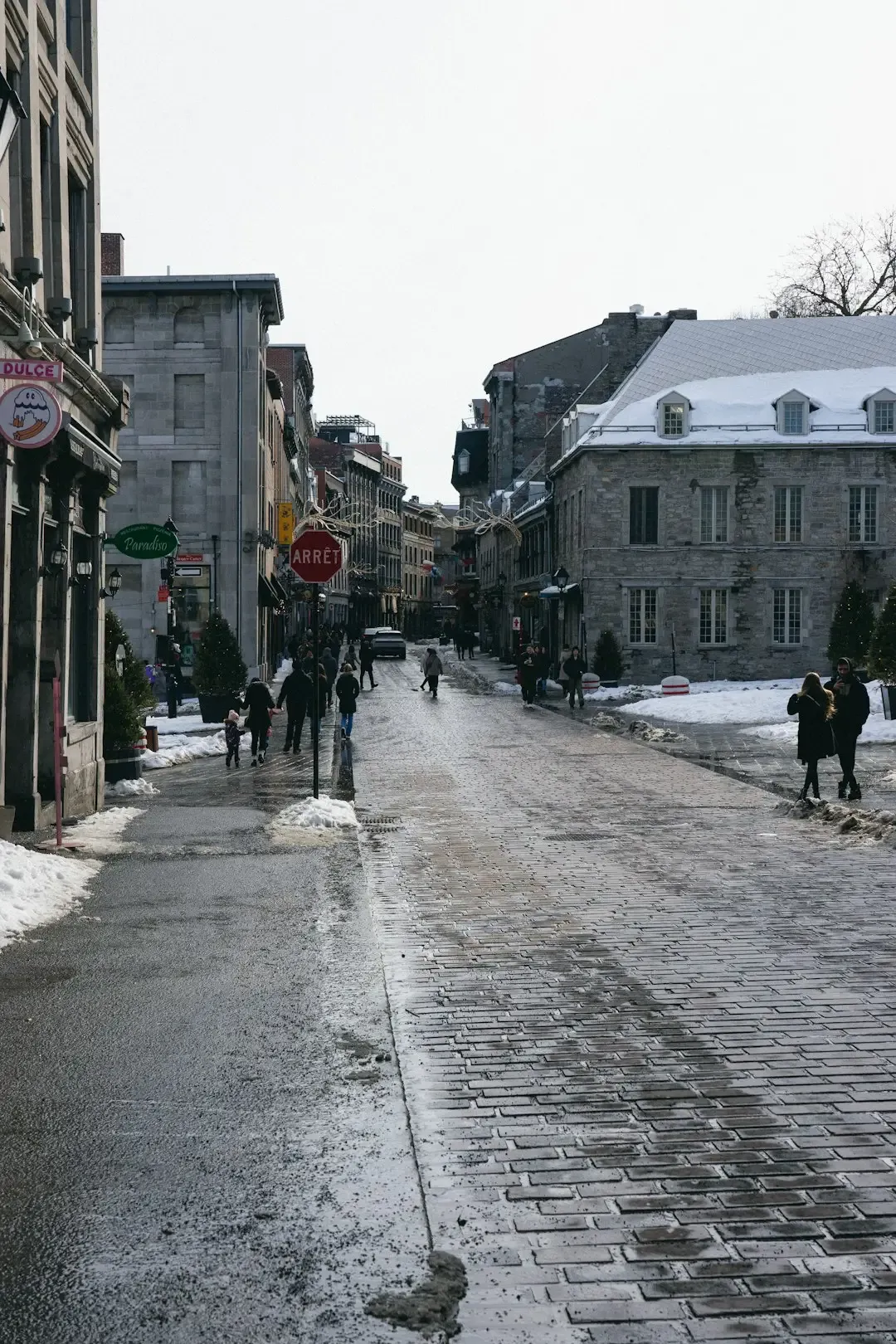
Montreal has spent the last couple of years climbing back into international conversation after a quieter stretch. In Condé Nast Traveler’s 2024 Readers’ Choice Awards, Montreal landed at number nine among the world’s best big cities, a significant jump after missing the list entirely the previous year. The bilingual identity of the city plays a huge role in that appeal, blending French and English influences in a way that feels lived in rather than staged.
What sets Montreal apart from other historic North American cities is how it handles its brutal winters without shutting down. The city’s underground pedestrian network, the largest of its kind in the world, stretches for roughly 33 kilometres, connecting visitors to shops, restaurants, and galleries even in the depths of a Quebec winter. It turns a season most cities simply endure into something closer to an underground adventure.
Banff, Alberta: Where the landscape does all the talking
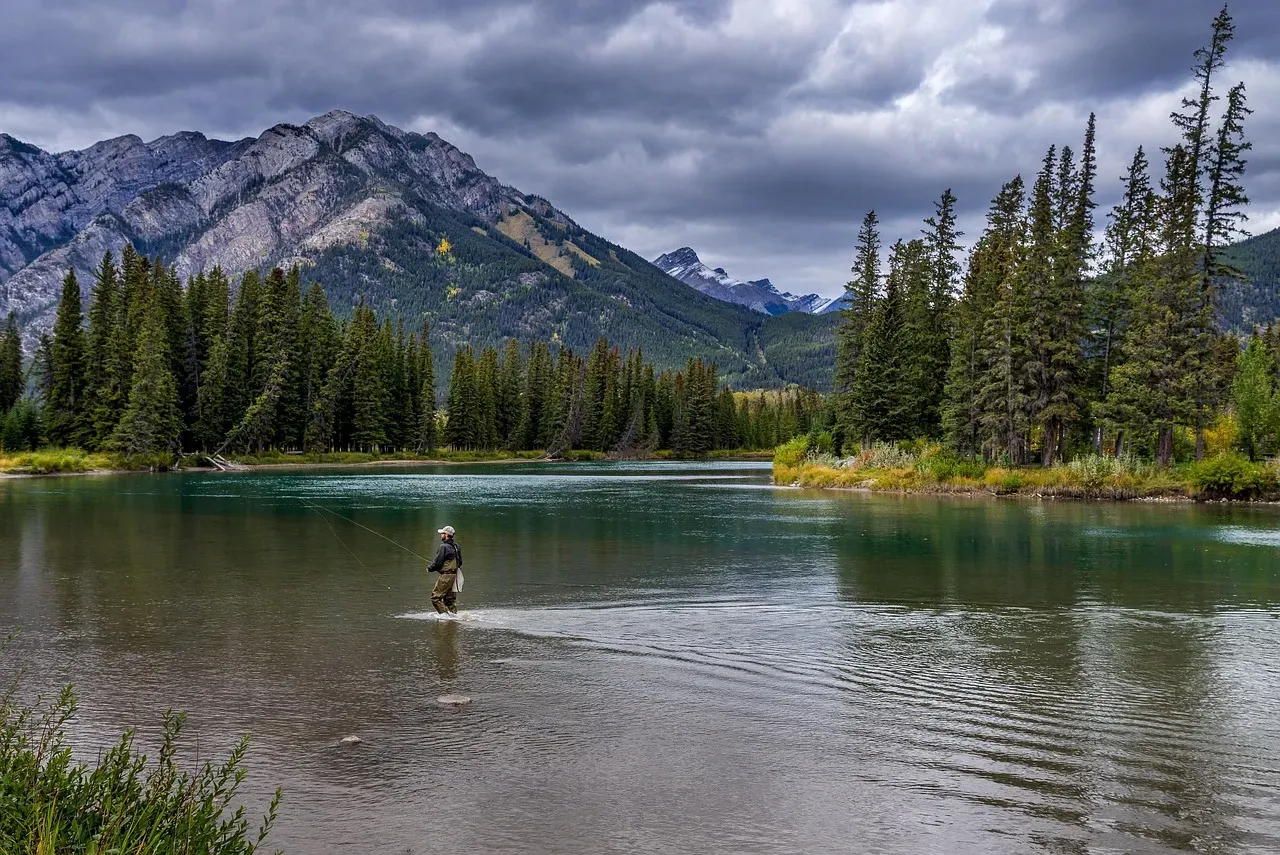
Banff does not need much marketing beyond photographs of itself. Canada’s oldest national park, Banff was established in 1885, and it has spent the century and a half since becoming shorthand for what the Rockies look like at their most dramatic. The irresistible beauty of the landscape invites travellers to immerse themselves in the outdoors year-round, whether hiking through untouched forests and paddling turquoise lakes in summer, or skiing the slopes and soaking in steamy hot springs during winter.
The numbers behind that appeal have only grown in recent years. Tourism in Alberta saw 38.1 million visits generating $14.4 billion in revenue in 2024, and the number of domestic visits to the Alberta Rockies alone reached approximately 5.5 million that same year. Park officials have also noted record visitation at the national park level, which has pushed conversations about managing crowds at spots like Lake Louise and Moraine Lake.
Halifax, Nova Scotia: Atlantic Canada’s most compelling port city
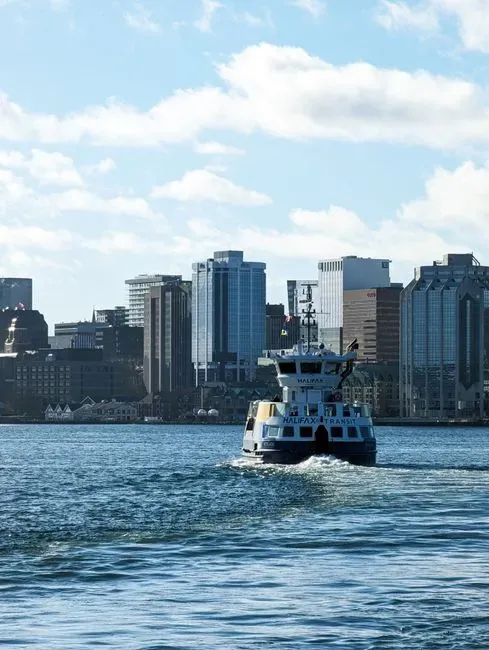
Halifax owes almost everything about its identity to its harbour, and that relationship goes back centuries rather than decades. Halifax owes its existence largely to its location on one of the largest and deepest ice-free natural harbours in the world, which over time made it one of the most important Canadian commercial ports on the Atlantic seaboard. That maritime history is still visible in nearly every part of the downtown core.
Walking the waterfront remains the best way to understand the city’s scale and character. The Halifax Waterfront boardwalk stretches nearly four kilometres along the water, ranking among the longest urban boardwalks in the world. Interest in the region has translated into real economic weight too, since Nova Scotia received over 2 million visitors, generating approximately $3.5 billion in revenue in 2024, with a significant portion of that drawn to Halifax and its iconic waterfront.
St. John’s, Newfoundland: The most colourful city in Canada
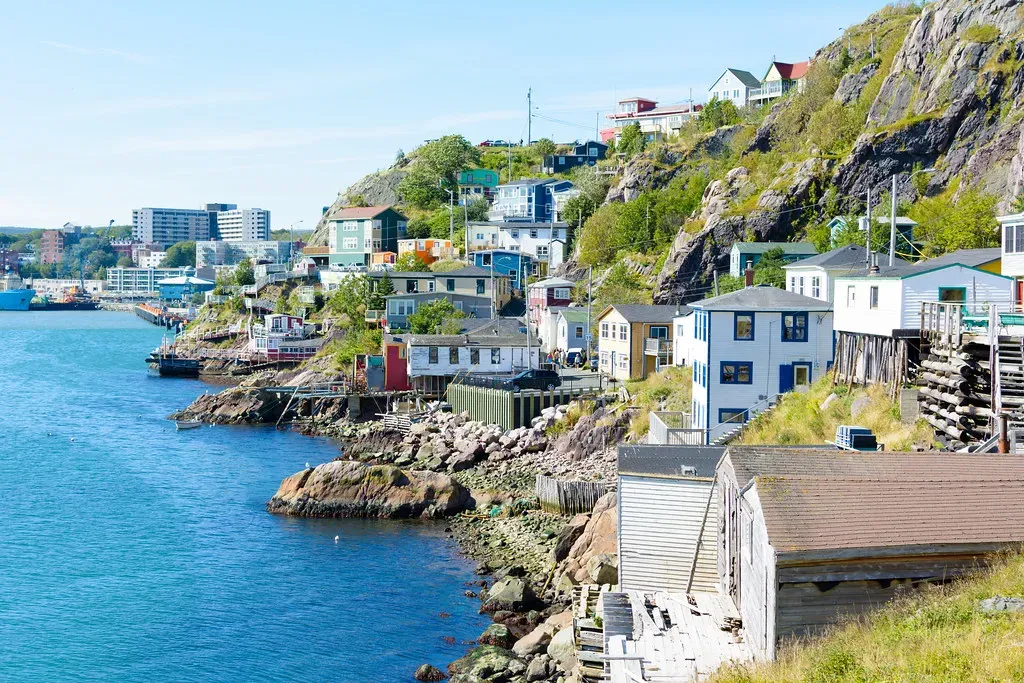
St. John’s rounds out this list as arguably the most visually distinct entry on it. St. John’s is Canada’s most easterly point and arguably its most visually striking city, and the reasons for that reputation are easy to spot from almost any hillside in town. A picturesque neighbourhood in St. John’s known as The Battery features colourful row houses and stunning coastal views that have made it one of the most photographed streetscapes in Atlantic Canada.
The setting itself does a lot of the heavy lifting here, since geography and wildlife overlap in ways that feel almost staged. The city’s geography is dramatic by any measure, perched on a hill above a narrow harbour entrance where icebergs drift past in spring and humpback whales surface in summer. It is a city that earns its reputation quietly, without needing to compete for attention.
Final thoughts
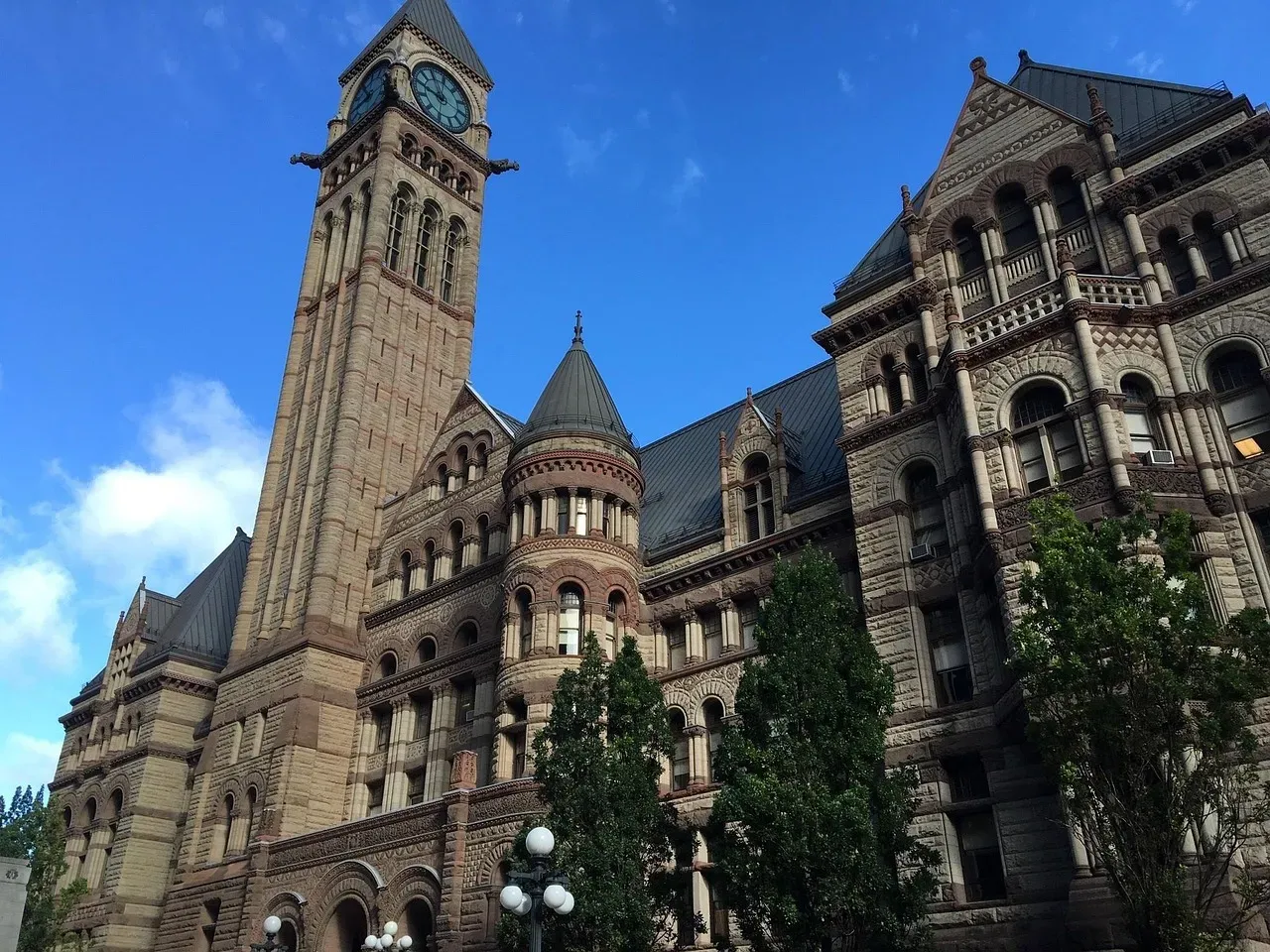
What stands out across these seven cities is how little they resemble each other. Quebec City leans on centuries of stone and cobblestone, Banff leans on nothing but scenery, and St. John’s leans on colour and coastline, yet all seven keep pulling repeat visitors back for different reasons entirely.
That variety is really the point of travelling across Canada in the first place. No single city captures the whole country, but together these seven give a fairly honest picture of why so many travellers keep coming back for more.





Leave a Reply