
Cat breeds carry a lot of baggage. Decades of pop culture references, casual internet chatter, and the occasional bad first impression have built up stereotypes that are hard to shake. A Siamese is “dramatic.” A Persian is “cold.” A Sphynx is “creepy.” These labels travel fast and stick around long after they’ve been proven wrong by millions of actual owners.
The truth is, while cat breeds have tendencies towards certain behaviors and demeanors, no two cats are quite the same, and a cat’s personality depends on their upbringing and early socialization as well as their breed. With that in mind, here are seven breeds that are routinely misread, and what their owners actually say about living with them.
1. The Sphynx: Creepy Villain Cat or Ultimate Cuddle Monster?
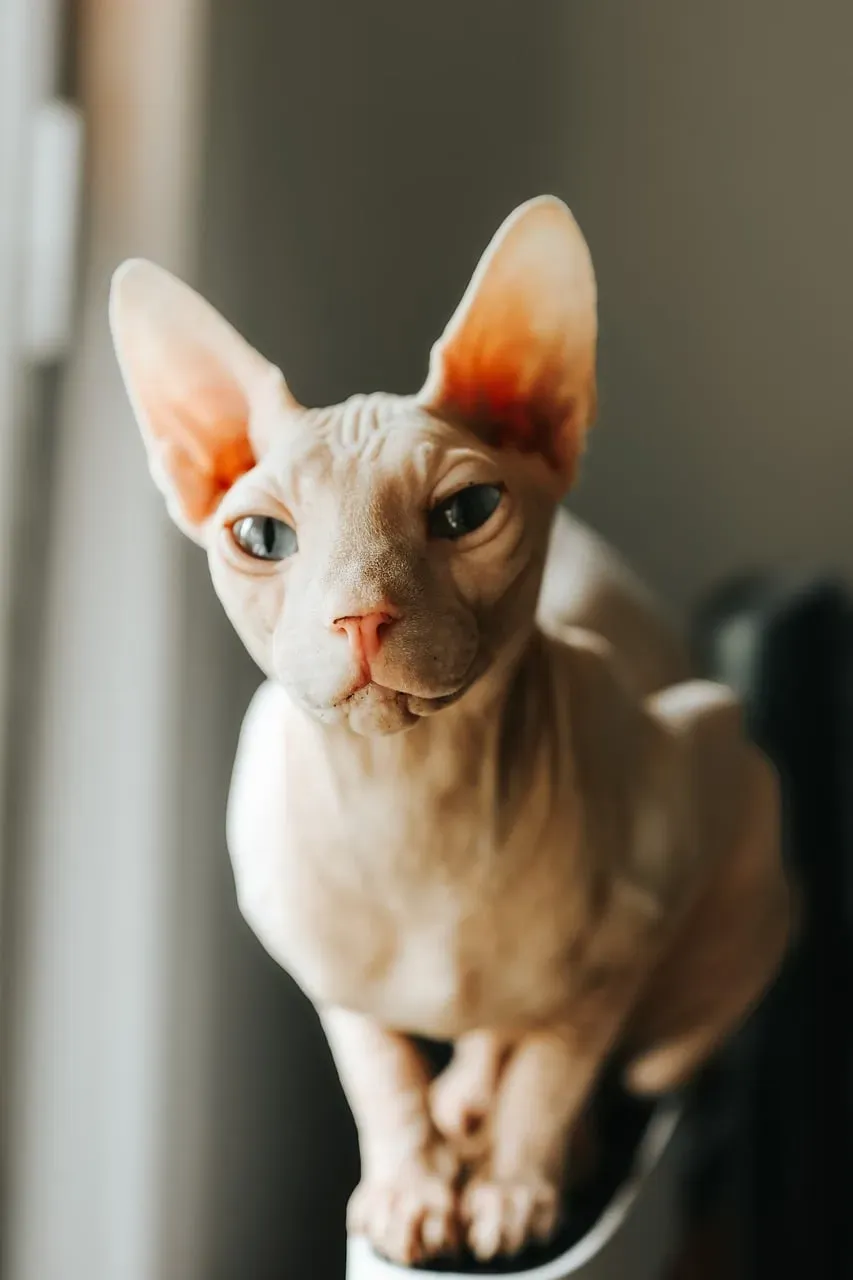
Few cat breeds generate as much fascination or hesitation as the Sphynx. Their hairless appearance, defined cheekbones, and oversized ears make them instantly recognizable. Some people fall in love at first sight, while others aren’t quite sure what to think. Move past first impressions, though, and you discover a breed with surprising warmth, intelligence, and affection.
Sphynx cats aren’t the type to nap quietly in the corner or come around only when it’s mealtime. They want to be part of everything you do. They’ll follow you around the house, curl up under your blanket, and often act more like a dog than a cat. They greet guests, they demand attention, and many even learn to play fetch. Because they lack fur, they crave warmth in blankets, laps, clothing, your shoulder, and sunbeams.
2. The Russian Blue: Cold and Distant, or Just Picky About People?
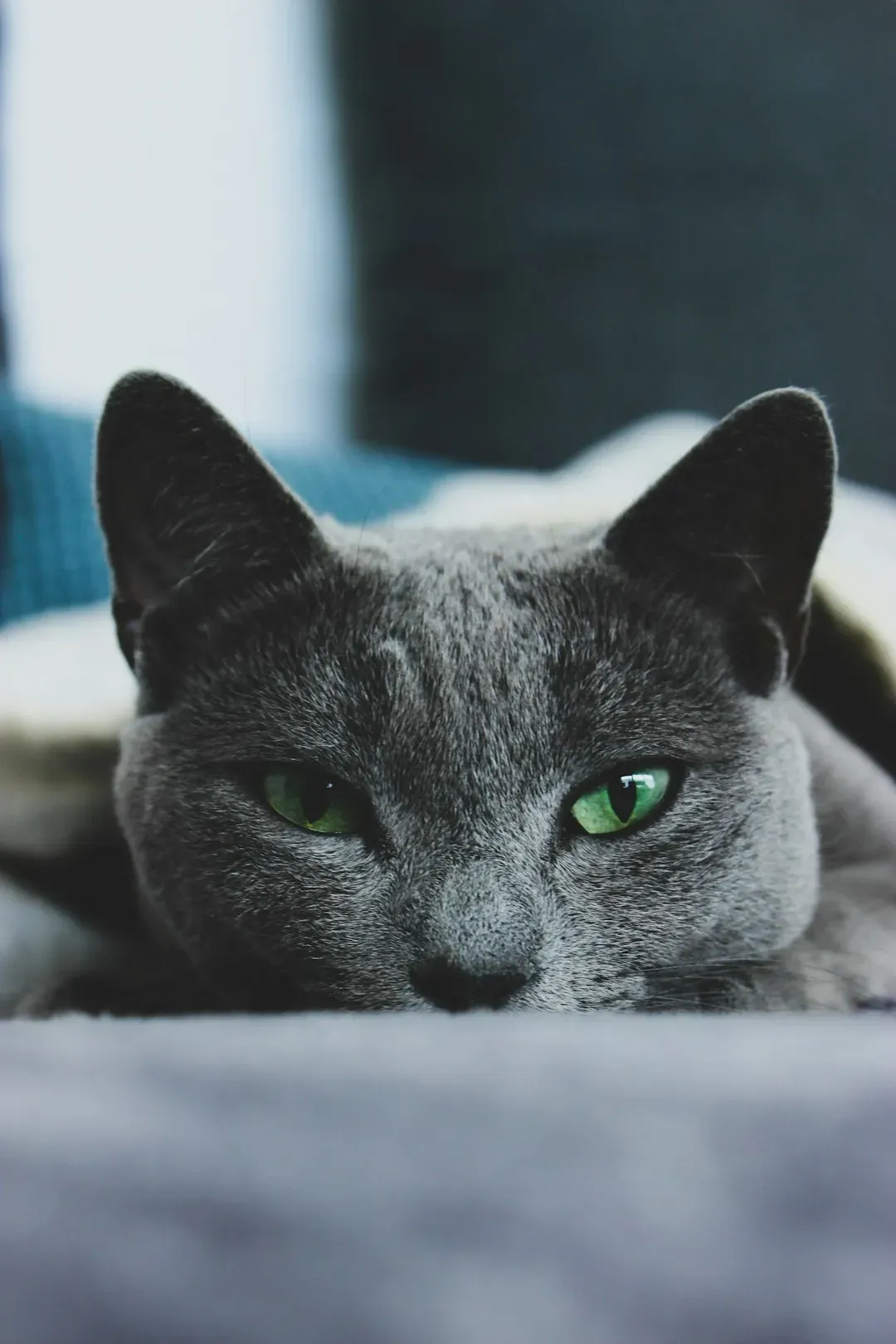
The Russian Blue is the ultimate “one-person” cat. They have that name because they are, well, blue – silvery-blue, to be exact. They are usually seen sporting a permanent “Mona Lisa” smile. Most of the time they appear reserved and aloof to strangers, and they are certainly not the type to bolt to the door and scream for attention when guests arrive.
That reserve, however, evaporates entirely with the people they choose to trust. Much like the Siamese, the Russian Blue is very vocal, and will use her voice to communicate when she wants to play, eat, or snuggle. She’s both observant and persistent, always ensuring her needs are met. She doesn’t adapt well to change such as varying meal times or unknown visitors, but she’ll respond positively if you converse back-and-forth with her on a regular basis, meaning you’re never truly alone when you have one.
3. The Persian: The Resting-Grumpy-Face of the Cat World
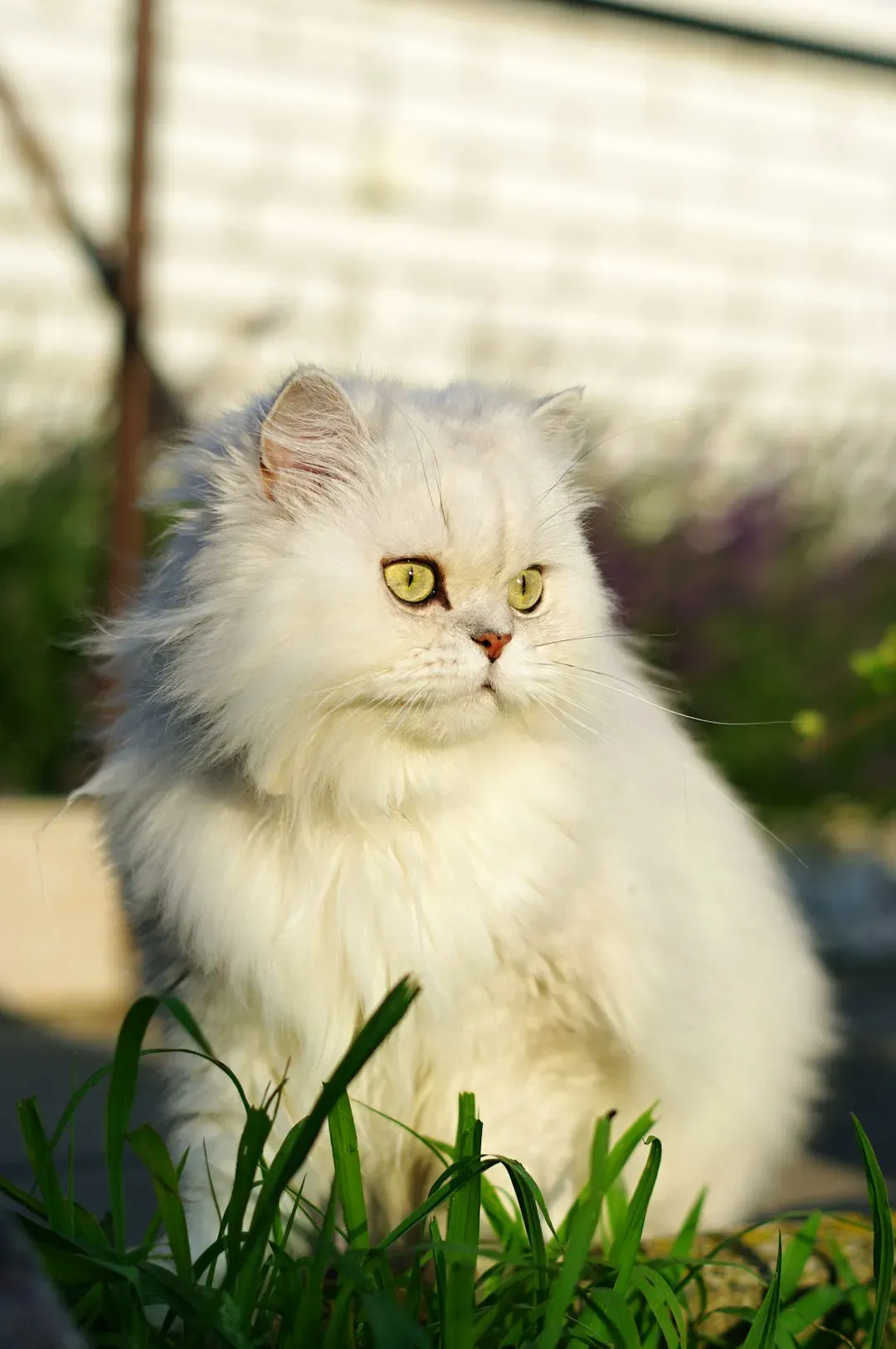
While Persians have a petite muzzle that lends itself to a grumpy look, they tend to enjoy the company of humans. Persian cats will often follow their owners from room to room and frequently become lap cats as well. This breed prefers a peaceful environment and appears happiest in a stable, predictable home. Rather than running around all day, they are known to have a relaxed and easygoing nature.
Persians are sometimes perceived as being a bit distant and unapproachable, but this is not a true depiction of their gentle, caring ways. They’ve got a reputation for being a little aloof or reserved simply because they aren’t quick to react, are not often vocal, and are very peaceful in nature. Persian cats can seem standoffish with strangers, but they’re loving, affectionate and loyal once they bond with their owner.
4. The Bengal: Wild-Looking Doesn’t Mean Wild-Natured
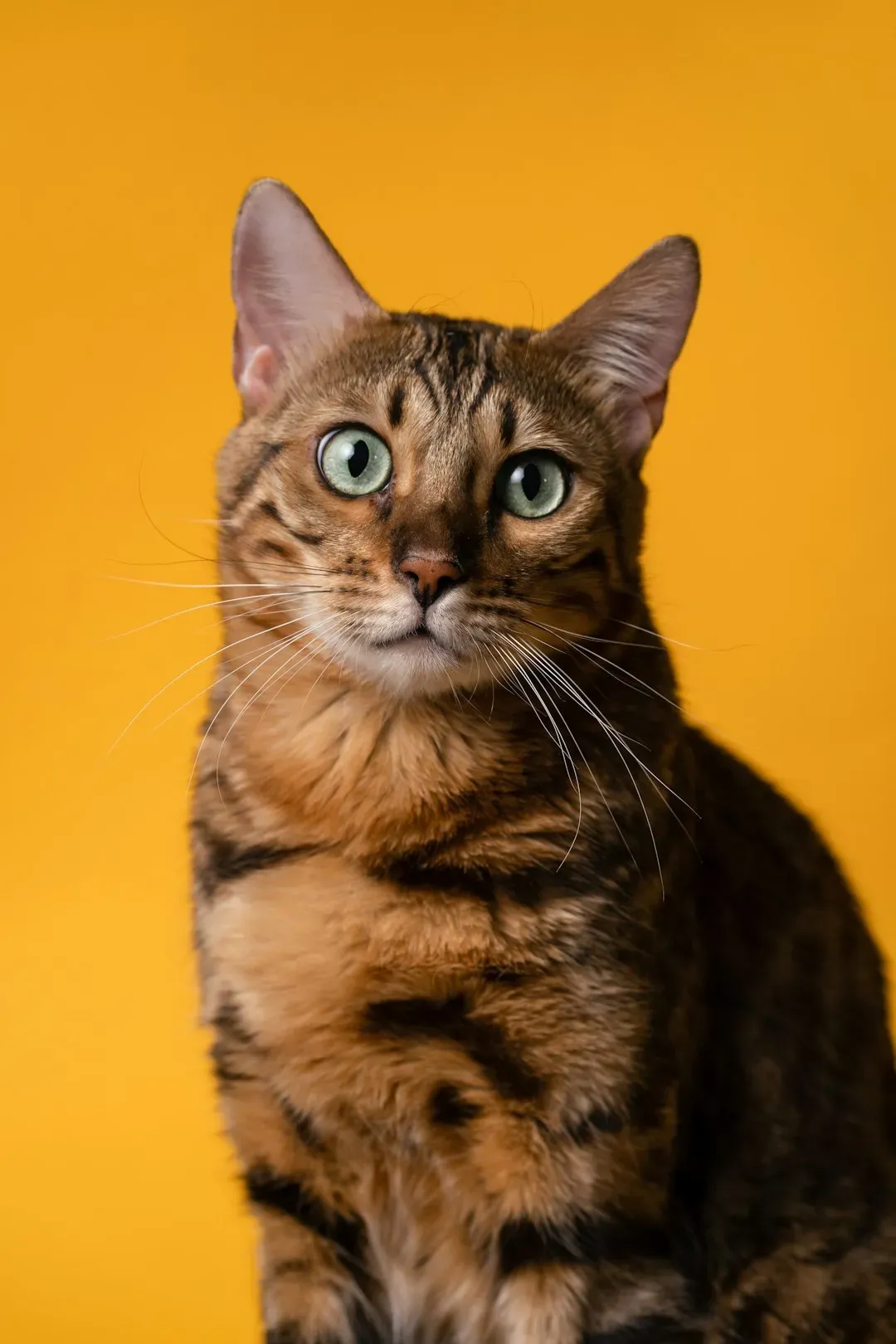
Bengal cats have a wild-looking coat that resembles a leopard, but they are fully domestic and very playful. The confusion around their temperament stems partly from that striking appearance. Many people assume a cat that looks like a miniature wild animal must behave like one. Bengals are often misunderstood, with the common claim being “they’re aggressive,” when in reality they are energetic, not aggressive.
At the simplest level, most Bengals have a lot of personality. In a manner similar to the oriental cat breeds, they are intelligent, lively, and interactive cats, with whom you have a very genuine two-way relationship. They are typically neither an aloof cat who ignores you nor a dull, quiet cat. Many owners report that Bengals can learn to turn lights on and off, open cabinets, and even catch fish from aquariums. They are highly trainable and can also learn to fetch and walk on a leash.
5. The British Shorthair: Standoffish Teddy Bear, or Just Very British?
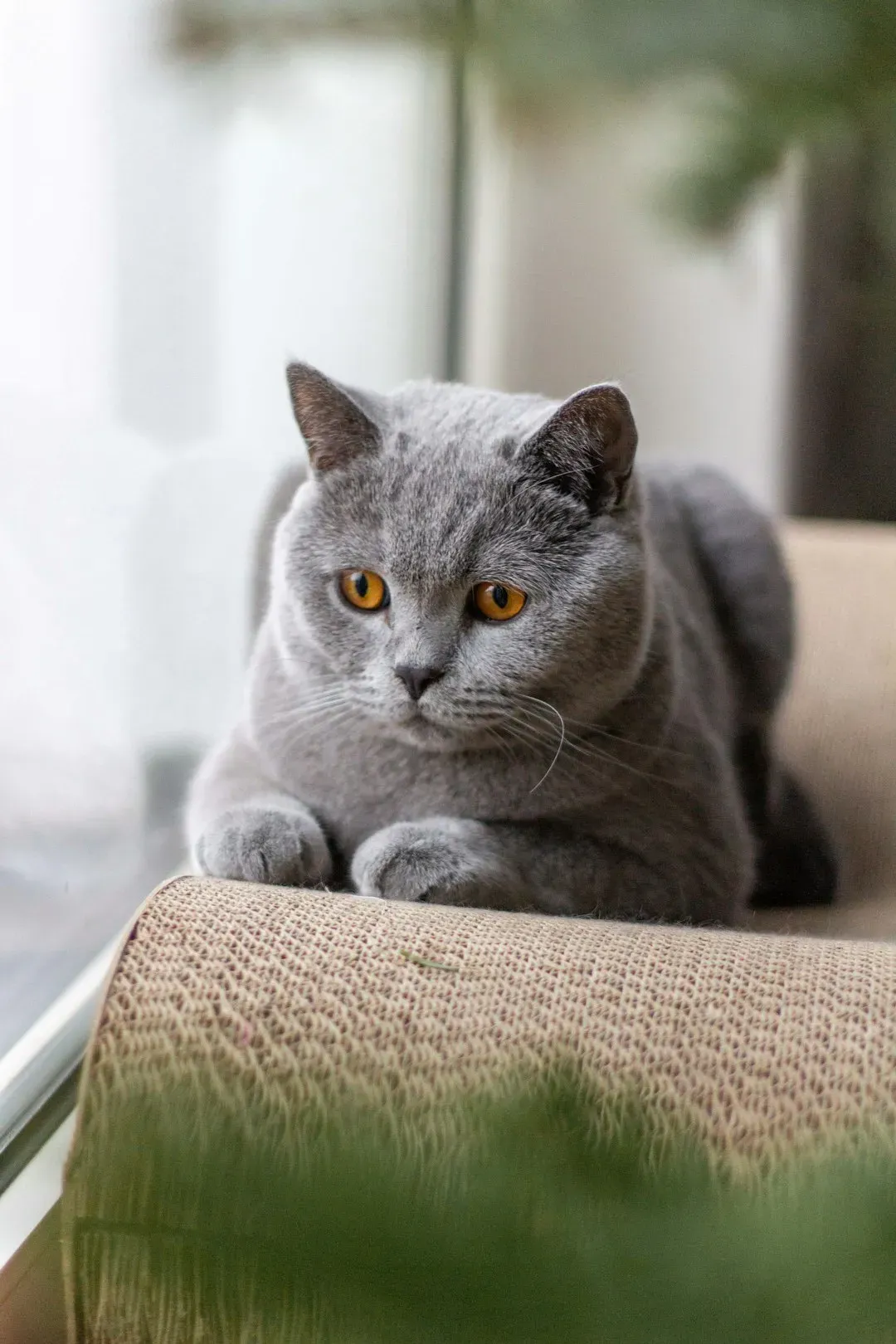
If you’ve ever come across a British Shorthair, you might have heard all kinds of things about their behaviour. “Lazy,” “aloof,” and “cold” are just a few of the adjectives that seem to follow this breed around. Whether these descriptions are really accurate is another matter entirely. The common myth is that British Shorthairs are aloof and uninterested in human company, often painted as cats who would rather be left alone. This is a gross mischaracterisation. British Shorthairs are affectionate, but in a more reserved, dignified way.
This misunderstood breed has an affectionate personality and often follows their owner from room to room, always wanting to be nearby and social. British Shorthairs tend to be absolutely wonderful cats to have around the house, appearing independent but not aloof, and affectionate but not demanding. These cats aren’t aloof, they’re just selective. They won’t fawn over strangers or play the clown for attention, but when they choose you, it means something. Once you’ve earned their trust, it’s yours for good.
6. The Ragdoll: Too Passive to Be Interesting?
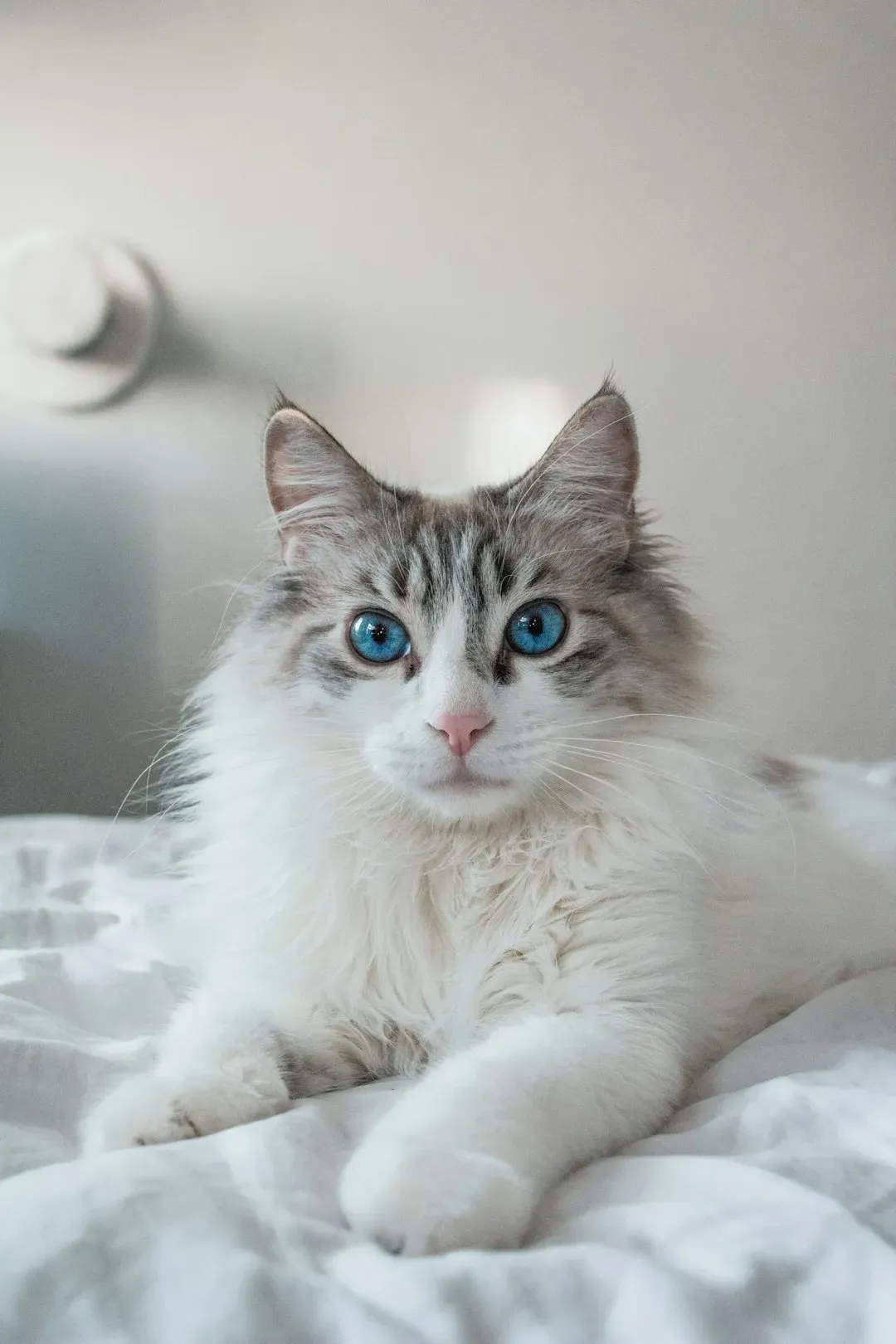
Breed standard material describes the Ragdoll as affectionate, intelligent, relaxed in temperament, gentle, and an easy-to-handle lap cat. The animals are often known as “puppy cats,” “dog-like cats,” or “cat-dogs” because of their placid nature and affectionate behavior, with the cats often following owners from room to room as well as seeking physical affection akin to certain dog breeds.
The reputation for being almost eerily passive has led to some strange misconceptions. The extreme docility of some individuals has led to the myth that Ragdolls are pain resistant, something that is simply not true. Some breeders in Britain have even tried to breed away from the limpness owing to concerns that extreme docility might not be in the best interests of the cat. Owners who live with them day to day tend to find a cat that is deeply present, socially engaged, and far more emotionally nuanced than the passive stereotype suggests.
7. The Siamese: Loud and Difficult, or Just Deeply Attached?
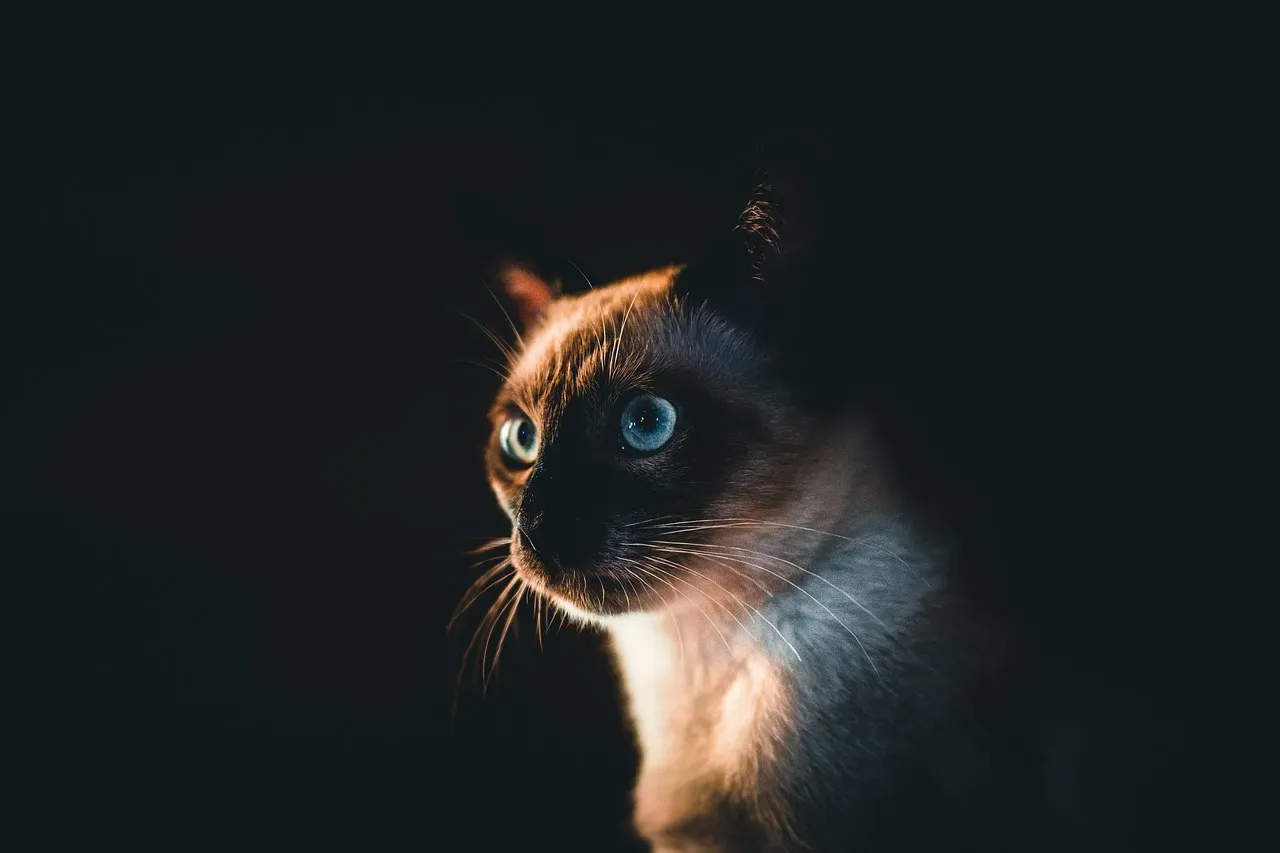
Siamese cats are intelligent, vocal, and demand attention. They form strong bonds with their owners and are known for their social nature. That vocal quality is the main source of their divided reputation. People who haven’t lived with one often hear “loud and demanding” as a warning. Owners tend to hear it differently: the Siamese cat is highly vocal and expressive, very social, forms strong emotional bonds with its owners, and does not like being left alone for long periods.
Siamese cats are famous for their striking blue almond-shaped eyes and their sleek, pointed coat pattern. They are vocal and affectionate, and often form strong bonds with their human companions. The “difficult” label typically comes from owners who weren’t prepared for a cat with such a strong need for connection. For someone who actually wants an emotionally present, communicative companion, the Siamese delivers in a way few other breeds can match. Breed tendencies are real, but every cat’s personality ultimately depends on their upbringing and early socialization. That’s worth remembering before writing off any breed based on reputation alone.




Leave a Reply