
Passport strength rarely makes headlines the way currency swings or interest rate decisions do, yet it shapes daily life for millions of travelers, students, and business owners. A person’s birthplace still determines, in large part, how far they can go without paperwork, appointments, or waiting rooms. Every few months the numbers shift again, sometimes by a single destination, sometimes by whole rank positions, as governments quietly renegotiate visa agreements behind the scenes.
This year has brought some notable movement at both ends of the spectrum. A handful of countries keep climbing while others remain stuck exactly where they were a decade ago, or worse. What follows is a closer look at the passports currently offering the most freedom of movement, along with three that offer the least.
Singapore – the undisputed number one
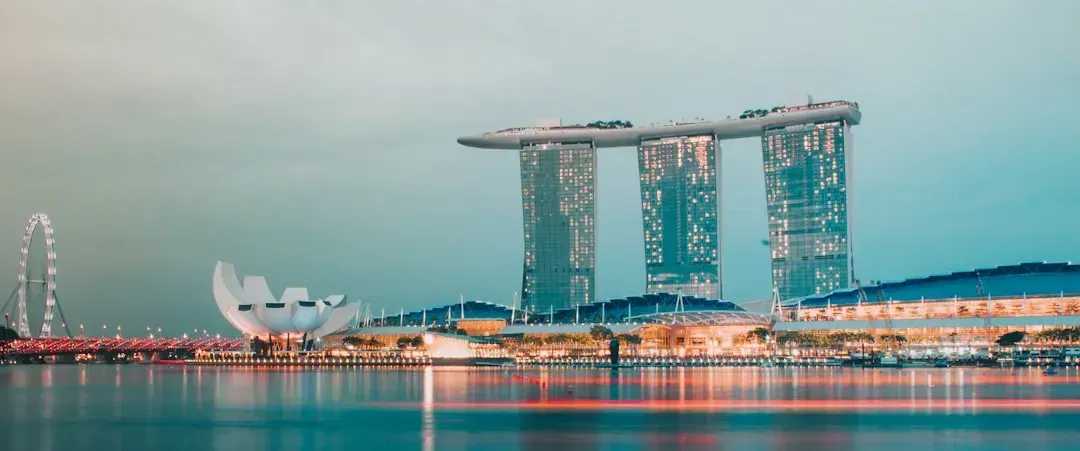
Singapore has held the top spot on the Henley Passport Index for several years running, and the 2026 data confirms it is not letting go anytime soon. According to the most recent quarterly update, Singapore remains in first place worldwide, with access to 192 destinations without needing a visa in advance, unchanged at 192 destinations. That figure has stayed remarkably stable across the year’s updates, suggesting the city state’s diplomatic position is settled rather than shifting.
What makes this consistent lead notable is that Singapore is a small nation without the sprawling colonial-era treaty networks that once defined passport power. Singapore leads for the third consecutive year, a run that reflects years of careful bilateral negotiation rather than sheer geopolitical weight. For context, out of 227 tracked destinations worldwide, Singaporean travelers can enter more than four out of every five without prior clearance.
Japan – Asia’s longtime powerhouse
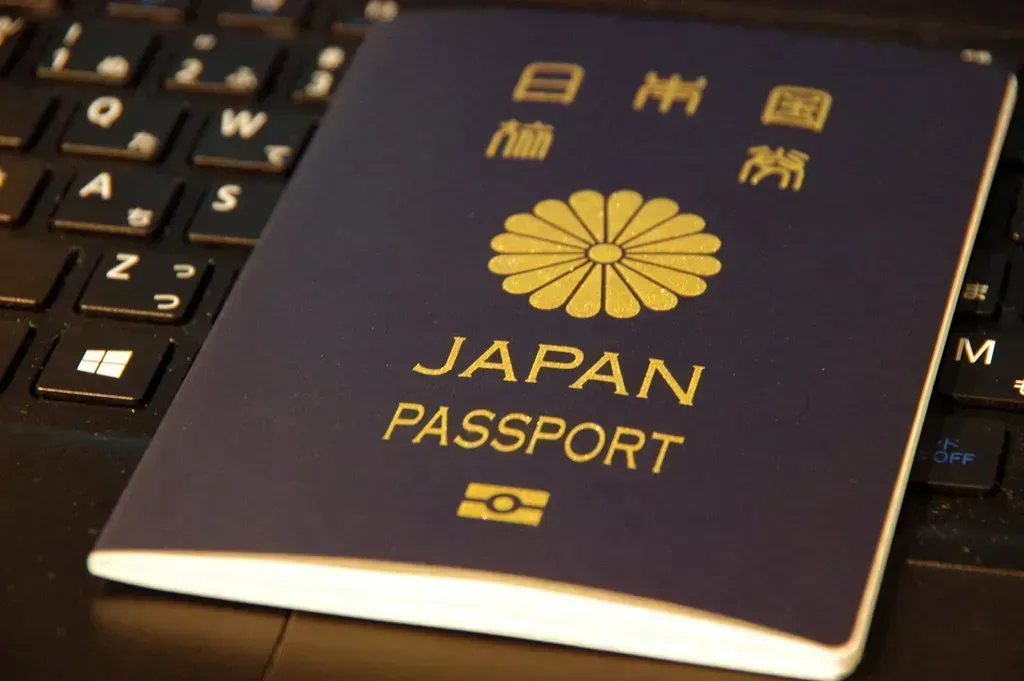
Japan has spent much of the last decade trading the top position back and forth with Singapore, and it remains firmly inside the elite tier today. Japan, South Korea, and the United Arab Emirates gain one destination, rising from 187 to 188 in the latest update, placing all three in a tie for second place worldwide. This puts Japanese travelers within striking distance of Singapore, separated by only a handful of destinations.
Japan’s rise did not happen overnight. By the late 2010s, Japan had occupied the no.1 spot on the Henley Passport Index multiple times, and it has never really left the conversation since. The country’s dense network of trade and diplomatic ties across Asia, Europe, and the Americas continues to pay off in the form of near universal visa-free access.
South Korea – matching the best

South Korea sits shoulder to shoulder with Japan in the current rankings, sharing the same score and the same second place position. The group made up of Japan, South Korea, and the United Arab Emirates gains one destination, rising from 187 to 188, keeping South Korea firmly inside the world’s most mobile tier. Few countries have moved into that upper bracket as quietly and steadily as South Korea has over the past two decades.
South Korea’s mobility advantage reflects a mix of economic weight and diplomatic reach rather than any single trade bloc membership. Unlike many European passports, South Korea’s strength comes almost entirely from bilateral agreements built one country at a time. That patient approach has produced one of the most consistently strong passports in Asia, rivaling nations many times its size.
United Arab Emirates – the region’s biggest riser
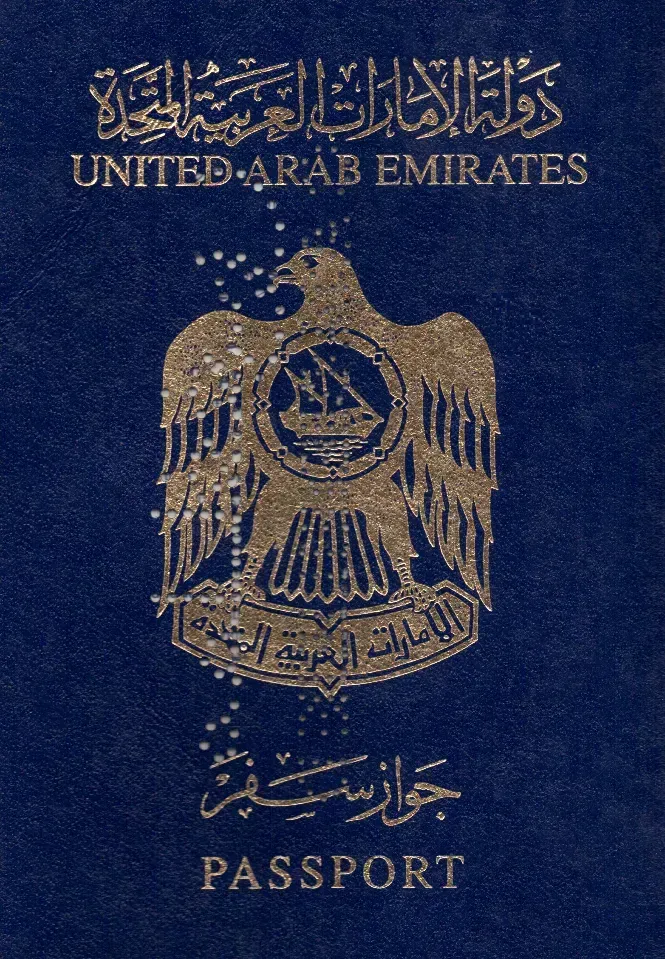
No passport tells a more dramatic story of transformation than the UAE’s. Two decades ago it barely registered in the middle of the pack, but the UAE is the country with the strongest performance in the 20-year history of the Henley Passport Index, adding 149 visa-free destinations since 2006 and climbing 57 places up the rankings. That kind of sustained progress is virtually unmatched anywhere else on the index.
The UAE now sits in the same tier as Japan and South Korea, and the UAE holds the distinction of being the strongest passport outside East and Southeast Asia. There is one notable gap in that success story worth mentioning though: Emirati citizens still lack visa-free access to the United States, unlike holders of Singapore, Japan, or South Korea passports, a reminder that even top tier passports carry exceptions.
Germany and the wider European core – strength in numbers
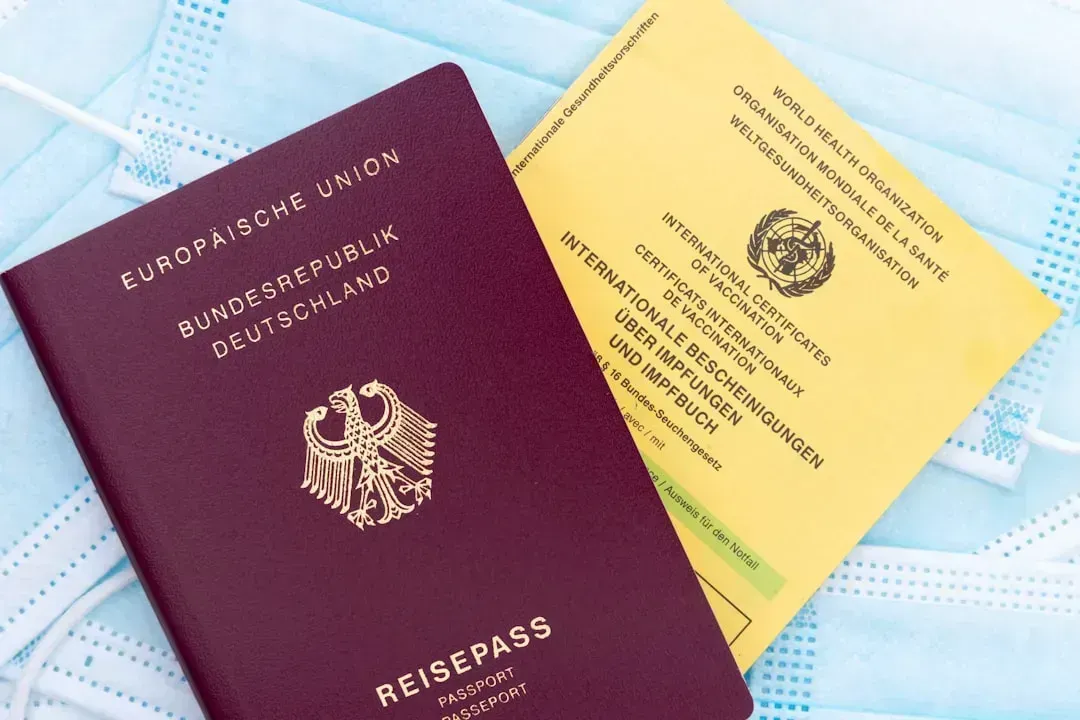
Rather than one country pulling ahead, much of Europe moves together as a bloc near the top of the index, and Germany sits comfortably within that cluster. A large group of European countries ranks fourth, with access to 186 destinations without a prior visa, including Belgium, Denmark, Finland, France, Germany, Ireland, Italy, Luxembourg, the Netherlands, Norway, and Spain. That is an unusually large group to share a single rank, and it says something about how uniformly strong European diplomacy has become.
Part of what makes these passports so effective is that their strength is doubled up. These passports combine EU free movement rights, the right to live and work in all 27 EU member states, with extensive global visa-free access built over decades of diplomatic relationships. A German passport, in other words, is not just a travel document; it is also an automatic right of residence across an entire continent.
Switzerland – outside the bloc, inside the top tier

Switzerland is not an EU member, yet its passport performs just as well as those of its neighbors, sometimes better. In the latest update, Austria, Greece, Malta, Portugal, and Switzerland rank fifth with 185 destinations, placing the country just one rank below the main European cluster. That is a remarkable outcome for a nation that has deliberately stayed outside continental political integration.
Switzerland’s position has actually shifted slightly during the year, illustrating how fluid these rankings can be even for stable, wealthy countries. Switzerland keeps a high score of 185 destinations, but now appears in fifth place after being part of the fourth-place group in May. The change came down to other countries gaining a single destination, not Switzerland losing anything, which says a lot about how tightly bunched the top ten really is.
Canada and Australia – steady Anglosphere strength

Canada and Australia round out the seventh spot on the current index, a position they have held with relative consistency. Canada and Australia rank seventh, each with access to 183 destinations. Both countries built their standing through long-running Commonwealth ties combined with modern trade relationships across Asia and Europe.
What is interesting about this pairing is how differently the two nations arrived at the same score. Australia leans on its geographic proximity to Asia and deep economic integration with the region, while Canada benefits more from its historic ties to Europe and its close relationship with the United States. Either way, both passports remain comfortably inside the global top ten, a tier that keeps getting more competitive every year.
Afghanistan – the world’s most restricted passport
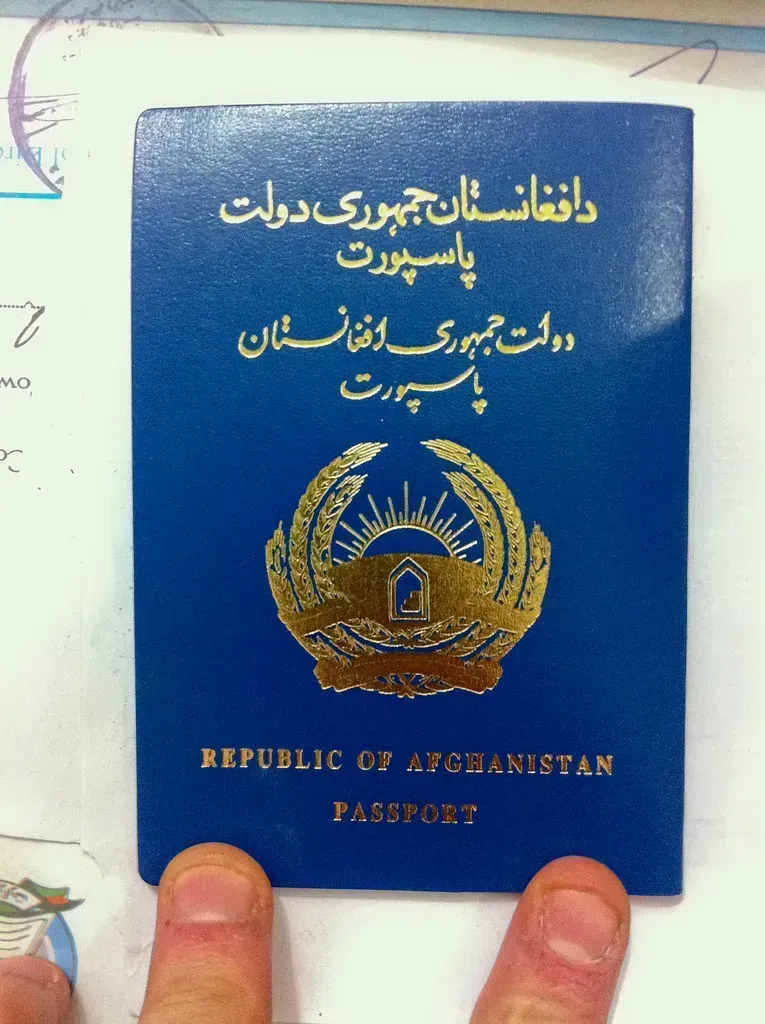
At the opposite end of the spectrum sits Afghanistan, which has occupied the last position on the Henley index for several consecutive years now. Afghanistan ranks last, with access to just 23 destinations without a prior visa, according to the latest 2026 figures. That number has barely moved in years, despite periodic hopes of change.
The reasons behind this are not mysterious. Ongoing political instability, international sanctions, and minimal diplomatic engagement with most of the world mean Afghan passport holders can enter only 24 countries without a visa in slightly earlier readings of the same index. The gap between Afghanistan and the top of the ranking is now the widest it has ever been, underlining just how uneven global mobility has become.
Syria – conflict’s long shadow
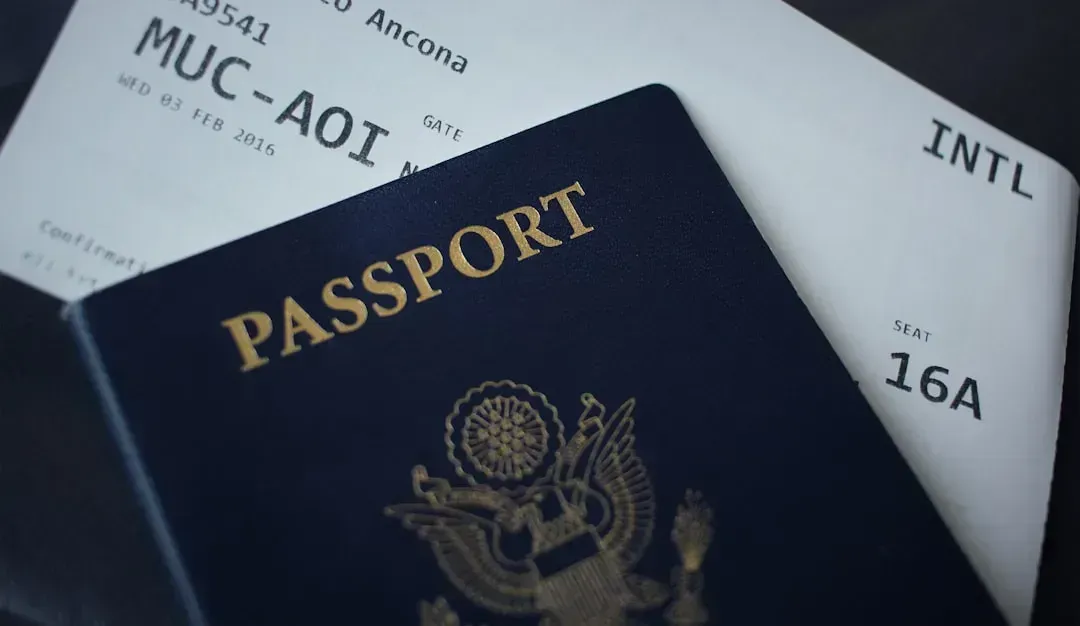
Syria continues to sit near the very bottom of the rankings, a direct consequence of more than a decade of civil war and international isolation. Syria offers access to 26 destinations under the current index, placing it just above Afghanistan but still far removed from anything resembling normal global mobility. Diplomatic relationships that would normally support visa waiver agreements have simply not been available to rebuild.
Beyond the raw numbers, Syrian passport holders face practical obstacles that go beyond the visa-free count itself. The country’s civil war and severe economic sanctions have collapsed much of its diplomatic framework, meaning even the visa applications that are technically possible often involve lengthy delays and additional scrutiny. For ordinary citizens, this translates into limited access to education, business opportunities, and family reunification abroad.
Iraq – diplomatic isolation persists
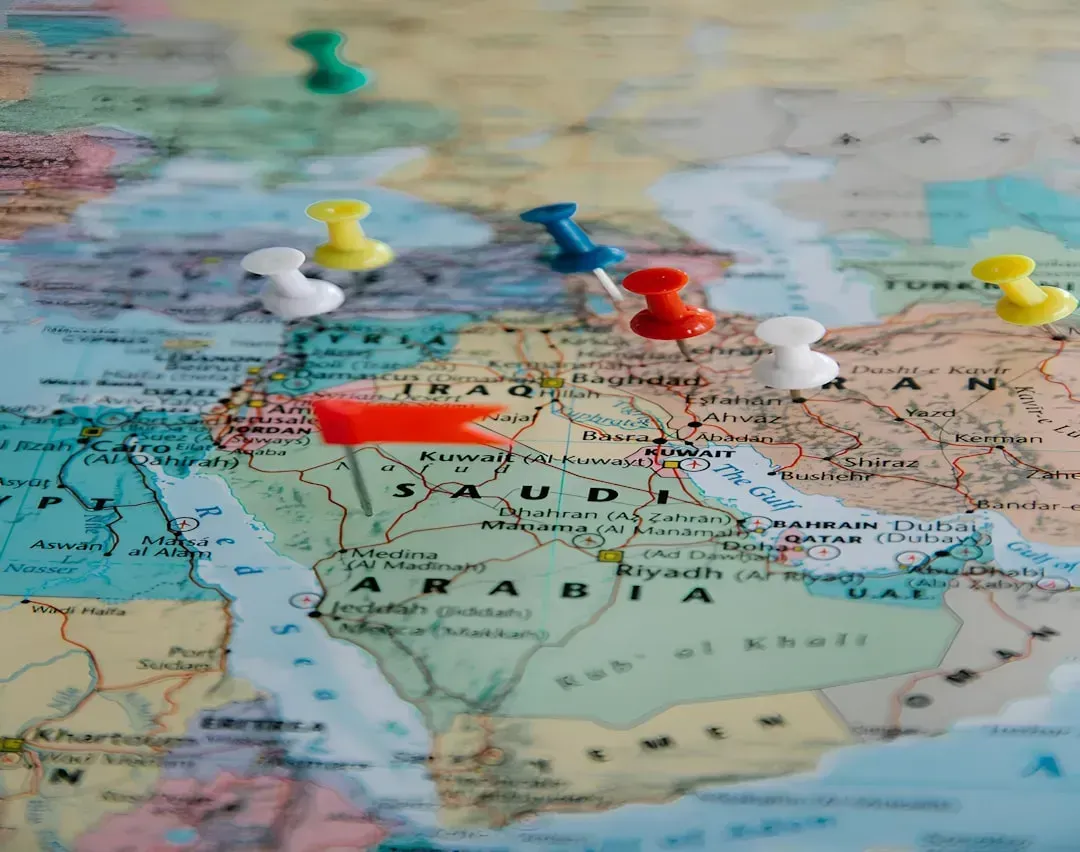
Iraq rounds out the bottom tier, sitting slightly ahead of Syria but still deeply constrained. Iraq offers access to 29 destinations according to the current index, a figure that has changed little over the past several years. Decades of conflict, shifting governance, and lingering international caution have left the country’s diplomatic reach far behind its neighbors.
Even where Iraqi citizens can technically apply for entry elsewhere, the process is rarely straightforward. Neighboring countries sometimes permit easier access, but global visa approval remains a slow, high-scrutiny process, with many embassies requiring detailed background checks, financial proof, or invitation letters. That reality adds real friction to travel that citizens of higher-ranked countries rarely have to think about.
What these rankings actually reveal
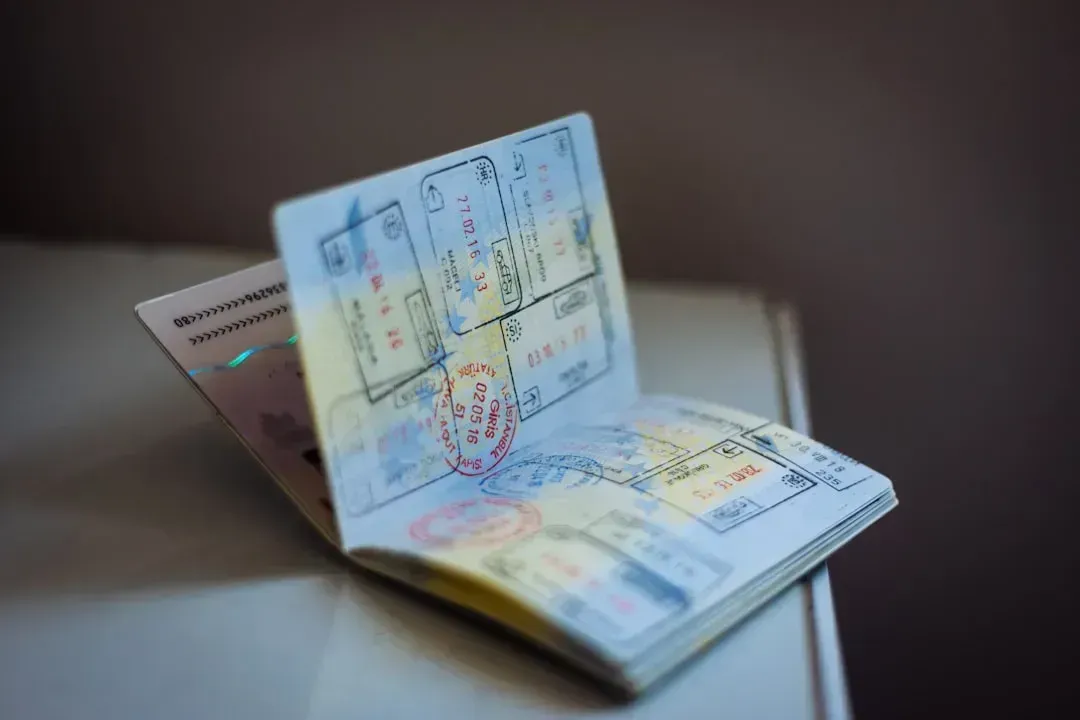
Looking at the top and bottom of the list side by side, the gap is striking rather than subtle. A handful of countries offer near-total global access while others remain locked out of the vast majority of the world without lengthy paperwork. That divide has less to do with geography than with decades of accumulated diplomatic trust, economic stability, and negotiated agreements between governments.
These figures also change more often than most people realize, since the Henley Passport Index is updated on a quarterly basis rather than once a year. A country climbing or slipping a few places is rarely dramatic on its own, but the cumulative effect over ten or twenty years produces exactly the kind of gap seen between Singapore and Afghanistan today. Passport strength, in the end, is one of the clearest and most persistent measures of global inequality still in plain sight.





Leave a Reply