
Every year, a fresh round of retirement rankings comes out promising to reveal where a fixed income stretches the farthest. Most lists blur together after a while, heavy on spreadsheets and light on the texture of actual daily life. But a handful of towns keep showing up again and again in 2026 rankings for a reason that has little to do with marketing and everything to do with math that simply works out better than it does elsewhere.
These are places where median home prices sit meaningfully below the national figure, where state tax rules are kind to retirement income, and where the pace of life happens to suit people who no longer have a commute to plan around. None of them are secret. They just don’t get talked about the way Sarasota or Scottsdale do.
Appleton, Wisconsin
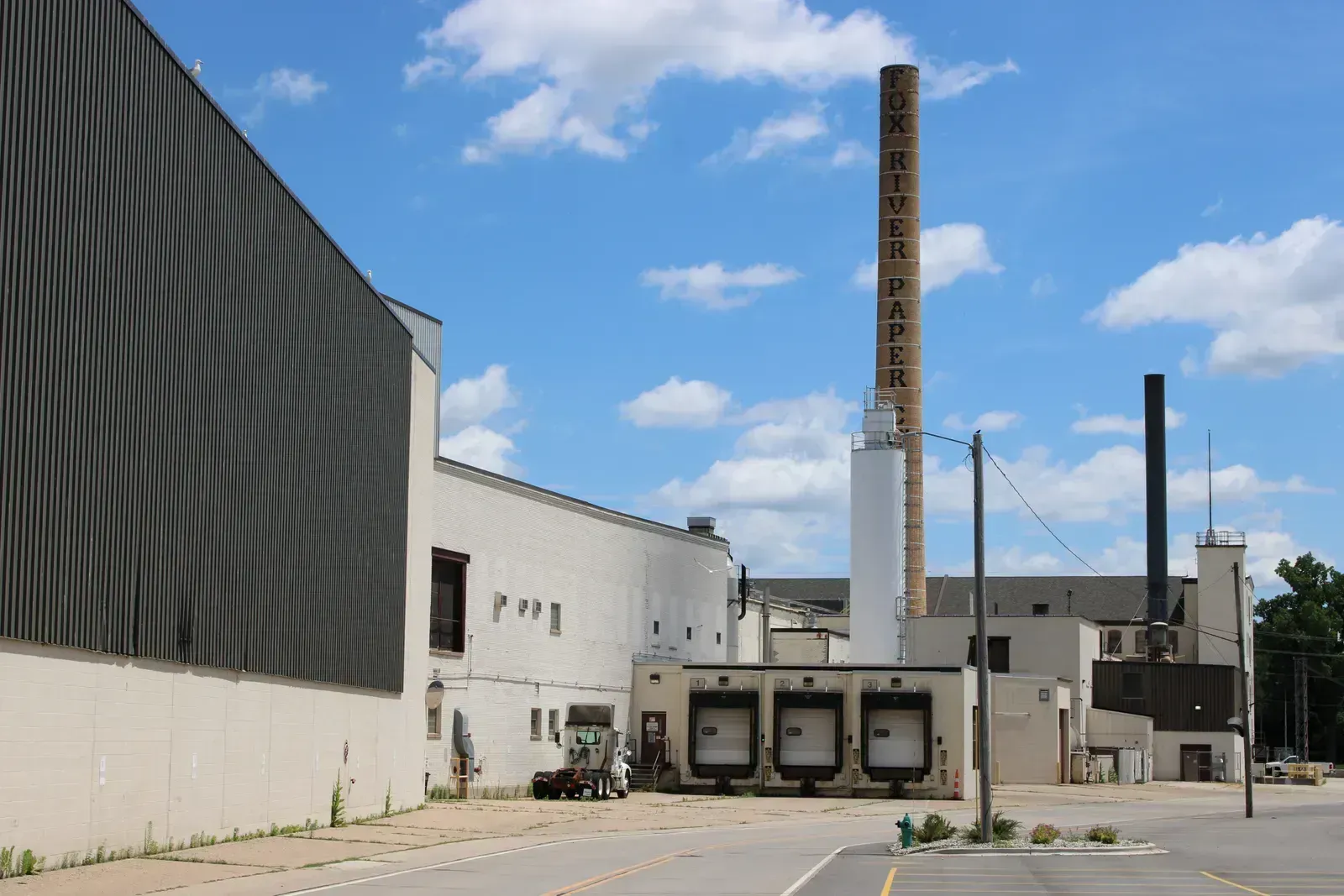
Appleton sits on the Fox River about a hundred miles north of Milwaukee, and it has quietly become one of the newer additions to national retirement lists. The city has a median home price of $291,000, which runs 29% below the national median of $409,000. Its overall cost of living runs 12% below the national average, which matters more the longer a retirement stretches.
What sets Appleton apart isn’t just the price tag. Among the pros are a low serious crime rate, low FEMA natural hazard danger, and no state income tax on Social Security or government retirement plans. Toss in a college town’s cultural pulse from Lawrence University, and you get a place that feels lived-in rather than left behind.
Lincoln, Nebraska

Lincoln has appeared on Forbes’ retirement shortlist more than once, and the numbers explain why. This state capital and college town of 305,000, fifty miles southwest of Omaha, carries a median home price of $291,000, 29% below the national median. That’s a striking figure for a city with a full-size university, a state government, and a genuine downtown scene.
Getting around doesn’t require constant driving, either. Lincoln is very bikeable and somewhat walkable, which counts for a lot once retirees start thinking about mobility over the long haul. The one wrinkle worth knowing about: the state inheritance tax hits anything left to relatives other than a spouse, with partial exemptions for other immediate family members, so estate planning here takes a little extra thought.
Midland, Michigan

Midland doesn’t get the attention that Traverse City or Ann Arbor pull in, yet it landed at the very top of a major national ranking this year. Midland was named the No. 1 “Best Place for Retirement 2026” in the latest U.S. News & World Report rankings for its affordability and low taxes. Forbes describes it in similarly grounded terms as a “graceful river city of 43,000,” 130 miles northwest of Detroit.
The housing math backs up the reputation. Median home price sits at $247,000, 40% below the national median. That kind of gap gives retirees real breathing room, whether that means a paid-off house sooner or simply more left over for travel and grandkids.
Athens, Georgia
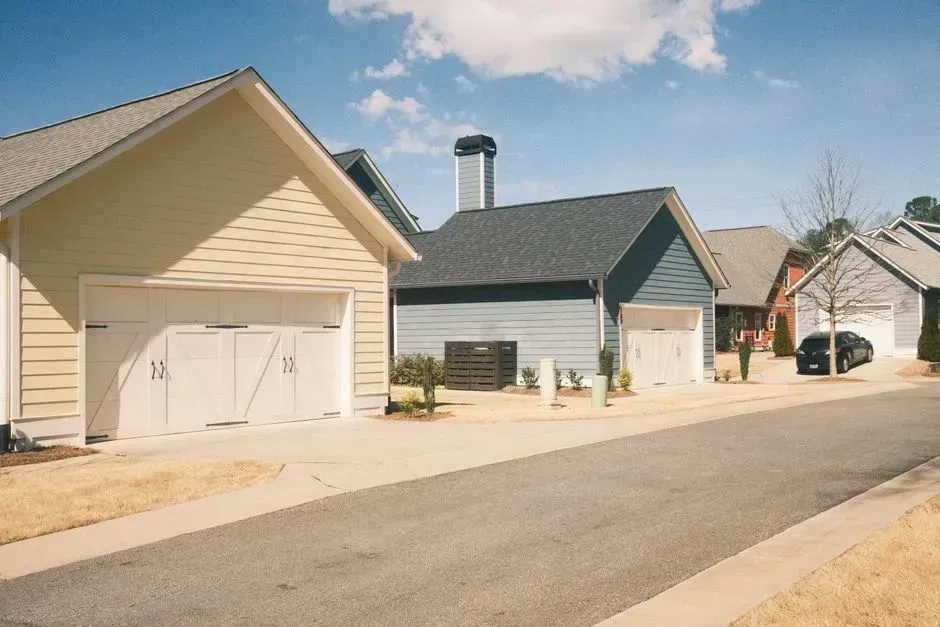
Athens trades the Midwest’s flat plains for rolling Georgia hills and a genuinely lively college-town culture built around the University of Georgia. This classic college town of 130,000 sits 70 miles east of Atlanta, with a median home price of $331,000, 19% below the national median. The climate helps too, since Forbes notes it has an agreeable climate, good air quality, and is somewhat bikeable.
Georgia’s tax treatment of retirement income is one of the more generous setups in the country right now. The state income tax is a flat 3.8%, with no tax on Social Security or other retirement income, and no state estate or inheritance tax. For retirees drawing on pensions and Social Security together, that combination can add up to thousands of dollars saved every year compared with higher-tax states.
Lawrence, Kansas
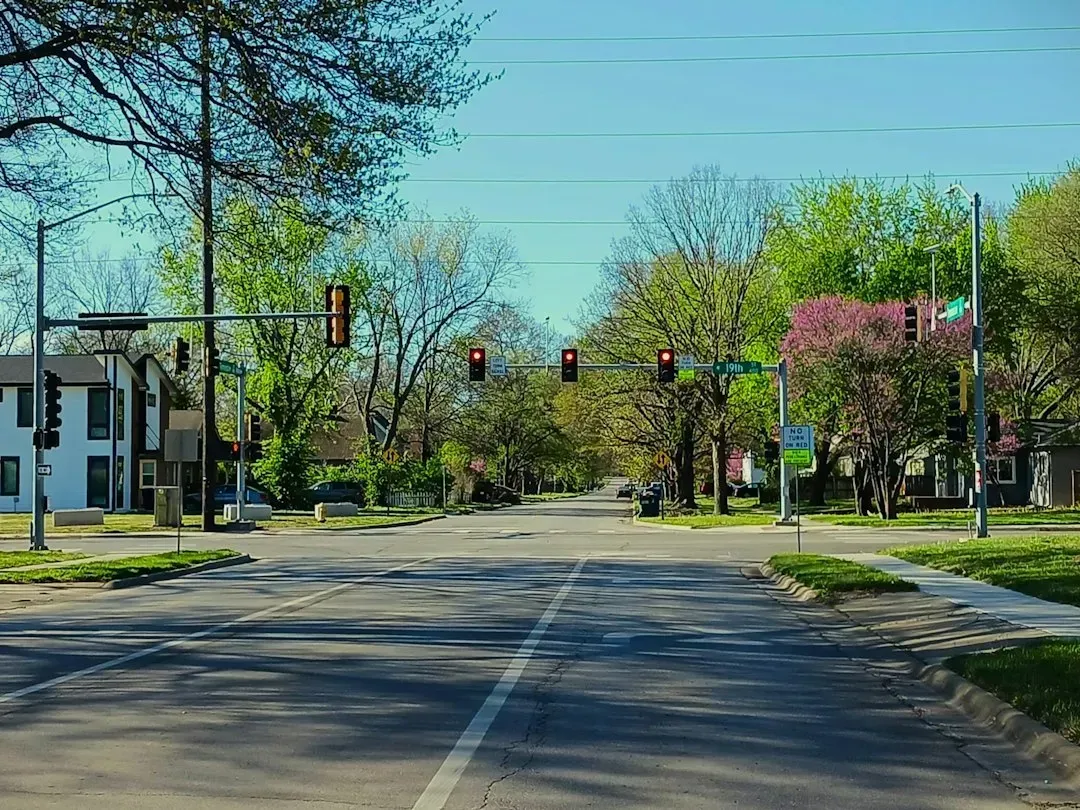
Lawrence is a smaller city that punches above its weight on livability metrics. This classic college town, home to the University of Kansas, has about 98,000 residents, sits 40 miles west of Kansas City, and carries a median home price of $331,000, 19% below the national median. Healthcare access is a quiet strength here too, since the town has a good ratio of primary care physicians per capita.
Getting around town doesn’t demand a car at every turn, either. Lawrence is very bikeable and somewhat walkable, and it carries a relatively low natural hazard risk compared with many parts of the country. The state income tax is a bit steeper than some neighbors, running from 5.20% up to 5.58% for a couple with taxable income above $46,000, so it’s worth running the numbers before committing.
Lexington, Kentucky

Lexington blends horse country charm with a surprisingly practical cost structure for a city of its size. This lush, horsey college town of 333,000 in central Kentucky has a median home price of $329,000, 20% below the national median. The healthcare picture is one of the strongest on any recent retirement list, with an excellent ratio of primary care physicians per capita.
Tax policy has also moved in retirees’ favor recently. The flat state income tax rate was lowered to 3.5% as of January 1, 2026. Combined with a low serious crime rate, Lexington checks a lot of boxes without asking anyone to give up city amenities entirely.
Green Valley, Arizona

Green Valley has been a fixture on retirement lists for decades, and the reasons haven’t really changed. Located in very southern Arizona below Tucson, it’s one of the most popular places to retire in the world, with beautiful desert mountains for outstanding recreation. Part of the appeal is sheer variety in housing options, since the community offers a great choice of where to live, with at least 59 different Home Owners Associations.
The desert climate isn’t for everyone, and summers run genuinely hot, but the tax situation offers real compensation. Arizona pairs a relatively low flat income tax with mild winters that draw snowbirds year after year, many of whom eventually stop leaving at all. It’s the kind of place where the first winter visit tends to turn into a permanent address within a few years.
What Ties These Towns Together

Looking across all seven, a pattern emerges that has less to do with geography and more to do with structure. Every one of these towns carries a median home price well under the national figure, most retirement-friendly state tax rules, and a level of walkability or bikeability that reduces dependence on driving as people age. Twenty-one of the twenty-five picks on the latest Forbes list have median home prices at or below the national median, and seven fall under $300,000, which shows this isn’t a fluke limited to a couple of outlier towns.
College towns show up disproportionately on this list, and that’s not an accident either. A university brings healthcare infrastructure, cultural programming, and walkable downtown cores that many small cities without one simply can’t match. That combination, low cost paired with genuine amenities, is exactly why retirees who land in these places so often decide to stay put.





Leave a Reply