
Edinburgh, Scotland
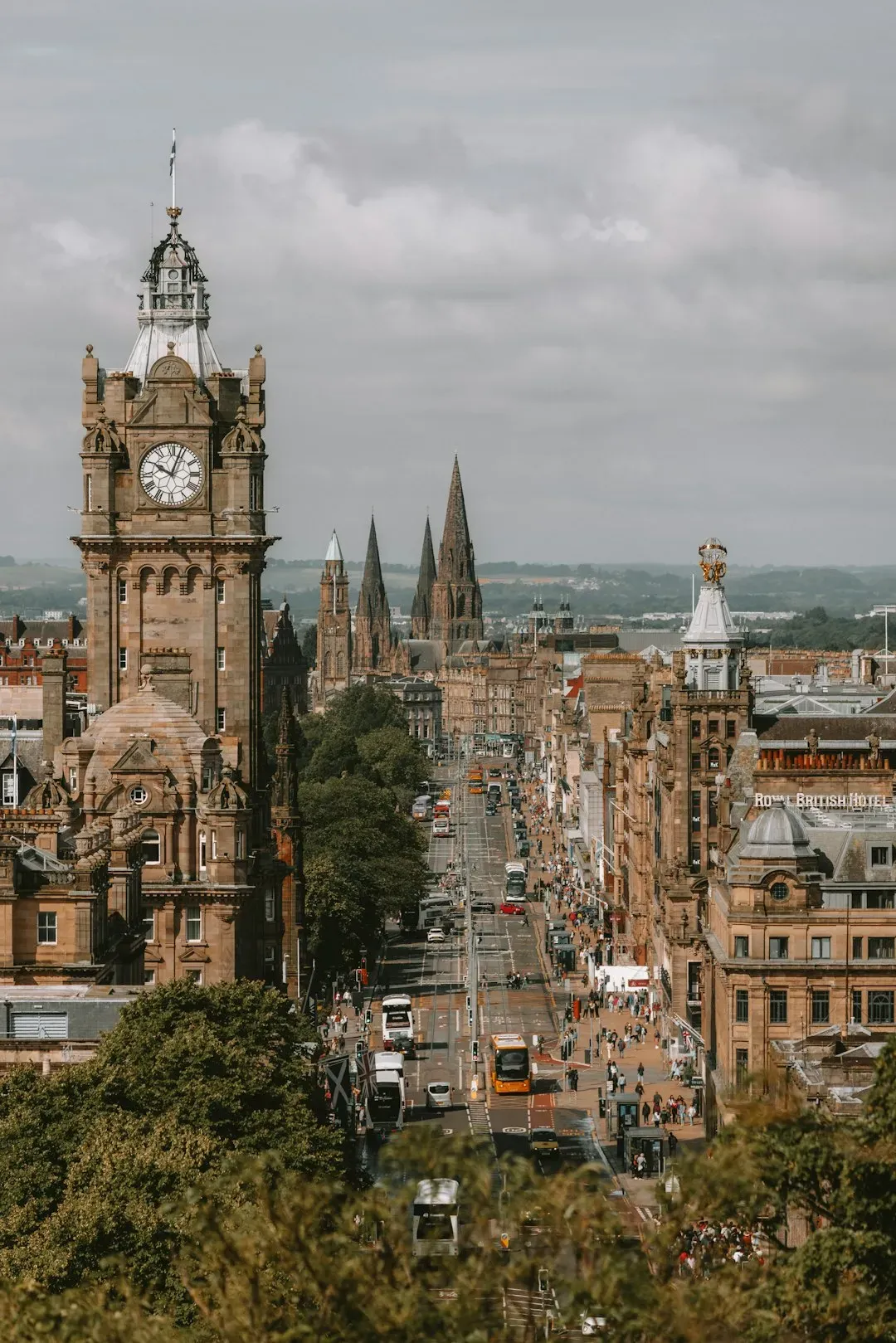
Edinburgh doesn’t get talked about as often as Paris or Rome in casual conversation, yet it keeps landing at the top of serious surveys. When Time Out surveyed more than 24,000 residents across the world in 2026 about their own cities, Edinburgh came out on top in Europe and second globally, with 84 percent of people crediting its loveliness. That’s a remarkable figure for a city this far north, and it says something about how well its architecture actually works on the ground rather than just in photos.
Wander from the Georgian crescents of the New Town into the tight medieval closes of the Old Town, and the contrast itself becomes part of the appeal, a city that feels layered rather than uniform. Residents surveyed didn’t stop at the skyline either. They also singled out the city’s walkability, food, green spaces and culture as reasons it earns its reputation. It’s a city where history sits alongside daily life rather than behind glass.
Lisbon, Portugal
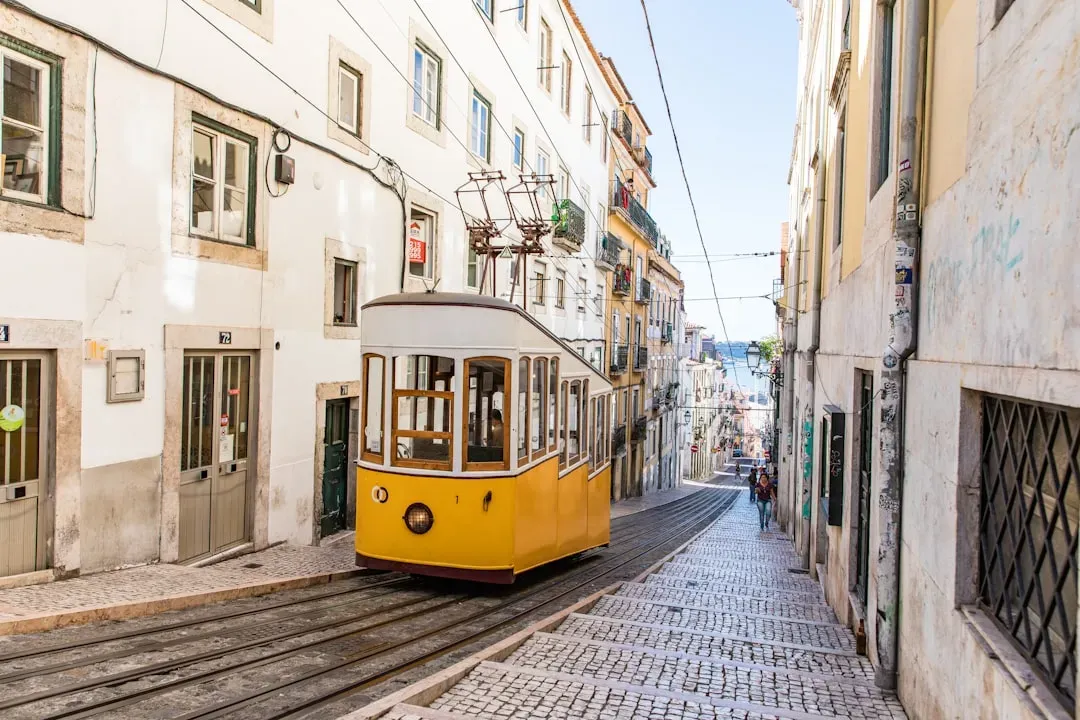
Lisbon has quietly become one of the most admired cities on the continent, and locals themselves seem to agree. Lisbon landed second in Time Out’s European beauty rankings for 2026, with 74 percent of residents describing their city as beautiful, placing it fifth among all cities surveyed worldwide. Much of that comes down to the setting itself, a city built across steep hills that meet the water.
Lisbon welcomes travelers with its medieval castles, beautiful overlooks called miradouros, and flavorful seafood, and Portugal’s laid back capital is pedestrian friendly, though a quaint yellow tram helps with the sloping streets. The city has also been investing in its cultural offerings lately. New openings include the MACAM modern art museum in a reimagined palace, complete with a 64-room luxury hotel, as well as the MUDE design museum. Between the tiled facades and the light bouncing off the Tagus River, it’s a city that rewards slow wandering more than a checklist itinerary.
Paris, France
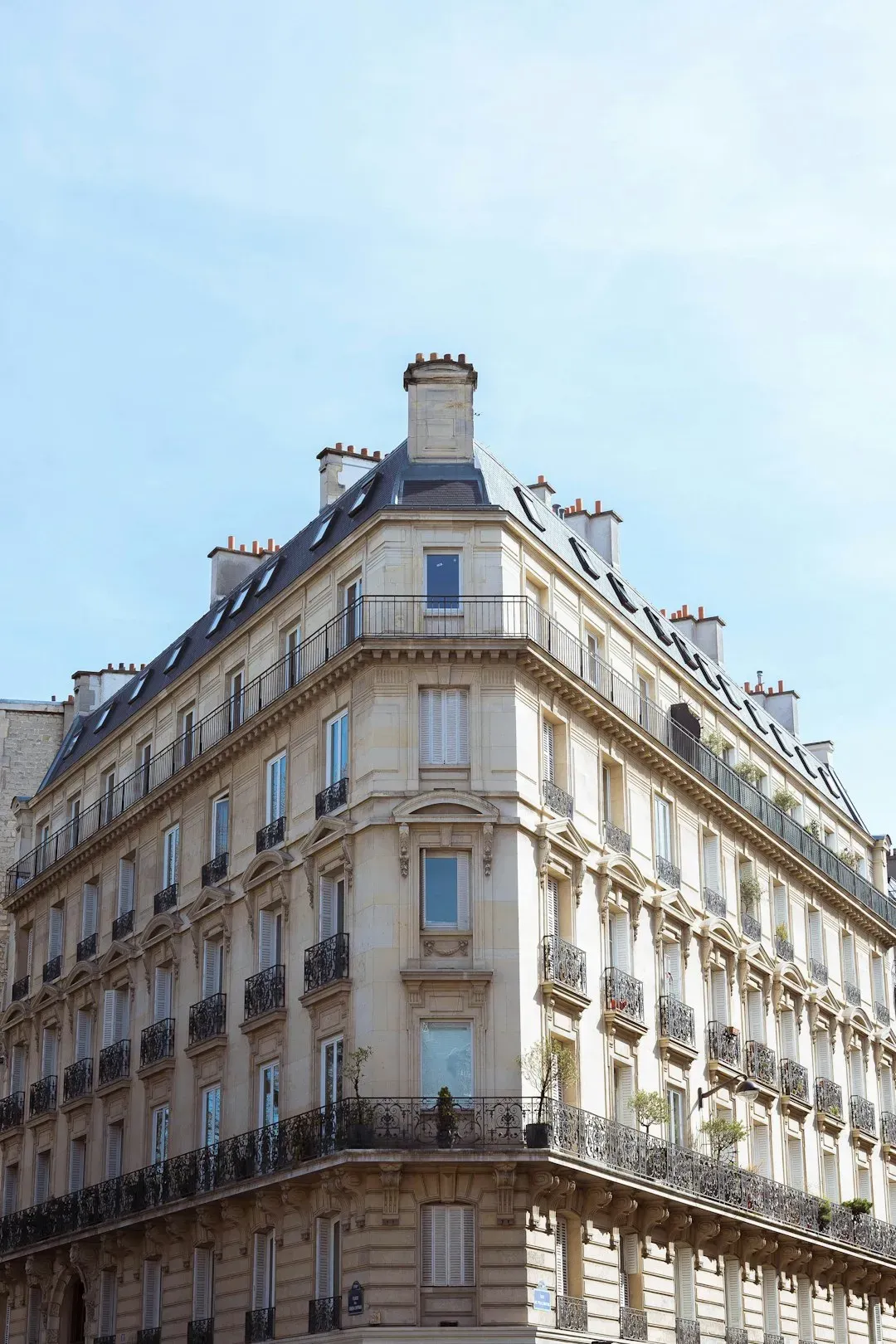
Paris remains the reference point for a certain kind of European elegance, and residents themselves back that up. Paris finished third among European cities in the same 2026 resident survey, with 68 percent of Parisians rating their own city as beautiful, and the survey credited the appeal to the French capital’s quintessentially ornate Haussmannian architecture. That consistency across the city isn’t an accident of taste.
Baron Haussmann redesigned around 60 percent of Paris in the 19th century, which is why so much of the city shares the same cream stone facades, wrought iron balconies, and wide sightlines. Some frequent visitors find that uniformity a little repetitive after enough time in the city, which is exactly why pockets like Montmartre feel so different from the rest. Paris has also been reshaping itself physically in recent years. The city wide 30 kph speed limit, once controversial, now feels inevitable, and Parisians navigate more than 1,000 kilometres of bike lanes as of late 2025, with cycling rates nearly doubling in the past two years.
Venice, Italy
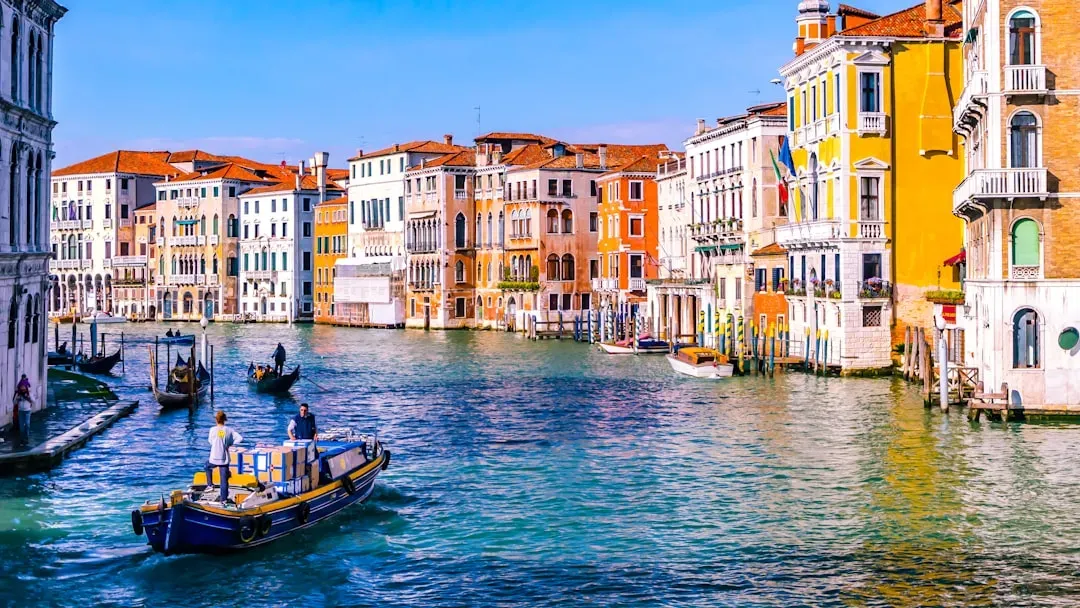
No European city argues for its own uniqueness quite like Venice, a place built almost entirely on water. Venice remains one of a kind with its 120 islands, 400 bridges, and zero cars. That absence of traffic changes the entire rhythm of the place, something that’s hard to appreciate until you’re actually standing in one of its narrow calli.
Experienced travelers tend to steer away from the most congested routes near San Marco. Travellers who return more than once tend to skip the crowded route between St. Mark’s Square and the Rialto Bridge in favour of quieter neighbourhoods, and exploring the Cannaregio and Dorsoduro neighbourhoods offers a look at the authentic city away from the main tourist tracks. For those seeking even more solitude, the outer islands offer a different pace entirely. The islands of Torcello and Giudecca provide a quiet escape, and visiting in spring or fall helps avoid the worst of the summer crowds.
Prague, Czech Republic
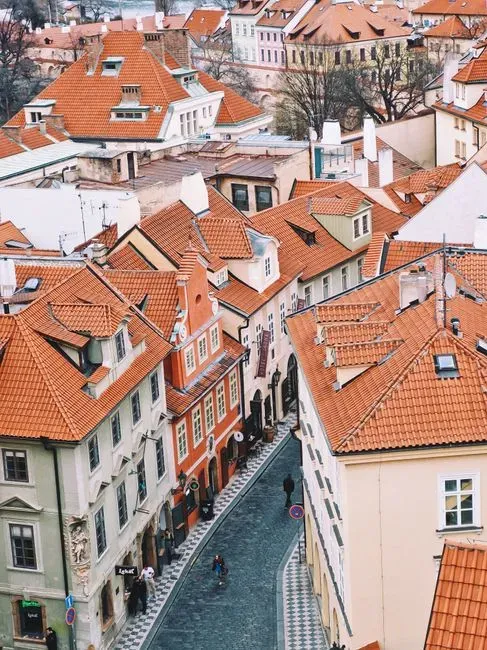
Prague has a rare advantage among European capitals, since so much of its historic core simply never got destroyed. Prague’s old town is unusual in that it wasn’t rebuilt after major wartime destruction the way much of Central Europe was, and Gothic, Baroque, and Art Nouveau architecture collide across a few square miles of cobblestone streets that miraculously survived the wars. That layering of centuries side by side is part of why the skyline feels so unusually cohesive.
Travelers who go beyond the obvious landmarks near Charles Bridge tend to find a city with real everyday texture. Travellers who venture past Charles Bridge and the Astronomical Clock find that the city hides neighbourhoods with serious culinary momentum like Karlín and Vinohrady, and Prague also remains noticeably cheaper than its neighbours, with daily costs significantly lower than in Vienna or Paris. For repeat visitors, that mix of intact architecture and manageable prices is genuinely hard to match elsewhere in Central Europe.
Barcelona, Spain
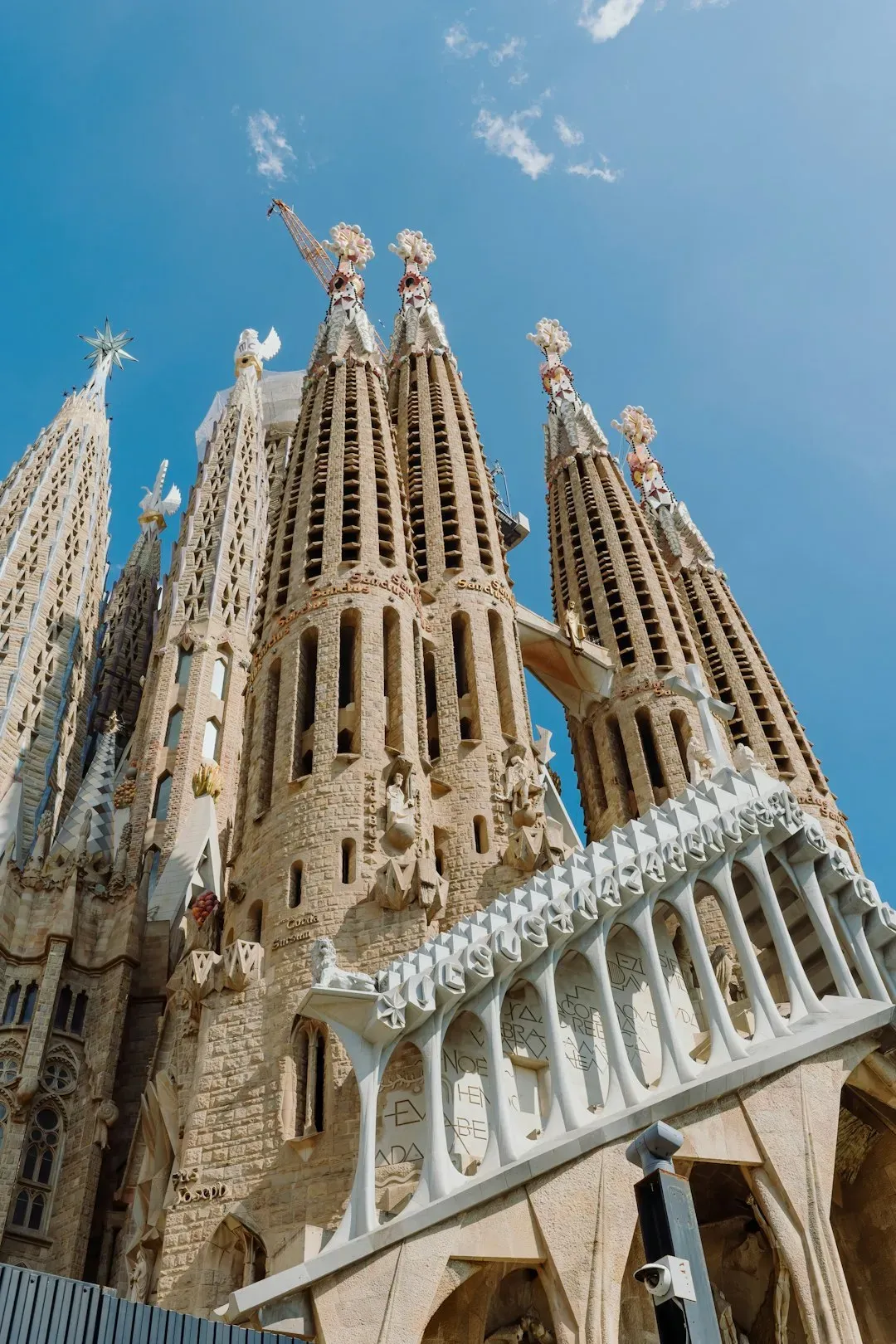
Barcelona’s visual identity is tied to one person more than any other European city can claim. Barcelona’s beauty is inseparable from a single name, since Gaudí’s living geometry, with Sagrada Família’s branching columns, Casa Batlló’s curves, and Park Güell’s mosaic colour set against Mediterranean horizons, gives the city a visual signature that no other place in Europe has quite replicated. It’s the kind of architecture that photographs well but genuinely improves once you’re standing inside it.
Beyond the Gaudí landmarks, Barcelona pulls people back for reasons that have less to do with any single building. It’s a city full of colour, magnificent Gaudi architecture and some of the best food across Europe, with so much to love that as far as beauty goes, the endless architectural marvels make it feel like a picture perfect postcard waiting to happen. The city also benefits from a genuinely favorable climate for most of the year, which keeps its outdoor spaces active well outside peak summer.
Florence, Italy
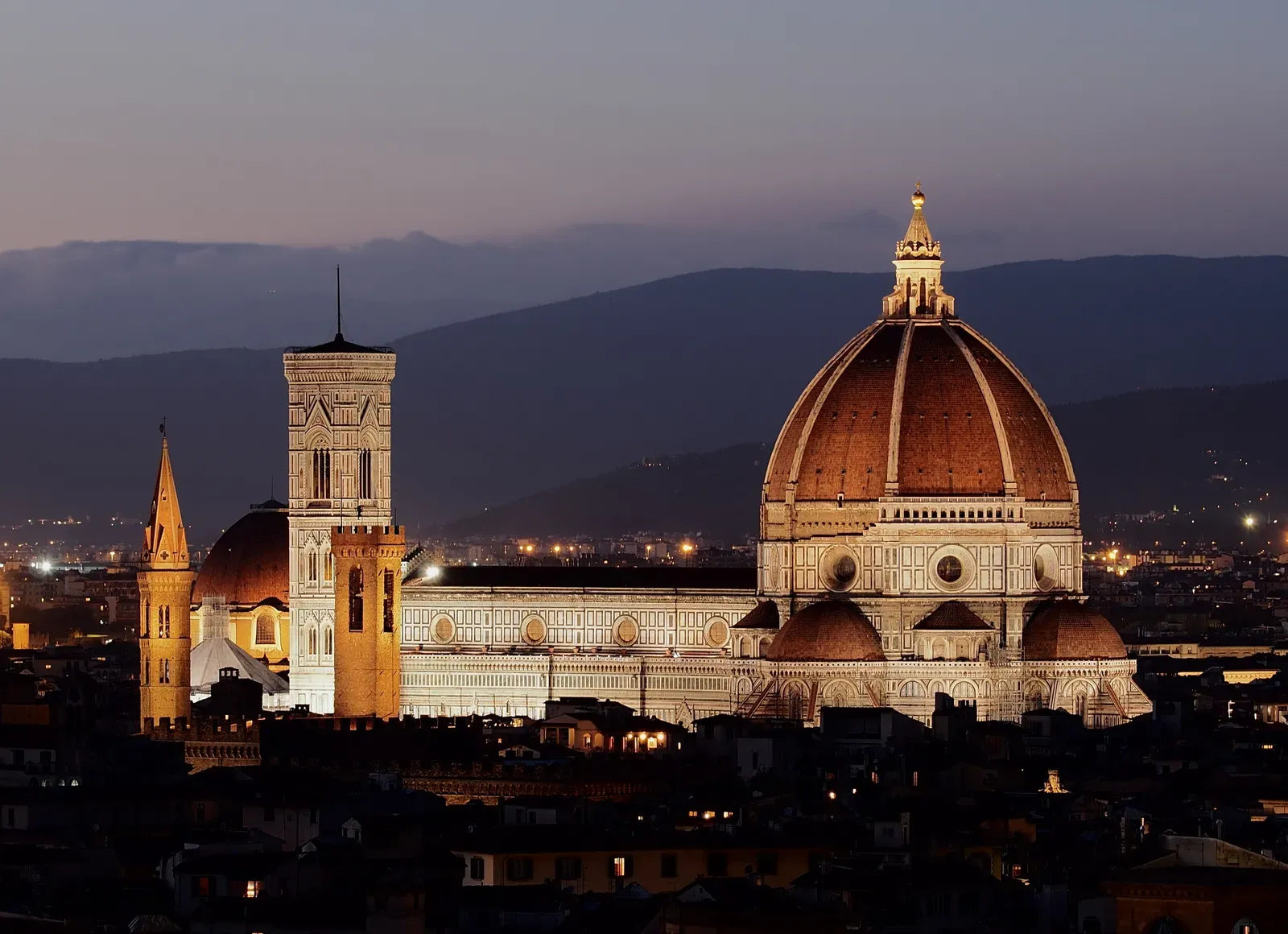
Florence’s reputation as a beautiful city has never really been in question, and travelers who visit repeatedly tend to say the same thing. The capital of Italy’s region of Tuscany is commonly regarded as one of the most beautiful cities in the world, and after visiting a handful of times, many travel writers admit Florence is home to so much living history from the Renaissance period. The density of that history in such a compact center is part of what makes the city feel overwhelming in the best way.
Getting past the most crowded stretches reveals a quieter version of the city. Beyond the Cathedral and the Ponte Vecchio, allowing time to get off the main tourist thoroughfare pays off, since as soon as you walk across one of the many bridges, a whole other world awaits, with public parks, libraries, and smaller art galleries outside the city centre. The Duomo itself remains the anchor of any visit. Florence is the textbook definition of a European powerhouse, and a walk around its timeless Old Town, with its ocher colored buildings and soaring Duomo, tends to leave visitors falling for the city fairly quickly.
Bruges, Belgium
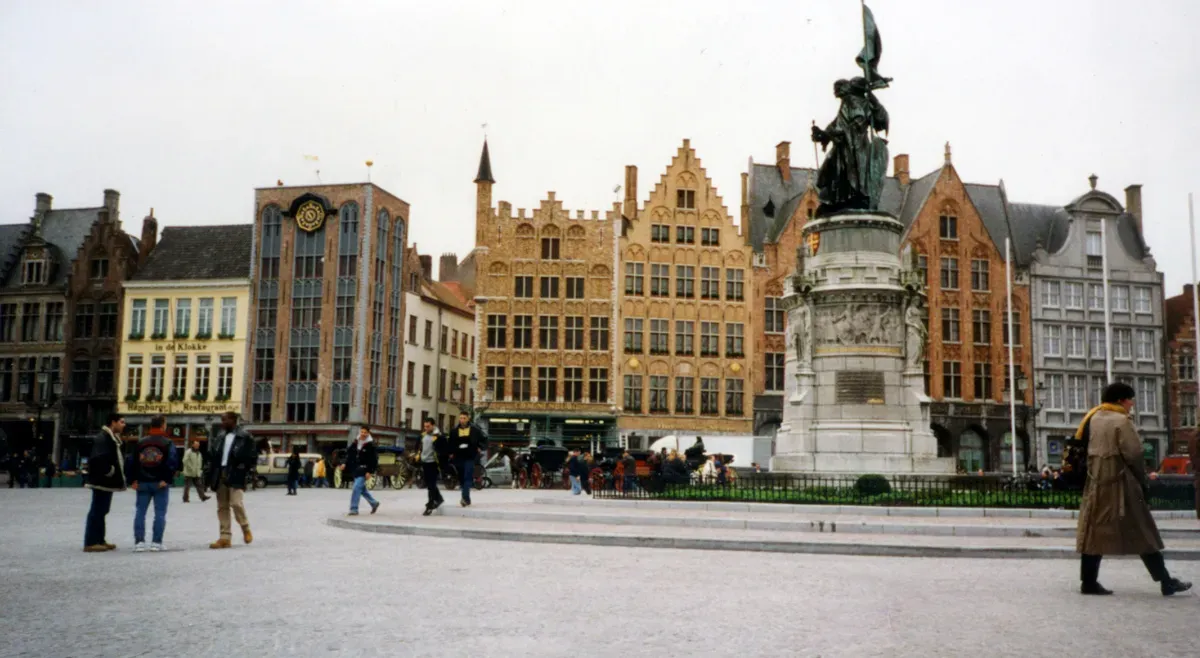
Bruges occupies a strange position among European cities, since it’s small enough to see in a day but keeps drawing people back for longer stays. Bruges is a city so beautiful that visitors could be forgiven for thinking they were in a real life storybook, and it’s commonly regarded as the most beautiful city in all of Europe, with an old world charm that has an authenticity rarely mimicked elsewhere. What makes that especially notable is how the city has managed to hold onto that character despite heavy tourist traffic for decades.
The canals are the obvious draw, but the details are what keep experienced travelers coming back. Its medieval guild houses, cobbled squares, and stepped gable roofs are largely intact rather than restored replicas, which is unusual for a city this popular. Wandering away from the main Markt square, past quieter canal bends and smaller bridges, tends to reveal the version of the city locals actually recognize. It’s a place where the postcard image and the lived reality line up more closely than almost anywhere else in Europe.
Final thoughts
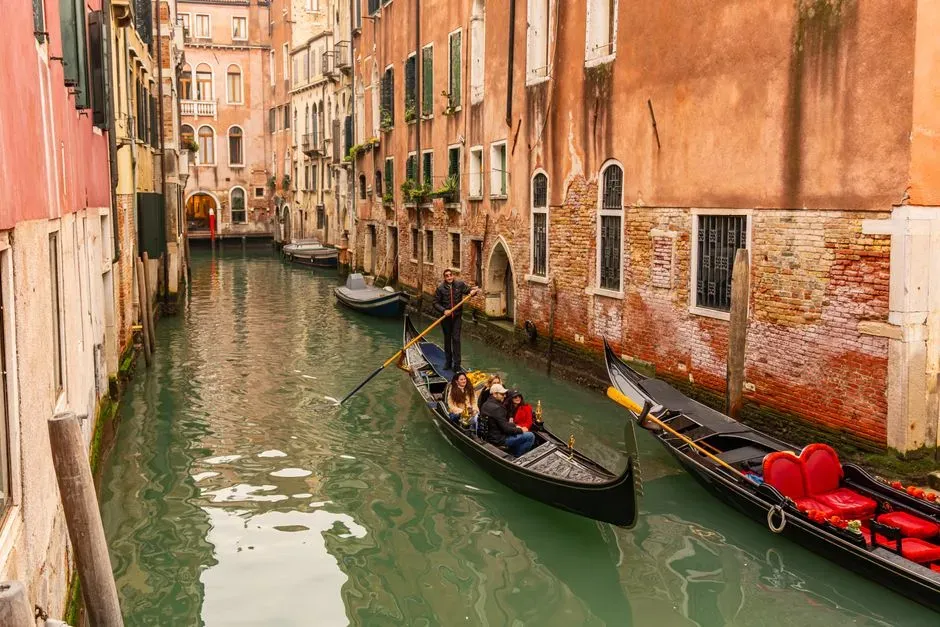
None of these eight cities earned their reputation through marketing or a single viral photo. Each one shows up again and again in resident surveys, repeat visitor accounts, and the kind of on the ground detail that only comes from spending real time in a place rather than passing through. What ties them together isn’t a single architectural style or era, but the way each city rewards attention, whether that’s a quiet Venetian side canal, a Lisbon miradouro at sunset, or the layered skyline of Edinburgh’s Old and New Towns sitting side by side. For travelers planning ahead, that’s probably the more useful takeaway than any ranking itself: beauty in these cities tends to reveal itself slowly, not all at once.





Leave a Reply