
1. Tulum, Mexico
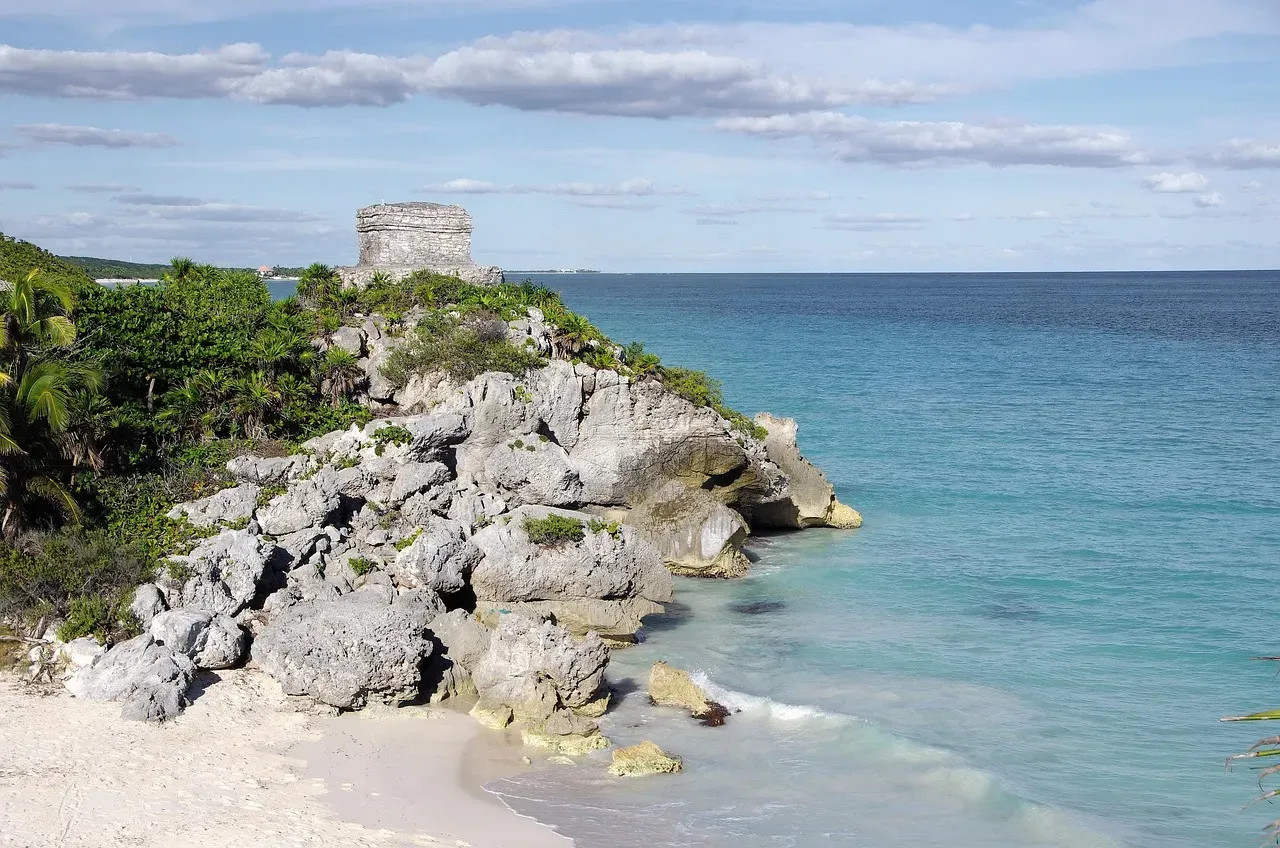
Tulum spent the last decade turning from a quiet backpacker stop into one of the most talked about destinations in the Caribbean, and the transformation came at a cost. In a decade, this small beach town evolved from budget paradise to one of Mexico’s most expensive locales, with the cost of everything from tacos to taxi rides surging by late 2024 and into 2025. Long-term rents climbed right alongside nightly rates, because many property owners found they could earn more by listing apartments on Airbnb or other short-term rental platforms than by renting to locals long-term.
The result is a town where a local working family or an incoming teacher struggles to find a reasonably priced apartment when many units are set aside for holiday rentals. Ironically, the tourists have started thinning out too. Tulum’s archaeological zone received nearly 75,000 visitors in September of the previous year, but only about 18,000 travelers came this year, according to Mexico’s Tourism Secretariat. It’s a strange kind of reset: the town got too expensive for the people who live there, and eventually too expensive for a lot of the people who used to visit.
2. Positano, Italy
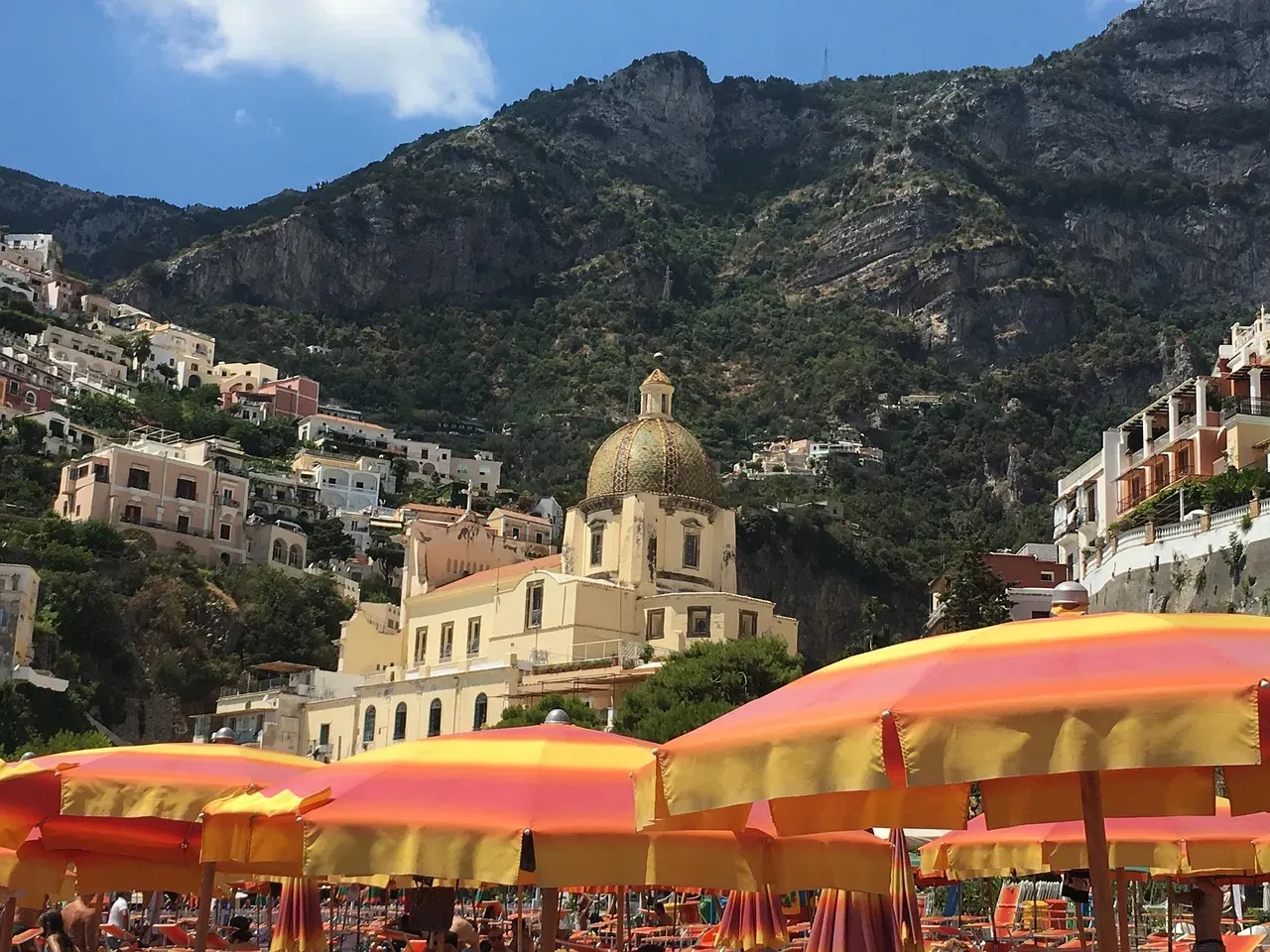
Positano’s pastel cliffside houses are practically shorthand for an Amalfi Coast dream vacation, but the town’s roughly 3,800 full-time residents live a very different reality during the summer months. During high season, an average of 400 boats a day dock in a makeshift port roughly the size of two public buses, and residents have to contend for space on ferries just to get to school or medical appointments, inching through human traffic jams that can quadruple the town’s population each day. Housing has followed the same trajectory as everything else.
Rents for residents on the Amalfi Coast have increased so dramatically that many people cannot afford to live in, or close to, places where they work or go to school. A researcher who studies the region put the price gap in blunt terms, noting that visitors arrive dreaming of postcard villages but instead meet accommodation in Positano that averages around five hundred euros a night, porters who charge for hauling luggage up staircases, and meals running well over a hundred euros a person. Locals who once ran grocery stores and household goods shops have watched those businesses disappear, replaced by storefronts built entirely around the visitors passing through.
3. Canggu, Bali
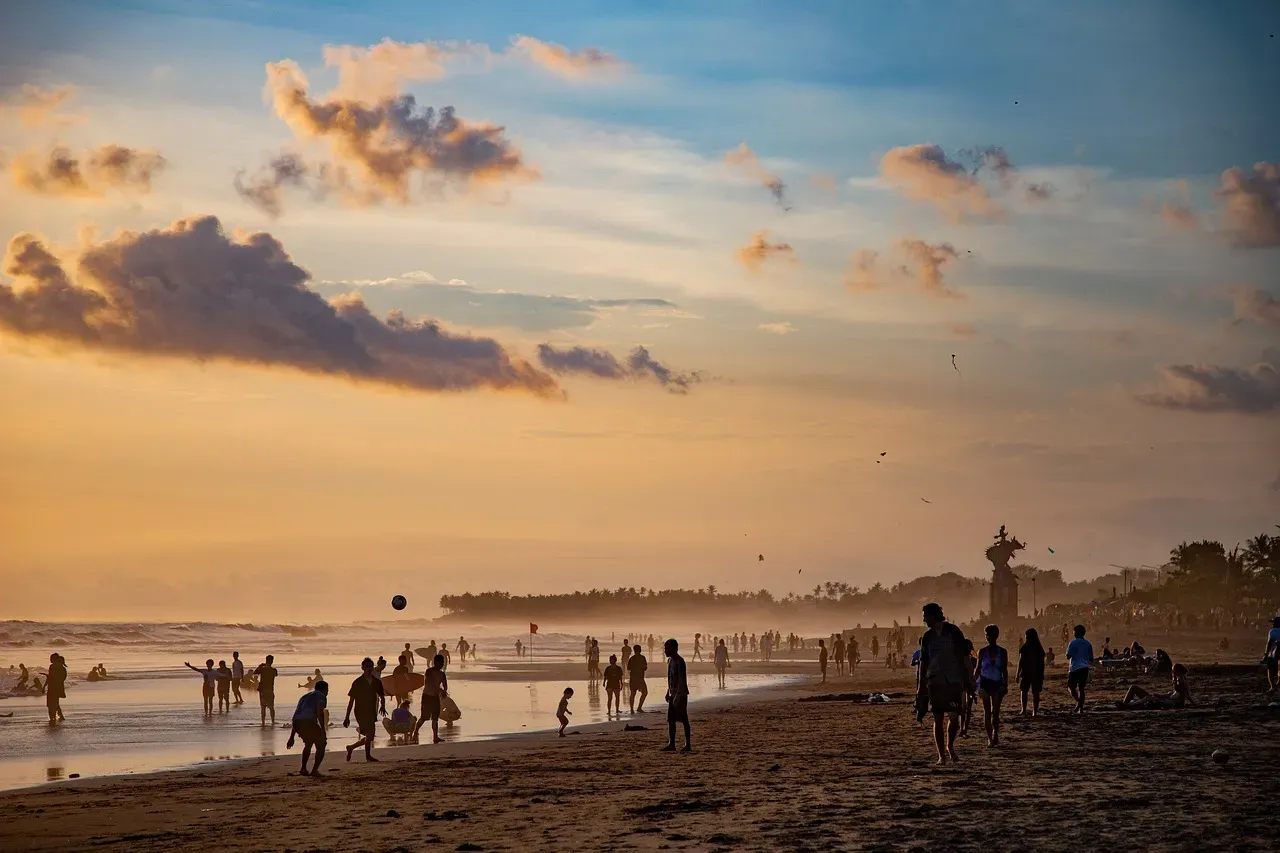
Twenty years ago Canggu was a village of rice fields and quiet surf breaks. Today it’s Indonesia’s digital nomad capital, and the shift has been staggering. Canggu has evolved into a hub that now hosts thousands of digital professionals, surpassing Ubud, which was previously regarded as the region’s digital paradise. That popularity has a price tag attached, and it isn’t paid by the visitors.
Housing affordability in Canggu and Seminyak has deteriorated dramatically, driven by short-term rental demand from the digital nomad and expat population, and long-term Balinese residents have been priced out of neighborhoods where their families lived for generations. Meanwhile, actual farmland keeps disappearing. Local families have been forced to sell their land to make room for private villas with infinity pools, and between mid-2023 and mid-2024 alone, tens of thousands of new short-term rental listings were added across the island, devouring farmland and pushing out the people who have always lived there. A grassroots slogan making the rounds captures the frustration simply: Bali is for the Balinese.
4. West Maui and Lahaina, Hawaii
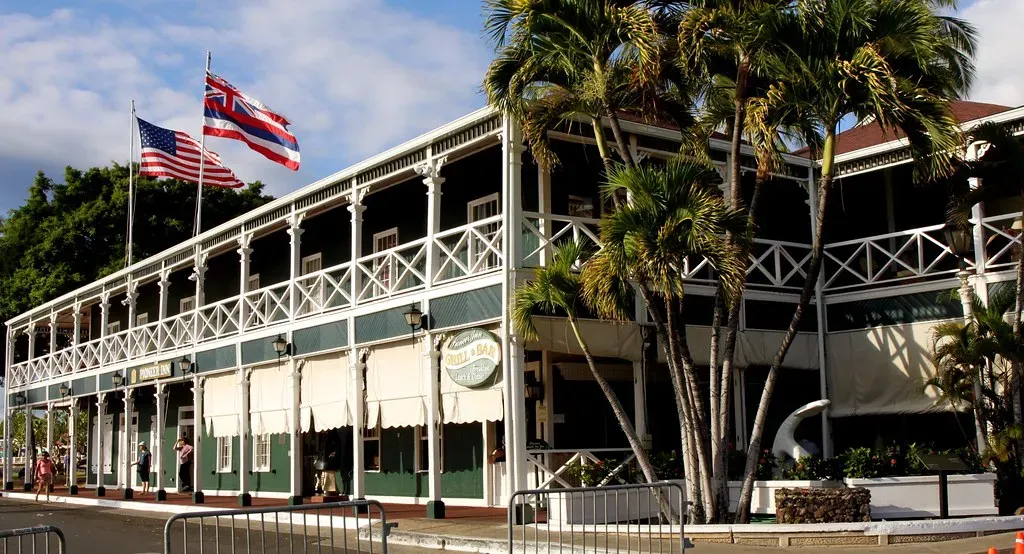
West Maui carries an extra layer of grief that most overtourism stories don’t have to reckon with. The 2023 wildfires that destroyed Lahaina displaced thousands of residents, and the housing shortage that followed collided head-on with an island already short on affordable homes. Maui’s mayor took his self-described bold step to phase out roughly 7,000 short-term vacation rentals by the start of 2026, leaning on new state authority as the county confronted a long-term housing crisis that the fires only made worse.
The debate over that plan split the island. One local housing advocate described short-term rentals as driving up prices to the point where owning a home has become an unreachable fantasy for residents, while also draining far more water than a typical household. Not everyone agrees the fix will work, and the policy is projected to convert roughly 6,000 units into long-term housing, a boost economists compared to a full decade’s worth of new housing development. Whatever the outcome, the underlying math on Maui has become brutally simple: a limited supply of homes, split between residents and visitors, with residents increasingly losing that split.
5. Palma de Mallorca, Spain
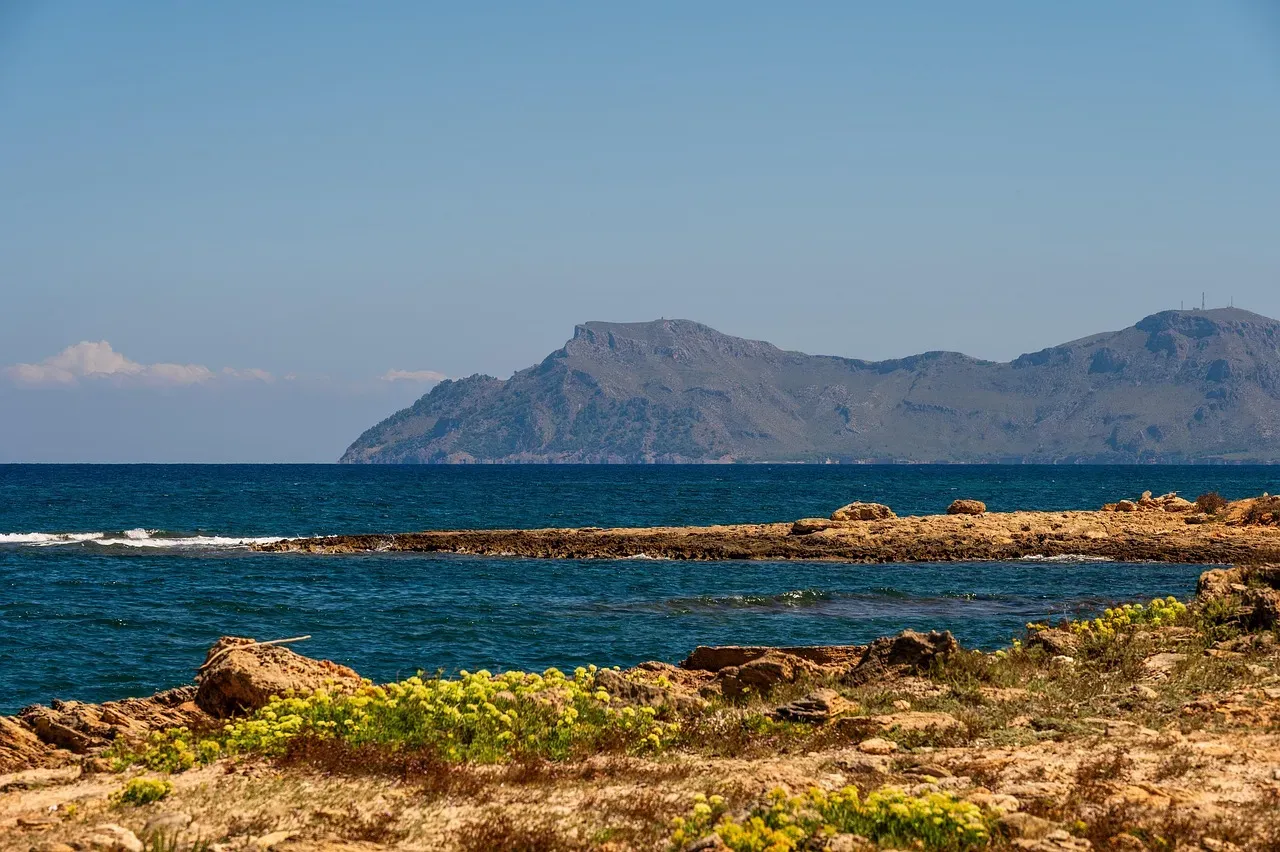
Mallorca’s beaches draw crowds from across Europe every summer, but the island’s own residents have been quietly priced out of vacationing there themselves. In 2024, over 1,000 people were living in cars in Mallorca due to housing shortages. That statistic alone explains why protests on the island have grown louder each year.
The imbalance shows up in national travel patterns too. Local tourists decreased by 800,000 across the top 25 coastal locations in Spain’s Mediterranean and Atlantic region last year, while foreign tourists increased by nearly 2 million. Foreign tourists stayed an average of eight nights at Spain’s top beaches, while locals could only afford roughly a quarter of that time and spent about a quarter as much money. Mallorca hasn’t become unaffordable for tourists so much as it’s become unaffordable for the people who were born there.
6. Tenerife and the Canary Islands, Spain
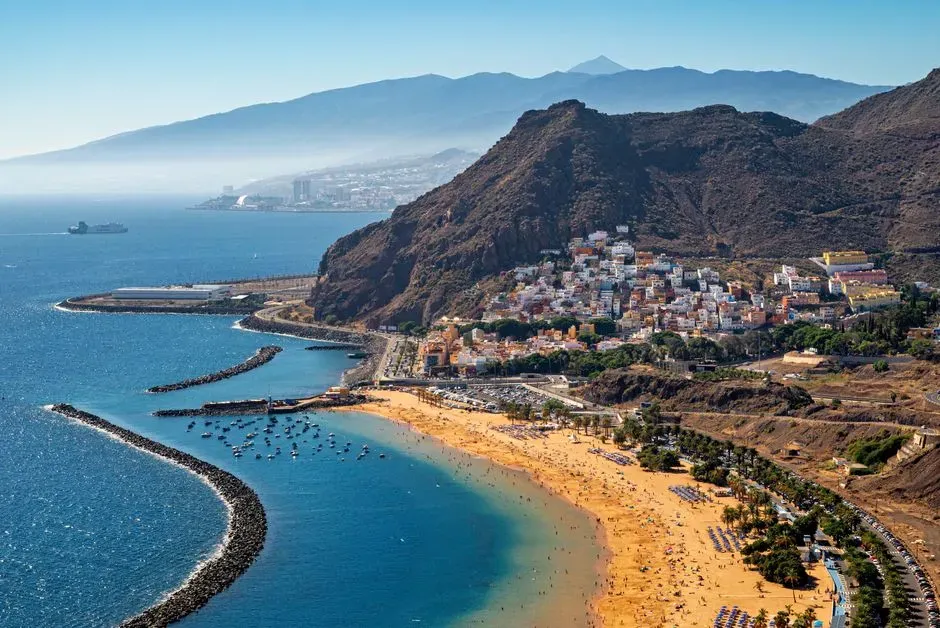
The Canary Islands depend on tourism more heavily than almost anywhere else in Spain, and that dependence has become its own kind of trap. Tourism contributes roughly a third of the region’s GDP and provides employment for around 40 percent of the population. Yet the wealth generated rarely stays local, because most of the major hotels are owned by large international investment groups, meaning the profits from tourism often leave the islands, leaving local communities with only the downsides of mass tourism.
Housing pressure has become severe enough that regulators finally stepped in. In 2025, the Canary Islands implemented a regulation prohibiting newly constructed properties from being rented out for short-term stays. Poverty rates tell the rest of the story. A third of Canary Islands residents were at risk of poverty in 2023, despite the tourism boom around them. Locals aren’t leaving in dramatic waves so much as being slowly squeezed out of the housing market that tourism itself inflated.
7. Santorini, Greece
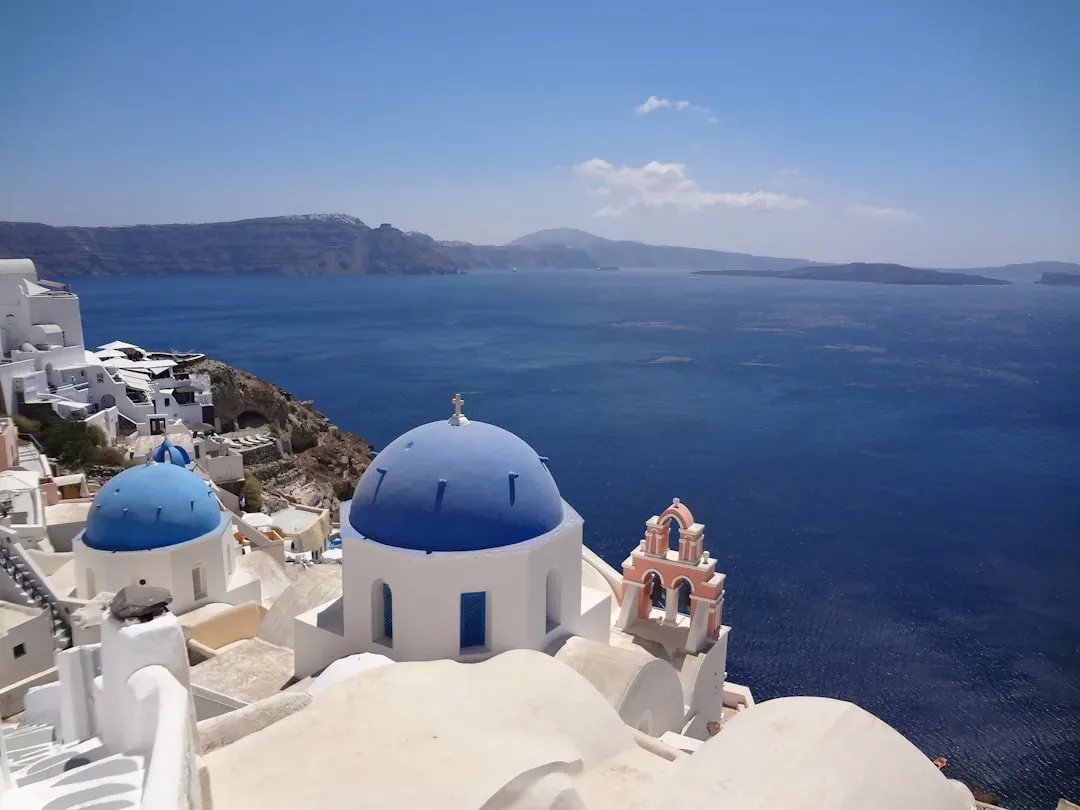
Santorini’s caldera views are one of the most reproduced images in travel marketing, but the island’s geology was never built for its current popularity. The island’s volcanic caldera geology means it has virtually no natural freshwater sources, so all potable water is either shipped in by tanker or processed through desalination, a system built for a permanent population of around 15,000 that now serves peak summer crowds estimated above 30,000 daily visitors. That mismatch shows up first in the water bill and eventually in who can afford to stick around.
A government report confirmed what residents already suspected. Santorini’s water infrastructure strain was documented in an official environmental report that identified the island’s desalination capacity as critically below demand during peak season, prompting emergency infrastructure investment even though the underlying math hasn’t changed. Cruise ships compound the pressure, since ships docking at the island’s port disembark thousands of passengers into Oia and Fira simultaneously, creating the surge conditions behind the island’s famous smartphone gridlock at the caldera viewpoints. For year-round residents, the tradeoff between tourist dollars and daily livability keeps tilting in an uncomfortable direction.
8. Miami Beach, Florida
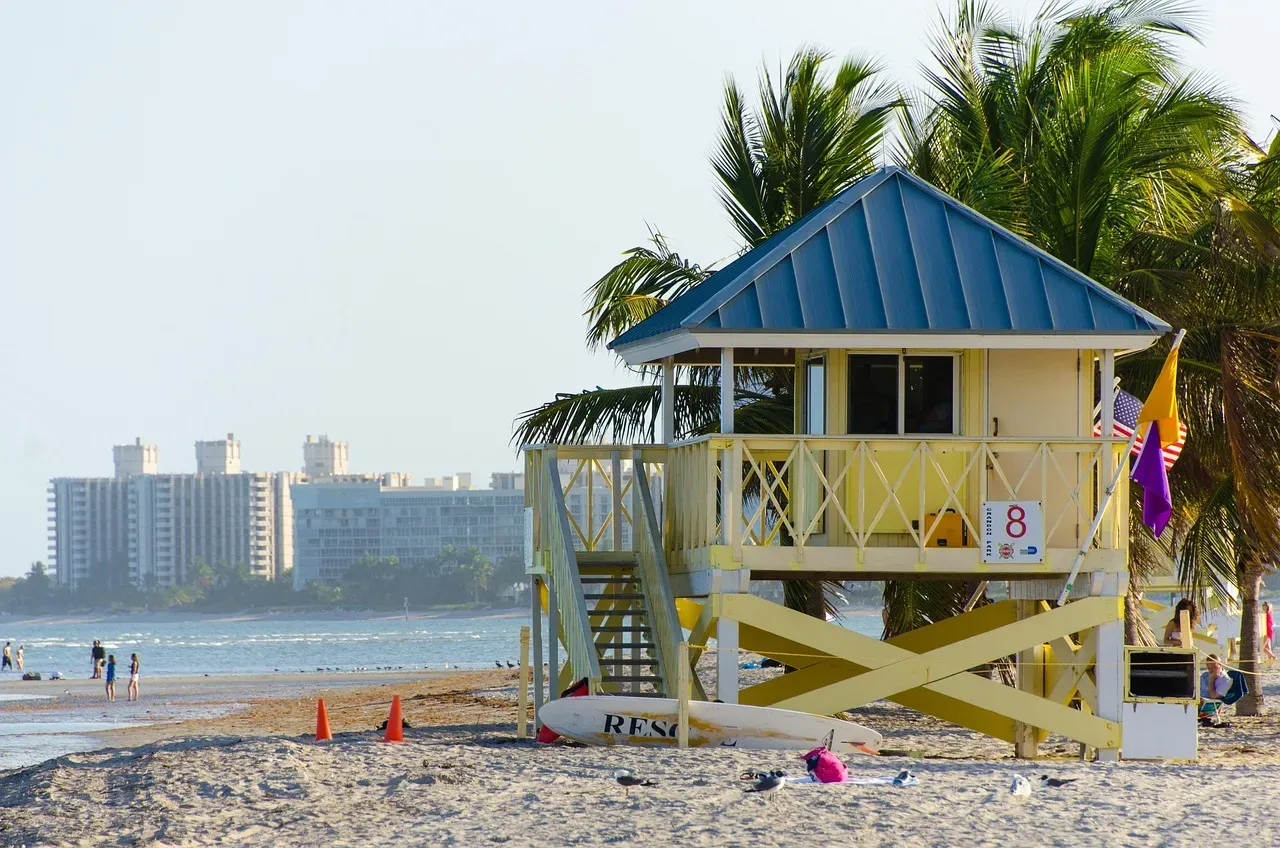
Miami Beach’s tension isn’t really about scenery, it’s about who bears the cost of managing a crowd. The city has treated spring break as a public safety problem after shootings, fights, and large street crowds in recent years, approving late-night restrictions, limited beach entry points, and sobriety checkpoints. That crackdown didn’t come from nowhere.
Residents pushed for the crackdown, saying the surge concentrates trouble into a few blocks and leaves locals paying for sanitation, police overtime, and disrupted sleep for weeks. Underneath the seasonal chaos sits a quieter, year-round problem: short-term rentals and second homes can outbid year-round residents, leaving service workers and public employees scrambling for rooms. The workers who staff the restaurants and hotels that make Miami Beach run increasingly commute from somewhere else, because living near the beach they serve has stopped being realistic on their wages.
9. Bolinas, California
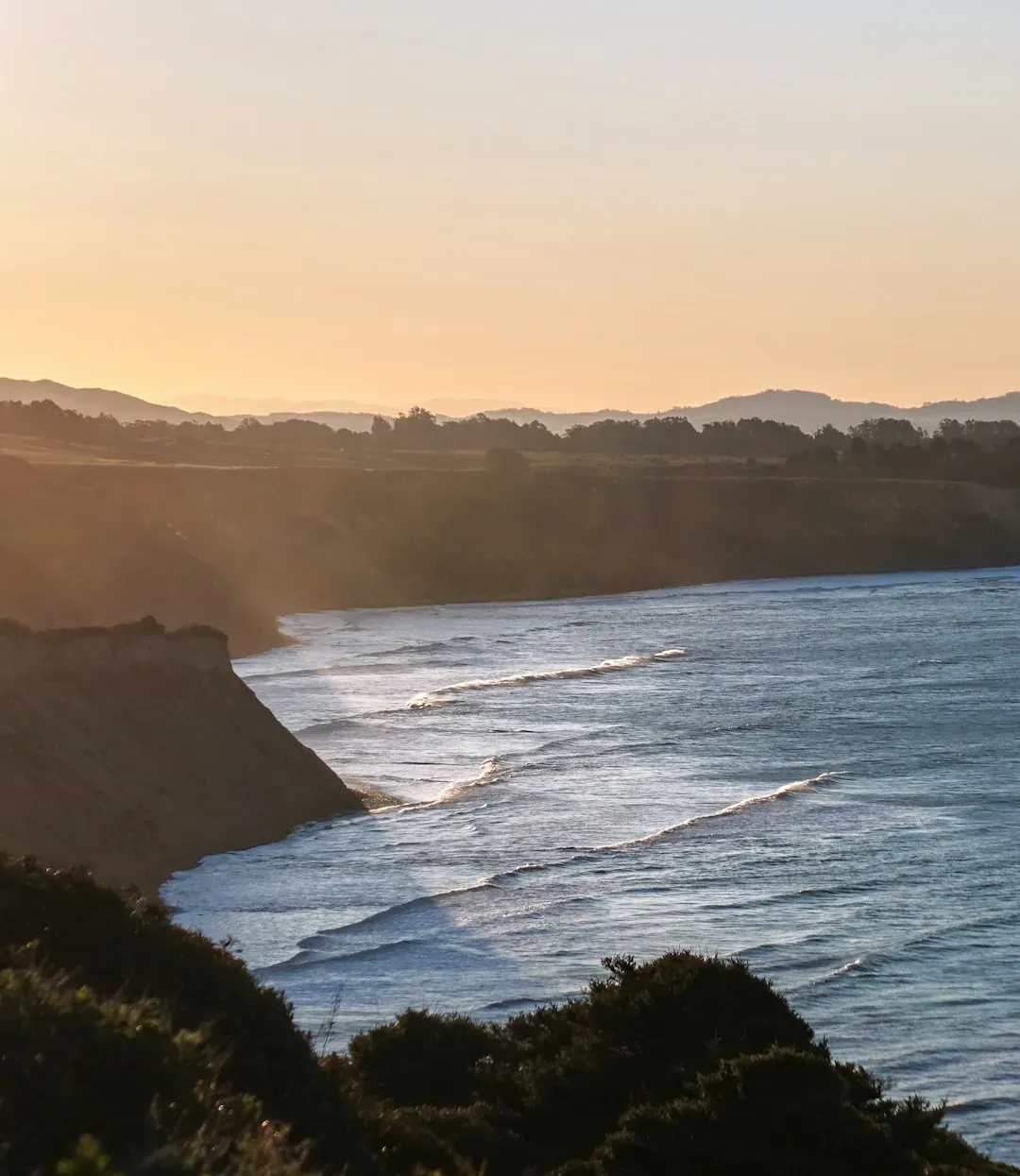
Bolinas has spent decades trying to stay off the map, sometimes literally, since locals have a long history of removing highway signs pointing to the town. It hasn’t fully worked. This small Marin County surf town has wrestled with weekend parking overflow that blocks driveways and narrows emergency access. The response has been small in scale but telling in spirit.
A resident permit parking program began implementation in April 2025 for key downtown streets near beach access, restricting overnight parking on parts of two main roads to permitted vehicles and adding limits for very long vehicles. It’s a modest fix for a town that never wanted to be a destination in the first place. Bolinas is a reminder that not every strained beach town is fighting over million-dollar condos, sometimes it’s just a few hundred residents trying to keep their street passable on a Saturday.





Leave a Reply