
9. Budapest, Hungary
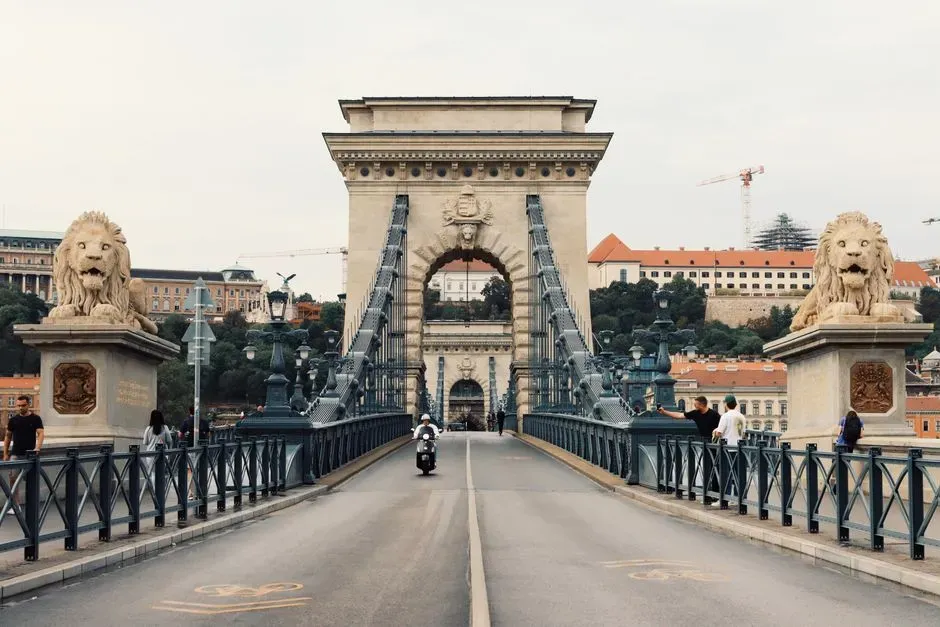
Budapest earns its spot through sheer contrast. The Buda side climbs into castle hills and cobbled quiet, while Pest spreads out flat with grand boulevards and thermal bath houses that have been in continuous use for centuries. The Danube splits the two halves, and the Chain Bridge stitching them together is one of the more photographed river crossings on the continent.
What makes Budapest distinct is the mix of styles packed into a relatively compact footprint. Neo Gothic parliament buildings sit near Ottoman era baths, and Art Nouveau facades show up in unexpected corners of otherwise ordinary streets. It is a city that rewards walking without a fixed plan, since almost every direction leads to something worth stopping for.
8. Amsterdam, Netherlands
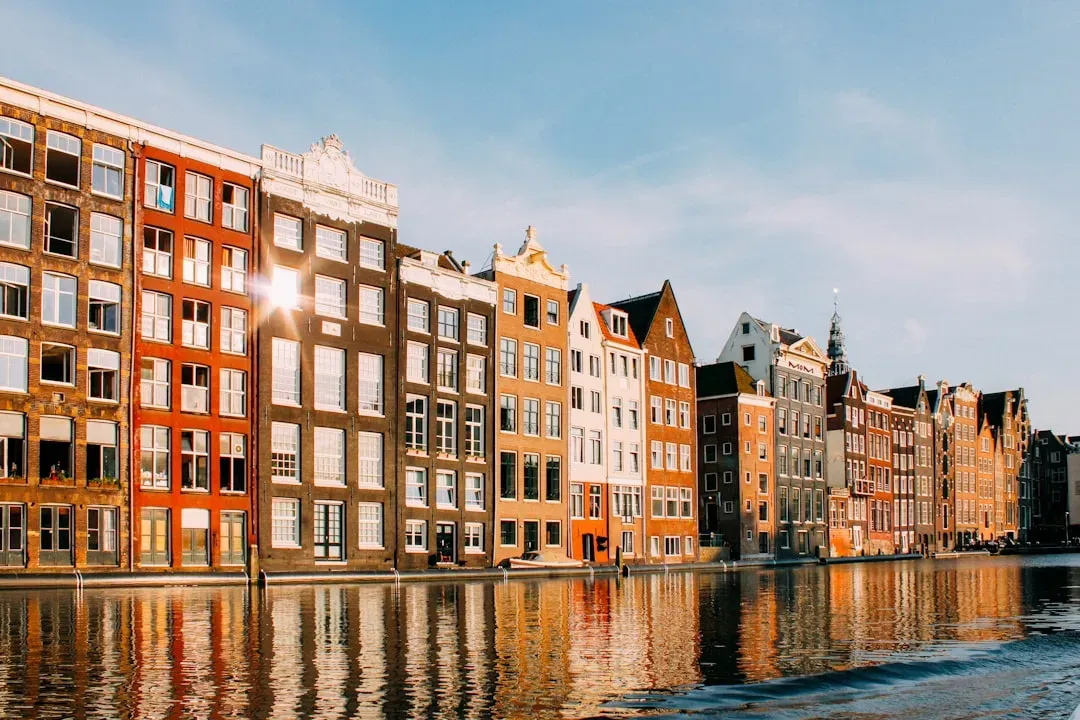
Amsterdam’s beauty is quieter and more structural. The seventeenth century canal ring, built during the Dutch Golden Age, still shapes how the entire city center looks and functions, with narrow gabled houses leaning slightly over the water in ways that feel intentional rather than accidental. Bicycles outnumber cars in the core, which keeps the streets calmer and easier to actually see.
The canal district was added to the UNESCO World Heritage List in 2010, recognition of an urban planning achievement that predates most of what people consider modern city design. Beyond the canals, the city’s museum quarter and compact scale mean visitors can move between centuries of art and architecture without much travel time at all.
7. Dubrovnik, Croatia
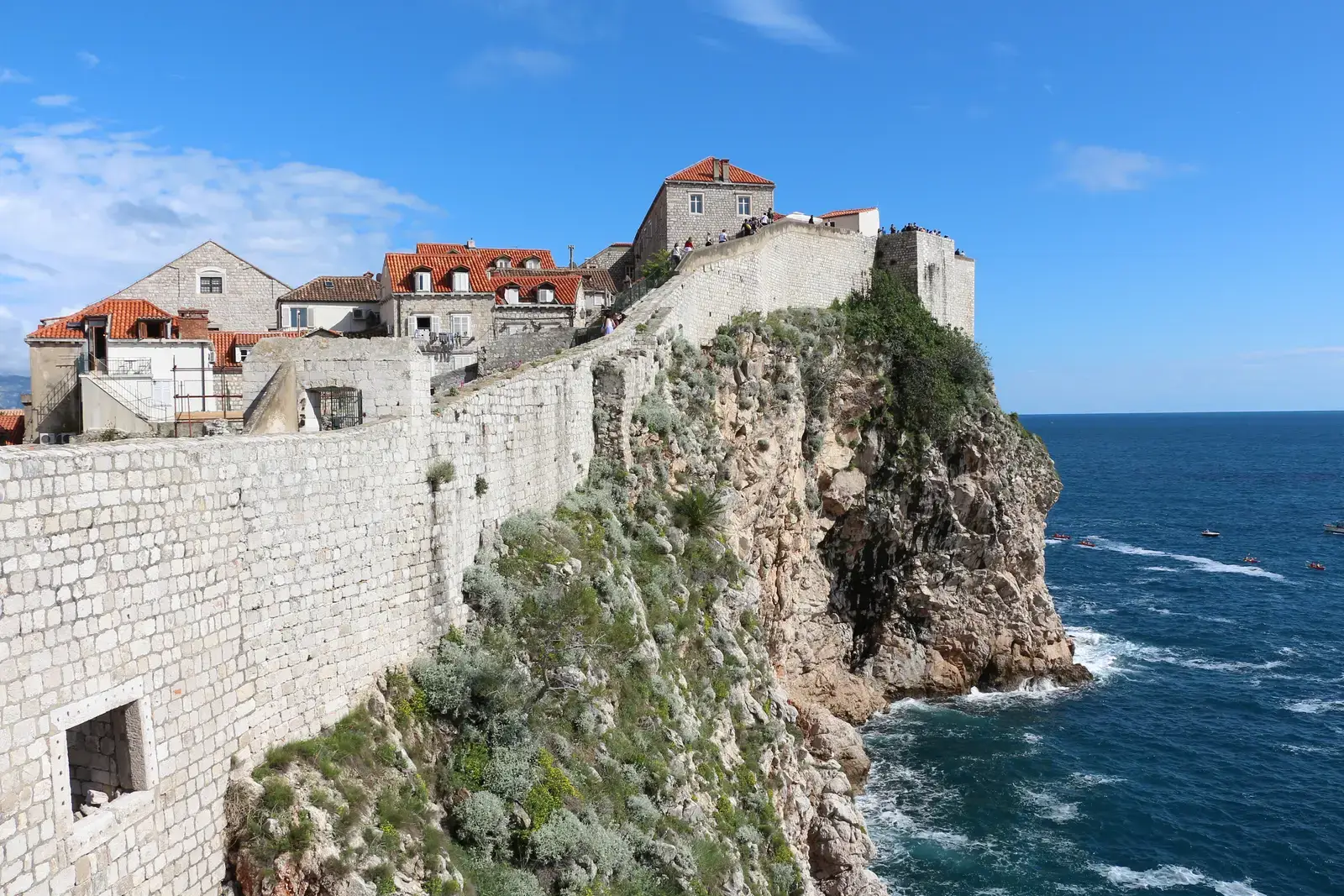
Dubrovnik’s old town is enclosed almost entirely by stone walls that still stand largely intact, giving the city a sealed, almost theatrical quality when viewed from above. Limestone streets, terracotta rooftops, and the Adriatic pressing right up against the fortifications create a color palette that changes dramatically depending on the light and time of day. Walking the city walls themselves has become one of the signature things to do here, offering a full loop above the rooftops and out toward the sea.
The city has faced real strain from overtourism in recent years, particularly during peak summer months, and local authorities have introduced measures to manage cruise ship arrivals and visitor flow through the old town. That tension between preservation and popularity is now part of Dubrovnik’s story, but the underlying architecture, largely rebuilt after the 1667 earthquake and later damaged again during the 1990s conflict, remains a remarkable example of Adriatic maritime heritage restored with care.
6. Edinburgh, Scotland
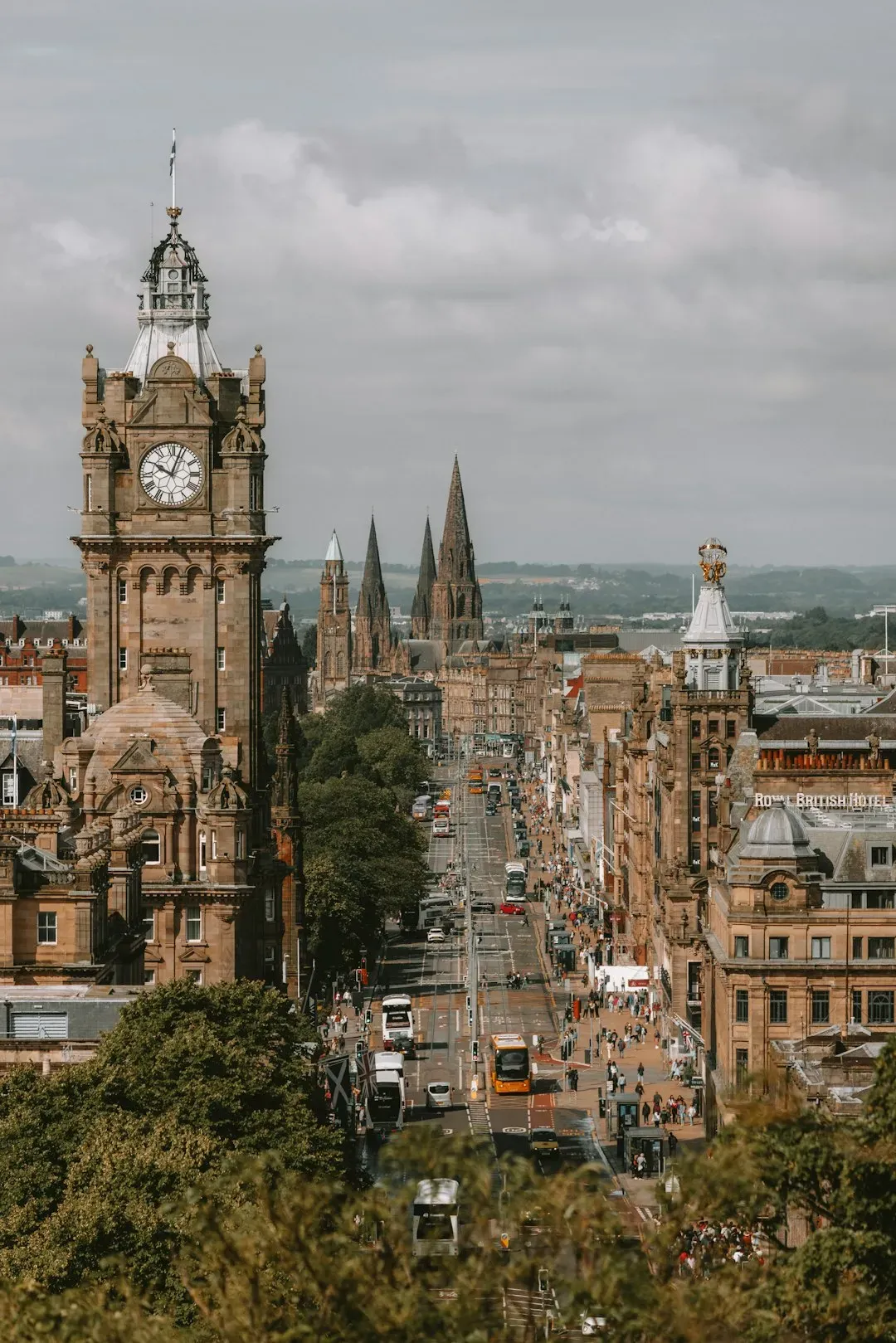
Edinburgh works on elevation and mood as much as architecture. The Old Town’s medieval spine climbs steeply toward the castle, with narrow closes branching off the Royal Mile, while the New Town below unfolds in orderly Georgian squares and crescents. That contrast between chaotic medieval density and planned eighteenth century order is unusual and gives the city a split personality that somehow works.
Both the Old and New Towns were jointly inscribed as a UNESCO World Heritage Site in 1995, one of the relatively rare cases where two distinct planning eras earned recognition together. Arthur’s Seat, an extinct volcano within walking distance of the center, adds a genuinely wild edge that most capital cities cannot claim.
5. Barcelona, Spain
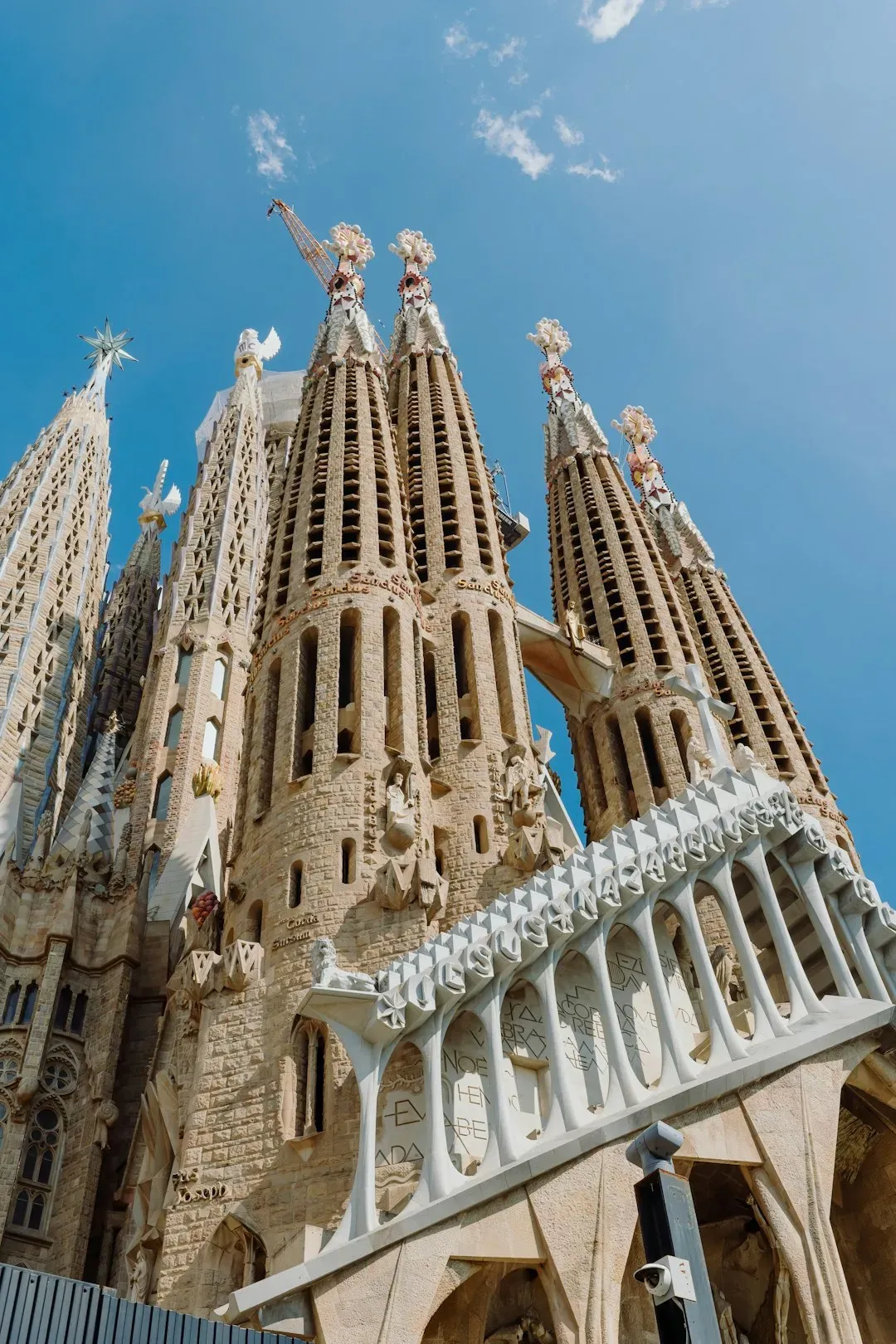
Barcelona’s beauty is unusually deliberate, shaped by one architect’s fingerprints more than most cities can claim. Antoni Gaudí’s buildings, the Sagrada Família chief among them, still under construction more than a century after his death, give the city a visual identity that no other European capital quite replicates. The Gothic Quarter’s tight medieval alleys sit just blocks from Eixample’s grid of Modernist facades, so the shift in eras happens almost instantly.
Seven of Gaudí’s works across the city carry UNESCO World Heritage status, an unusually concentrated recognition for a single architect’s body of work. Add in the Mediterranean coastline running right along the city’s edge, and Barcelona offers a rare combination of beach town ease and dense architectural ambition.
4. Venice, Italy
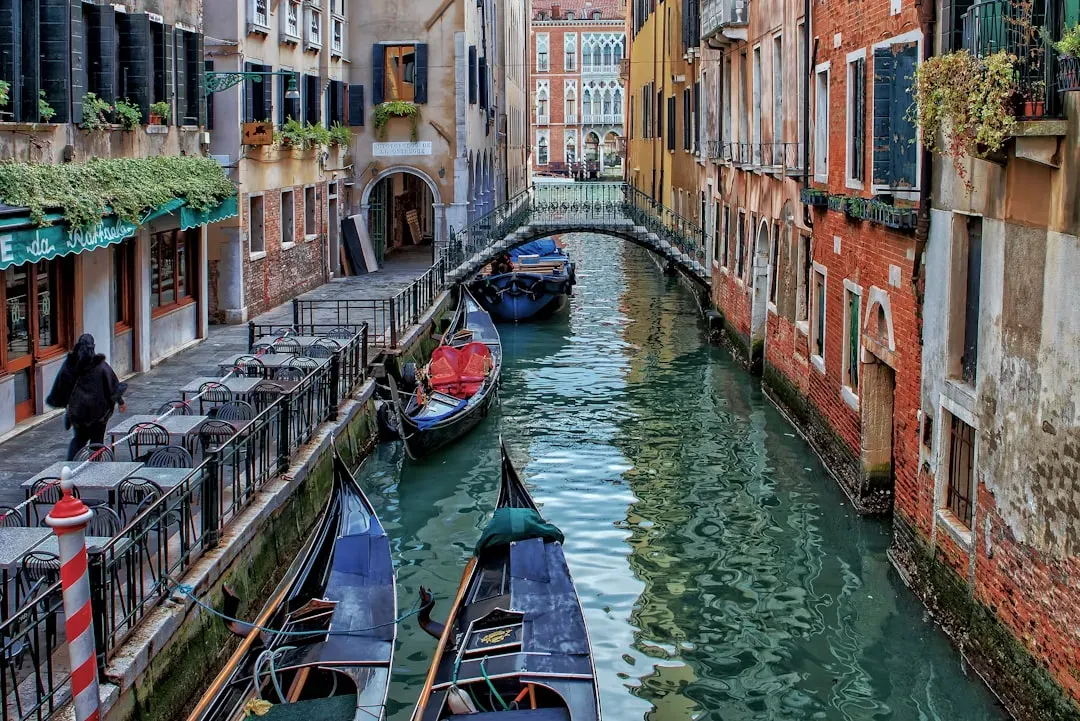
Venice remains genuinely singular. Built across a cluster of islands in a shallow lagoon, the city has 126 islands separated by canals, with portions of the city linked by 472 bridges, and no cars operate anywhere in the historic center. The Grand Canal, lined with palazzos in various states of graceful decay, functions as the city’s main street, and gondolas and water taxis handle the traffic that elsewhere would move on pavement.
The population living in the historic core has shrunk sharply over the decades, and in 2025 only about 47,625 inhabitants lived in the center, more than 70 percent less than in 1952, with the depopulation trend constant since the 1990s. Overtourism has become a serious management challenge, prompting the city to introduce an access fee for day visitors starting in 2024, with the 2025 season extending that fee to cover 54 days, primarily during weekends and holidays between April and July. Despite the strain, the lagoon and city were inscribed as a UNESCO World Heritage Site in 1987, covering an area of over 70,000 hectares, and the visual experience of arriving by water has lost none of its impact.
3. Prague, Czech Republic
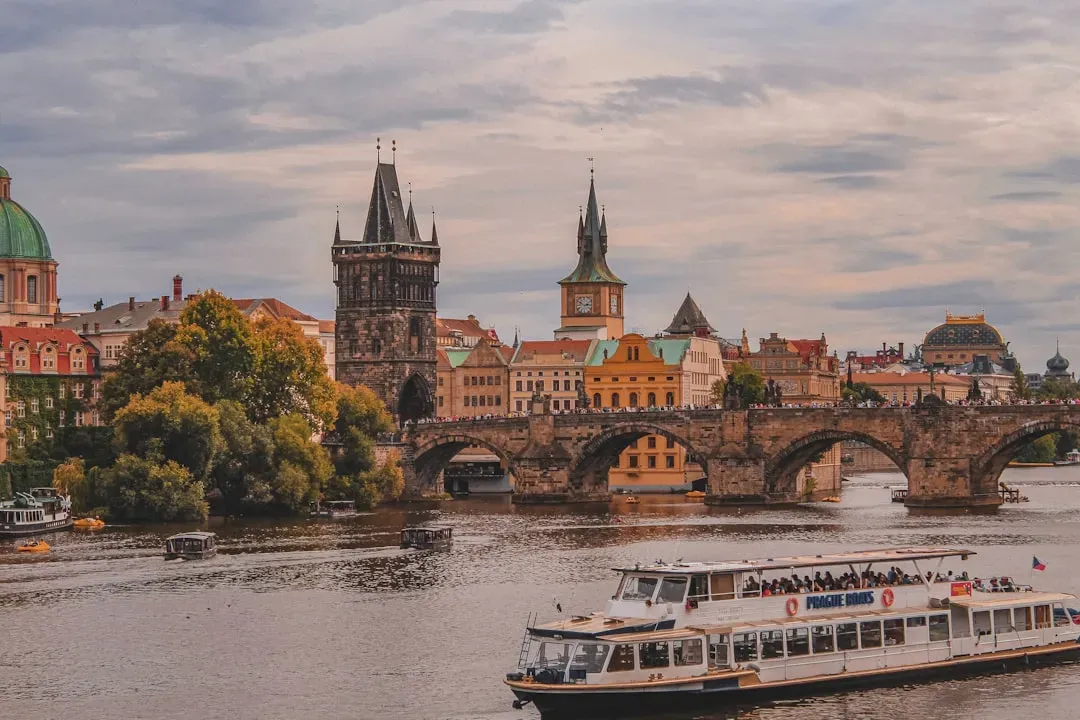
Prague’s Historic Centre spans the Old Town, Lesser Town, and New Town, with the Old Town, the Lesser Town and the New Town, built between the 11th and 18th centuries, speaking of the great architectural and cultural influence enjoyed by this city since the Middle Ages. The Vltava River cuts through the middle, and Prague is one of the most beautiful cities in Europe in terms of its setting on both banks of the Vltava River, its townscape of burger houses and palaces punctuated by towers. Charles Bridge, lined with Baroque statues, connects the two halves and remains one of the most walked stretches of stone in Central Europe.
The entire historic core was inscribed as a cultural world heritage site by UNESCO in 1992, and it stands out as one of few cities in Europe to survive from the Middle Ages. Prague Castle looms over the Lesser Town, and St. Vitus Cathedral inside its walls remains a prominent example of Gothic architecture and one of the most important churches in the country. The blend of Gothic, Baroque, and later Art Nouveau layers gives the city a density of styles that rewards slow, repeated visits rather than a single afternoon.
2. Florence, Italy
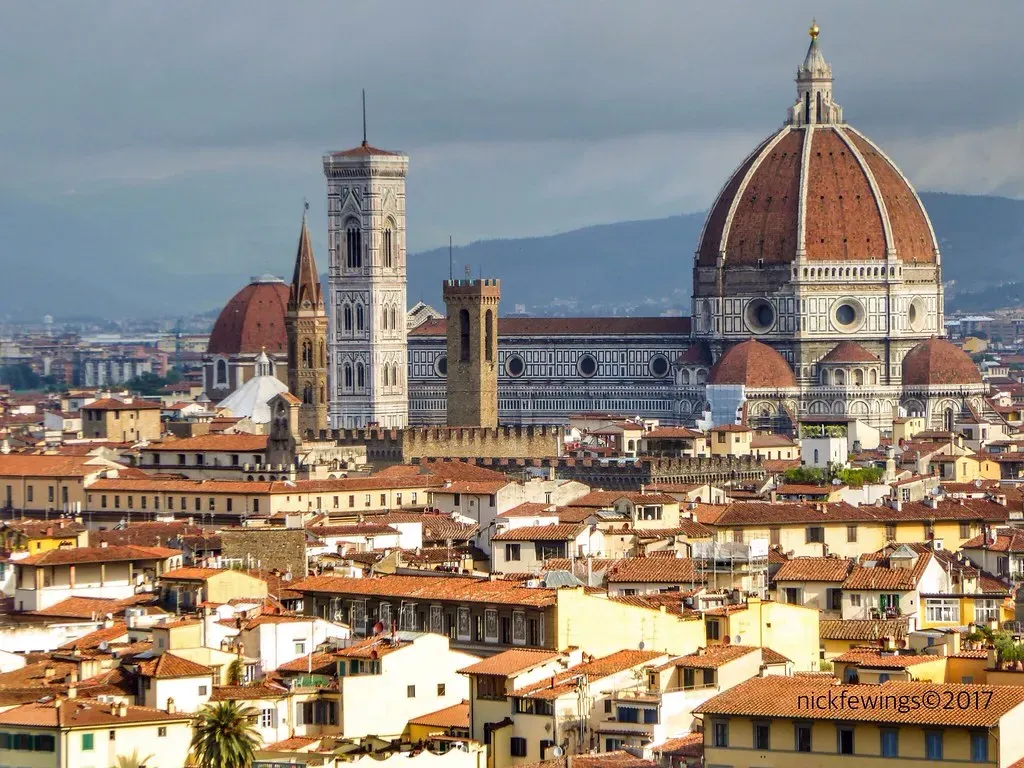
Florence packs an outsized amount of art and architecture into a modestly sized city center, a legacy of Renaissance era wealth and patronage that concentrated talent here for generations. The Duomo’s dome, engineered by Brunelleschi in the fifteenth century, still dominates the skyline and remains visible from nearly every vantage point in the historic core. The Uffizi Gallery, the Ponte Vecchio spanning the Arno, and the Boboli Gardens all sit within easy walking distance of each other.
What sets Florence apart from other Italian cities is how compact its concentration of masterpieces really is. Michelangelo’s David, housed at the Galleria dell’Accademia, and the frescoes scattered across the city’s churches and palazzos reflect a period when Florence functioned as one of Europe’s cultural capitals. The hills surrounding the city, especially the view from Piazzale Michelangelo, offer a full sweep of red tiled rooftops that has barely changed in appearance for centuries.
1. Paris, France
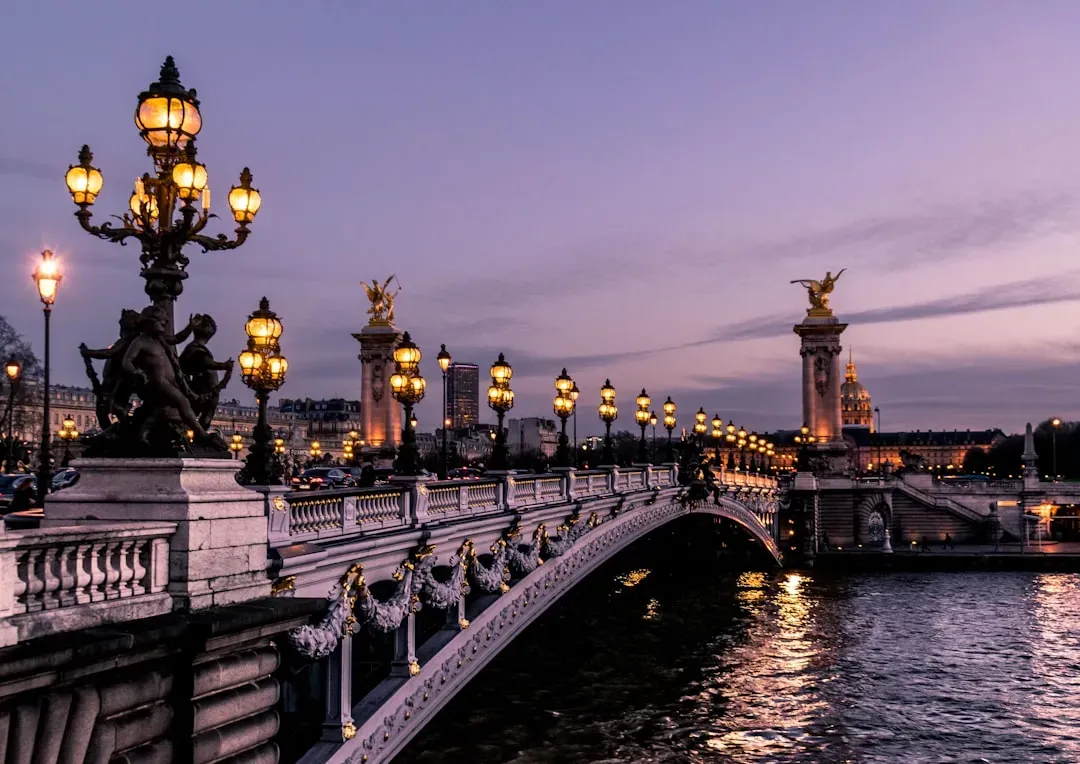
Paris tops the list not for any single landmark but for consistency across an entire city. The Haussmann era boulevards, built in the mid nineteenth century, gave Paris its uniform cream colored facades and wide tree lined avenues, an urban planning decision that still defines how the city looks and feels more than 150 years later. The Seine curves through the middle, with Notre Dame, the Louvre, and dozens of bridges strung along its banks.
Notre Dame reopened to the public in December 2024 after a five year restoration following the 2019 fire, a project that drew global attention and donations, and its return has added fresh energy to the city’s historic core. Beyond the well known monuments, Paris’s strength lies in its neighborhoods, from Montmartre’s hillside streets to the Marais’s narrow medieval lanes, each with a distinct character that somehow still reads as unmistakably Parisian. Few cities manage to feel both monumental and livable at the same time, and that balance is largely what keeps Paris at the top of most lists like this one.





Leave a Reply