
1. The Mandolin Slicer
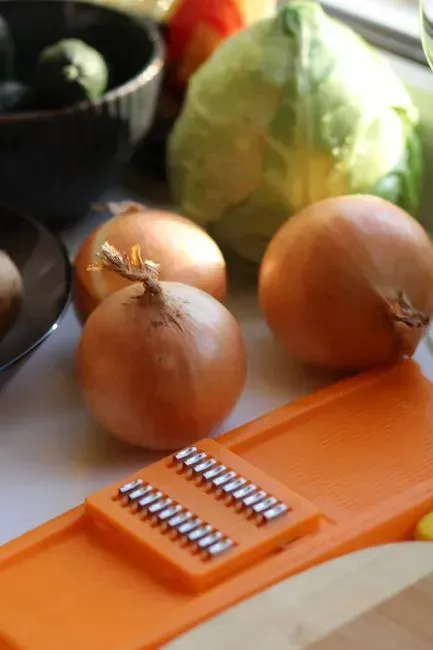
Mandolins promise razor-thin, uniform slices in seconds, and they do deliver on that in a controlled setting. The trouble is what happens outside a professional kitchen, where fewer people use the guard properly. Chef Masaharu Morimoto has pointed out that mandolins can be bulky, hard to clean and risky if you’re not extremely careful, which is a fairly blunt assessment coming from someone who trained in high-volume kitchens.
His bigger concern is what the tool does to your skills over time. He’s noted that while it brings good slices, mastering proper knife skills gives you more control, precision and safety in the long run, and relying too much on a mandolin or tools like a two-in-one apple cutter or a tomato corer can hold you back from developing real technique. In other words, the shortcut becomes a crutch, and a sharp chef’s knife does the same job with none of the storage hassle.
2. The Avocado Slicing Tool
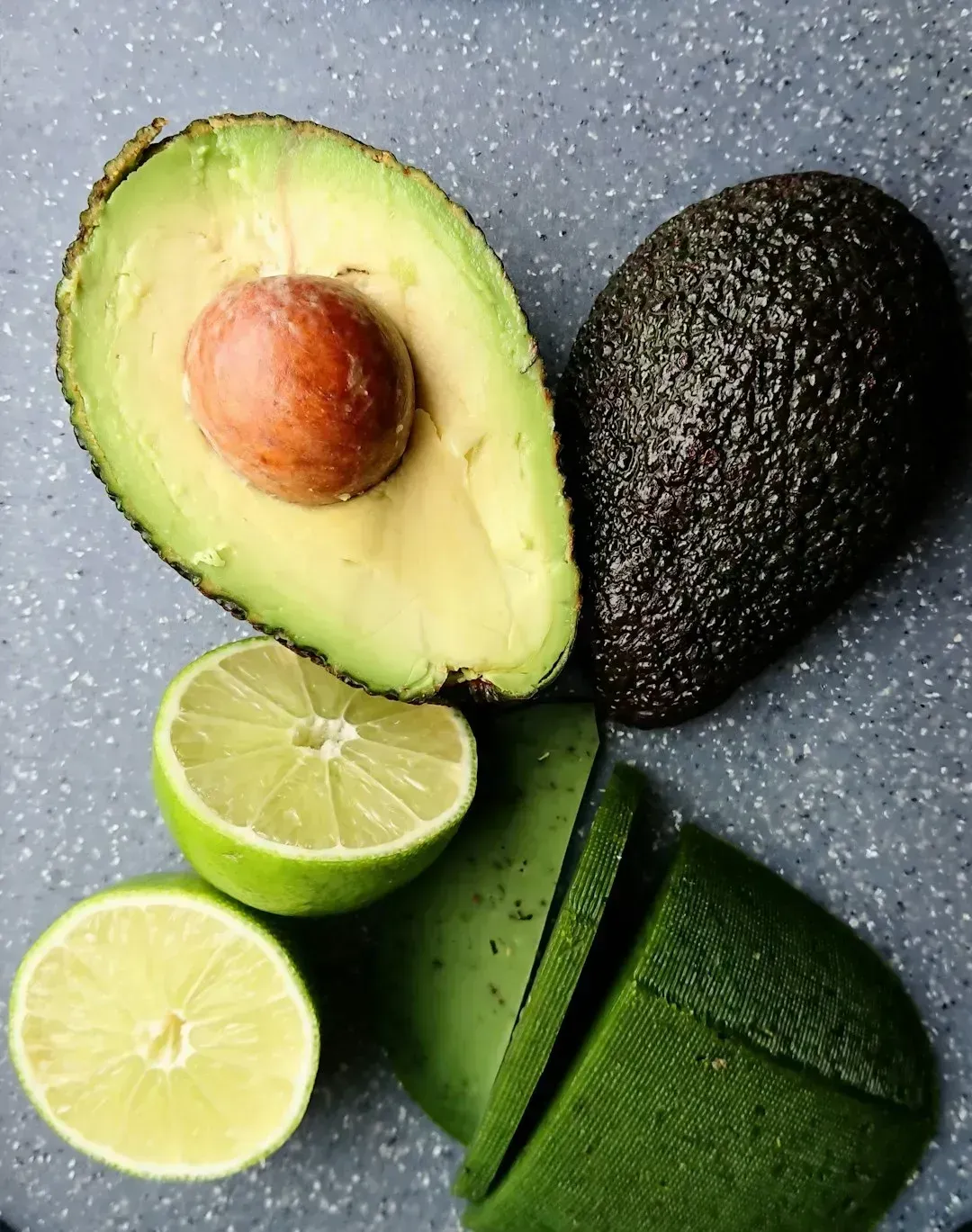
Avocado tools showed up in nearly every kitchen aisle once toast culture took off, combining a splitter, pitter, and slicer into one plastic wedge. Personal chef Richard Ingraham, who has cooked for high-profile clients including Dwyane Wade and Gabrielle Union, isn’t a fan. He’s explained that a knife and spoon do the job just as easily and the specialized tool rarely fits all avocado sizes properly, making it a one-trick pony that clutters drawers.
Avocados vary wildly in size and ripeness, which is exactly the kind of inconsistency a rigid plastic tool struggles with. A basic paring knife adjusts to whatever’s in front of you, whether it’s a small Hass avocado or a larger, softer one. That flexibility is hard to beat, and it’s a big reason chefs keep recommending the simplest option available.
3. The Egg Separator
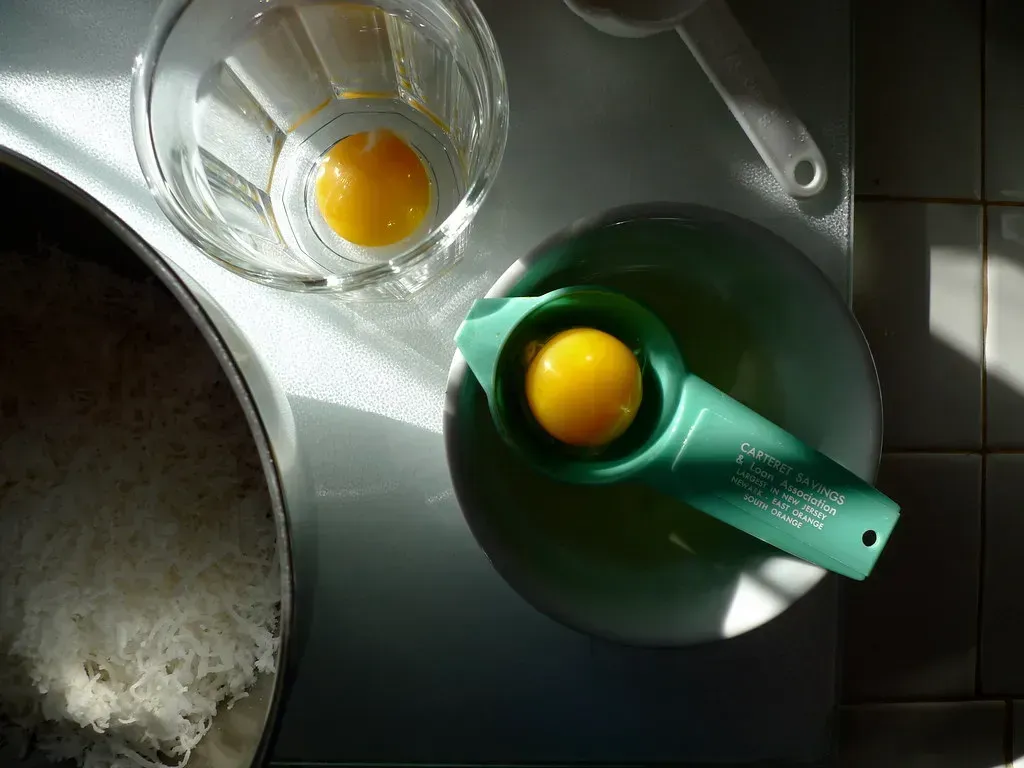
Separating yolks from whites sounds fiddly enough that a dedicated gadget seems reasonable, until you realize how quickly hands or shell halves get the job done. Ingraham has been direct about this one too, noting that a tool just for separating yolks is unnecessary for most home cooks. It’s a task that takes seconds once you’ve done it a few times.
The alternative chefs point to is almost embarrassingly low-tech. As one put it, cracking an egg and using the shell halves or your fingers works just as well. No extra piece of plastic to wash, no risk of the tool cracking or losing a part in a drawer somewhere.
4. The Silicone Garlic Peeler

These tube-shaped silicone rollers are supposed to loosen garlic skins with a quick shake, and to be fair, they do work reasonably well. The issue chefs raise isn’t performance, it’s necessity. Ingraham has noted that rolling garlic cloves in a silicone tube may work but requires storing a single-purpose gadget, and storage space in most home kitchens is limited.
The recommended fix is almost comically simple: smashing garlic cloves with a chef’s knife is quicker and more reliable. Pressing down on a clove with the flat side of a blade loosens the papery skin in one motion, no rolling or shaking required. It’s one less item competing for space next to the stove.
5. The Electric Can Opener
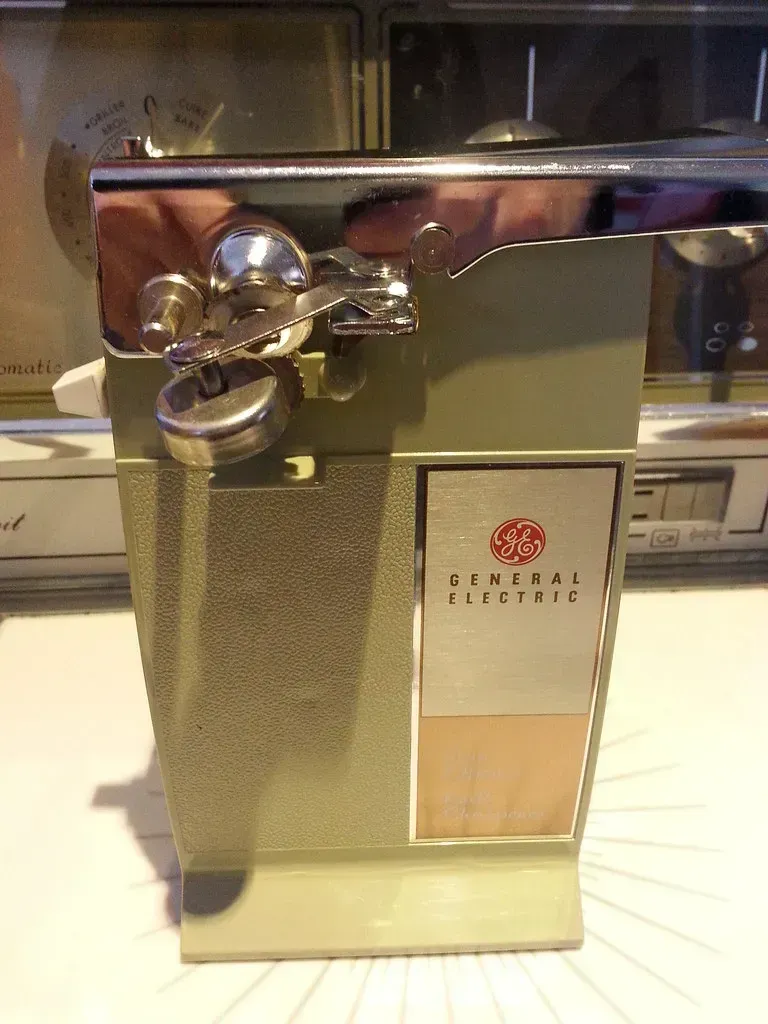
Electric can openers were once considered a kitchen upgrade, the kind of countertop fixture that signaled a modern household. Cookbook author Peter Som has a different take now, describing them as something that’s more nostalgia than necessity, taking up space, being a hassle to clean and often struggling with irregularly sized cans.
A manual can opener, by contrast, does the job without needing an outlet or maintenance. Som has pointed out that a good manual opener is compact, reliable and gets the job done without needing an outlet or a user manual. For a task performed maybe a few times a week, that simplicity tends to win out over the electric version’s bulk.
6. The Onion Holder

Onion holders, sometimes shaped with sharp prongs to grip a whole onion in place, are marketed as safety tools for chopping without a cutting board slip. Culinary instructor Eric Rowse of the Institute of Culinary Education has a memorable way of describing them, joking that these look like a weapon for Wolverine wannabes; it’s meant to help you hold a whole onion and “chop” it.
His actual advice skips the gadget entirely. He recommends that cooks cut the onion in half to create a flat surface so it won’t roll away, and if you’re trying to cut rings, save the money and stick a fork in the root and hold the fork. A stable cutting surface solves the same problem the gadget claims to fix, at no extra cost.
7. The Electric Egg Cooker
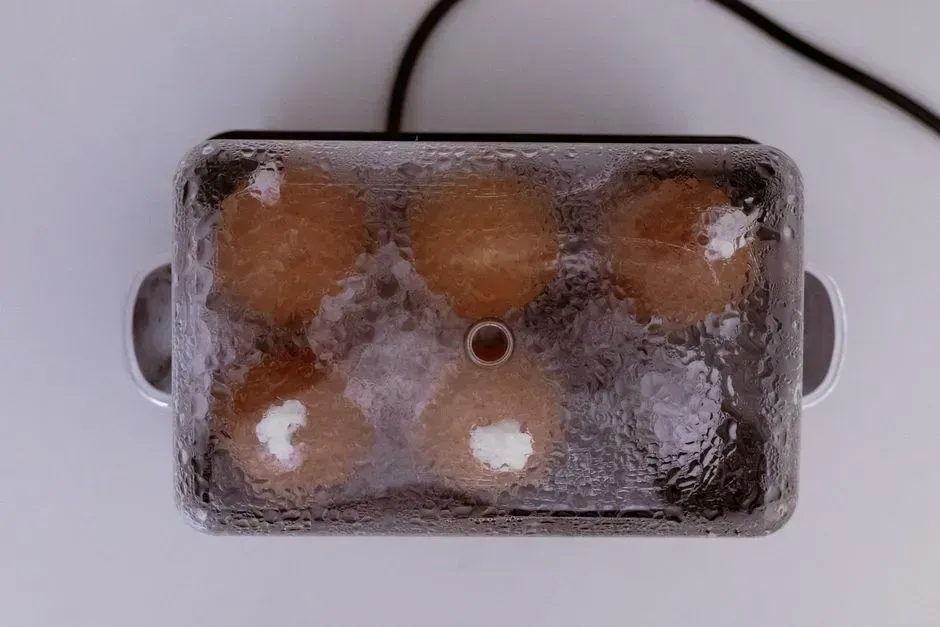
Electric egg cookers promise perfectly boiled eggs without watching a pot, which sounds appealing until you consider how straightforward boiling eggs already is. One chef summed it up simply: boiling eggs in a pot is straightforward and flexible. There’s no learning curve to speak of, and a pot is something every kitchen already has.
The verdict on the electric version is that the electric version just adds clutter unless you boil eggs constantly and hate using a stove. For most households, that’s a fairly narrow use case. A stovetop pot and a timer accomplish the same result without adding another single-purpose appliance to the counter.




Leave a Reply