
1. Cottage cheese

Cottage cheese has gone from a diet-era relic to one of the dairy aisle’s biggest success stories. SPINS data shows refrigerated yogurt drinks grew more than 22% year over year while cottage cheese sales increased more than 20%, reflecting demand for high-protein staples with familiar formats. That kind of growth for a decades-old product is unusual, and it points to shoppers looking for protein in forms they already trust rather than chasing something entirely new.
Part of the appeal seems to be simplicity. Cottage cheese doesn’t need a marketing gimmick to explain what it does, it’s just protein-dense, familiar, and cheap compared to newer high-protein snacks. That combination is exactly what value-conscious shoppers in 2026 are looking for.
2. Meat snacks

Jerky, meat sticks, and similar snacks have moved from convenience-store impulse buys to a mainstream grocery category. Meat snack sales have increased more than 45% in the past four years, reaching $4.4 billion annually, according to Circana. That growth has not gone unnoticed by manufacturers, either.
In 2025, several plants opened or began construction across the country, including investments from popular brands like Chomps, Jack Link’s and Archers, with Jack Link’s announcing a $450 million investment for a new plant in Georgia while Chomps builds new manufacturing facilities in Missouri and Nebraska. Those kinds of capital commitments only happen when a company is confident demand will keep climbing rather than fade out.
3. Fermented cabbage products

Cabbage might be the least expected entry on this list, but the numbers back it up. Amazon’s grocery unit reported about 12% year over year growth in cabbage sales in 2025, with a 12% increase for pre-packaged cabbage, 25% for fermented cabbage products such as sauerkraut and kimchi, 16% for organic cabbage, and 23% for ready-to-eat salads. The fermented category is clearly doing the heavy lifting here.
That surge lines up with a broader shift toward gut-health foods. Cabbage’s central role in sauerkraut, kimchi, and other fermented, gut-health-oriented foods ties directly to consumer interest in digestive health and functional foods, already highlighted in past trend reports. It’s a reminder that not every 2026 grocery trend is about protein. Some of it is about digestion, plain and simple.
4. Ready-to-drink protein shakes

Liquid protein has quietly become one of the fastest-moving categories in the beverage cooler. Within RTD, clear protein RTD shakes drove the highest sales growth in 2025, up 34%, followed closely by dairy-based drinks such as ultrafiltered protein shakes, up 25%, and protein waters, shots and sodas, up 12%. That’s a steep climb for a category that barely existed in its current form a few years ago.
The shift toward drinkable protein also reflects changing habits, not just taste preferences. RTD protein has grown at a 13% two-year CAGR, household penetration climbed to 39.9% and repeat purchase rates continue to rise, signs that protein has moved from an athletic product to a daily habit. People aren’t just buying these once for a gym kick. They’re restocking them like milk.
5. Protein chips and crisps
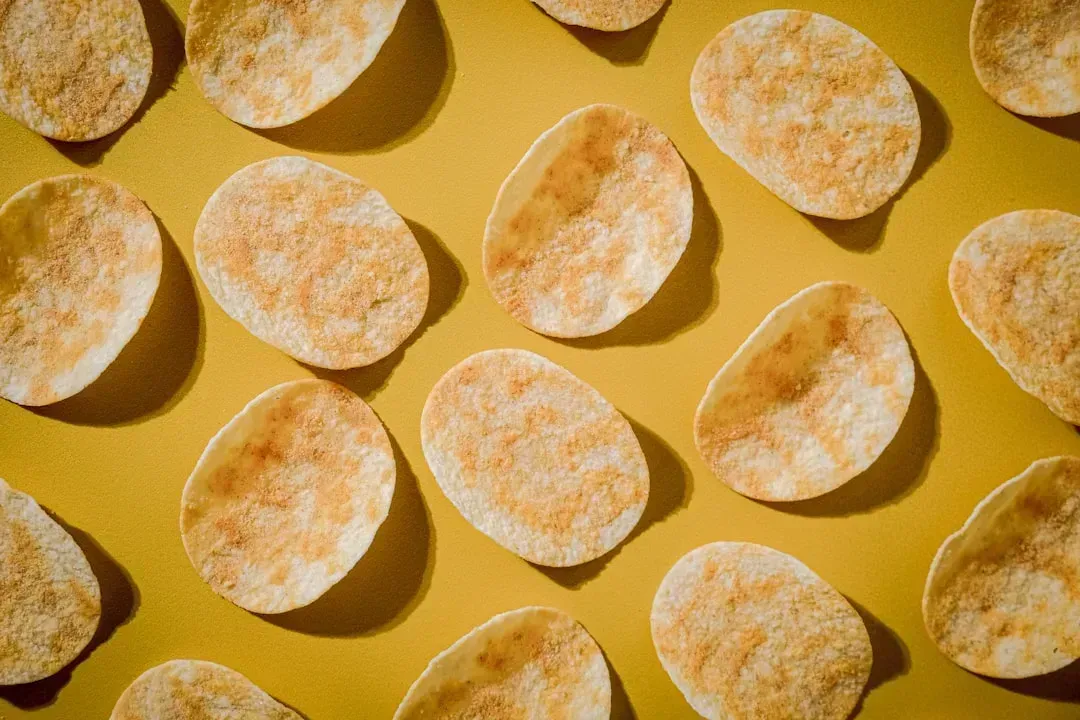
Savory snacking has caught up to the protein wave, and chips are leading that charge. Meat snacks dominate the broader protein snacks market with a 55.02% revenue share, though chips and crisps register the quickest growth at a 9.02% CAGR. That growth rate outpaces almost every other format in the category.
The appeal is fairly intuitive. Shoppers already reach for chips out of habit, so a protein-boosted version doesn’t require a change in behavior, just a swap on the shelf. Chips and crisps stand out as the fastest growing product type from 2026 to 2033, driven by savory snacking innovation that pairs the world’s most popular snack format with high-protein functionality.
6. Fiber-enhanced breakfast foods
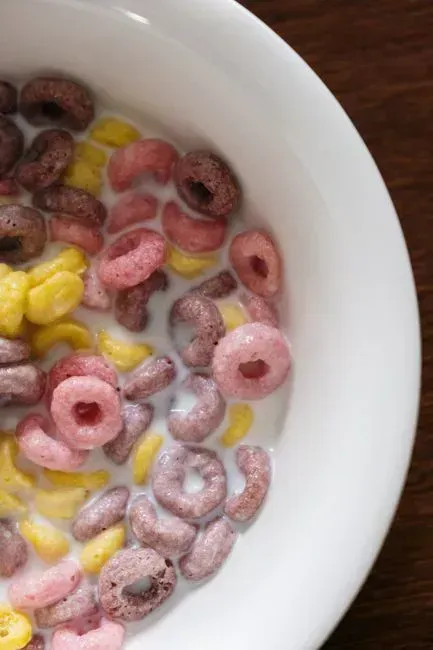
If protein was the headline nutrient of the past few years, fiber is quickly becoming its co-star. Snacking continues to dominate eating patterns, and grocery sales of FDA-designated high-fiber products grew across multiple categories, with fiber supplements up more than 700% and fiber-enhanced breakfast foods up 85%. Those are not modest increases. They suggest a genuine shift in what shoppers expect from their morning routine.
Cereal companies and bar makers have responded fast, layering fiber claims onto products that used to be sold purely on convenience or sweetness. Trends in fiber consumption such as “fibermaxing,” a practice that involves consuming a significant amount of fiber, started in 2025 and is likely to continue into 2026. Breakfast, it turns out, is where a lot of that fiber math happens for busy households.
7. High-protein yogurt and yogurt drinks
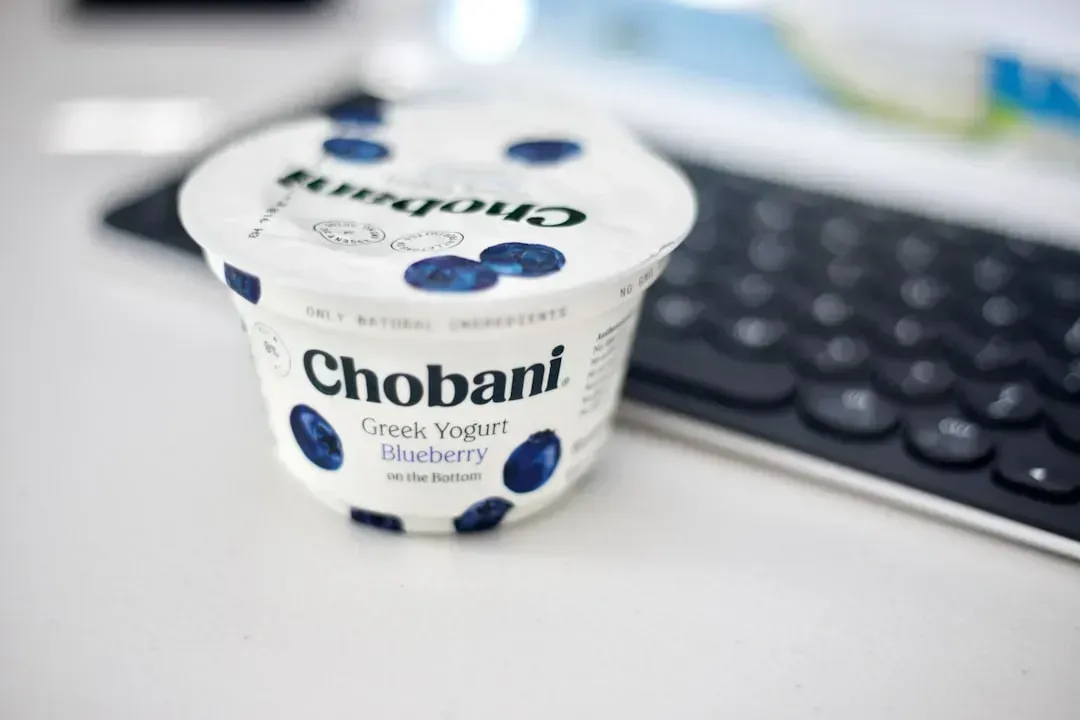
Yogurt has always had a health-food reputation, but the 2026 version leans harder into raw protein numbers than ever before. Leading brands report strong growth in high-protein yogurt and new protein-plus-fiber bowls, aligning both with weight-management needs and broader consumer interest in protein. That dual appeal, satiety plus nutrition, is exactly what’s driving repeat purchases.
There’s also a connection to newer weight-management trends shaping grocery lists. A 2025 study found that within six months of starting weight-loss drugs, households cut grocery spending by an average of 5.3%, with less spending on savory snacks, fast food, and coffee shops, but more on yogurt, fresh fruit, nutrition bars, and meat snacks. Yogurt has ended up as one of the clear winners of that spending reshuffle.
8. Store-brand pantry and dairy staples
Private label groceries aren’t a niche budget option anymore, they’re becoming the default choice for a huge share of households. Private label has become a central force in food shopping trends, with SPINS reporting 100% household penetration and Gen Z household buyers up 22% year over year. That’s not a small shift, it’s essentially every household buying at least some store brand items.
Shoppers also aren’t treating this as settling for less. 44% of shoppers say they are buying more store brands than last year, and 88% plan to maintain or increase private-label purchases in 2026. Trust in the quality of these products has caught up to, and in some categories surpassed, trust in national brands.
Taken together, these eight categories paint a picture of a grocery cart that looks noticeably different than it did just a few years back. Protein and fiber claims are everywhere, fermented foods have found a mainstream audience, and store brands have shed their old reputation as the fallback option. None of this happened overnight, but the sales data makes the shift hard to ignore.


Leave a Reply