
Some stories survive for centuries because people love them, and some survive because they’re true. Scholars have often been quick to file old accounts under legend, especially when they involved lost cities, strange animals, or sweeping floods of events nobody could check.
Then a shovel hits stone, a sonar scan picks up a shape, or a new lab method reads old bones. The twelve cases below are ones where doubt gave way to evidence, drawn from well-documented archaeology, history, and science.
Troy and the Homeric Epics

For a long time, the Trojan War was treated as poetry rather than history. In the 1870s, Heinrich Schliemann dug at Hisarlik in northwestern Turkey and argued that he had found the city Homer described. His methods were rough and damaged the site, yet the location was right.
Later excavations showed a long sequence of settlements with fortifications and signs of destruction. Whether a single great war happened as the Iliad tells it remains debated, but Troy itself was a real, substantial place.
The Palace of Knossos and the Labyrinth Legend
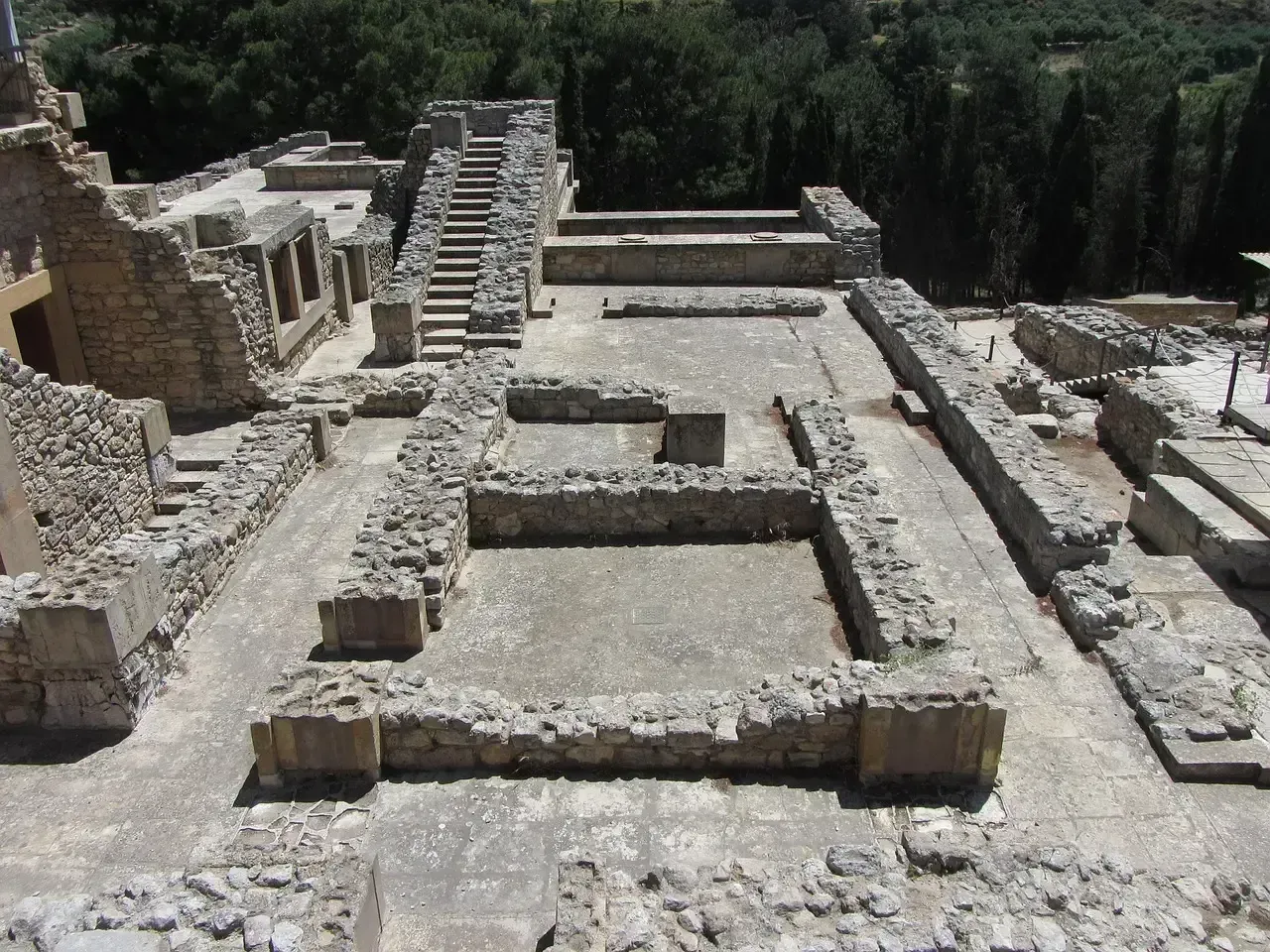
The myth of King Minos and his labyrinth sounded like pure fantasy. Arthur Evans began excavating at Knossos on Crete in 1900 and uncovered a vast, complex palace with hundreds of rooms. The tangled layout may well have fed the labyrinth tradition.
The dig revealed a sophisticated Bronze Age civilization, now called Minoan, that earlier historians barely knew existed. Evans’s reconstructions are criticized today, but the palace and culture are firmly established.
The Hittite Empire
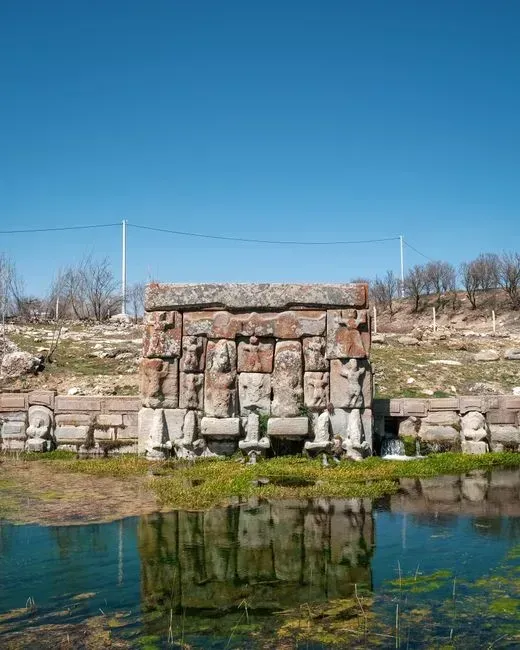
The Bible mentions the Hittites, but for ages there was little outside evidence of a major power by that name. Then clay tablets and monumental ruins turned up in central Turkey. The site of Hattusa, the Hittite capital, was identified near Boğazkale.
Archive tablets there, written in cuneiform, record diplomacy with Egypt, including a famous peace treaty. A people once seen as a minor footnote turned out to be a major Late Bronze Age empire.
The Viking Settlement at L’Anse aux Meadows
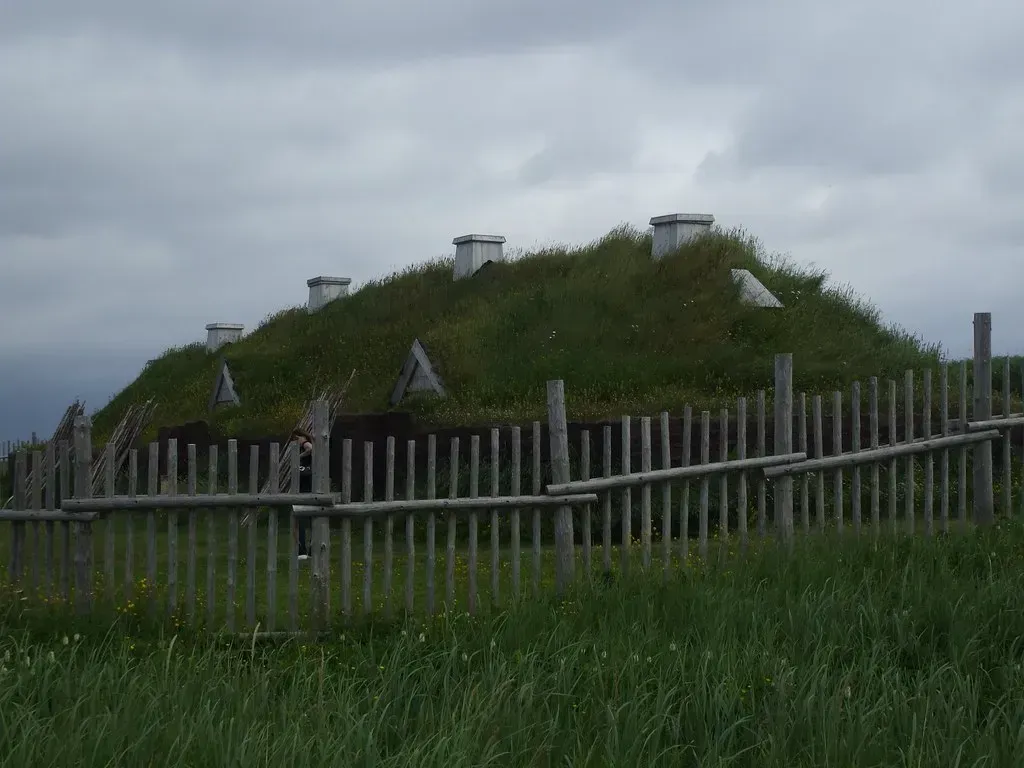
Norse sagas described a land called Vinland, but many historians doubted that Europeans reached North America before Columbus. In 1960, Helge Ingstad and Anne Stine Ingstad located a settlement at L’Anse aux Meadows in Newfoundland. Excavations revealed turf buildings and iron working, which local Indigenous peoples did not practice at the time.
A 2021 study in Nature used a solar storm signal in tree rings to date wood cut by metal tools to the year 1021. That gave a precise, verified date for Europeans in the Americas.
The Giant Squid

Sailors’ tales of enormous sea monsters, including the legendary kraken, were long brushed aside. Yet carcasses and fragments of giant squid washed ashore and were studied in the nineteenth century, which established the animal as real.
Living giant squid were a much harder prize. Japanese researchers filmed one in its natural deep sea habitat in 2012, and a 2019 expedition in the Gulf of Mexico captured one on camera as well.
The Mountain Gorilla

Reports from Africa of huge, powerful apes were long treated as travelers’ exaggeration. Western science only formally described the gorilla in the 1840s, after specimens reached researchers. Mountain gorillas were documented in 1902, when a German army officer, Robert von Beringe, shot two on a volcano in what is now Rwanda.
That confirmed a distinct population that locals had known about for generations. Today mountain gorillas are a conservation priority, listed as endangered.
The Ancient City of Pompeii
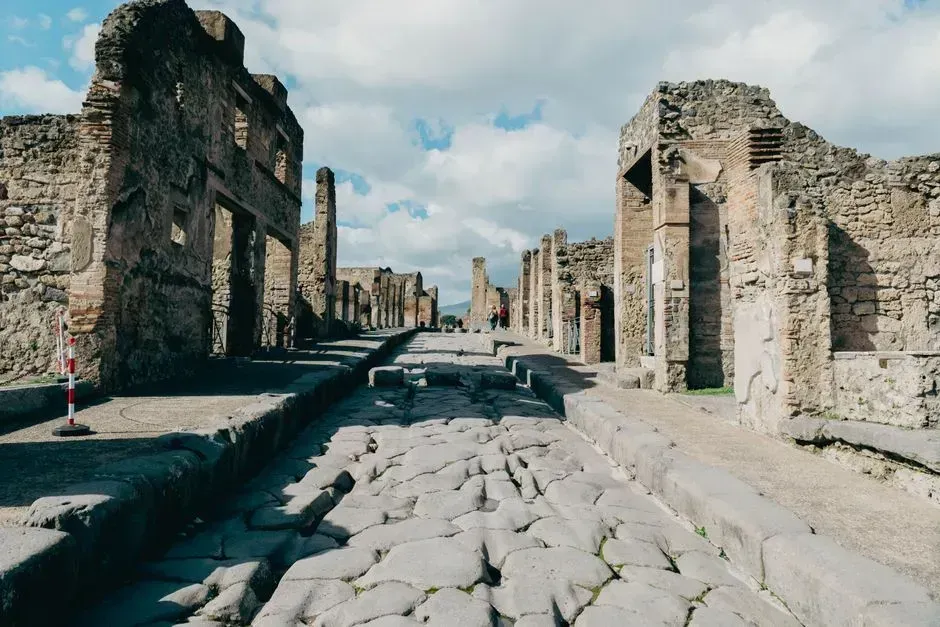
Roman writers recorded the eruption of Vesuvius in 79 CE, yet the exact fate of the towns around the volcano faded from common memory. Systematic digging at Pompeii began in the eighteenth century and revealed streets, houses, and frescoes preserved under ash. The finds matched the written accounts closely.
Work there continues. Archaeologists have kept uncovering new homes and artworks in recent years, showing the site still has plenty to teach.
The Royal Tombs of Ur
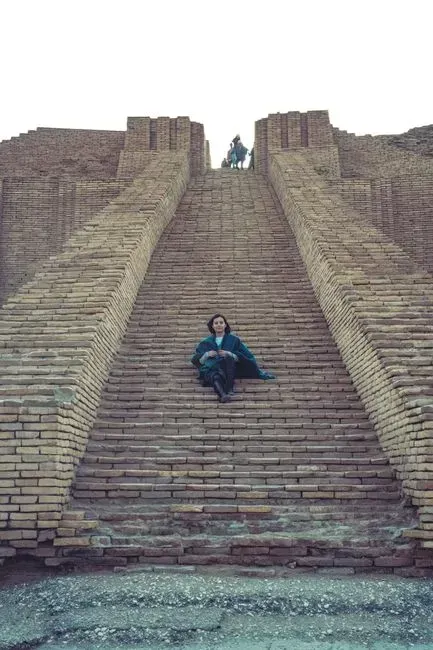
Ur appeared in biblical tradition, but many doubted it was a real, important Mesopotamian city. Leonard Woolley’s excavations in the 1920s and 1930s in southern Iraq uncovered a huge ziggurat and a royal cemetery from about 2500 BCE. The graves held gold, lapis lazuli, and elaborate musical instruments.
The finds proved that Sumerian city states were wealthy and highly organized. Ur went from scriptural name to well documented archaeological site.
Doggerland, the Drowned Land Beneath the North Sea
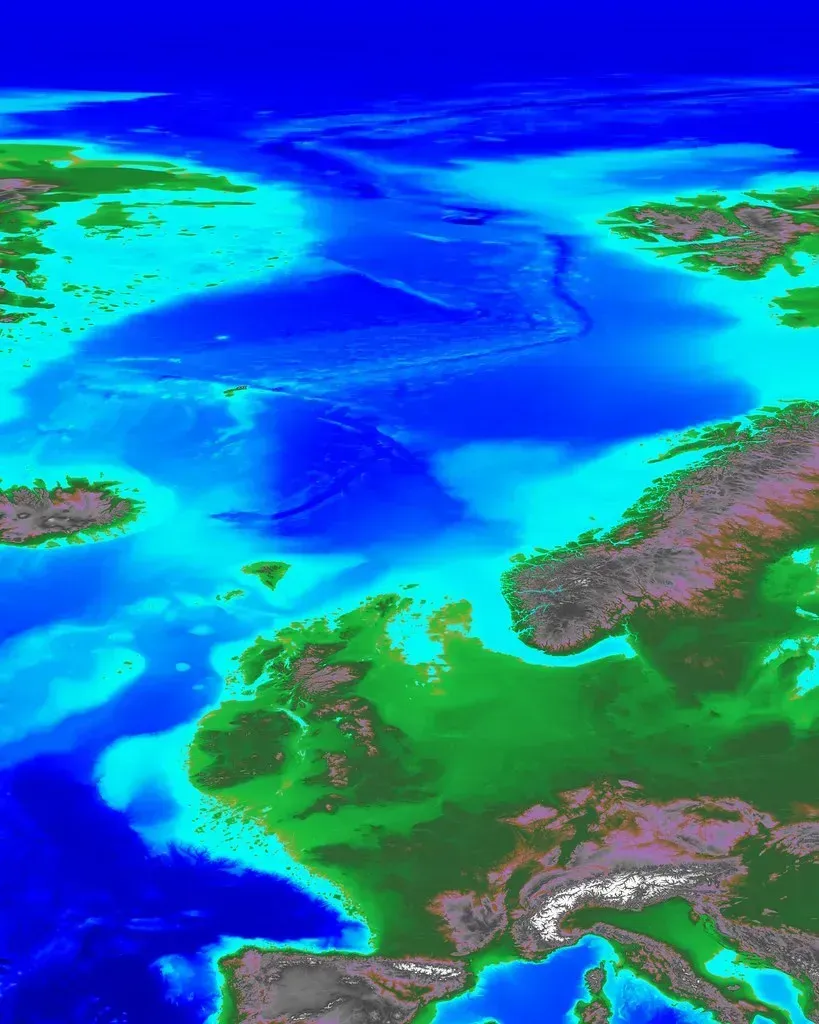
The idea of a lost land between Britain and Europe sounds like folklore. Yet at the end of the last Ice Age, a landmass did connect them, and rising seas gradually flooded it. Fishing boats have trawled up animal bones and worked tools from the seabed for decades.
Seismic survey data has also been used to map a submerged landscape of hills, rivers, and lagoons. Researchers have even found ancient human activity there, such as a Mesolithic footprint site traced off the English coast.
The Terracotta Army

The ancient historian Sima Qian wrote that the first emperor of China was buried with a vast replica of his empire. For many centuries, nobody could confirm the scale of it. In 1974, farmers digging a well near Xi’an struck fragments of clay soldiers.
Excavation revealed thousands of life sized figures, with chariots, horses, and weapons. The main tomb mound has not been opened, and the text’s description of the burial chamber remains partly unverified.
The Lost City of Machu Picchu and Inca Engineering

Tales of hidden Inca strongholds in the Andes sounded romantic, and outsiders had little proof. Hiram Bingham brought Machu Picchu to international attention in 1911, though local families knew the site already. It is now recognized as a royal estate built in the fifteenth century.
A 2021 radiocarbon study of human remains from the site suggested occupation began around 1420, earlier than the long accepted date. That pushed back its timeline by several decades.
The Biblical King David and the House of David Inscription
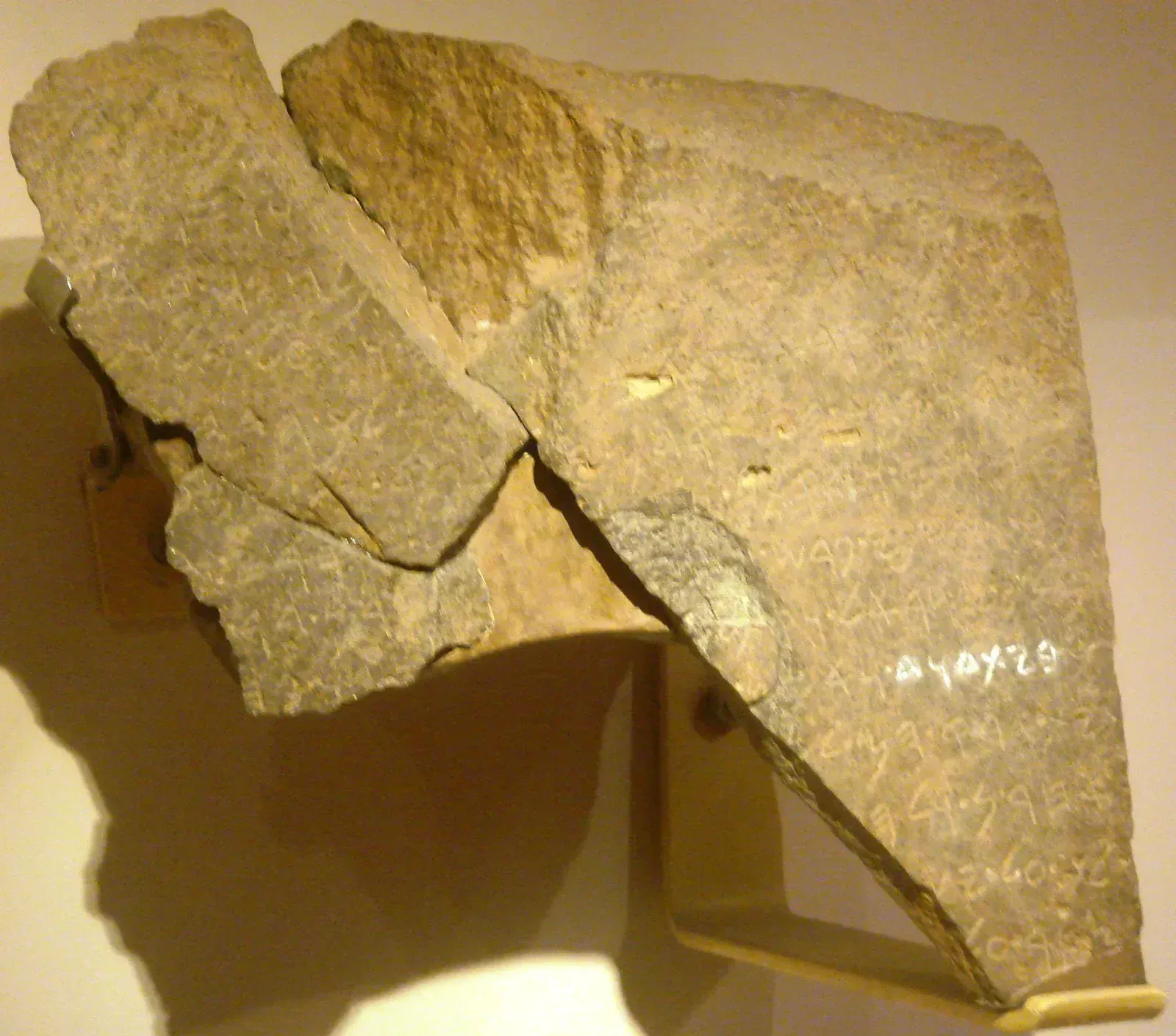
Some scholars once argued that King David was a literary invention with no historical trace. In 1993, archaeologists at Tel Dan in northern Israel found a stone fragment from the ninth century BCE. Its Aramaic text appears to refer to a house of David.
Many researchers read that as outside evidence of a Judean dynasty. The inscription does not prove the biblical portrait of David, and debate over his kingdom’s size continues.




Leave a Reply