
Most of us have stood in the kitchen staring at a dead appliance and wondered whether a repair is even worth the phone call. The reflex is often to start shopping. Repair counters and neighborhood workshops tend to see things differently, because they spend their days learning which failures are cheap and which are not.
The eight items below come up again and again in repair advice. A few ground rules first. Repair guides commonly suggest fixing an item when the bill is under half the replacement cost and the appliance is under ten years old. Treat that as a starting point, not a law, and ask for a written quote before you decide.
Refrigerators
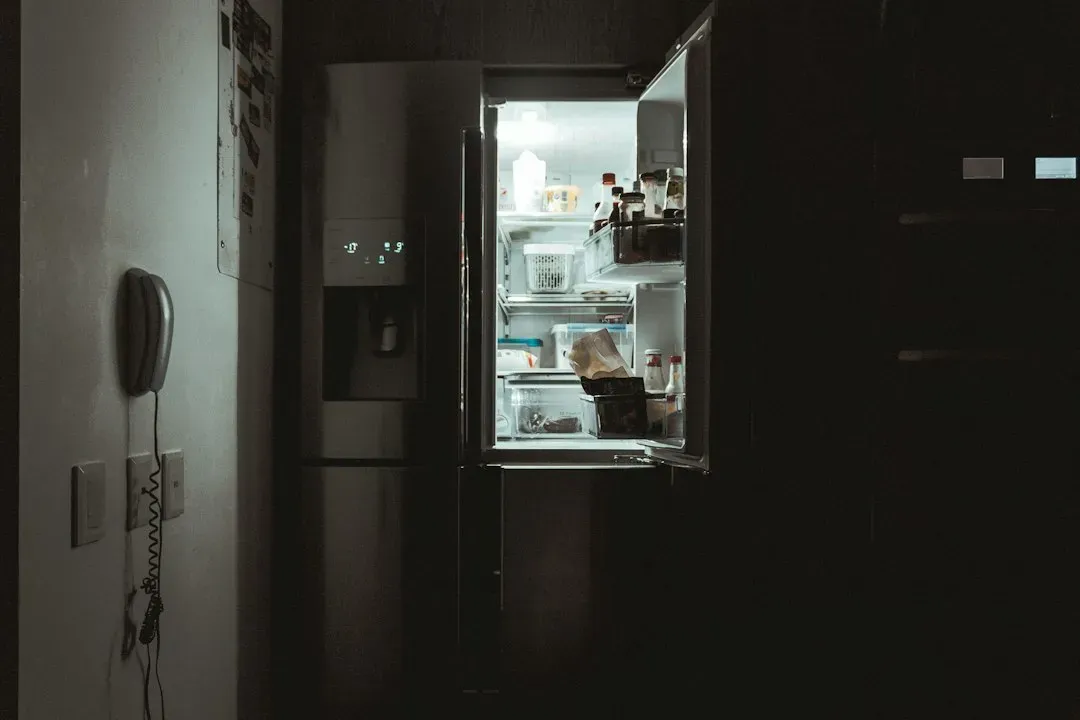
A fridge is a big purchase, and it’s usually the first thing worth saving. Technicians say a refrigerator made in 2005 can often run another decade with a simple compressor or relay replacement. Parts like relays and thermostats are common, so the fix is often more modest than owners fear.
Older models also tend to have simpler electronics. Newer ones may depend on expensive proprietary boards, which can change the math. If your fridge is still cooling well apart from one failed part, a quote is worth getting.
Washing Machines
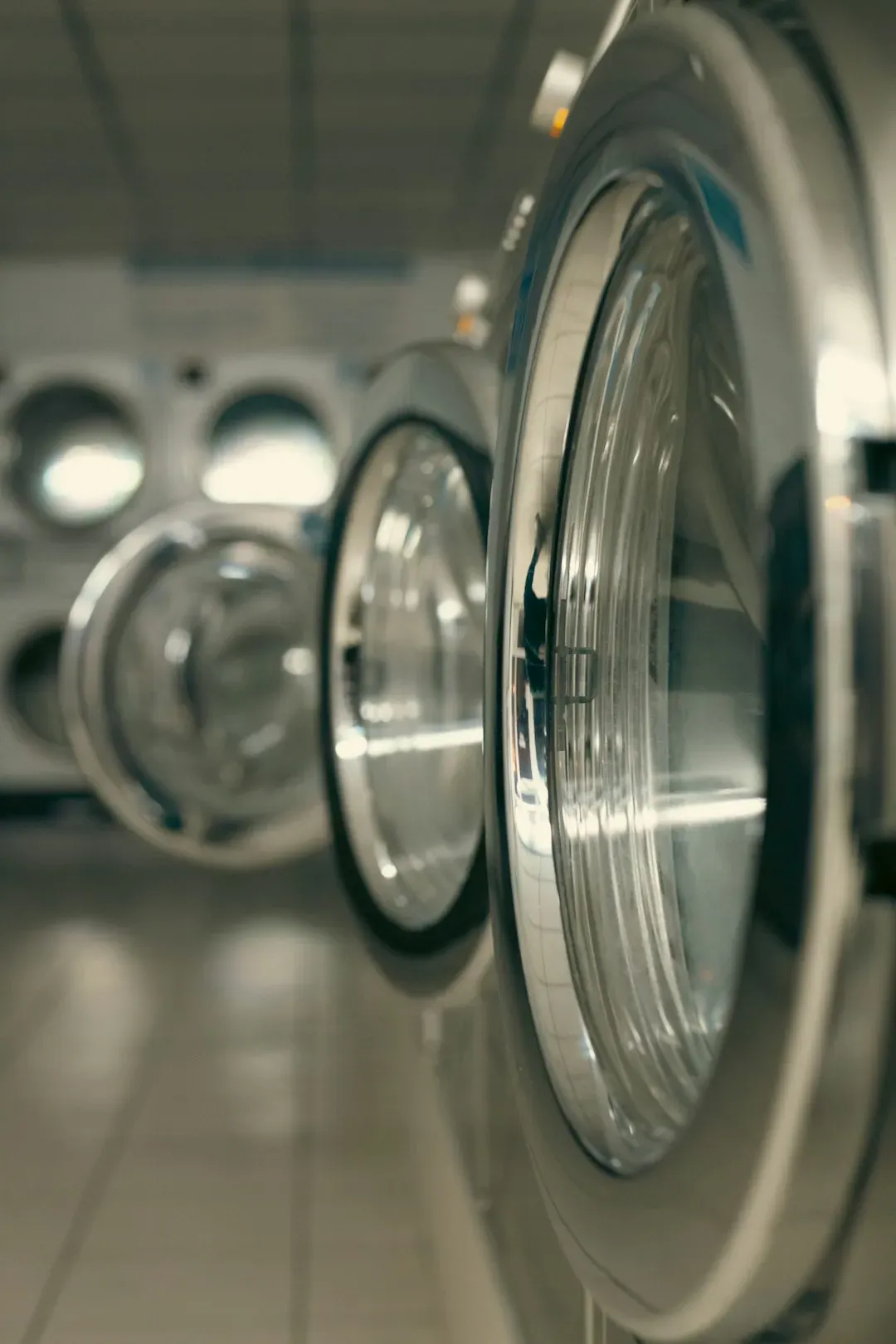
Washers often fail in small, fixable ways. Drain pumps, door seals, belts and water inlet valves are typical culprits, and they cost far less than a new unit. A technician can usually tell you quickly which one it is.
Think about age and the rest of the machine before paying. A relatively young washer with one bad part is a good candidate. An older one with a rusted drum or a leaking tub is a different story.
Laptops

Slow doesn’t mean finished. Owners are swapping in solid state drives, new batteries, and additional memory to revive machines sold as early as 2014. Those upgrades can cut startup time and extend a machine’s life without replacing the whole device.
Cost matters here too. One source notes that a $120 upgrade can match the performance of far more expensive replacements. Check first that your model has accessible parts, since not every laptop is built to be opened.
Wooden and Upholstered Furniture

Furniture is where repair often beats replacement outright. Wobbly legs, loose joints and worn drawer slides are routine jobs for a woodworker. DIY classes and maker spaces now teach some of these skills, so simple fixes may even be within your reach.
Upholstery is another good bet. Upholstery shops are thriving as families re-cover chairs inherited from relatives. A solid frame is the thing to look for, because fabric is the easy part to change.
Vacuum Cleaners

When a vacuum loses suction, the cause is often a clogged filter, a split hose or a worn belt. These are among the cheapest repairs in the house. Many shops will diagnose them quickly, and some owners can do it themselves.
Batteries on cordless models are the usual exception. If the motor is healthy and only the battery is tired, a replacement pack can still cost less than a new machine. Compare the two prices before you commit.
Shoes and Boots

Cobblers have long argued that good footwear is made to be resoled. Worn heels, split stitching and tired soles are routine work for them. A quality pair of leather boots can outlast several cheap pairs when it’s maintained.
Construction matters. Shoes with glued soles are easier to fix than those moulded in one piece. If you’re buying new boots, ask whether they can be resoled.
Bags, Jackets and Broken Zippers

A stuck zipper can make a favorite jacket or backpack feel useless. In practice it’s a small repair, and tailors and alteration shops do it all the time. The same goes for torn linings, loose straps and missing buttons.
The savings can be real, especially on heavier coats and luggage. Replacing a zipper costs far less than a new coat. Ask for a price up front so there are no surprises.
Small Kitchen Appliances
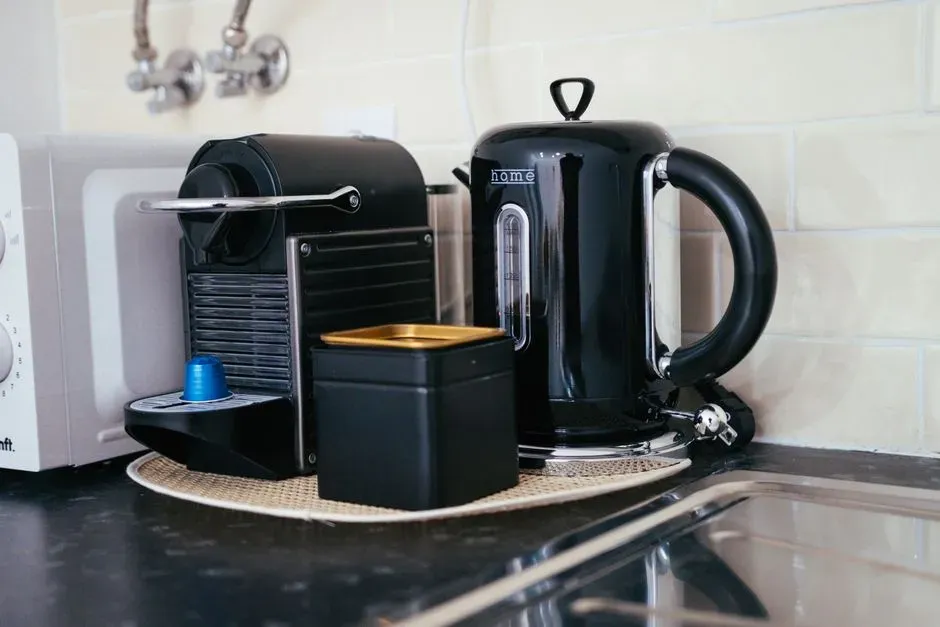
Blenders, mixers and toasters are where people most often give up too soon. Many have replaceable parts such as gaskets, blades, couplings and cords, and the manufacturer or a parts supplier may sell them. A high end stand mixer is usually worth repairing, while a cheap toaster often isn’t.
Be aware that service fees can cancel out the savings on inexpensive items. Companies charge as much as $125 for service calls, along with diagnostic fees. For low cost gadgets, doing the repair yourself or skipping it may be the better call.
A Simple Rule for Deciding
Repair when the fix is cheap, the item is well built and the rest of it is in good shape. If the repair cost is significantly lower than a new appliance and extends its life for a reasonable period, repairing is likely more cost effective. Replace when it’s old, keeps breaking, or a newer model would save meaningful energy.
Prices and parts availability vary by brand and region, so a quote from a local shop is worth more than any general rule.





Leave a Reply