
Most garages start out as a place for the car. Over the years they turn into a holding zone for everything we haven’t decided about yet. Boxes stack up, half empty cans line the shelves, and the car ends up parked on the driveway.
Professional organizers see the same pattern in home after home. Certain items pile up again and again, and many of them are outdated, unsafe, or simply taking up room for no reason. Here are ten things worth clearing out.
Old Paint Cans
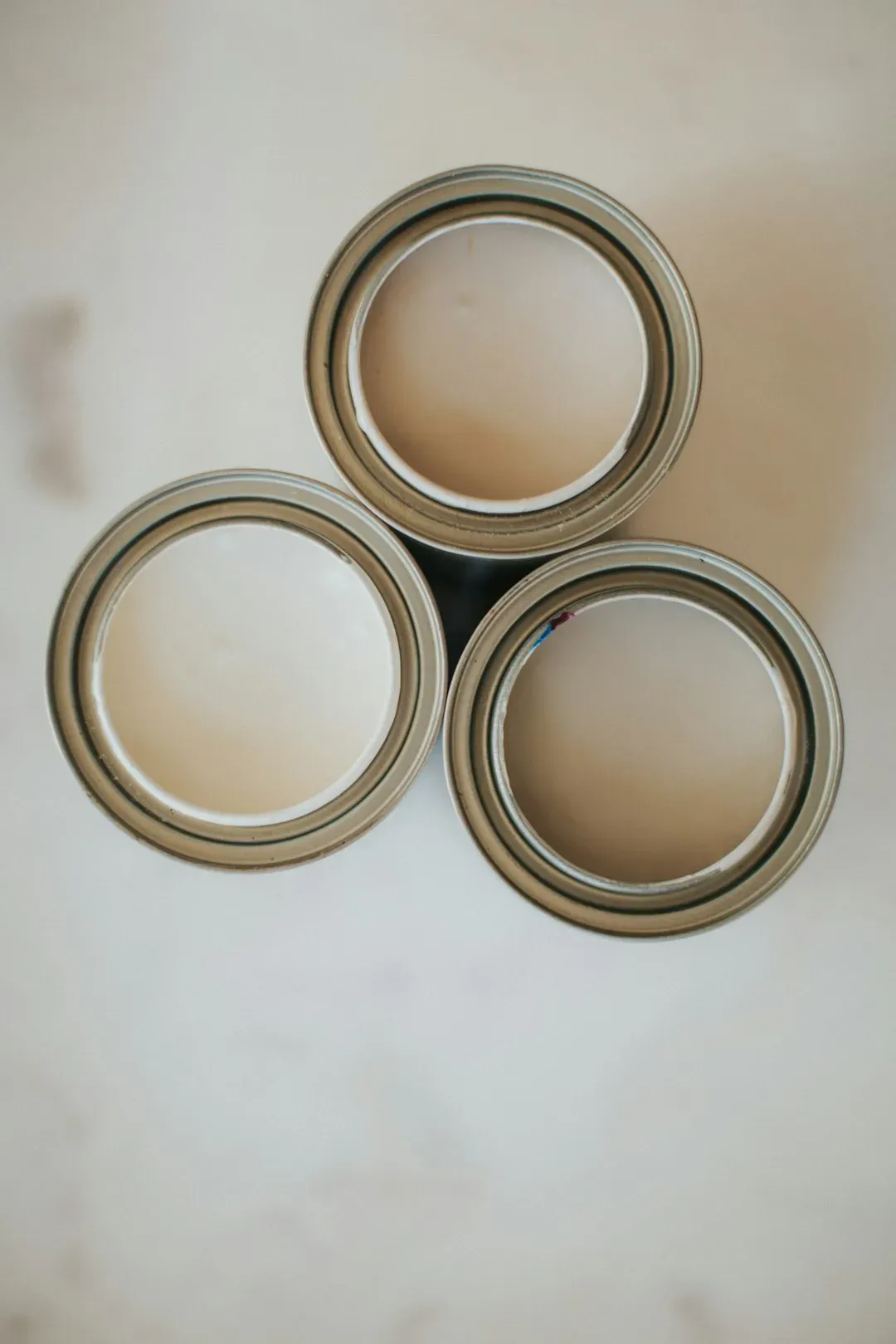
Leftover paint tends to hang around for years, just in case of a touch up. Yet paint that has separated, developed a skin, or smells sour after freezing and heating cycles in a garage often isn’t usable anymore. Keep a small labeled sample of the colors you actually use and let the rest go.
Disposal rules vary by location. Many local programs let you dry out latex paint and put it in the trash, while oil based paint is commonly treated as household hazardous waste. Check your city or county waste website before tossing anything.
Expired Car Seats
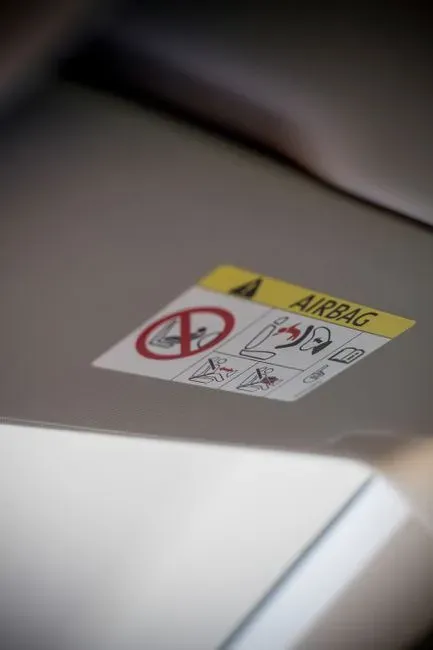
Car seats have expiration dates, and many people don’t realize it. Manufacturers typically set a lifespan of roughly six to ten years from the date of manufacture, because plastics degrade and safety standards change. The date is usually printed on a label or molded into the shell.
A seat that has been in a crash should also be replaced, according to guidance from the National Highway Traffic Safety Administration. Some retailers run trade in events, and many recycling programs accept seats once the straps and fabric are removed.
Empty Cardboard Boxes
Saving the box for every appliance and gadget feels practical, but it rarely pays off. Cardboard soaks up moisture in damp garages, and it gives insects and rodents a comfortable place to nest. Silverfish and cockroaches, in particular, are known to thrive around stored paper products.
Break the boxes down and recycle them. If you’re worried about returns, keep the box only for items still inside their return window, then let it go. Sturdy plastic bins with lids are a better choice for anything you truly need to store.
Old Pesticides and Household Chemicals

Garden sprays, weed killers, pool chemicals, and unlabeled bottles can quietly become a hazard. Temperature swings may break down containers, and mystery liquids are hard to dispose of safely later. The Environmental Protection Agency advises against pouring leftover pesticides down drains or throwing them in regular trash.
Most communities offer household hazardous waste collection days or permanent drop off sites. Keep products in their original containers until you get there, and never mix different chemicals together. Going forward, buy only what you’ll use in a season.
Dead or Damaged Batteries
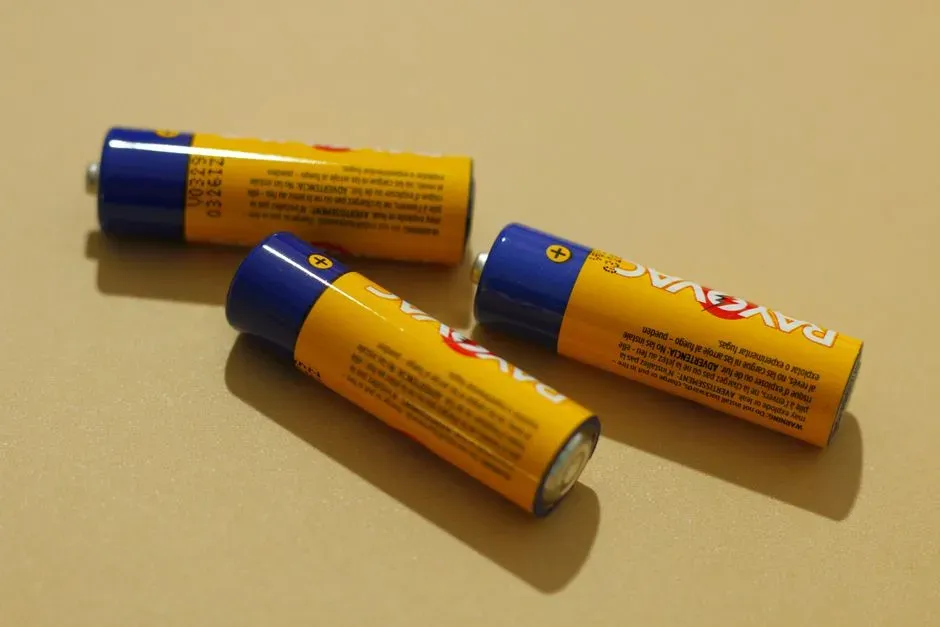
A drawer of loose batteries is easy to build and easy to forget. Lithium ion batteries from old power tools, e-bikes, and gadgets are the bigger concern, since damaged ones can overheat and start fires. Fire officials in many places have urged people not to put them in household trash or curbside recycling.
Retail drop off programs, such as those linked to Call2Recycle, accept many battery types at participating stores. Tape the terminals on loose batteries before you take them in. Swollen or leaking batteries deserve extra care, so check with your local waste authority first.
Worn Out Tires
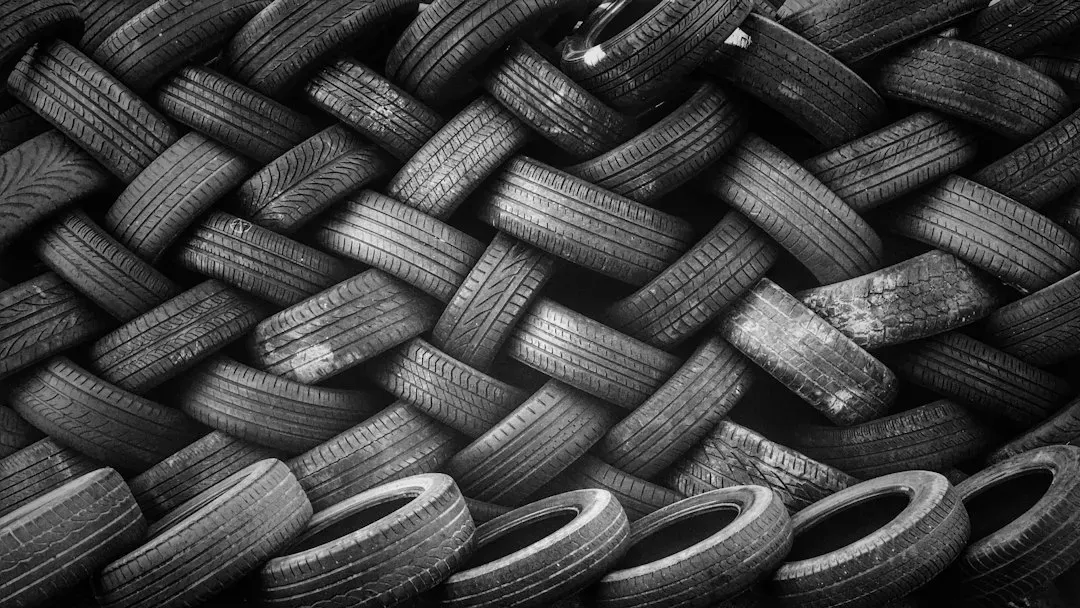
Old tires leaning against a wall are a classic garage leftover. They take up a surprising amount of space, and they can hold standing water if they end up outside, which encourages mosquitoes. Rubber also ages, so stored tires don’t stay in good condition forever.
Rules on tire disposal differ from state to state, and many places restrict landfilling them. Tire shops will usually take old ones for a small fee when you buy new ones. If you have a stash from years ago, a call to a local shop or your waste district is the simplest first step.
Broken Tools and Dead Appliances
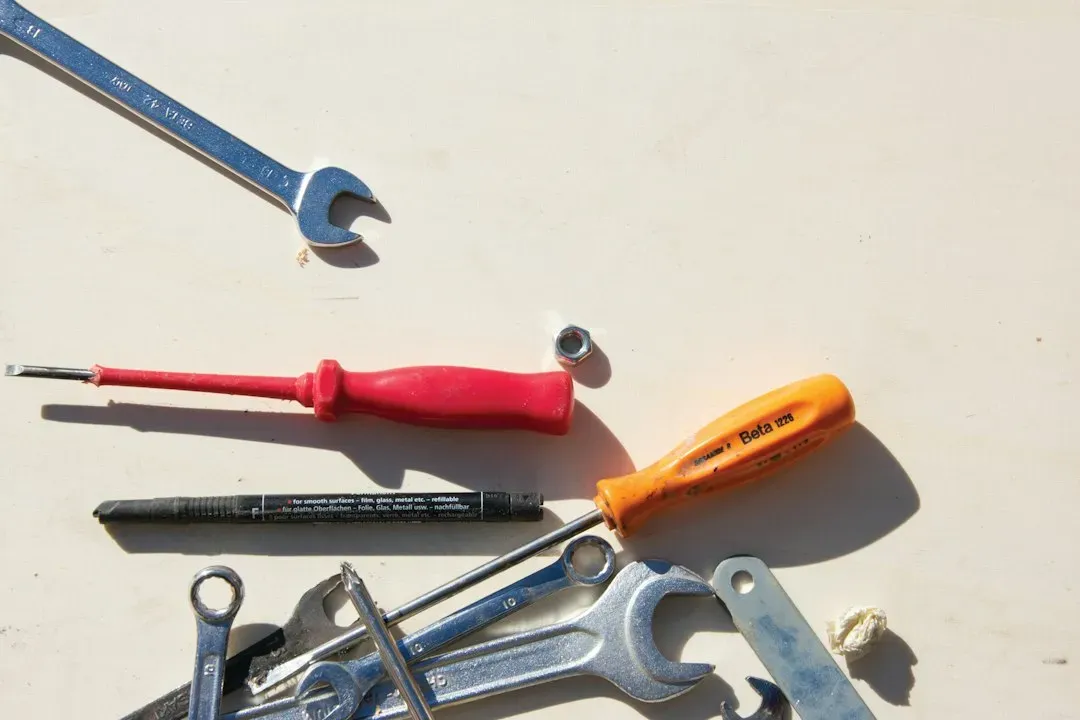
The saw with a cracked housing and the vacuum that stopped working three years ago aren’t waiting for a repair that will happen. Organizers often suggest a simple test: if it hasn’t been fixed in a year, it probably won’t be. Damaged tools can also be unsafe to use, especially those with frayed cords or missing guards.
Look for repair cafés or manufacturer take back options before you toss them. Many electric tools and appliances contain metals and components that should be recycled, not landfilled. A local scrap yard or electronics recycler can often handle them.
Old Bike Helmets
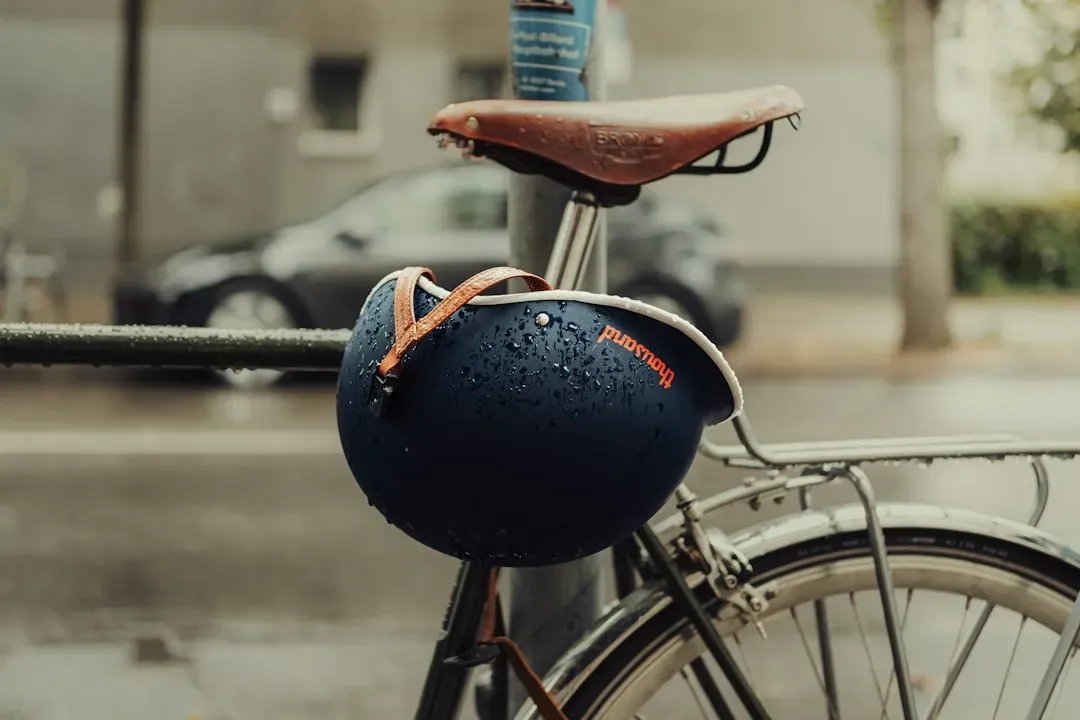
Helmets look sturdy on the shelf, but the foam inside wears down with age and exposure to heat. Many manufacturers recommend replacing them after roughly five to ten years, and always after a significant impact. Even a fall that leaves no visible damage can compress the protective foam.
Check the sticker inside for a manufacture date. If it’s old, cracked, or the straps are frayed, replace it. Kids outgrow helmets fast too, so a shelf of small ones is a good sign it’s time to sort through.
Outdated Electronics and Tangled Cords
Old monitors, printers, game consoles, and boxes of mismatched chargers often end up out in the garage. Electronics can contain lead, mercury, and other materials that shouldn’t go to a landfill, and many states have rules about how they’re handled. Some retailers and municipal programs accept them for recycling, often free or for a modest fee.
Before you drop anything off, wipe personal data from devices. Keep only cords you can match to a device you still own. The rest can go to an e-waste recycler in one trip.
Scrap Lumber and Abandoned Project Supplies
Offcuts of wood, half a roll of flooring, and a pile of supplies for a project that never happened take up more space than most people realize. Organizers often point out that if you haven’t started the project in a year or two, the materials are just clutter. Wood stored in damp conditions can also warp or attract pests.
Sort what you have into usable and not usable. Clean, sound materials can often be donated to a Habitat for Humanity ReStore or offered through local community groups. Treated or painted wood may need special disposal, so check your local rules before burning or dumping it.





Leave a Reply