
Most retirement planning is about numbers: savings, withdrawal rates, health coverage. Couples tend to spend years on those details and almost no time on a simpler question. What will the two of them actually do with each other, all day, every day?
The quieter risk is drift. It builds without any single dramatic event, and it can go unnoticed until the marriage already feels different. The research on later life marriage points to some useful clues about why.
Drifting Apart Is the Pattern People Describe Most

When researchers interview people who divorce later in life, one explanation comes up again and again. Qualitative research on gray divorce reveals that growing apart is a common reason why older couples call it quits. That’s not the language of betrayal or financial ruin. It’s the language of two people who slowly stopped sharing a life.
The scale matters too. The gray divorce rate has doubled in recent decades as older adults abandon marriage in favor of unmarried partnerships or singlehood. Later life is no longer a safe harbor where a marriage simply coasts to the end.
Work Quietly Held the Marriage Together

For decades, jobs and children give a couple built in structure. There are schedules to coordinate, problems to solve together, and a steady supply of things to talk about. Many couples never notice how much of their closeness runs on logistics.
Retirement removes that scaffolding overnight. If the relationship rested mostly on shared tasks, the quiet can feel awkward. Two people who were good teammates may discover they haven’t had a real conversation in years.
Retirement Itself Isn’t the Villain

It would be easy to blame retirement directly, but the evidence doesn’t support a simple story. A research review notes that studies have reached different conclusions about how marital satisfaction changes when spouses retire. Some find a small dip, some find a boost, and many find little change.
A broader summary of that research says that generally, few significant changes in marital satisfaction occur from pre to post retirement. In other words, retirement tends to magnify what’s already there. A warm marriage often stays warm, while a distant one can feel more distant with the extra hours.
Life Turning Points Don’t Predict Divorce on Their Own
Empty nests, retirement and health scares often show up in people’s stories about why a marriage ended. These turning points are invoked in the narratives of individuals who experience gray divorce, but empirical research reveals they are not associated with a couple’s risk of gray divorce. Our memory of the breaking point and the underlying cause aren’t always the same thing.
A study using the Health and Retirement Study offers a hint about what does matter. Marital duration, marital quality, home ownership, and wealth were negatively related to the risk of gray divorce. Put simply, the quality of the relationship going in counts for a lot.
Mismatched Expectations Often Go Unspoken

One spouse may picture long road trips and a packed calendar. The other may be looking forward to a quiet garden and a slower pace. Neither may have said so out loud, because it felt too early or too obvious to mention.
Scholars note that older adults hold marriage in high esteem but also have lofty expectations for what constitutes a good marriage. When reality falls short of that picture and nobody has talked about it, disappointment tends to harden into distance.
Too Much Togetherness Can Backfire
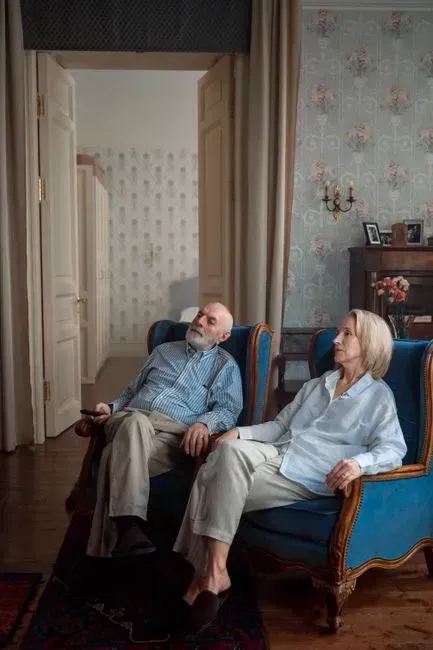
Going from a few hours together each evening to nearly every waking hour is a big adjustment. Small habits that were harmless on weekends, such as how someone loads the dishwasher or fills the day, can start to grate. Personal space becomes something couples have to create on purpose.
Some older couples are experimenting with alternatives. Older Canadians are exploring “Living Apart Together” arrangements, where partners maintain separate residences while remaining in a committed relationship. Most couples won’t go that far, though the idea shows how much autonomy can matter.
Many Couples Wait Too Long to Ask for Help

A 2021 survey by Marriage Helper and Barna Group found that only 47% of Gen X adults say they are very satisfied with their marriage, the lowest of any generation. The same summary reports that this generation is also the least likely to seek help, at just 17%. That survey is a few years old and comes from a faith based organization, so it’s best read as a signal rather than a final word.
Still, the broader point holds up. Quiet dissatisfaction is easy to live with for a while, which is exactly why it often goes unaddressed until the options feel limited.
The Stakes Reach Beyond the Relationship
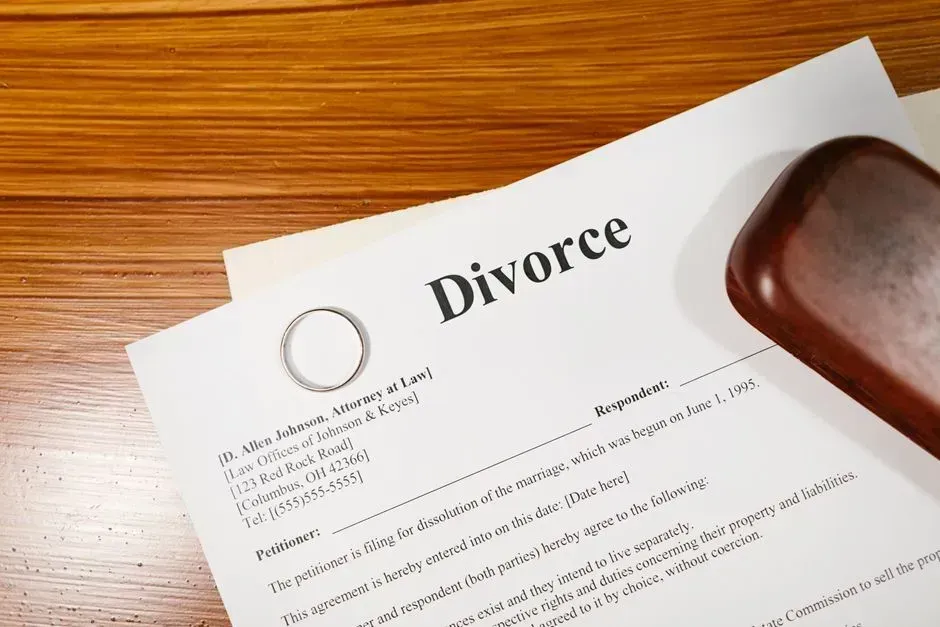
A split in later life carries real costs. One study of divorce after fifty found that divorced women over 50 have 45% less wealth than their married peers. A 2025 Allianz Life study found that 56% of married Americans say that a divorce would derail their financial retirement strategy.
Health is part of the picture as well. Research on gray divorce examines consequences for the food security, depression, and disability of older Americans. That makes the emotional side of retirement planning a practical matter, not a soft one.
Small Conversations That Protect a Marriage

The most useful step is also the least dramatic: talk before retirement, and keep talking after. Ask each other what a good week looks like, how much time apart feels healthy, and which interests are shared versus separate. These conversations work best when they’re repeated, since wants change after the first year or two.
Building new shared projects helps too, whether that’s volunteering, learning something together, or taking on a regular walk. Because marital quality is tied to lower divorce risk, time spent strengthening the relationship before and after the last workday is a sensible investment.





Leave a Reply