
The Pursuer and the Withdrawer

In this dynamic, one partner chases connection by bringing up problems, asking questions, or pushing for reassurance, while the other retreats to avoid conflict. The pursuer reads the withdrawal as rejection, so they push harder. The withdrawer reads the pushing as pressure, so they pull back further.
Psychologist Sue Johnson, developer of Emotionally Focused Therapy, has written extensively about this pattern, often called the demand-withdraw cycle, as one of the most common and damaging dynamics in long-term relationships. Neither partner is wrong about what they want. The problem is that their coping strategies are mirror opposites, and each one accidentally triggers the exact behavior they’re trying to stop.
The Couple Who Never Fights

It sounds healthy on paper, but a marriage with zero visible conflict can be just as fragile as one full of arguments. Some couples avoid disagreement so thoroughly that resentment builds silently underneath a calm surface. Everything looks fine until one partner announces, seemingly out of nowhere, that they’re done.
John Gottman’s long-term research on married couples found that it isn’t the presence of conflict that predicts divorce, but how couples handle it. Suppressing disagreement doesn’t resolve it. It just moves the tension somewhere less visible, where it can quietly accumulate for years before surfacing all at once.
The Scorekeepers

Some couples turn their relationship into an informal ledger, tracking who did the dishes last, who initiated the last apology, who has sacrificed more for the other. Every gesture becomes transactional rather than generous. Over time, both partners start to feel like they’re losing, even when neither one actually is.
This keeping-score mentality is closely tied to what researchers call negative sentiment override, a state where partners interpret even neutral or positive actions through a lens of suspicion and resentment. Once a couple enters this mindset, kindness gets discounted and small slights get amplified. It becomes almost impossible to win, because the scoring itself is the problem.
The Rescuer and the Rescued

In some relationships, one partner takes on the role of fixer, solving problems, managing emotions, and smoothing over crises for the other. It can feel loving at first, even necessary. Eventually, though, it creates an imbalance where one person is always giving and the other is always needing, and neither role leaves much room for equality.
Therapists who study codependency note that this pattern often starts with good intentions but ends in quiet exhaustion. The rescuer burns out from carrying too much, while the rescued partner never develops the confidence to stand on their own. Both end up trapped, just in different ways.
The Perfectionist Pair

These are the couples who look flawless on social media, who never seem to raise their voices, who present a relationship that appears to have no rough edges at all. Behind that image, though, is often a rigid set of unspoken rules about how a “good” partner should behave. Any deviation from the script feels like failure rather than normal human inconsistency.
The pressure to maintain a perfect image can prevent couples from being honest about real struggles, since admitting a problem feels like breaking character. Relationship researchers have long pointed out that authenticity, not polish, is what predicts long-term satisfaction. Couples chasing an image instead of a real connection often discover the image was the only thing holding them together.
The On-Again, Off-Again Couple
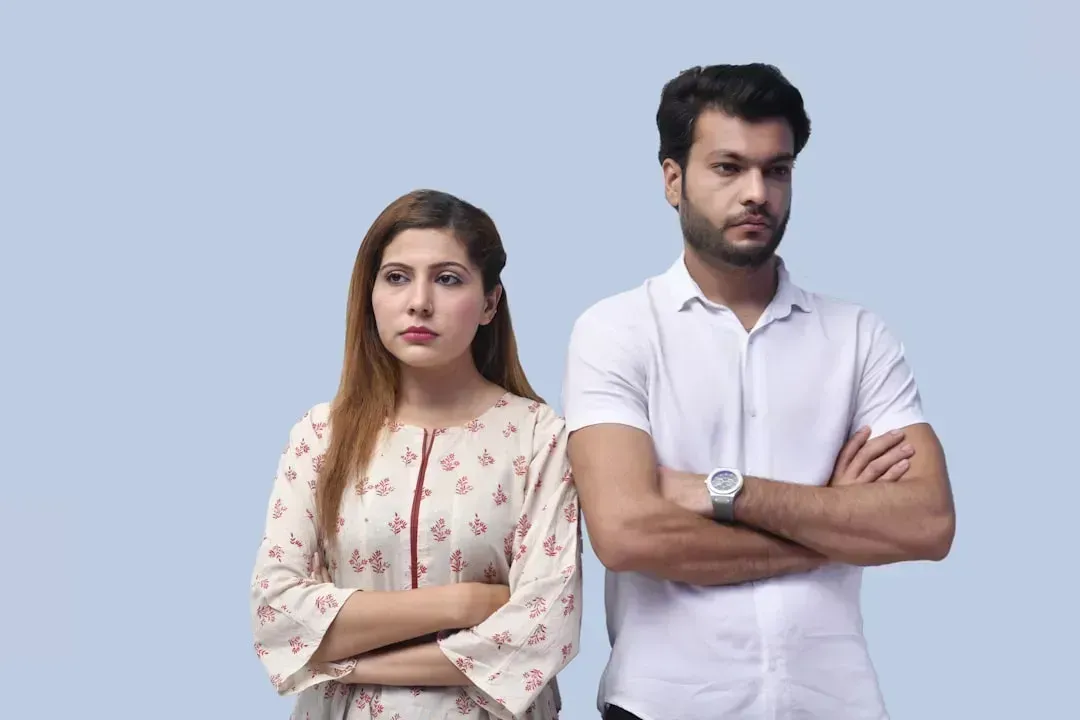
Some relationships cycle through breakups and reconciliations so many times that friends and family lose count. Each reunion brings a rush of relief and renewed hope, but the underlying issue that caused the breakup rarely gets addressed. The couple ends up solving the symptom, the separation, without ever touching the actual cause.
Research on relationship cycling, published in journals studying romantic relationship dynamics, has found that on-again, off-again couples often report lower relationship quality and higher uncertainty than couples who stay consistently together or consistently apart. The repeated breakups create a kind of emotional whiplash that makes it harder, not easier, to build trust over time.
The Couple Who Grew in Different Directions
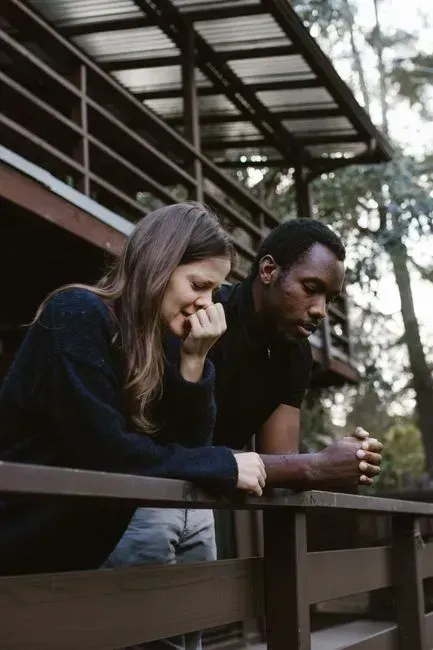
This trap doesn’t involve dramatic fights or obvious dysfunction. It’s slower and quieter, built from two people who simply changed at different speeds or in different directions over the years. What once felt like shared goals gradually becomes two separate lives running in parallel rather than together.
Because there’s no clear villain in this story, couples often struggle to name what’s wrong, which makes it harder to address. Neither partner did anything wrong exactly, and that absence of blame can paradoxically make the situation feel more hopeless. Without a clear problem to solve, many couples simply stop trying to solve anything at all.




Leave a Reply