
There was a time when packing your bag and heading to Europe, Southeast Asia, or the Pacific felt like the most uncomplicated thing in the world. A smile, a passport, and a flight confirmation. Done. Locals welcomed you, cities opened up, and the world felt like one giant invitation.
That world is changing fast. And honestly, if you haven’t noticed it yet, you might be in for a real surprise on your next trip. In 2024 and into 2025 and beyond, a growing number of destinations have stopped rolling out the welcome mat. Protests, fines, tourist taxes, and outright bans have become the new normal, and the tension between residents and visitors has reached a breaking point in cities that once dreamed of being on every traveler’s bucket list.
Overtourism is a rising concern among the world’s most experienced travelers, and roughly three out of four travelers expressed concerns about overtourism in the Fall 2024 Global Rescue Traveler Sentiment and Safety Survey, while nearly a third personally experienced it. So which once-beloved destinations are pushing visitors away? Let’s find out.
1. Spain: Where “Tourists Go Home” Is No Longer Just Graffiti

Spain has seen the most vocal anti-tourism movement in recent years. From Barcelona to the Canary Islands, residents have taken to the streets with slogans like “Your holidays, my misery.” This isn’t performative discontent. It’s raw, community-driven frustration with very real consequences for everyday life.
In July 2024, around 3,000 people took to the streets in Barcelona, shouting for tourists to go home and spraying them with water, with some 150 collectives, organizations, and social movements involved in the demonstration. Barcelona City Council then announced a radical plan to rid the city of tourist flat licences by 2028.
Nearly half of residents in Catalonia believe their local area has too many international visitors. Spain also showed the highest level of negative sentiment toward foreign tourists among all surveyed European nations, according to a YouGov survey reported by The Guardian in September 2024.
A Spanish mobility consulting firm reported that the availability of long-term rental property in the nation decreased by three percent in 2024, with rental prices reaching a new all-time high of €13.5 per square meter per month. When locals literally cannot afford to live in their own city, tourists become the most visible symbol of that displacement. In December 2025, the Spanish government, in efforts to curb overtourism, fined Airbnb $75 million for advertising unlicensed rentals to tourists.
2. Italy: Venice Starts Charging Just to Step Through the Door
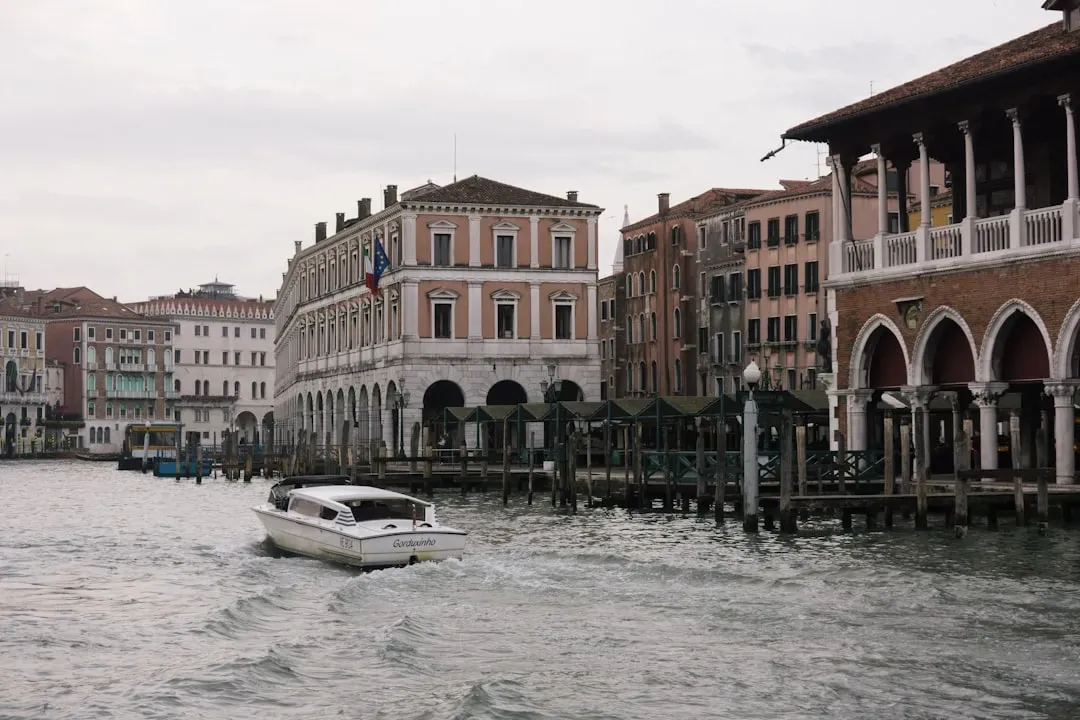
Venice has expanded its controversial entry fee program from 29 applicable days in 2024 to 54 days in 2025, with over 20 million annual visitors crowding into a city of just 50,000 residents. Think about that for a second. Twenty million visitors descending on a city where barely 50,000 people actually live. It’s less like tourism and more like a slow occupation.
Venice launched its pilot entry fee program in April 2024, requiring day-trippers to pay a five-euro fee to access the city. The program has since expanded, with fees potentially doubling to ten euros for those booking less than four days in advance.
The city has also banned cruise ships from the historic centre, as the vessels are considered a leading cause of pollution and are said to be eroding the very foundations of the city. It’s a remarkable thing when a city literally has to start closing its own doors just to breathe. Meanwhile elsewhere in Italy, Barcelona announced plans to eliminate all tourist rentals by 2028, Valencia increased inspections of tourist apartments by over 450 percent, and Málaga has banned new rental properties in 43 neighborhoods where short-term rentals have exceeded eight percent of residential stock.
3. Japan: Barriers, Bans, and Bullet Climb Crackdowns
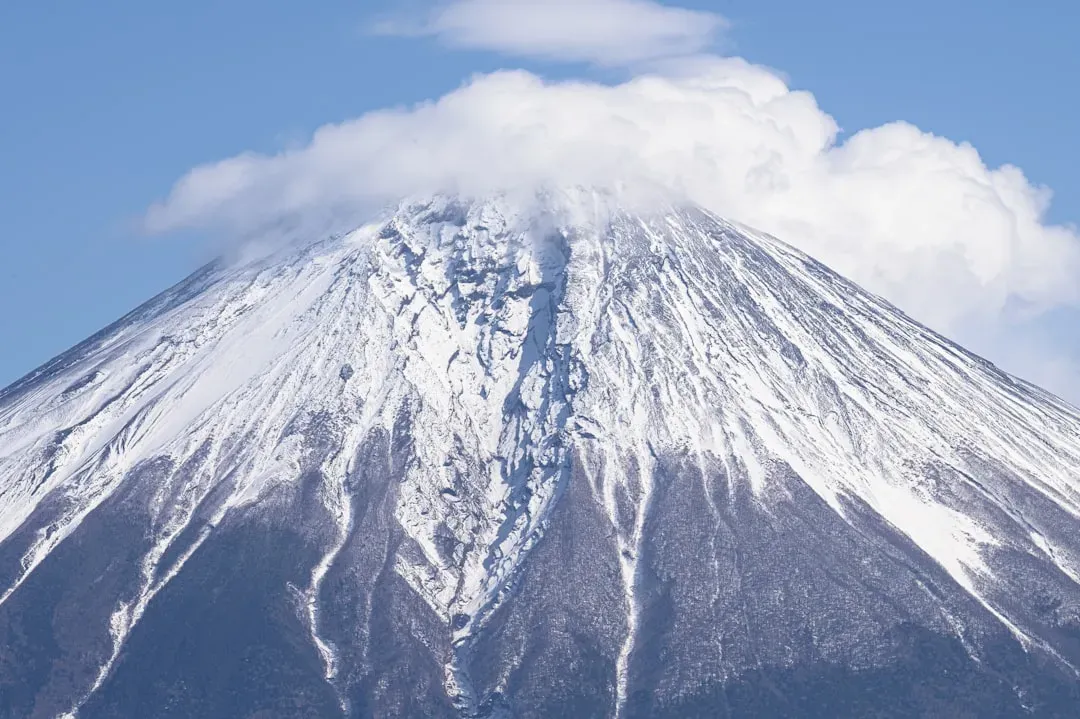
Japan’s post-pandemic travel boom has been record-breaking, but not without friction. The country was once considered one of the most welcoming destinations on earth, famous for its meticulous hospitality and gentle civic culture. That spirit is still there, but it’s increasingly competing with outright tourist fatigue.
Japanese officials introduced a mandatory ¥2,000 climbing fee in 2024 on Mount Fuji’s popular Yoshida Trail and capped daily access to 4,000 hikers. These measures resulted in a 14 percent decrease in climbers during the 2024 hiking season compared to the previous year.
Authorities increased the fee to 4,000 yen for the 2025 climbing season and maintained the 4,000 daily climber limit. Night climbing is prohibited, with the Yoshida Trail closed from 2 p.m. to 3 a.m. daily.
In Kyoto, residents of the historic Gion district have banned tourists from private alleys to stop the harassment of Geiko and Maiko for photos. Authorities in towns near Mount Fuji have also erected physical barriers to block popular photo spots that were causing dangerous traffic and littering. Public backlash against overtourism in Japan was even cited by analysts as a factor behind an ultraconservative party’s gains in the 2025 Japanese House of Councillors election. When tourism starts shaping national politics, you know things have gone far beyond simple inconvenience.
4. Greece: The Islands Are Running Out of Water
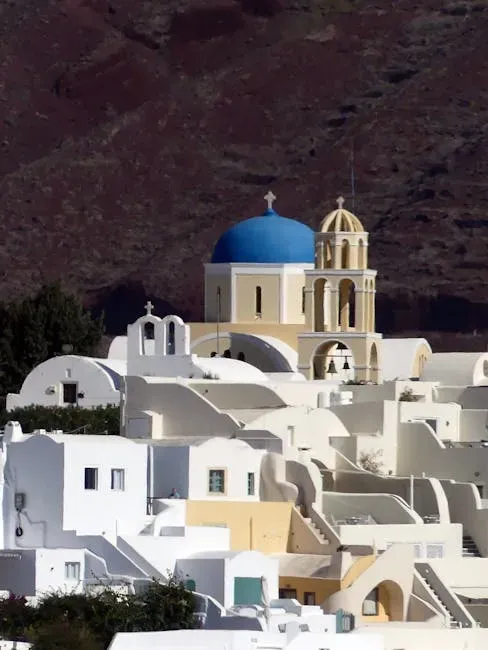
The Greek government has made it clear that some of its most famous islands, including Santorini, can no longer support the massive influx of cruise visitors, with Santorini already experiencing severe water shortages and local wine production halved due to the unsustainable consumption of water by tourists. Halved wine production. That’s not a statistic you’d expect to read. Yet here we are.
Reports indicate up to 18,000 cruise passengers overwhelming the island daily, straining resources for its just 15,000 permanent residents. The math is genuinely alarming, like hosting a party every single day where your guests outnumber you by more than one to one.
In response, Greece has introduced a 20-euro levy for cruise passengers during peak summer months and established a daily cap of 8,000 visitors for Santorini to prevent the infrastructure from collapsing under the midday rush.
Residents in Athens and Paros have also protested against overtourism, accusing tourists of displacing locals and diluting the character of communities on islands like Santorini and Mykonos. The government is now implementing new restrictions on cruise ships visiting popular islands to prevent further environmental and social damage. It’s hard to say for sure whether these measures will be enough, but the direction of travel is unmistakably clear.
5. Indonesia (Bali): Sacred Mountains Are Now Completely Off-Limits
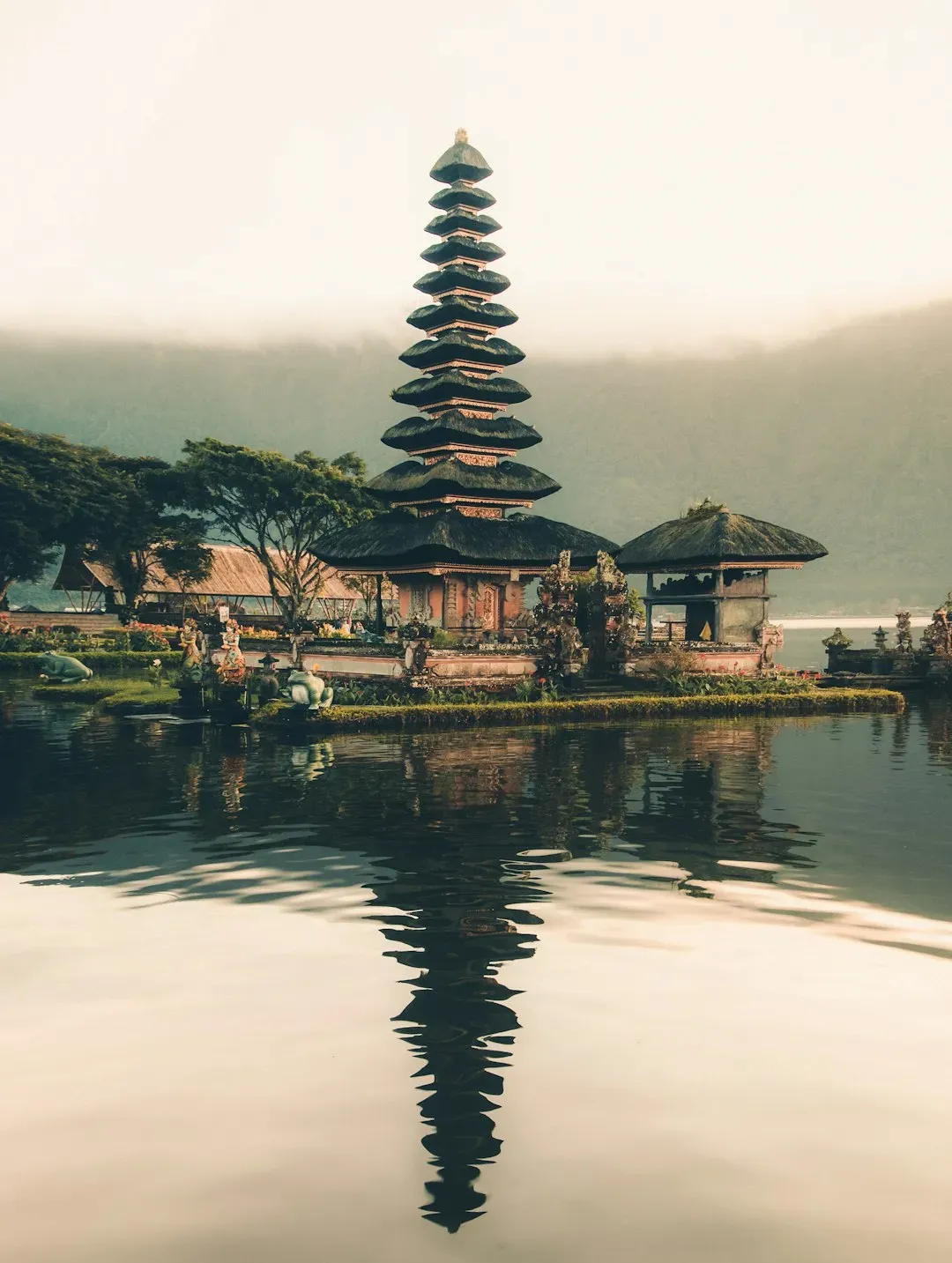
Bali saw approximately 6 million international visitors in 2024, sparking heavy backlash from locals and grassroots activists protesting the disappearance of sacred paddy fields, illegal construction of resorts, and untreated plastic pollution on beaches. Bali was once the ultimate paradise destination. Friendly, affordable, deeply spiritual. Now? It’s dealing with something close to a slow-motion ecological and cultural emergency.
The Balinese government proposed banning foreign tourists from renting motorbikes after a surge in violations, encouraging visitors to hire local drivers or use licensed taxis instead. Authorities also banned tourist activities on all 22 of Bali’s sacred mountains, which had been subjected to inappropriate behavior and environmental damage, with the government issuing fines and deportations for tourists who violate local customs.
The official Love Bali platform was established to support payment of the Bali Foreign Tourist Levy, which launched on February 14th, 2024. The tourist tax scheme raised 2.4 million euros from nearly half a million visitors in 2024, with funds going directly toward environmental restoration and cultural preservation. The message Bali is sending is no longer a gentle nudge. It’s a firm instruction: respect this place, or don’t come at all.
6. The Netherlands: Amsterdam Literally Told Tourists to Stay Away
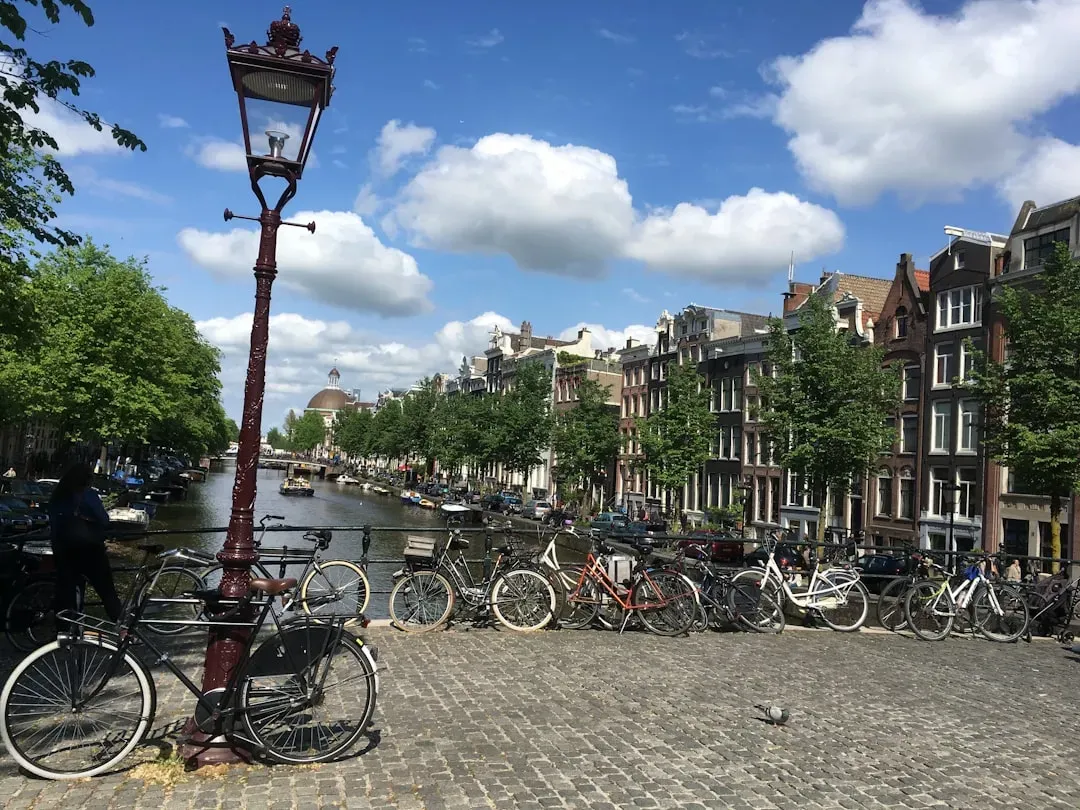
Amsterdam is actively telling certain travelers not to visit via what city officials are dubbing a “discouragement campaign.” That’s extraordinary language for a city that built much of its modern identity on tourism. Yet that’s exactly where things stand in one of Europe’s most iconic capitals.
Amsterdam has pioneered a unique approach: telling certain tourists to simply stay away. Their “Stay Away” campaign specifically targeted visitors coming for “nuisance tourism,” such as rowdy stag parties. In March 2024, the city doubled down on the campaign with an online quiz. With questions like “Would you like to explore the city with a joint in your hand?” the city hoped to point out that many of the party activities it is famous for are actually against the rules.
The city has also banned new tourist shops in the centre and is limiting the number of river cruises to prioritize the quality of life for its 800,000 residents. In 2025, Amsterdam confirmed it would continue banning the addition of beds in hotels in the city, as well as the ban on the creation of new hotels entirely. Officials also brought forward closing times for more cafes and restaurants. The city is essentially reshaping itself around the idea that more tourists is no longer progress.
7. Iceland: Nature Itself Is Pushing Back
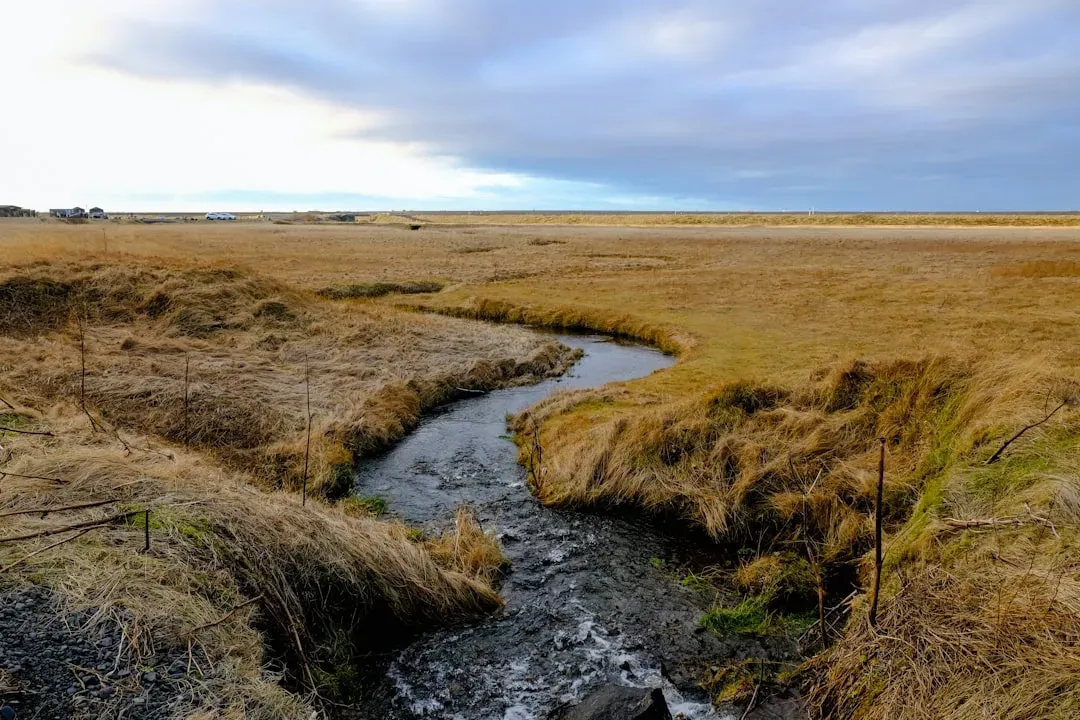
Iceland’s Prime Minister has announced that the increasing influx of tourists is having negative consequences. The excessive growth of tourism on the island is putting a strain on roads, healthcare, and the housing market. From the outside, Iceland still looks like a pristine wilderness adventure. Up close, the cracks are becoming impossible to ignore.
At the end of 2024, Iceland’s population was just under 390,000. Meanwhile, the total number of foreign tourists reached 2.3 million. That is roughly six tourists for every one resident. The pressure on infrastructure and nature is, by any measure, colossal.
The Icelandic government reinstated an accommodation tax for visitors starting January 1st, 2024. The tax applies to hotel rooms, campsites, mobile homes, and cruise ships. The tax aims to generate funds for sustainability programs and reduce overtourism’s environmental impact.
Iceland’s tourism grew so rapidly that its fragile volcanic landscapes couldn’t keep up. To combat erosion and fund conservation, the country reinstated a tourism tax. Popular trails, like the Reykjadalur hike, have faced temporary closures to allow the land to heal from the thousands of footsteps it endures daily. The government is also planning to propose a considerably higher tourist tax to better capture the value generated by tourism and help fund sustainability efforts. Iceland is not just managing visitors. It is actively reconsidering the very idea of mass tourism on its soil.
What This All Means for Travelers
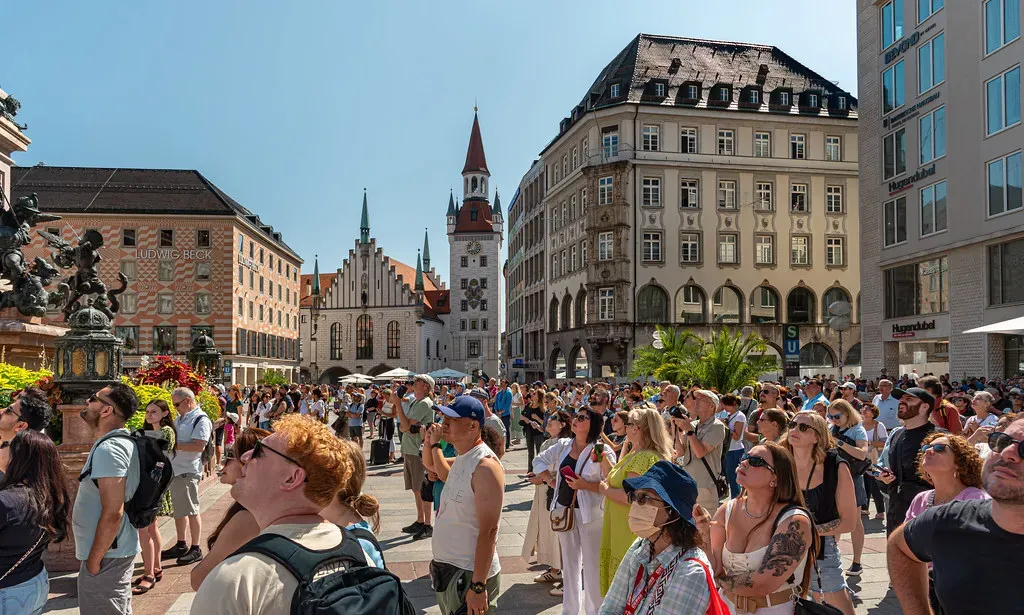
The pattern across all seven of these destinations is impossible to ignore. When the number of visitors exceeds the carrying capacity of a city or ecosystem, the quality of life for residents plummets. Housing becomes unaffordable as apartments turn into short-term rentals, and quiet neighborhoods transform into 24/7 tourist zones.
Travel and tourism set records in 2024, with the contribution of tourism to global GDP expected to reach $11.1 trillion, and international tourist numbers reaching approximately 1.53 billion worldwide, marking a two percent increase above 2019’s pre-pandemic peak. More people are traveling than at any point in human history. That’s extraordinary. It’s also, increasingly, a serious problem for the places being visited.
The era of simply showing up anywhere in the world and expecting a warm welcome is fading. The U.S. State Department has even warned travelers to exercise caution in several European locations because of the possibility of anti-tourism protests. That sentence would have been unthinkable a decade ago.
Here’s the thing: this doesn’t mean travel is dying. It means travel is changing. The destinations most worth visiting are now asking you to visit more thoughtfully, more respectfully, and in many cases, more expensively. The question worth sitting with is this: when you book your next trip, are you a guest or just a consumer? The answer increasingly determines how welcome you’ll actually feel when you get there.





Leave a Reply