
Most trips don’t go over budget because of the flight or the hotel. The money leaks out in smaller moments: a question at a rental counter, a tempting kiosk in an arrivals hall, a photo package pushed at the end of a ride.
Travel advisors see these patterns constantly, and a few add-ons come up again and again as poor value. Some are worth skipping outright, and others only make sense in narrow situations. Here are eight worth a second look before you pay.
Rental Car Damage Waivers at the Counter

The rental desk is where many travelers make their first impulse purchase. Guests are often asked whether they want extra insurance or additional coverage, and the pressure of a long line doesn’t help you think it through.
One travel expert cited by FinanceBuzz noted that options like damage waivers can cost over twenty dollars per day each. The practical fix is simple. Call your auto insurance provider before you go and see what’s already covered. Your credit card may also offer some rental coverage, so check its terms too.
Souvenirs From Tourist Gift Shops

Everyone wants something to bring home. The trouble is where you buy it. A travel expert told FinanceBuzz that tourist gift shops charge premium prices for goods easily found in local markets at a fraction of the cost.
The advice is to wander off the main plaza. Side streets and markets selling handmade products tend to offer better value, and you may end up supporting more authentic vendors, too. A magnet is a magnet, but a locally made textile or ceramic actually tells you where you’ve been.
Currency Exchange Kiosks in the Airport
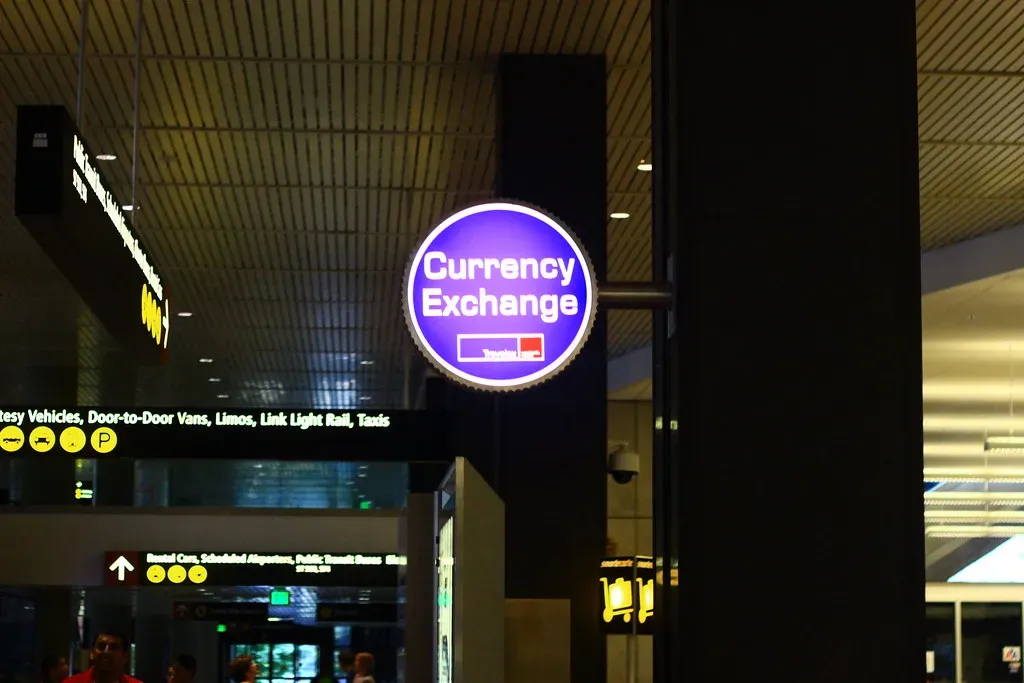
Exchange counters in arrivals halls are convenient, and that convenience is exactly what you pay for. Their rates and fees are typically less favorable than what you’d get elsewhere, and the gap can be noticeable on larger amounts.
Many advisors suggest a different routine. Use a debit or credit card with low or no foreign transaction fees, and withdraw modest amounts from a bank ATM once you’re in the country. If a card asks whether to charge you in your home currency or the local one, choose the local currency.
Cruise Line Shore Excursions for Everything

Booking every port stop through the ship feels safe, since the boat won’t leave without you. Yet the ship’s excursions often cost more than similar tours arranged independently, especially at ports where the main sights sit close to the dock.
Advisors tend to sort ports into two groups. Where a stop is simple and walkable, you can often explore on your own. Where distances are long or logistics are tricky, a ship excursion or a well reviewed local operator can be worth the premium for the reliability.
Hop On Hop Off Bus Passes
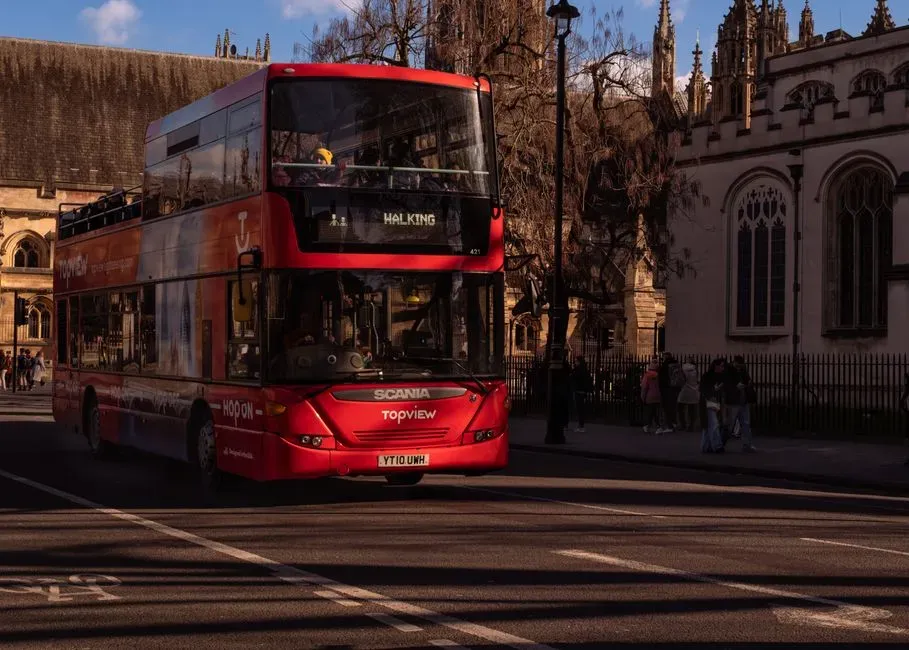
These buses look like a tidy way to see a city in a day. In compact, walkable places, though, many travelers end up using them for a stop or two and then walking anyway.
Before buying, compare the pass price against the city’s regular transit fares and your own list of sights. If the highlights cluster in one district, public transport or a good pair of shoes usually wins. In sprawling cities with limited transit, the pass can make more sense.
Attraction Photo Packages

Theme parks, ziplines, and boat tours often snap your photo mid-scream and offer it later at a steep price. The pressure comes from timing, because you’re excited and the picture is right there on the screen.
Your phone already does most of this job. If you truly want professional images, book a photographer for a planned session instead of buying whatever a ride camera captured. Otherwise, ask a travel companion to take a few shots and move on.
Hotel Minibars and Convenience Extras

The minibar is priced for people who don’t check the tag. A small bottle of water or a packet of nuts can cost several times what a corner shop charges, and some rooms track items with sensors, so picking one up may trigger a charge.
A quick walk to a local grocery solves the problem. Buy water, snacks, and breakfast basics on your first day, and use the room fridge if one is available. The same logic applies to overpriced in-room coffee packs and laundry services.
International Roaming Day Passes
Carrier day passes for using your phone abroad are easy to switch on and easy to overpay for. Charged daily, the cost adds up quickly on a longer trip, particularly for couples or families who each pay separately.
Many travelers now use an eSIM or a local data plan instead, which is often cheaper for stays of several days. Check that your phone is unlocked and supports eSIM before departure. It’s worth comparing your carrier’s plan against a local option, since some carriers include international data in certain plans.
Where the Savings Add Up
None of these extras is automatically a bad buy. Each becomes a poor value when you pay for it out of habit rather than need.
A few minutes of checking your insurance, your card terms, your phone plan, and your route can keep money in your pocket for the parts of the trip that matter.





Leave a Reply