
Sunday evenings have a reputation. Many people feel a low hum of dread as the weekend winds down, a pattern so common that it has picked up its own nickname, the Sunday scaries. A survey from the job platform Indeed has previously suggested that a large majority of workers feel some version of it.
A Sunday reset is one popular response. It’s a loose block of time, often around two hours, spent getting the home, the calendar, and your head in order before Monday arrives. Nothing about it is official, so the details vary, but certain pieces show up again and again.
Why Sunday Works as a Reset Point

Sunday sits at a natural seam in the week. Work is behind you, the next set of demands hasn’t started, and your schedule is usually freer than on a Saturday. That gap makes it a convenient moment to look ahead.
Researchers who study the “fresh start effect” have found that people are more likely to pursue goals after temporal landmarks, such as the start of a week, month, or year. A Monday morning is one of those landmarks, so preparing for it on Sunday plays into the same instinct. The routine just gives that instinct something practical to do.
Setting a Two Hour Window

The time limit matters more than it seems. Without one, a reset can swell into a whole afternoon of chores, which defeats the purpose. Two hours is long enough to cover the essentials and short enough to protect the rest of your day.
Many people split it into rough blocks: about forty minutes for the home, forty for planning, and the rest for personal tasks and rest. You can use a timer if that helps. If you run out of time, the unfinished item simply moves to the following week.
Clearing Clutter and Tidying Key Spaces

Start with the places you’ll see first on Monday. That usually means the kitchen counters, the entryway, and your desk. Clearing these takes less effort than a full clean, yet it changes how the week feels on day one.
Princeton University neuroscience researchers reported in a well known study that visual clutter competes for attention and can reduce focus. That doesn’t prove a tidy room makes you more productive, but it does support the idea that a calmer space is easier to work in. Keep the scope small, and stop when the main surfaces are clear.
Laundry and the Small Household Loop

Laundry is the anchor chore for many resets because it runs in the background. Start a load early, then fold or hang it while you handle other tasks. Setting out clothes for the first couple of workdays saves a surprising amount of morning friction.
Add a few small loops while the machine runs. Empty the dishwasher, take out the trash, and check that you have what you need for the week, such as a gym bag or a charged laptop. These tasks are dull, but they remove the little decisions that tend to pile up on Monday.
Planning Meals and Grocery Needs
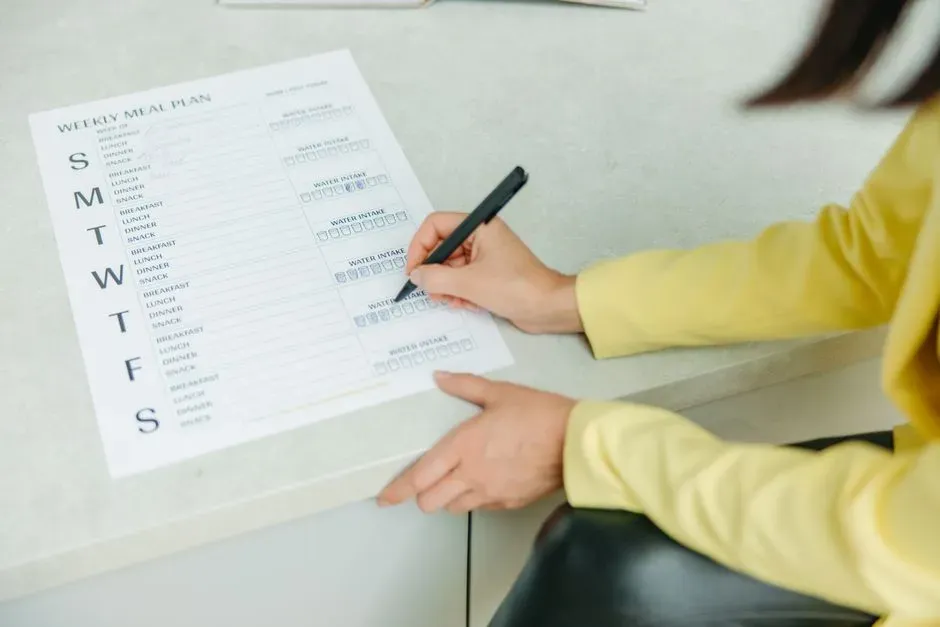
Food planning is where a reset can save both money and stress. Look at what’s already in the fridge, sketch out a few dinners, and write a short shopping list. You don’t need a rigid menu for all seven days, since leftovers and busy nights rarely follow a plan.
The USDA has reported that Americans waste a meaningful share of the food supply at the retail and consumer level, and checking what you already own is one simple way to reduce your own share. Many people also wash produce, cook a grain, or prep one protein on Sunday. Even a single batch of cooked rice can make a weeknight dinner faster.
Reviewing the Calendar and Priorities
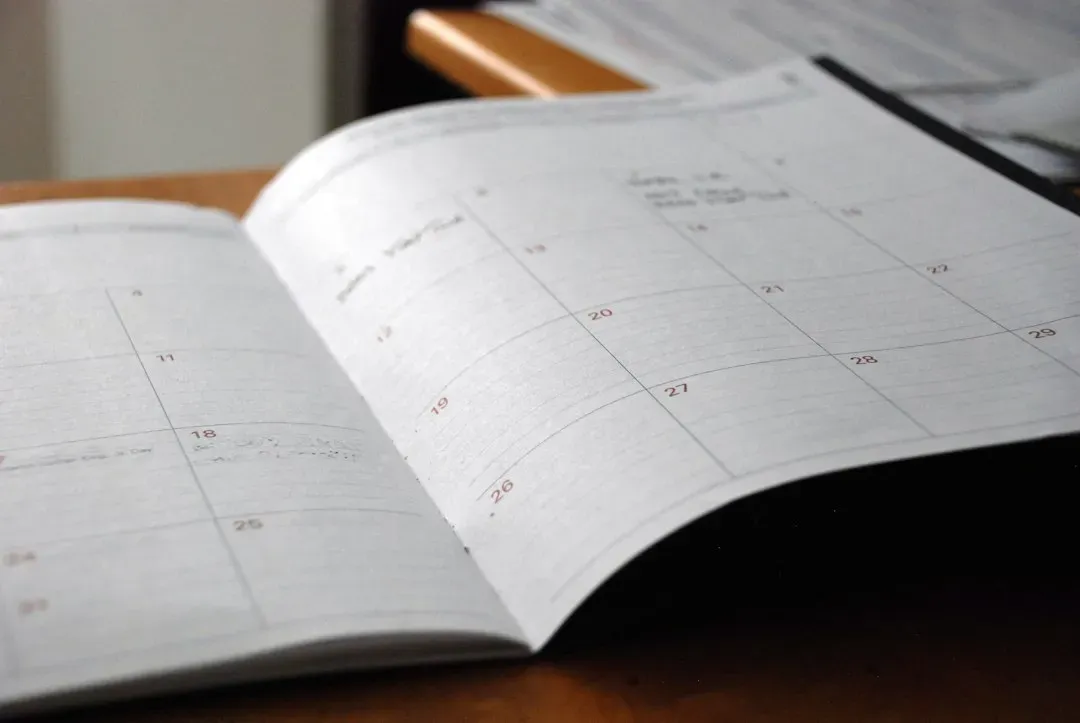
This is the part that most directly eases that Sunday evening dread. Open your calendar, scan the next seven days, and note meetings, deadlines, appointments, and social plans. Seeing it all at once makes the week feel less like a surprise.
Then pick the few tasks that matter most and put them in specific time slots. Productivity writers often call this time blocking, and the logic is straightforward: a task with a scheduled time is more likely to happen than one sitting on a vague list. Three clear priorities tend to be more workable than fifteen.
Clearing Digital Clutter

The inbox, the desktop, and the phone all collect leftovers from the previous week. Spend ten or fifteen minutes archiving old emails, deleting screenshots, and closing tabs you no longer need. Updating your task list at the same time keeps everything in one place.
Be careful not to turn this into a work session. The point is to tidy, not to answer every message. Some people also pay bills or check their budget here, since a quick look at spending can prevent a nasty surprise midweek.
Personal Care and Rest

A reset that only covers chores can leave you feeling more tired than ready. Reserve part of the window for something that restores you, such as a walk, a shower, stretching, or reading. These aren’t rewards for finishing, they’re part of the plan.
Sleep deserves attention too. The CDC advises that adults get at least seven hours a night, and a steady bedtime on Sunday helps set up Monday. Many people dim the lights, put the phone away earlier than usual, and keep the final hour of the day quiet.
Making the Routine Stick

Consistency beats perfection. Research on habit formation from University College London found that building an automatic habit took an average of about two months, though the range between individuals was wide. So a few missed Sundays don’t mean the routine has failed.
Tie it to an existing cue, like a particular playlist, a coffee, or a set start time. Keep a short checklist on your phone or fridge so you aren’t deciding what to do each week. Adjust the list as your life changes, and drop anything that no longer earns its place.
A Sample Two Hour Schedule

Here’s one way to lay it out. In the first fifteen minutes, start laundry and clear the kitchen. Spend the next thirty on tidying your main spaces and prepping a few meal items.
From there, take thirty minutes for the calendar, priorities, and digital cleanup. Use another twenty to set out clothes, pack bags, and write the grocery list. Finish with the last twenty-five minutes on something restful, then close the day on your own terms.





Leave a Reply