
Most of us have a jar somewhere. It sits on a dresser or in a kitchen drawer, slowly filling with coins we never quite bothered to count.
The U.S. Mint’s decision to stop making pennies for everyday use has put those jars back in the spotlight. Here’s what the change means in practice, and what you can sensibly do with the coins you already own.
The Penny Is Still Money
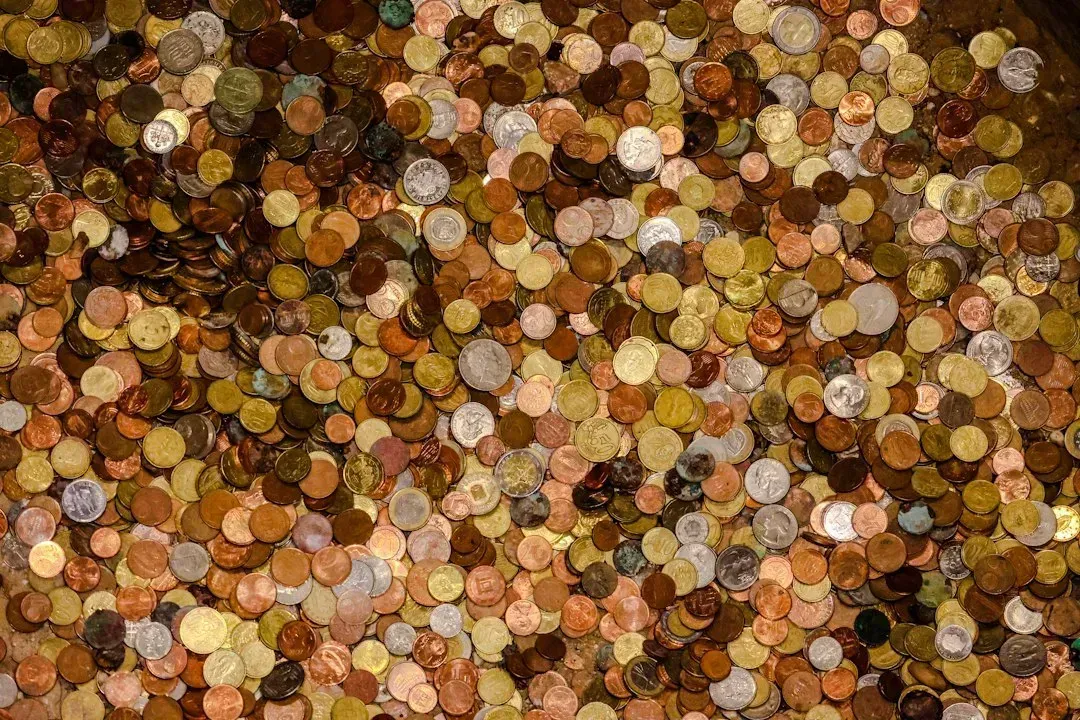
The first thing to know is that nothing has been recalled. The U.S. Mint stopped producing new pennies for everyday use on November 12, 2025, but existing coins remain legal tender. That means the cent in your pocket buys exactly what it did last year.
Treasury has said as much directly. Pennies will continue to be legal tender and retain their nominal value in perpetuity. So there’s no reason to throw anything out or hurry to get rid of it.
Why Production Ended
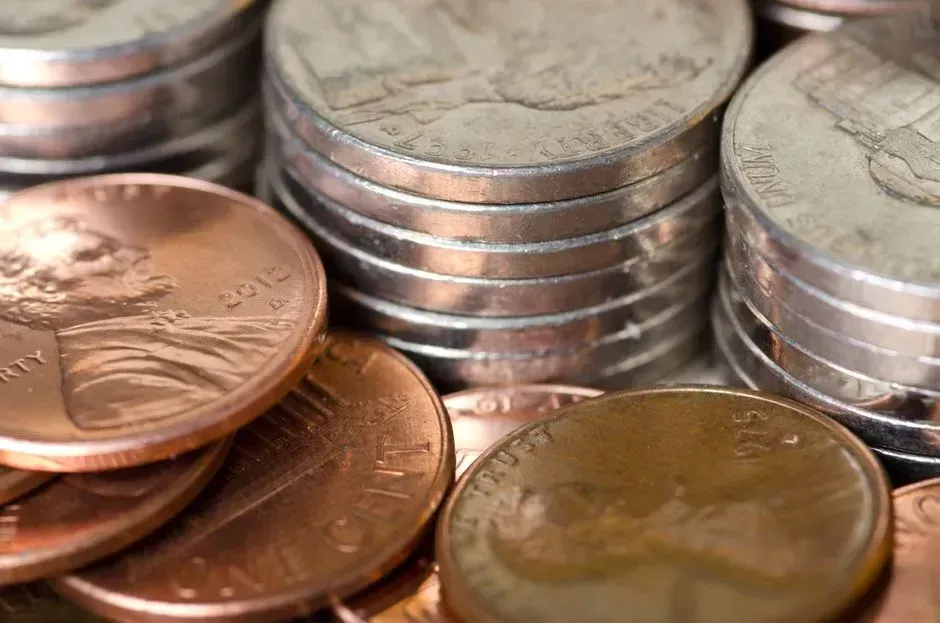
Cost was the main driver. Over the past 10 years, the total production cost of the penny has risen from 1.3 cents to 3.69 cents per penny. Those figures include materials, facilities and overhead.
Treasury also pointed to changing habits. It cited increasing non-cash transactions and the very low purchasing power of a single penny. The Mint projected an immediate annual savings of $56 million in reduced material costs, though that’s an estimate rather than a confirmed result.
How Many Pennies Are Out There

There’s no shortage in the big picture. The federal government has stopped manufacturing new pennies, but the Federal Reserve will keep recirculating the roughly 114 billion pennies in existence for as long as possible. That works out to about a billion dollars’ worth of coins.
Local supply is another matter. Circulation has slowed because people tend to stash coins in jars or drawers. With no fresh coins arriving, banks and retailers depend on recycled ones, which can create patchy availability.
Spend Them at the Register

The simplest option is also the one Treasury asks for. The Treasury Department encourages the public to spend their on-hand pennies to support a smooth transition. Paying part of a bill in small change helps keep coins moving.
It also helps stores that are short on change. Handing over exact amounts means a cashier doesn’t have to round or dig for coins that may not be in the drawer.
Deposit Them at Your Bank

Banks still take pennies, at least in principle. Businesses may continue to deposit pennies at their financial institutions. Individual banks set their own rules for customers, so it’s worth calling ahead about rolling requirements or counting fees.
Supply problems have shown up before. After circulating production ended, the Federal Reserve stopped handling pennies at most of its terminals, leading to regional shortages. The Federal Reserve reversed its decision in January 2026, easing the shortages.
Check for Anything Collectible
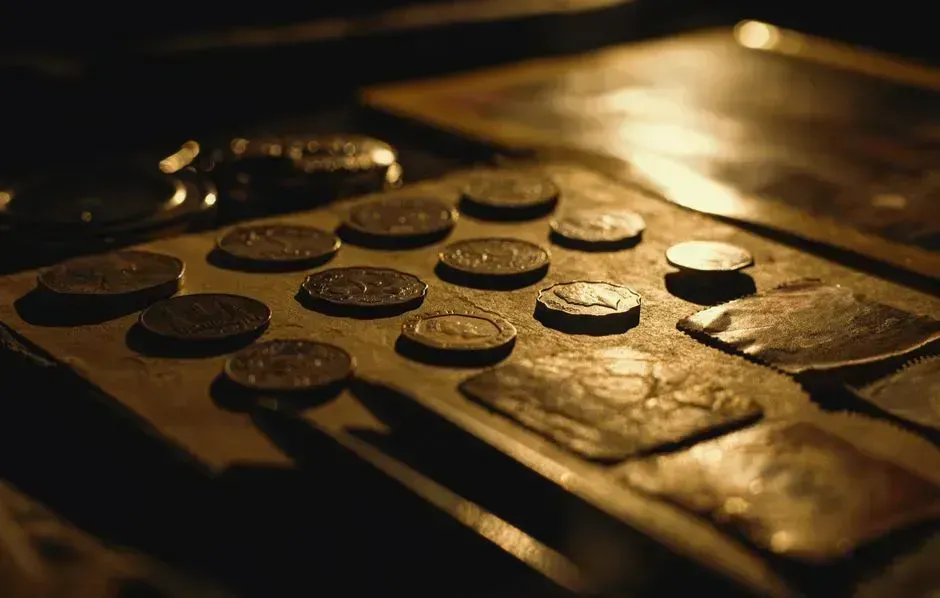
Before you dump a jar, take a quick look through it. Some are worth only face value, but certain dates, mint marks, and minting errors can make a penny more interesting to collectors. Most will turn out to be ordinary.
If something looks unusual, set it aside. Avoid cleaning or polishing coins, since doing so can damage what makes them appealing. A reputable coin dealer or grading service can give a firmer opinion.
Keep a Few as Keepsakes
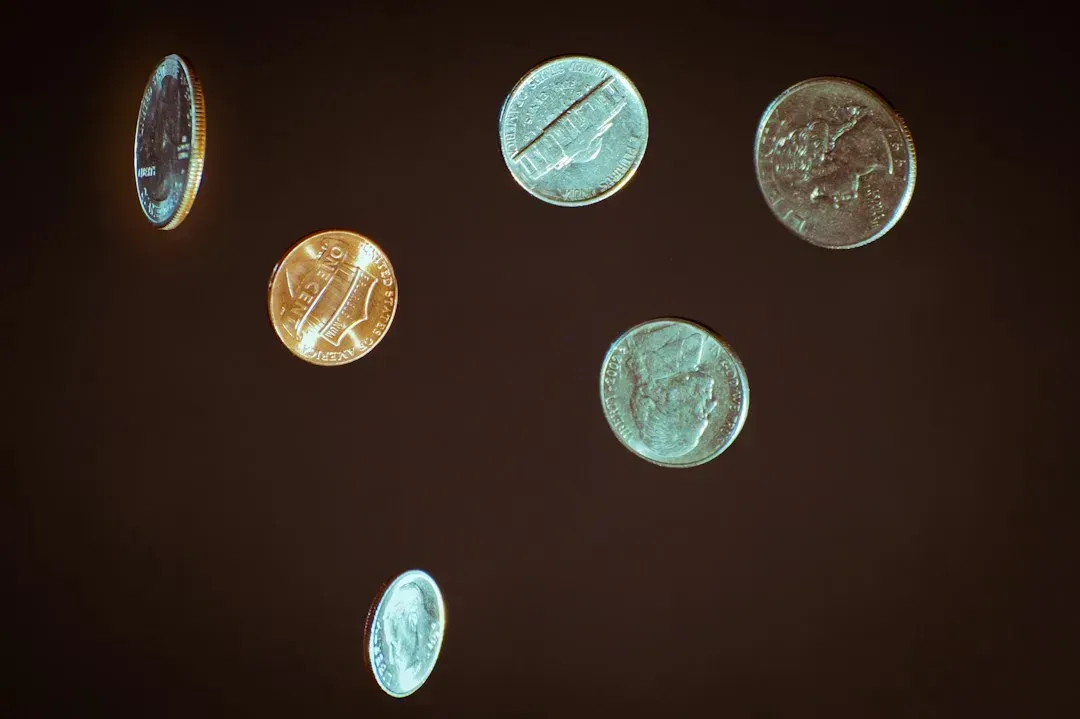
Some people simply want a souvenir. The Mint produced circulating pennies for 232 years before ending that run in 2025. That’s a long stretch of everyday history.
You don’t need to hold on to a whole jar. Saving a few pennies from different years can make a simple keepsake. A small display or a coin holder takes up almost no space.
Expect Rounding in Some Places
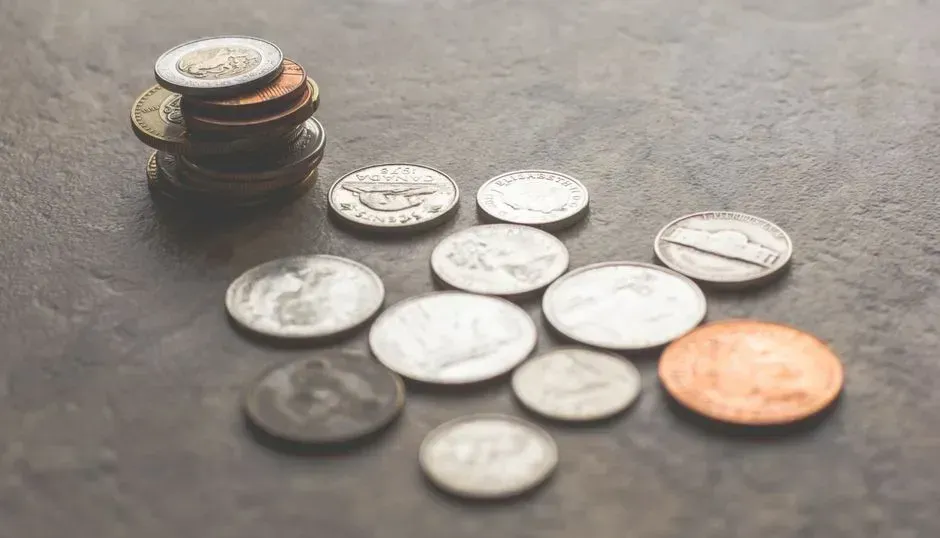
Where pennies run short, shops may adjust totals. Some affected businesses began rounding cash transactions to the nearest five cents when pennies were unavailable. Canada and Australia handle cash this way.
There’s no single national rule yet. There is no single universal U.S. rounding rule established by the sources available as of October 4, 2026. Card and digital payments, meanwhile, still go to the exact cent.
Where the Law Stands
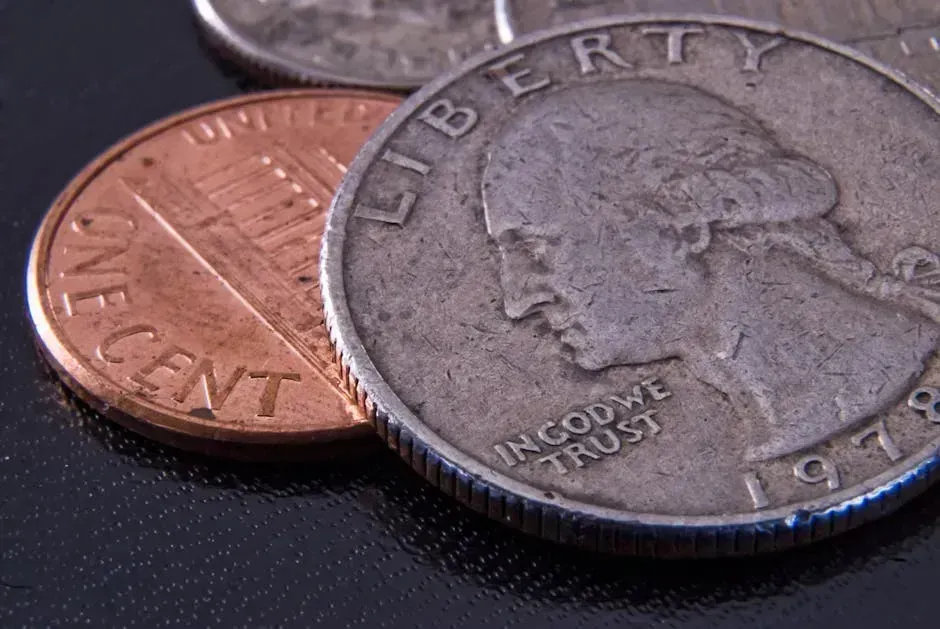
The Mint’s halt came through Treasury’s existing authority, and Congress has been looking at making it official. The proposed legislation would preserve the legal tender status of existing pennies while allowing limited production for collectors. Reports on the bill’s final status differ, so it’s wise to check current news.
Collectors aren’t left out either. Going forward, cents will only be found in Mint sets, proof sets and possibly other special U.S. Mint releases. Those coins aren’t meant for the cash drawer.





Leave a Reply